






Tooth Pain, Sensitivity and Swelling: What to Do First
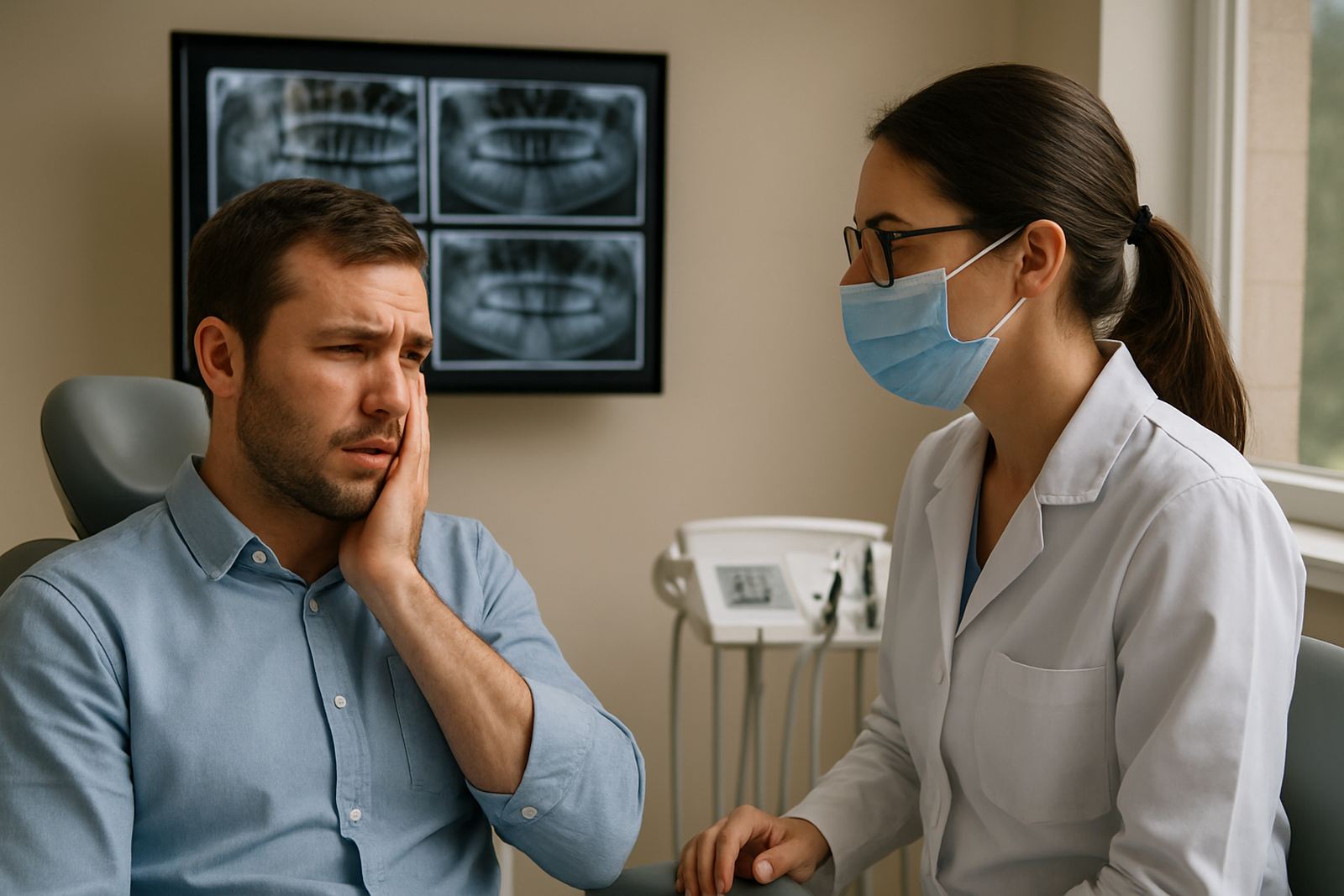
Tooth pain can come from decay, a cracked tooth, gum infection, grinding or a deep old filling that has started to fail. Sensitivity to cold, heat or sweets often means the protective layers of the tooth are thin or damaged. If the area is swollen, throbbing or painful when biting, it needs attention sooner rather than later.
For patients in Sandton, Bryanston, Rivonia and nearby areas, the first step is usually a focused exam with imaging so the cause can be found properly. Pain relief may be needed, but the longer-term plan depends on whether the tooth can be restored or if it needs more involved treatment. Do not keep chewing on the sore side if you can avoid it, and please dont wait for swelling to settle on its own.
- Book urgently if the pain wakes you at night.
- Seek same-day help if there is facial swelling or a bad taste.
- Avoid very hot, cold or hard foods until you are seen.
Missing Teeth and Bite Changes After Extraction or Gum Disease
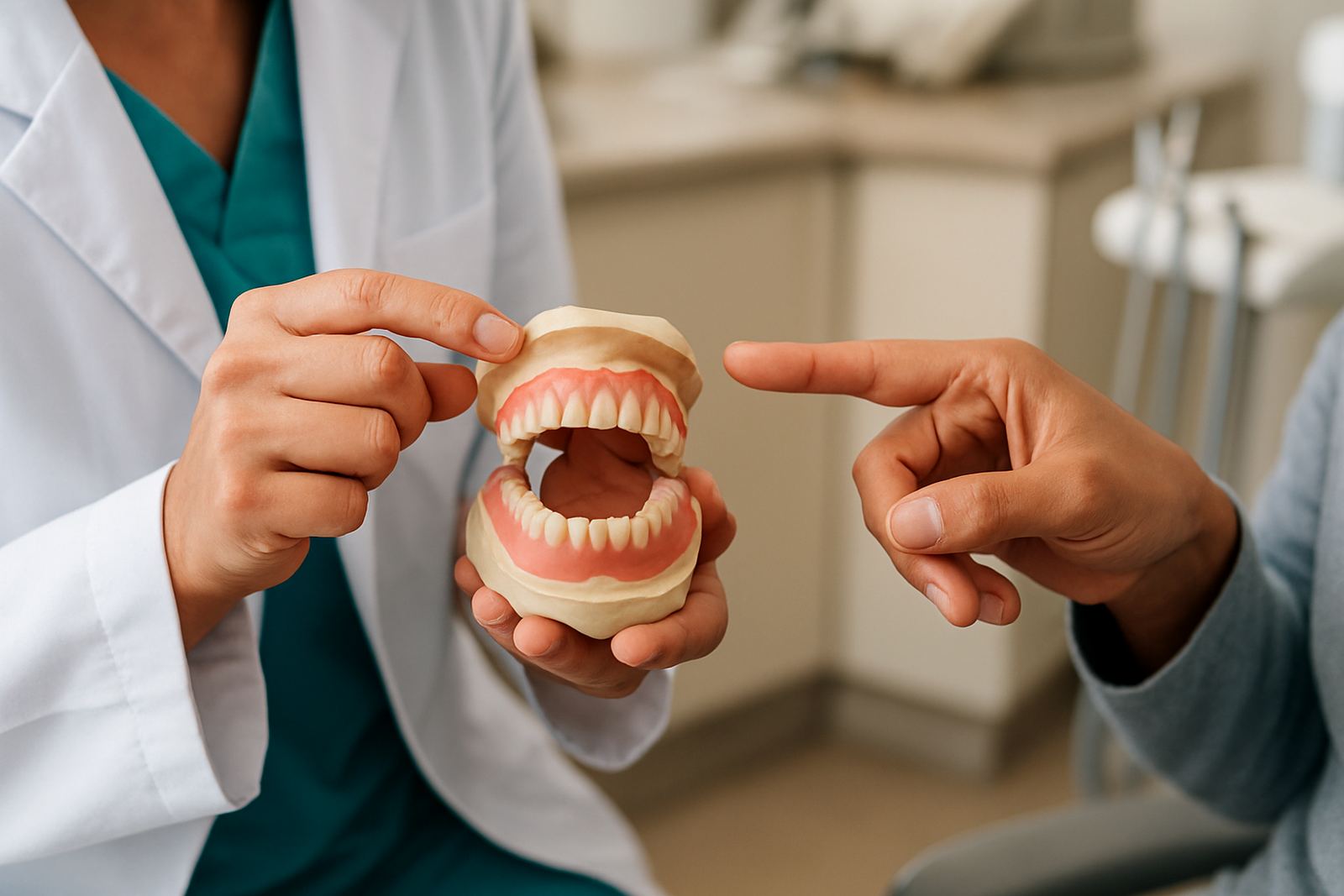
Missing teeth can affect chewing, speech and the way neighbouring teeth move over time. Spaces at the back of the mouth often go unnoticed at first, but they can place extra strain on other teeth and make cleaning harder. If a tooth was lost through injury, decay or gum disease, the replacement plan should be tailored to the bone, bite and surrounding gums.
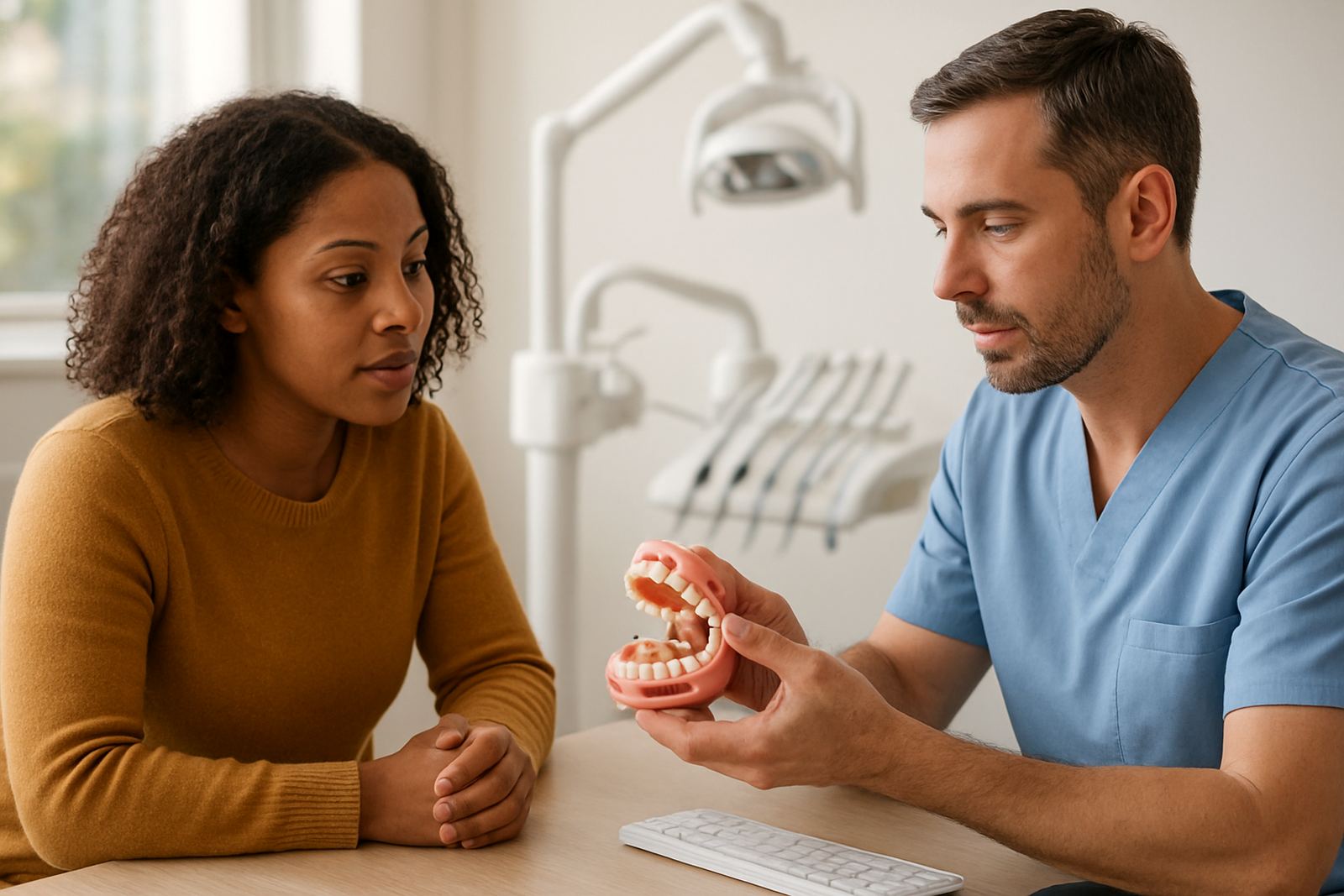
We look at spacing, bone support and the condition of nearby teeth before advising on a suitable path. Some patients are ready for implant planning, while others need stabilisation or cleaning first. In a busy Sandton routine, it helps to know the likely timeline and whether treatment can be phased around work meetings, school runs or travel.
- Gaps can cause drifting and uneven wear.
- Implant planning starts with detailed assessment of bone and gums.
- Bridge or removable options may be considered where appropriate.
Crooked Teeth, Crowding and Bite Alignment Concerns
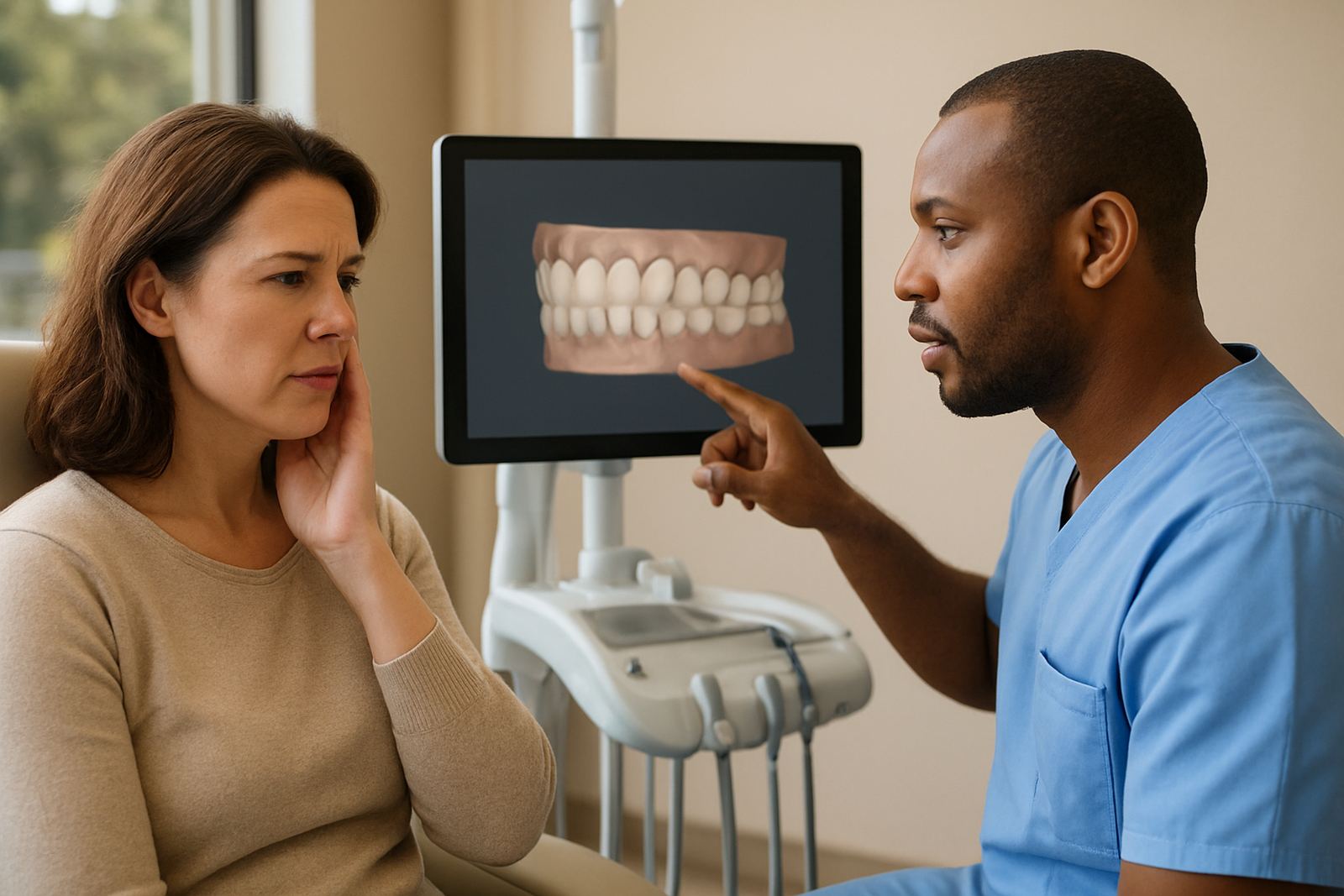
Teeth that overlap, twist or sit too far forward or back can make brushing and flossing harder. That raises the risk of staining, decay and gum inflammation over time. Bite issues can also cause jaw strain, worn edges or repeated cheek biting, especially when the upper and lower teeth do not meet evenly.
Orthodontic assessments look at alignment, bite function and what matters most to you, whether that is appearance, comfort or long-term cleaning access. Some cases need only minor adjustment, while others call for a more planned approach. We explain the stages clearly so you know what to expect and what each step is meant to achieve.
- Not every crooked smile needs the same approach.
- Alignment can affect both appearance and oral hygiene.
- Early assessment often gives more treatment choices.
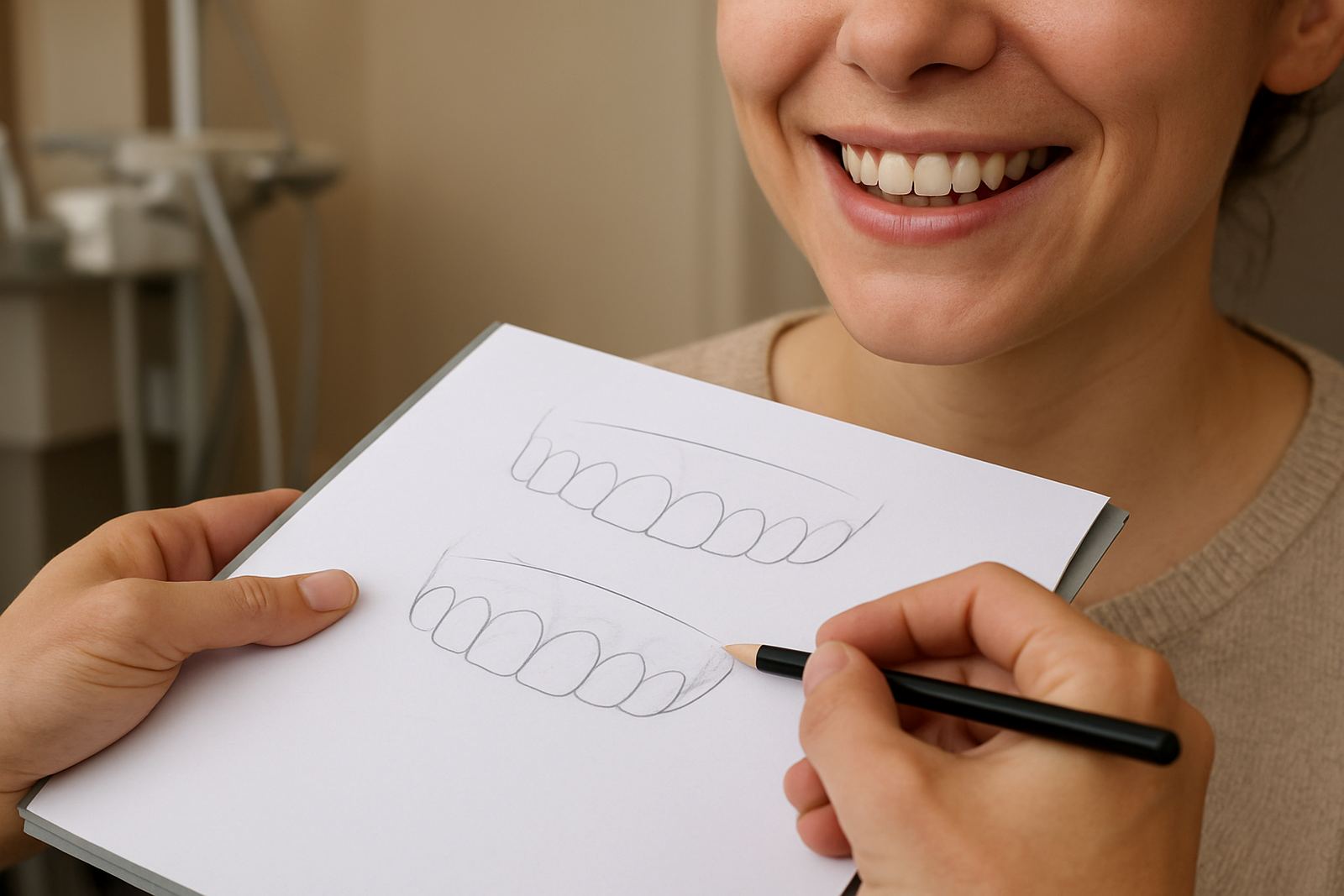
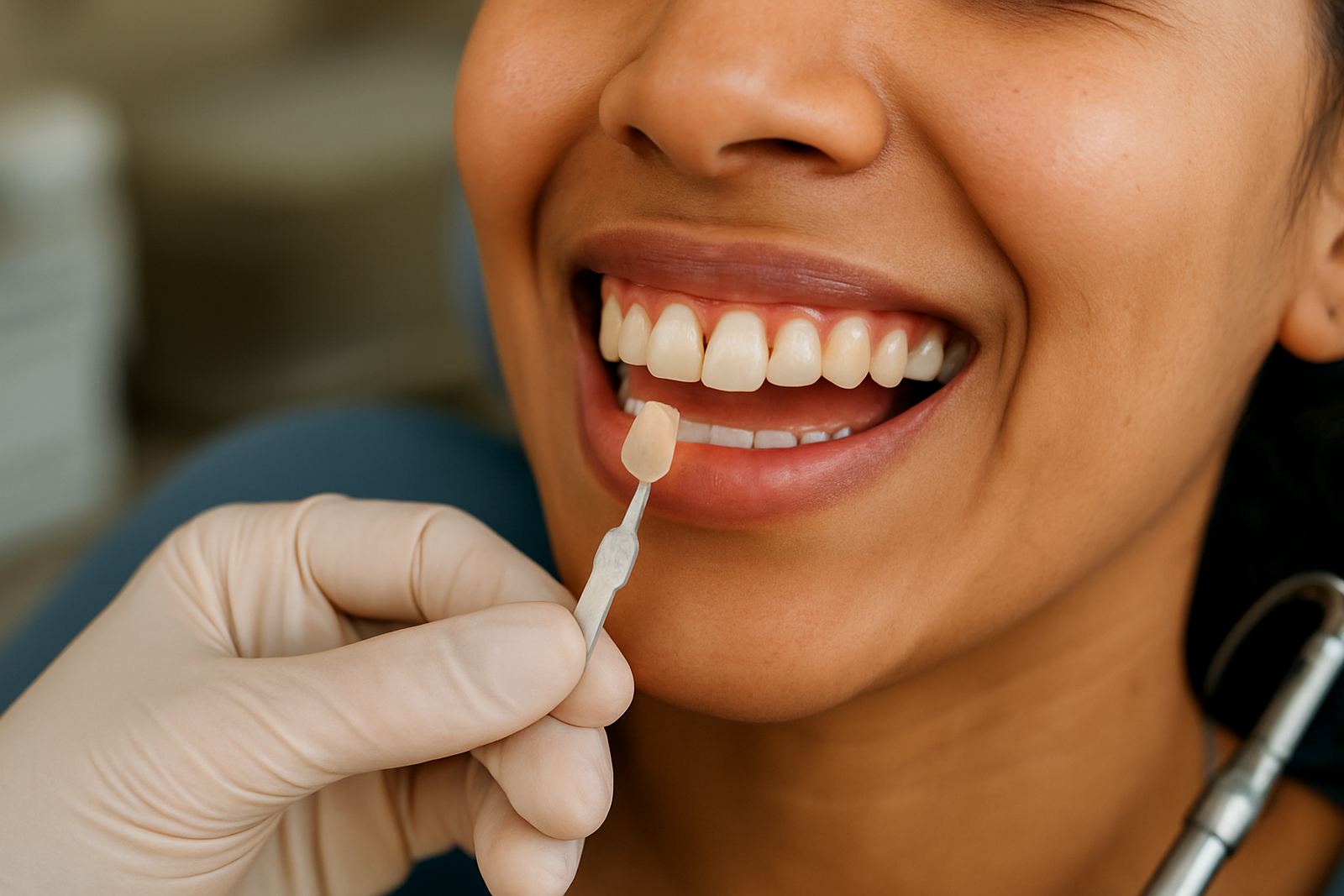
Worn, Stained or Uneven Teeth: Cosmetic Planning With Practical Limits
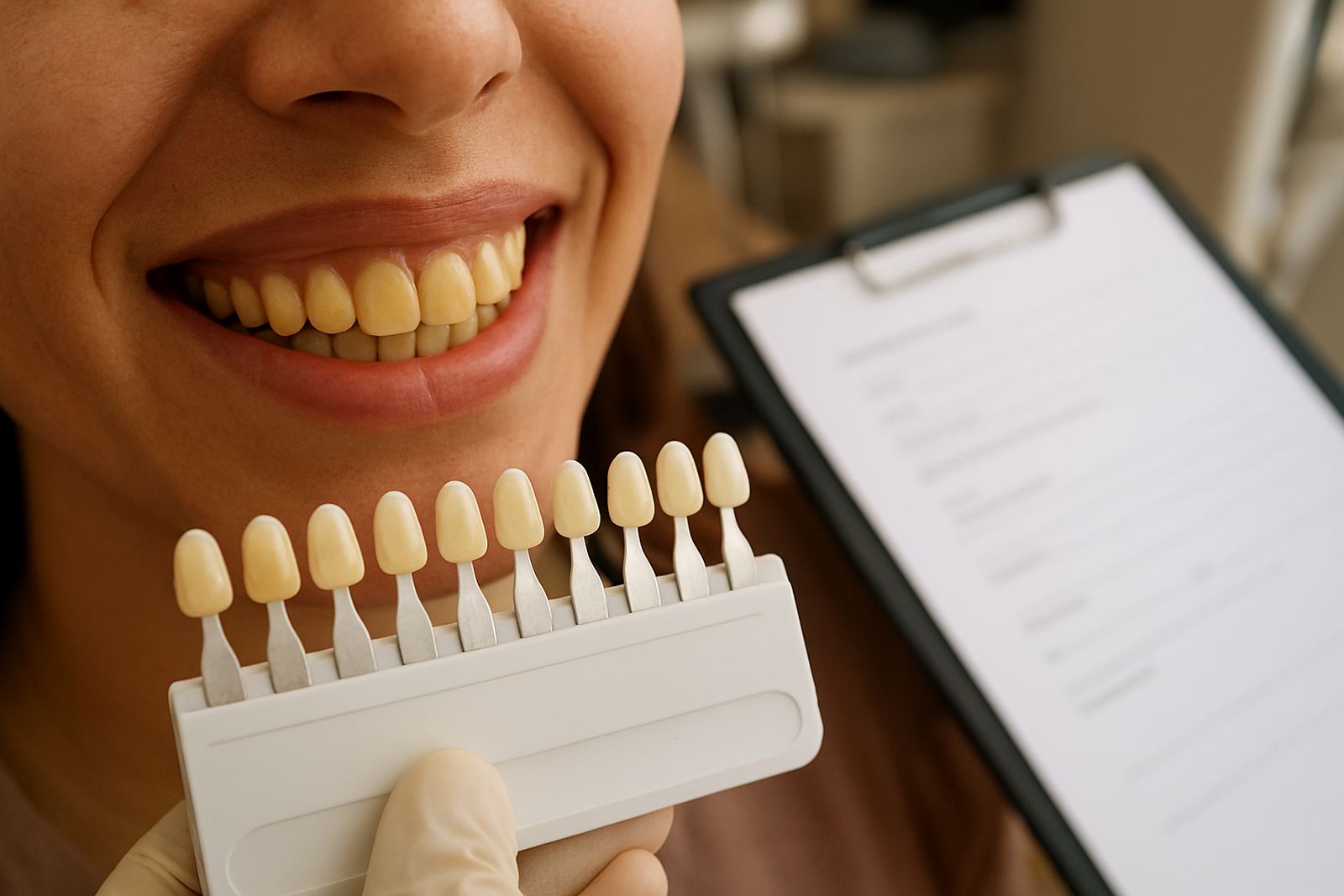
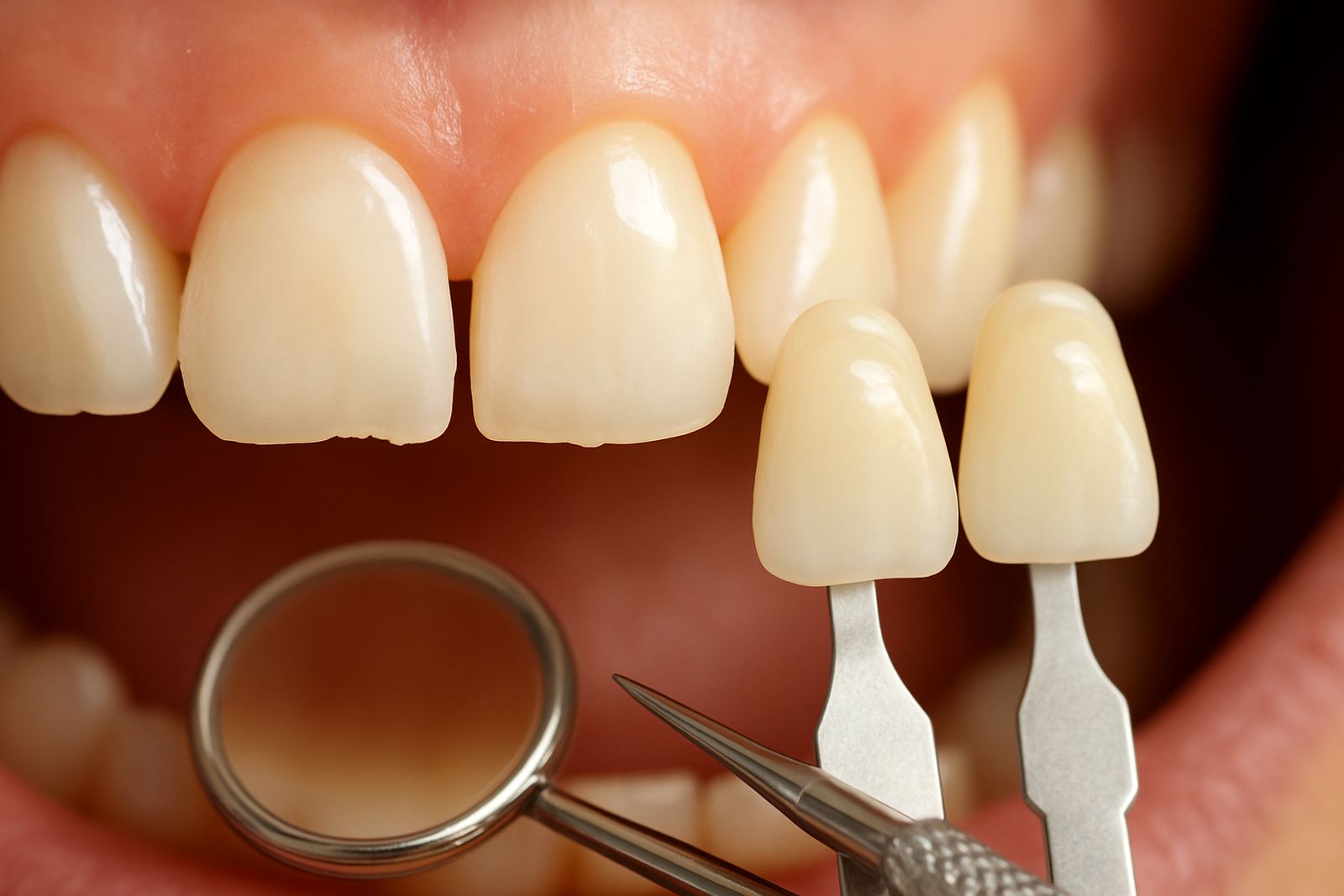
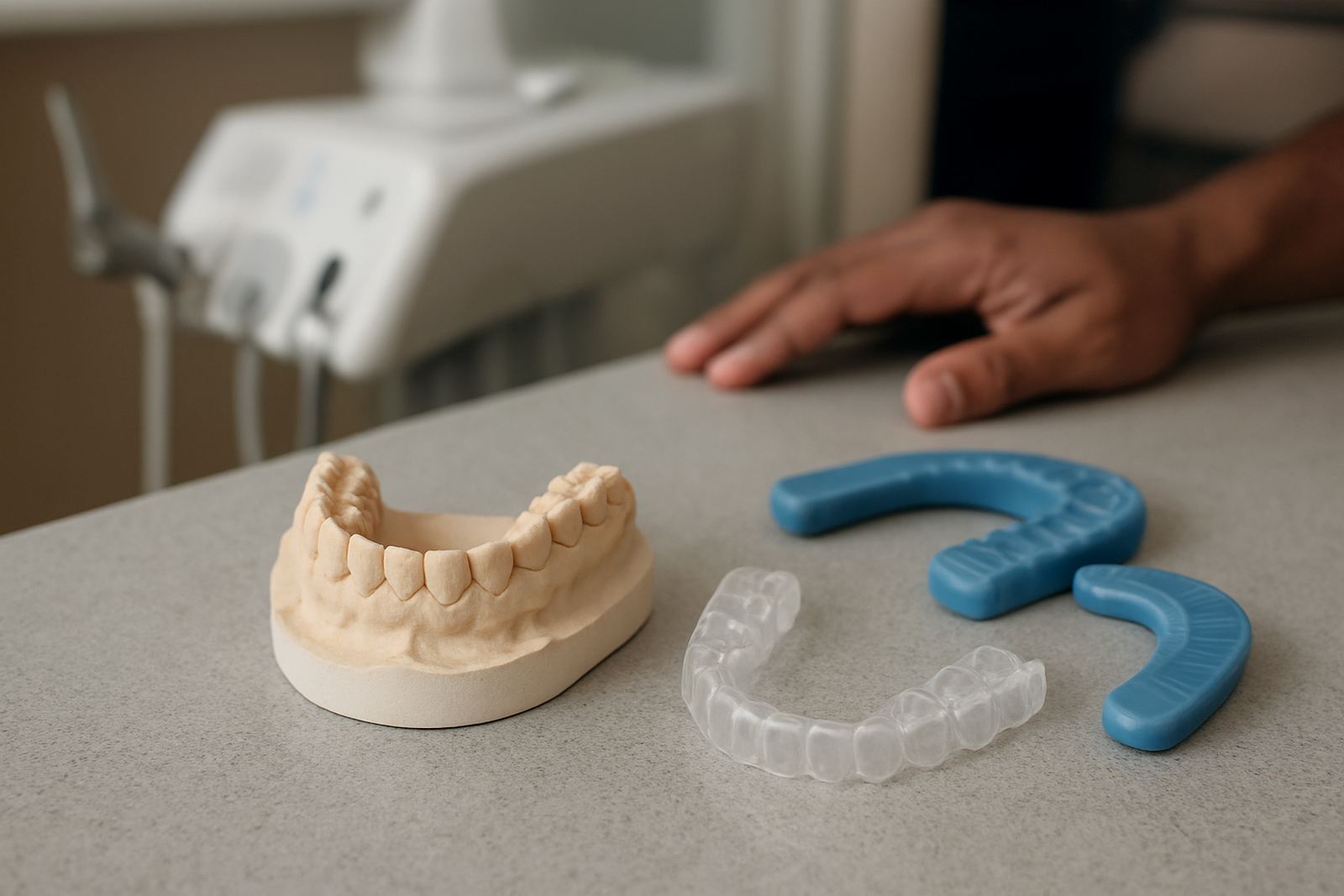
Teeth can become worn from grinding, acidic drinks, clenching or years of ordinary use. Stains from tea, coffee, wine and smoking often build up slowly and may not respond well to brushing alone. Uneven edges, small chips and older fillings can also affect how the smile looks and feels.
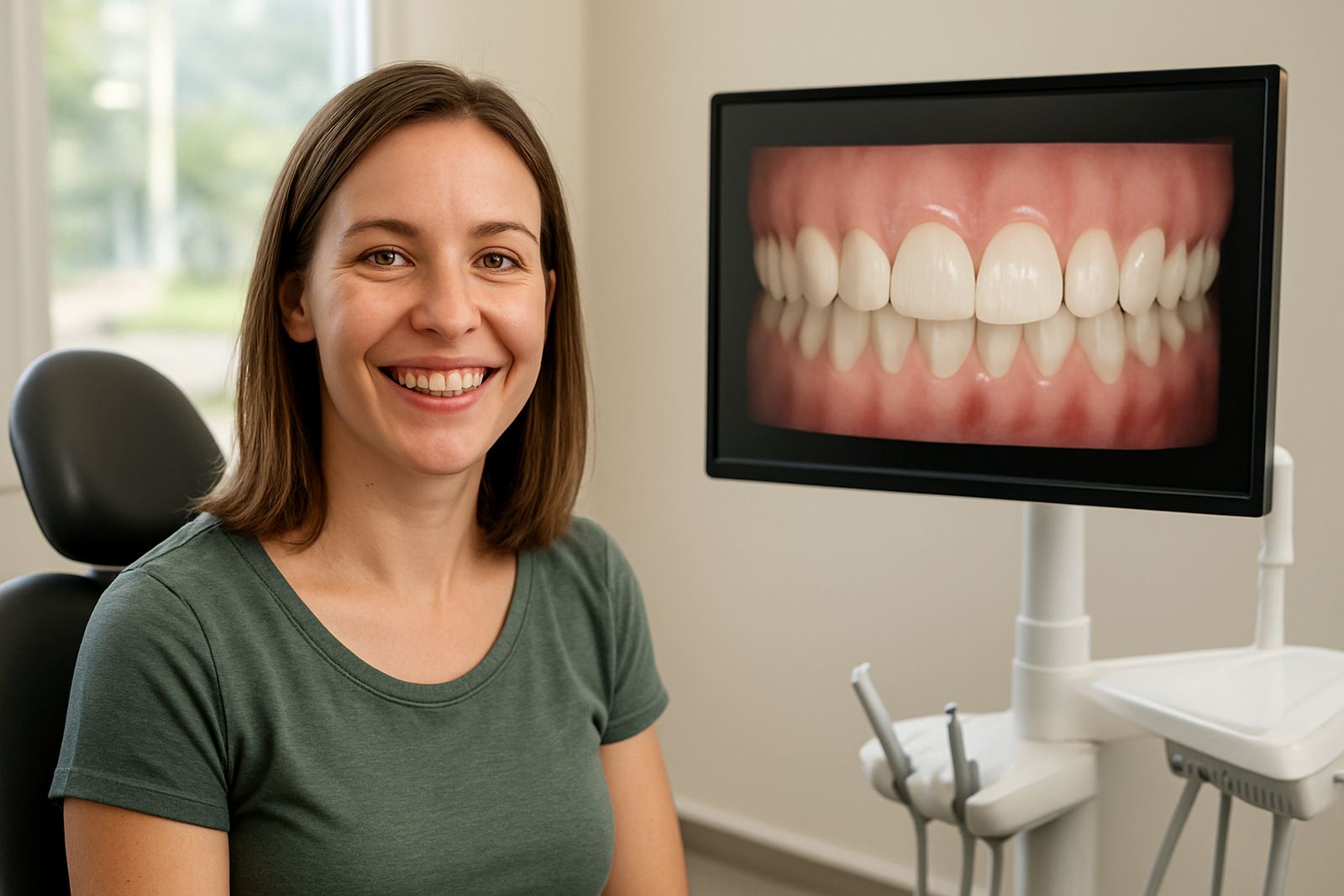
Cosmetic consulting is useful when you want a cleaner, more balanced result but still need a plan that protects the teeth underneath. We look at shape, shade, gum levels and the amount of structure that remains. The aim is a result that suits daily life in Johannesburg, not just one that looks good in a photo. It has to last through normal meals and normal stress.
- Grinding signs include flat edges and morning jaw tightness.
- Surface staining may need professional cleaning before anything else.
- Worn teeth should be checked before cosmetic changes are planned.
Children, Teens and Busy Families Needing Ongoing Care
Family dentistry is about keeping track of small issues before they become bigger ones. That includes early decay, gum irritation, sports injuries, biting habits and hygiene challenges with braces or crowded teeth. For children and teenagers, clear instructions matter because treatment only works well when home care is realistic and consistent.
Parents in Morningside, Fourways and Rosebank often want advice that fits school schedules and transport time. We help with preventive care, new patient consults and aftercare follow-ups so the plan does not stop after the first visit. If a child is anxious, sedation options may be discussed where suitable and safe.
- Regular checks can pick up decay before pain starts.
- Sports mouth injuries need quick assessment.
- Good home habits lower the chance of repeat treatment.
When To Book Now and What Happens Next
If you are unsure which concern matters most, start with a new patient consult. That gives us the chance to assess the symptoms, explain likely causes and map out the next step without pressure. Some problems need emergency dentistry, while others can be planned over a few visits with payment guidance if needed.
Our team, led by Dr Sibusiso Mthembu, works from our Sandton base with support from Dr Ayesha Khan, Dr Pieter van der Merwe, Dr Nandi Dlamini, Lerato Moloi and Thabo Nkosi. Whether you are coming from Sandton, Bryanston, Rivonia, Morningside, Fourways or Rosebank, you will get clear direction on what the issue likely is and how to deal with it properly.
Most dental concerns are easier to manage when they are assessed early. A short visit now can save a lot of discomfort later, and in some cases it can prevent a bigger repair altogether.