

What bleeding gums can mean
Bleeding gums usually mean the gum tissue is irritated, most often by plaque, tartar or brushing too hard. In some cases it can also be linked to smoking, dry mouth, hormonal changes, certain medicines or health conditions that affect healing. If your gums bleed when you floss, brush or eat firmer foods, it is worth having them checked rather than waiting for them to settle on their own.
Patients from Sandton, Bryanston, Rivonia, Morningside, Fourways and Rosebank often come in after noticing blood on the toothbrush or a pink rinse in the basin. That small sign can sit quietly for months before it becomes soreness, recession or loose teeth. Early care matters because gums do not improve properly if the cause stays in place.
- Bleeding when brushing or flossing
- Swollen, red or tender gums
- Bad breath that keeps coming back
- Gums pulling away from the teeth
- Discomfort when eating hard or crunchy foods
How we assess bleeding gums at the clinic
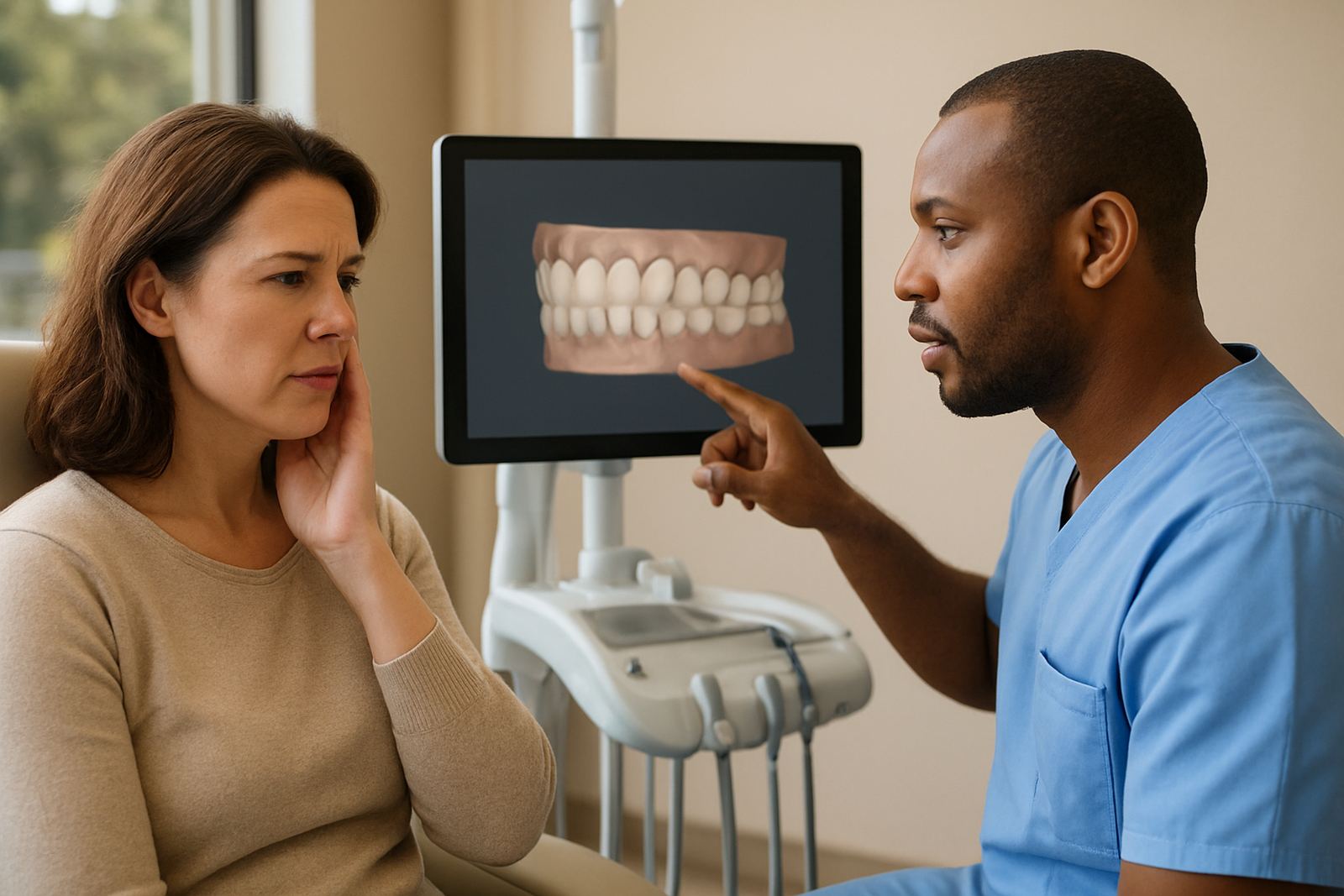
Your first visit normally starts with a focused exam of the gums, teeth and bite, plus a review of your brushing habits, medical history and any medicine you take. We may use digital imaging to check bone levels, tartar deposits and areas where pockets may be forming around the teeth. If you have sensitivity, we keep the exam gentle and explain each step before we start.
For many patients the situation is straightforward. A thorough clean, better home care and a short follow-up plan may be enough. If the gums have been inflamed for longer, we may recommend deeper cleaning, gum charting and staged reviews so we can track healing properly. Dr Sibusiso Mthembu and the team use a practical approach, so you know what is urgent and what can wait.
- Initial gum and tooth examination
- Digital imaging where needed
- Review of cleaning technique and diet habits
- Assessment for decay, tartar and gum pockets
- Plan for follow-up care if inflammation is advanced
Typical equipment used for gum care
Bleeding gums are treated with ordinary dental equipment used carefully and in the right sequence. That may include hand instruments for precise cleaning, ultrasonic scaling equipment for removing hardened deposits, suction for keeping the area clear and magnification for seeing difficult edges around the gumline. For some patients we also use local anaesthetic, especially if the gums are very sore or there is deeper cleaning to do.
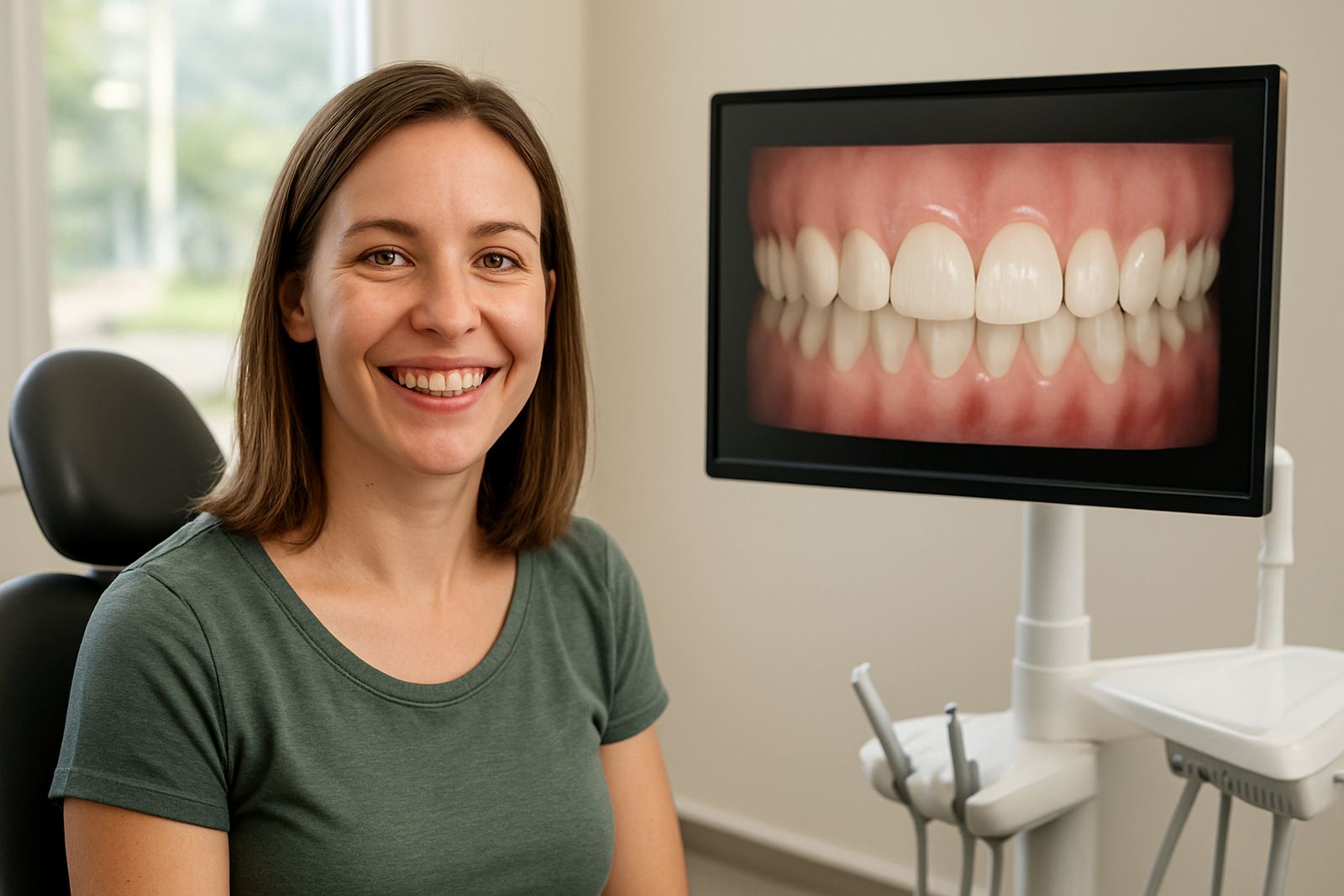
Where digital records are helpful, the clinic may use intraoral imaging to show you the before and after changes. This can help with understanding the cause and keeping treatment on track, particularly if you are managing orthodontic appliances, implants or a history of gum disease. The aim is less irritation, better access around the teeth and cleaner margins where bacteria tend to collect.
- Ultrasonic scaler and hand instruments
- Intraoral imaging and gum measurements
- Local anaesthetic for sensitive areas
- Suction and polishing tools
- Home-care instruction tools like floss or interdental brushes
Planning treatment around work, family and budget
Many people delay gum treatment because they think it will take too long or cost too much. In practice, the plan can often be staged around your schedule. For Sandton professionals, parents in Fourways and commuters from Morningside, we try to keep visits efficient and give clear aftercare so you do not need repeat appointments for avoidable problems. If sedation is required for anxious patients, that is discussed in advance so you can arrange transport and recovery time.
Budget ranges depend on the amount of cleaning needed and whether X-rays, deeper periodontal care or follow-up visits are included. As a guide, a new patient consult may start from about R650 to R1 200, a routine hygiene-focused clean from about R800 to R1 500, and deeper gum treatment can range from R1 500 to R4 500 or more depending on the number of teeth and visits needed. If there are other issues such as fillings, extractions or orthodontic checks, the overall cost changes accordingly.
- Book early if bleeding happens most days
- Ask for a staged treatment plan if you need to spread costs
- Check whether follow-up review fees are included
- Plan extra time if local anaesthetic or sedation is needed
- Keep treatment between salary cycles if that helps with cash flow
Common mistakes that keep gums bleeding
A frequent mistake is brushing less because the gums bleed. That often makes the problem worse, since plaque stays on the teeth longer. Another mistake is using a hard brush, pressing too firmly or skipping floss because it causes a little bleeding at first. The gums need steady, careful cleaning, not punishment. If your technique is off, we will show you how to adjust it without making the gums sore.
People also delay care because the bleeding comes and goes. That is common, but it does not always mean the issue is gone. In some cases smoking, poor sleep, stress or mouth breathing can slow healing, and coastal humidity or dry indoor air from heating can change how the mouth feels. If you have diabetes or take blood thinning medicine, tell us at the start so the plan can be adjusted safely.
- Using a hard bristle brush
- Stopping flossing after the first bit of bleeding
- Waiting until pain starts
- Ignoring swollen gums near one tooth only
- Not mentioning medicine or medical conditions
Aftercare and when to book an urgent visit
Once the gums have been cleaned and the cause addressed, aftercare matters. Most patients are asked to brush twice a day with a soft brush, clean between the teeth once a day and rinse only if recommended. We may suggest a review after a few weeks to check whether the bleeding has settled and whether any areas still need extra care. If you are using braces, aligners or have implants, the cleaning routine may need small changes.
Book urgently if the bleeding is heavy, the gum is very swollen, there is pus, loose teeth, fever or pain that keeps you awake. These signs may point to a more advanced infection and should not wait for a routine appointment. For patients across Sandton and nearby areas, same day guidance is often possible if you call early.
- Soft brush and gentle circular motion
- Clean between teeth every day
- Attend review appointments on time
- Call sooner for swelling, pus or loose teeth
- Keep receipts and treatment notes for medical aid claims where applicable