When bad breath points to a dental problem
Most people notice bad breath after garlic, coffee, smoking, or a long day without water, and that usually settles. When the smell stays even after brushing, flossing, and mouthwash, the source is often in the mouth itself. In Sandton and nearby areas like Bryanston, Rivonia, Morningside, Fourways, and Rosebank, we often see patients who have been masking the problem for months while the real issue gets worse.
The common oral causes include plaque build-up along the gumline, gum inflammation, decay between teeth, old fillings with gaps, and food packing around back teeth or orthodontic appliances. Dry mouth is another big one, especially with some medication, stress, mouth breathing, or long days in air-conditioned offices. If there is bleeding when brushing, a bad taste, or sore gums, the breath problem is often linked to infection and needs proper assessment.
- Persistent smell after brushing and flossing
- Bleeding gums or tender areas
- Dry mouth, especially in the morning
- Food trapping between teeth or around appliances
What we check at a bad breath consultation
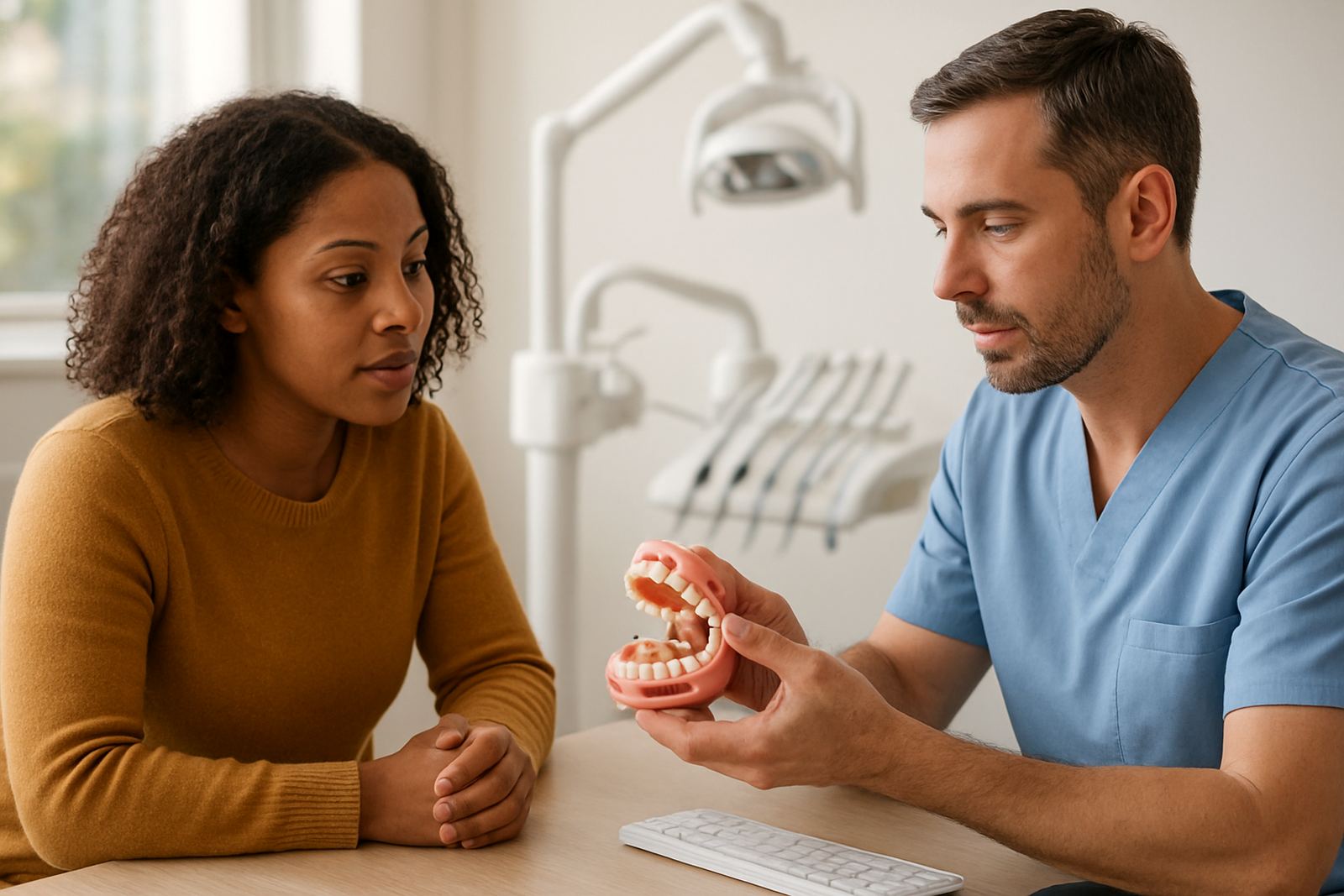
A bad breath consult is practical and direct. We start with a history of when the problem started, whether it is worse in the morning or after meals, and whether you have noticed dryness, gum bleeding, reflux, or pain. Then we check the teeth, gums, tongue, and any areas that may be trapping debris. If needed, we use digital imaging to look for hidden decay, bone loss, failing restorations, or infection around roots.
For patients who have not had a recent cleaning, we may recommend a scale and polish before making a final treatment plan. In some cases, we also check bite issues, broken edges, or orthodontic attachments that make cleaning difficult. Where sedation options are appropriate, they are discussed early, especially for anxious patients or when the mouth needs a longer procedure. The aim is to make the visit manageable and get to the actual cause without guessing.
- Oral exam of teeth, gums, tongue, and tongue coating
- Digital imaging where hidden infection or decay is suspected
- Review of dry mouth, medication, and cleaning habits
- Plan for cleaning, repair, or referral if required
Treatment steps that usually help most
Once we know where the smell is coming from, treatment is usually straightforward. Gum-related odour often improves after a thorough cleaning, removal of tartar, and better home care around the gumline. If decay is present, the tooth needs to be repaired before the smell and bacteria keep returning. When old fillings or crowns have open edges, these may need replacement to close the trap point.
For dry mouth, practical changes matter: more water, sugar-free lozenges if suitable, and review of mouth rinses that may be too harsh. If the tongue is heavily coated, daily tongue cleaning can make a real difference. Patients with aligners, braces, implants, or bridges may need different tools and a more exact routine, because those areas collect plaque fast. We also give aftercare follow-ups where needed, so changes can be checked and adjusted rather than left to guesswork.
- Professional cleaning for plaque and tartar
- Restoration repair where decay or gaps are found
- Targeted home-care instructions for tongue and gumline
- Review appointments to check progress and breath control
Planning the visit if you are coming from Sandton and nearby suburbs
Many patients book this type of visit around work, school runs, or meetings in Sandton CBD, Bryanston, or Fourways. If you are coming in for a specific smell complaint, it helps to avoid strong mints, gum, or heavy mouthwash just before the appointment because they can hide clues. Bring a list of your medication, any recent dental work, and mention if you snore, breathe through your mouth at night, or have reflux, as these details can point to a pattern.
For families, we can sequence care so children, parents, or a partner are seen in a way that makes the day easier. If treatment is likely to take more than one visit, we will map it clearly so you know what happens first, what can wait, and where the costs sit. In winter, dry indoor air and heater use can make the mouth feel worse, while load-shedding can disrupt routines, so simple at-home steps become even more important.
- Book a time when you can answer questions properly
- Bring a list of medicine and recent dental treatment
- Do not rely on mouthwash alone before the visit
- Tell us if dryness, reflux, or snoring is part of the picture
Common mistakes that keep bad breath going
One of the biggest mistakes is brushing harder instead of brushing better. Harsh brushing can irritate gums and still leave plaque behind. Another common issue is cleaning only the front teeth and skipping the back molars, tongue, and areas near old restorations. If you wear braces or aligners, poor cleaning around attachments can cause a strong smell very quickly. We see this often in patients who think the breath issue is from food, when there is actual gum inflammation underneath.
Using too much mouthwash can also dry the mouth out further, especially with alcohol based rinses. Some people keep switching products without finding the source, which wastes time and money. A proper exam usually saves both, because the plan is based on what is actually happening in the mouth rather than on guesswork. If the cause is not dental, we can advise on the next step and whether a medical review is needed.
- Skipping tongue cleaning
- Brushing too hard and too fast
- Using mouthwash instead of fixing the cause
- Ignoring broken fillings, gum bleeding, or dry mouth
Typical cost ranges and what affects the bill
The cost depends on what we find. A new patient consult for bad breath may sit around R650 to R1,100, depending on the exam needed and whether imaging is included. A professional cleaning usually ranges from about R850 to R1,800, while repair of decay or failing fillings will depend on how many teeth are involved. If orthodontic cleaning aids, implant-related care, or sedation options are needed, the price can move higher.
We always discuss payment guidance before treatment starts, especially where more than one visit is likely. The most cost-effective plan is usually the one that treats the source early, before it becomes gum damage, abscesses, or repeated rework. For patients in Sandton, Bryanston, Rivonia, Morningside, Fourways, and Rosebank, a clear plan often means fewer missed work hours and less repeat treatment. If you are comparing options, ask what is included in the consult, whether imaging is needed, and what aftercare follow-up will cost.
- Consults: about R650 to R1,100
- Cleaning: about R850 to R1,800
- Repair work: depends on tooth number and extent
- Extra visits may be needed for follow-up or complex cases