






How to use our patient guides
Each guide focuses on a common stage of care, from first booking to aftercare at home. If you are unsure where to start, begin with the guide that matches your current need, then move to the next step once you have had your consult.
Patients from Sandton, Bryanston, Rivonia, Morningside, Fourways and Rosebank often ask for plain advice they can use before work, after school runs or during a lunch break. That is what these guides are for. They help you weigh up comfort, timing and budget without pressure.
- Choose a guide based on your next appointment or concern.
- Use the notes to prepare questions for Dr Sibusiso Mthembu or the treating dentist.
- Keep the aftercare steps close at hand once treatment starts.
Preparing for a first visit or review
A good first visit starts with the right information. Bring your list of medicines, any medical conditions, recent X-rays if you have them and the name of your medical aid or payment plan if you want guidance on costs. If you have tooth pain, swelling, a broken filling or a chipped front tooth, tell us what changed and when it started.
For new patient consults and emergency dentistry, it helps to know whether the pain is constant, worse at night or triggered by cold and heat. That detail can change the treatment plan. If you are travelling from Fourways or Rosebank, factor in peak traffic so you do not arrive rushed.
- Arrive 10 to 15 minutes early if you need forms completed.
- Keep a short list of symptoms, medicines and allergies.
- For children or nervous adults, ask about sedation options before the visit.
Comparing cosmetic, implant and orthodontic options
Not every smile concern needs the same treatment. Cosmetic dentistry is often used to improve shape, colour or small spacing issues. Implant planning is suited to missing teeth where the goal is stable replacement. Orthodontic assessments help with bite alignment, crowding and spacing, and may be needed before other work starts.
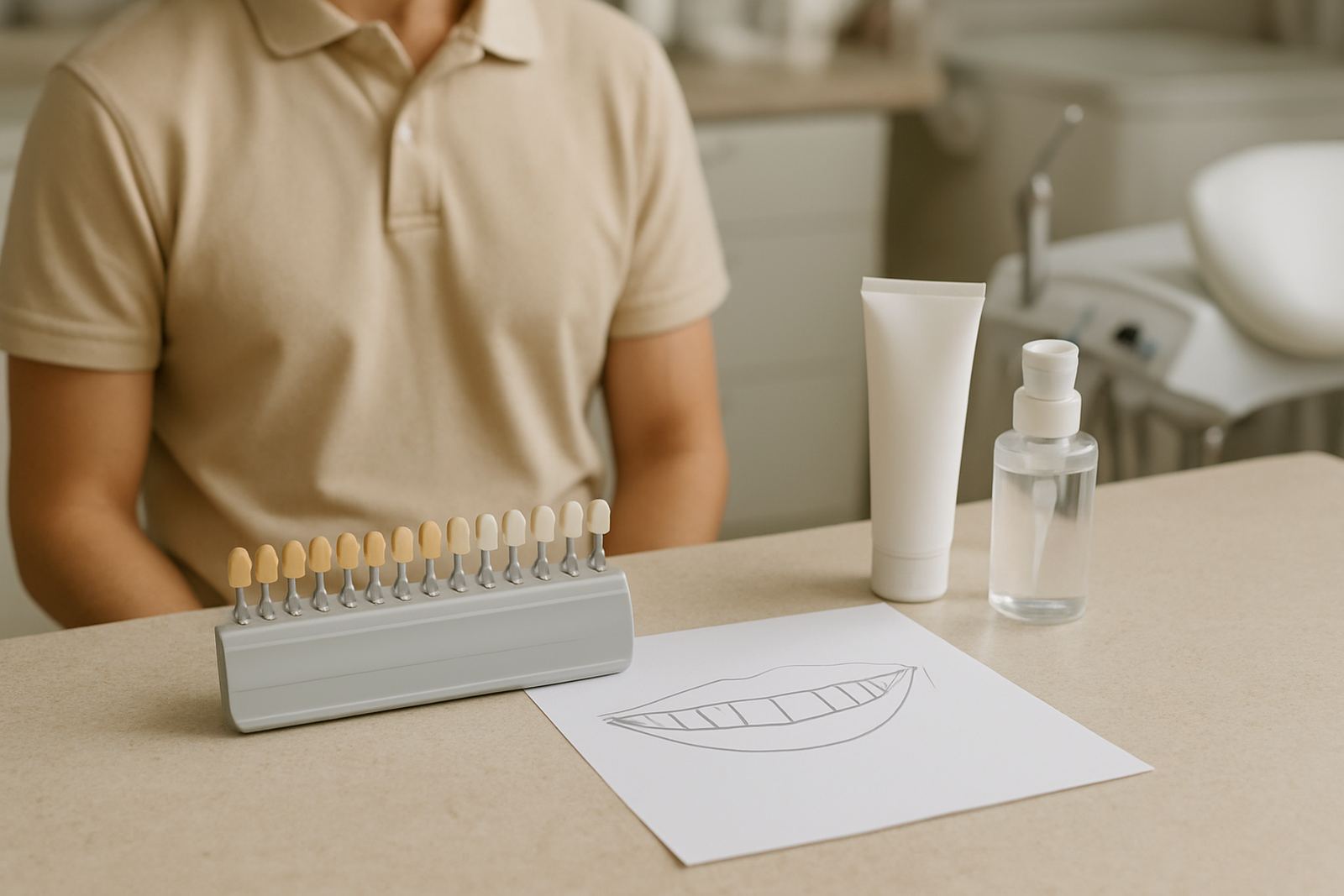
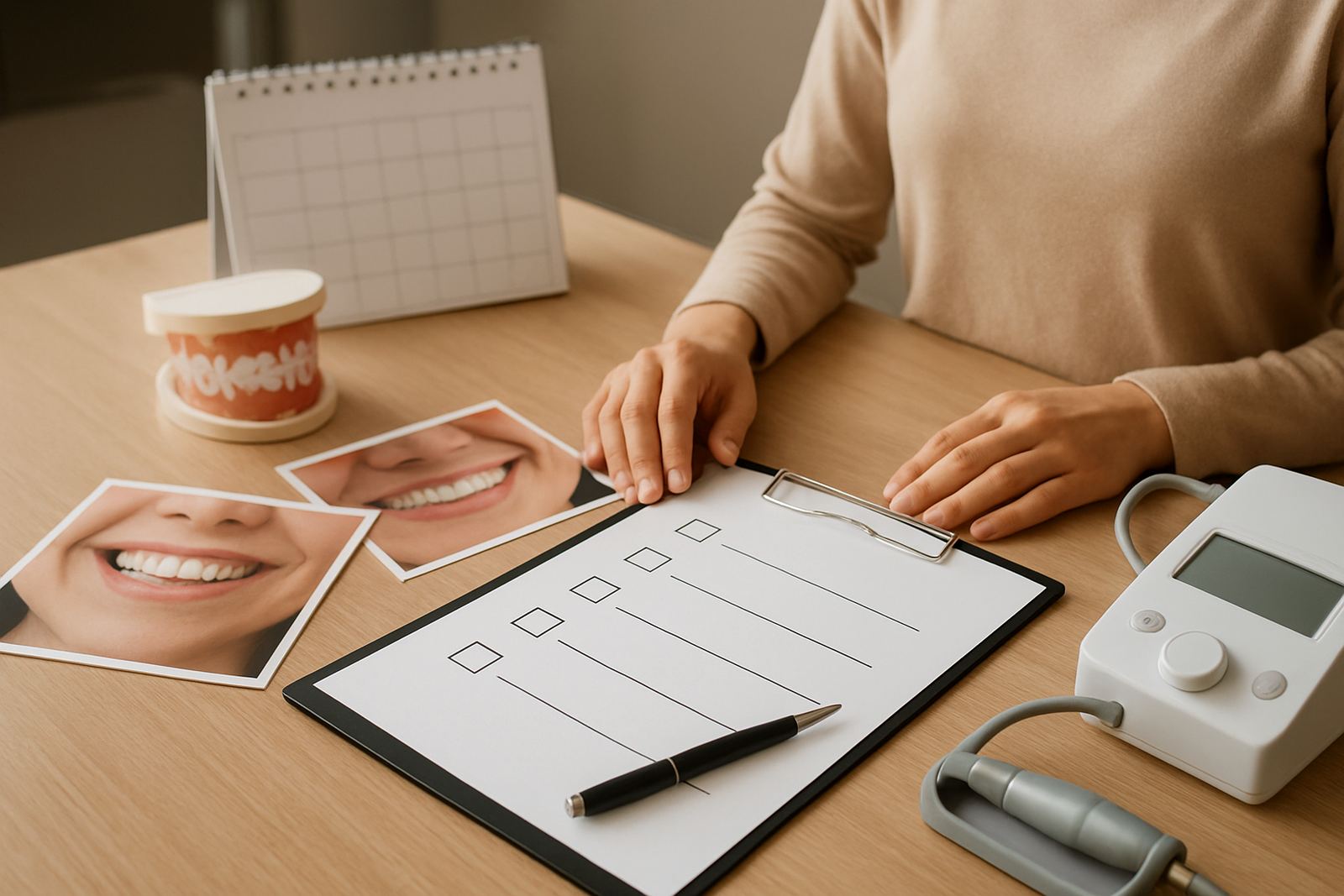
Digital smile design gives a clearer picture of possible results and lets you discuss shape, shade and proportions before any treatment begins. That is especially useful if you want to understand how a change will look with your face and bite, not just on one tooth.
- Ask what the first step is and what comes after it.
- Check how long treatment will take and how many visits are likely.
- Find out whether the plan needs preventive care first.
- Ask how swelling, soreness or speech changes may affect the first few days.
What to expect during treatment days
Treatment days are easier when you know the order of events. Many appointments start with a review, digital imaging or scans, then the dentist explains the next step before anything is done. If sedation is recommended, you may need someone to drive you home. The team will tell you what to eat, drink and avoid beforehand.
Load-shedding and traffic can affect anyone's schedule, so it is wise to keep your phone charged and plan a small margin around your booking. If you have work after your visit, ask whether your treatment may affect talking, eating or wearing aligners that day.
Looking after your results at home
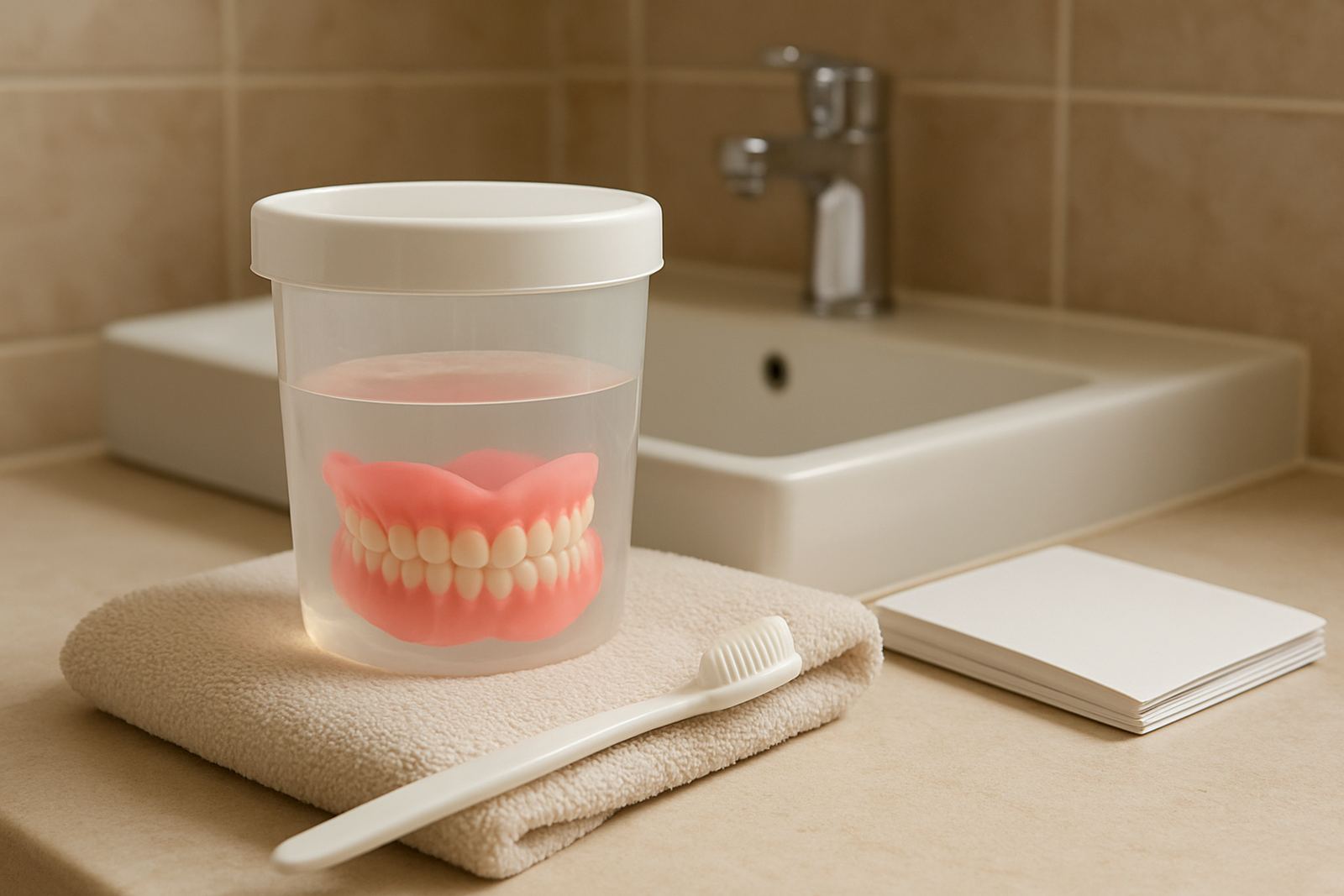
Aftercare matters just as much as the treatment itself. Good brushing, careful flossing and the right products help protect cosmetic work, implants and orthodontic appliances. If you have had whitening, bonding, a crown or implant-related work, follow the instructions given for eating, cleaning and returning for review.
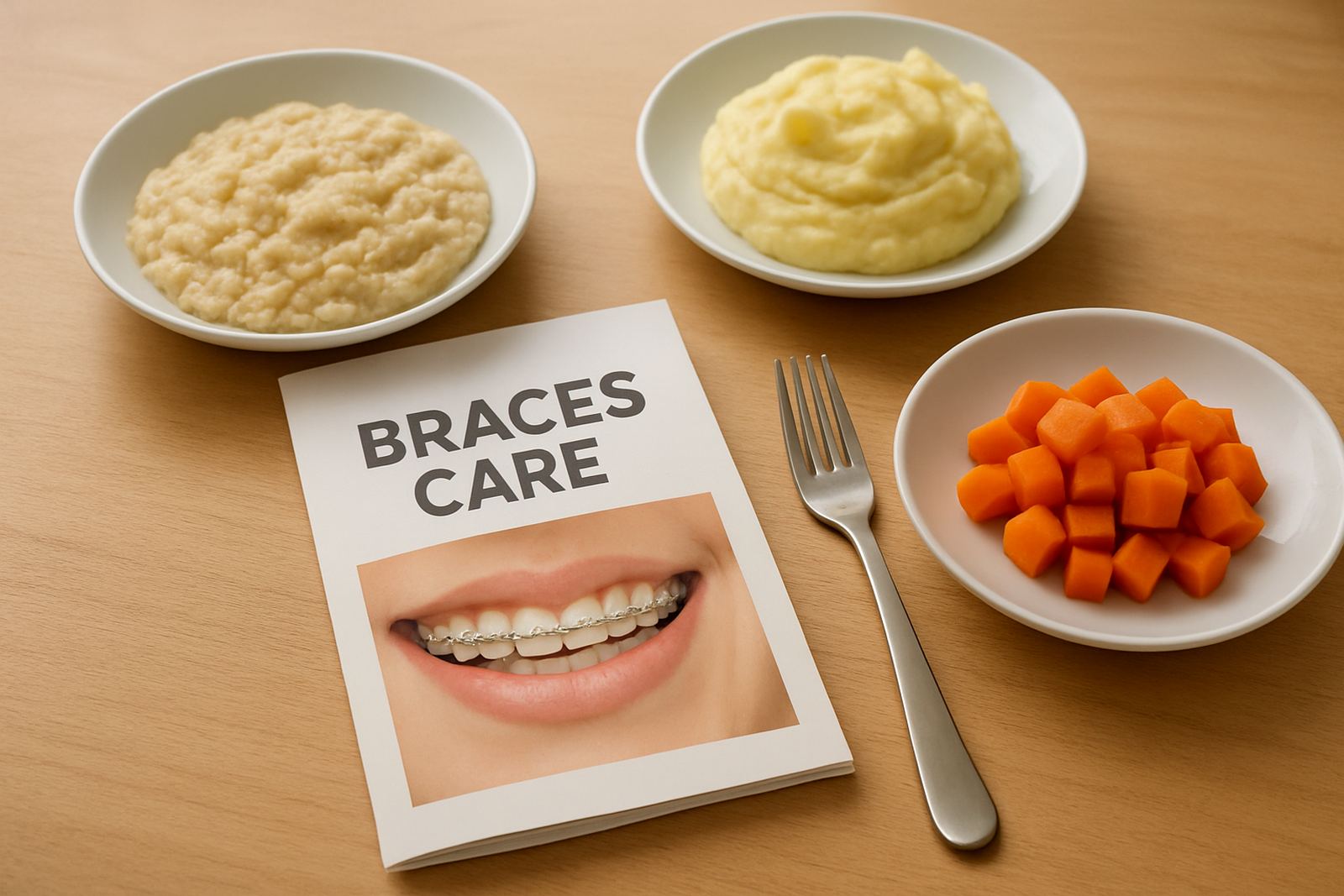
For the first day or two, avoid hard foods and very hot drinks if the area feels sensitive. Coastal humidity does not affect Sandton the way it does Durban, but Johannesburg dust and dry indoor air can still leave your mouth feeling less comfortable, so keep hydrated. If pain worsens instead of settling, contact the practice for advice.
- Use a soft toothbrush unless told otherwise.
- Rinse gently after meals if cleaning around a sore area is tricky.
- Keep follow-up visits, even when everything feels fine.
Payments, follow-ups and when to call
Clear payment guidance can make treatment less stressful. If you want to compare options, ask for the likely number of visits, what is included and which steps may need separate appointments. Lerato Moloi and the practice team can help explain the process before treatment starts, especially for families managing several appointments at once.
Call sooner rather than later if you have bleeding that does not slow down, swelling that spreads, a loose appliance or sudden pain after a procedure. For ongoing care, aftercare follow-ups help the team check healing, adjust treatment where needed and make sure you stay on track.