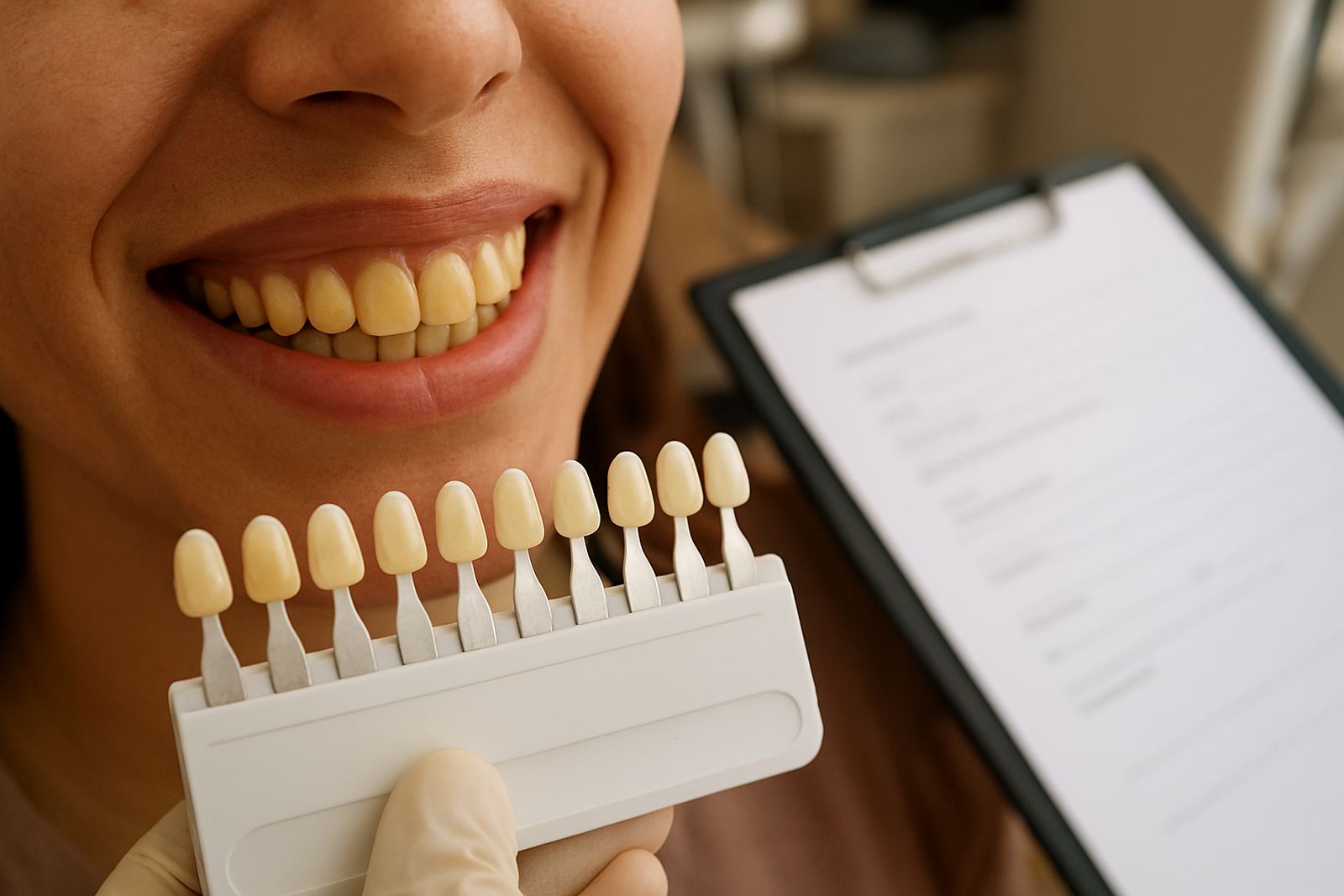


When a cold sip or hot meal causes a sharp sting
Sensitive teeth often show up slowly. One week it is a twinge with ice water, then it becomes pressure when you chew, brushing near the gumline, or a sharp ache after sweet food. In our Sandton practice we see this often from worn enamel, exposed root surfaces, cracked fillings, gum recession, grinding, or decay starting between teeth.
The client situation is usually simple to describe but not always simple to solve. You may feel fine for most of the day, then get a fast stab when you drink something cold in the office, or when you eat after load-shedding has delayed meals and the tea has cooled. The key is targeted diagnosis, because the wrong product or guesswork can mask the problem for a while but not sort it out.
- Temperature pain with cold drinks, soup or coffee
- Pressure pain when biting or chewing on one side
- Short sharp pain during brushing or flossing
- Sensitivity after whitening, scaling or gum treatment
What we check first in a sensitive teeth visit
Our first step is a careful exam with digital imaging where needed. We look at enamel wear, fillings, bite contact, gum levels, cracks, signs of clenching, and whether a tooth needs urgent treatment rather than just desensitising care. If the discomfort is linked to a specific tooth, that changes the plan straight away.
For some patients the issue is generalised and linked to acidic drinks, aggressive brushing, or gum exposure. For others it is localised to one tooth, and that can mean a worn filling, early nerve irritation, or a hairline crack. Dr Sibusiso Mthembu and the clinical team use focused checks so we do not miss a deeper cause while treating the surface symptoms. That matters in busy areas like Sandton, Bryanston and Rivonia where people often want fast relief between meetings and school runs.
- Clinical exam of enamel, gums and bite patterns
- Digital X-rays when decay or a crack is suspected
- Cold and pressure testing to isolate the tooth
- Review of brushing habits, diet and grinding history
Treatment options matched to the cause
Once we know why the teeth are sensitive, treatment becomes much more specific. Some patients only need a fluoride treatment, a prescription-strength toothpaste plan and a change in technique. Others need filling replacement, gum care, bite adjustment or protection for night-time grinding. If the sensitivity is tied to cosmetic work or recent whitening, we adjust the aftercare and check that the teeth are healing as expected.
For advanced cases we may also discuss sedation options if anxiety makes treatment difficult. The aim is to keep the process calm, practical and comfortable. If a tooth is badly cracked or the nerve is involved, we explain the next steps clearly, including whether a root canal assessment or restoration is needed.
- Desensitising agents and topical fluoride applications
- Repair or replacement of failing fillings
- Gum care where root surfaces are exposed
- Night guards for grinding and clenching
- Further treatment if decay or nerve irritation is present
Planning the visit so it fits your week in Sandton
Most sensitive teeth appointments can be planned around work hours and family schedules. Patients come to us from Sandton, Morningside, Bryanston, Fourways, Rosebank and Rivonia, so we keep the process straightforward. If you are dealing with sudden pain, we will aim to identify whether it is an emergency or a comfort issue that can be managed without delay.
Before the visit, it helps to note what triggers the pain, which tooth feels affected, and whether anything makes it better or worse. If you have had recent whitening, gum treatment or a filling, bring that history with you. For homes and offices with irregular power, it is worth keeping your toothbrush and paste routine simple and consistent. Strong brushing during a flare-up can make matters worse, and so can rinsing with very hot or very cold water.
Our practice manager Lerato Moloi and the team help with payment guidance and follow-ups, which is useful if treatment is staged over more than one visit.
Common mistakes that keep sensitivity going
Many people try to manage sensitive teeth with a stronger paste but carry on with the habits that caused the problem. Overbrushing, brushing straight after acidic drinks, skipping flossing, using a hard brush and grinding at night are all common. Another mistake is assuming every sensitive tooth is the same. A general remedy will not help if there is a crack, decay or an inflamed nerve.
We also see people delay care until the tooth is reacting to very little at all, like room-temperature water or light pressure. At that stage, treatment can become more involved and more costly. Early assessment usually keeps the plan simpler and the bill smaller.
- Using a hard brush or scrubbing too firmly
- Rinsing and brushing immediately after acidic foods
- Ignoring one tooth that feels different from the others
- Waiting until pain becomes constant
Typical budget ranges in Rand
Costs depend on the cause and whether the visit is for one tooth or several. A straightforward sensitivity consult with exam and basic advice may start from about R650 to R1 200. If digital imaging, fluoride treatment or a protective plan is needed, many patients should budget R1 200 to R2 800. When sensitivity is linked to a filling repair, gum treatment or night guard planning, costs can move into the R2 500 to R6 500 range depending on the work needed.
If a tooth needs more advanced care, such as a root canal assessment or replacement of larger restorations, the total can be higher. We always explain the sequence before treatment begins, so you can plan without surprise. For patients balancing family care, school fees and monthly bills, that clarity matters just as much as the treatment itself.
Dr Ayesha Khan, Dr Pieter van der Merwe and Dr Nandi Dlamini work with the broader clinical team to keep the plan specific to cosmetic, restorative or bite-related concerns where needed.