
When a chip needs attention, not just a quick fix
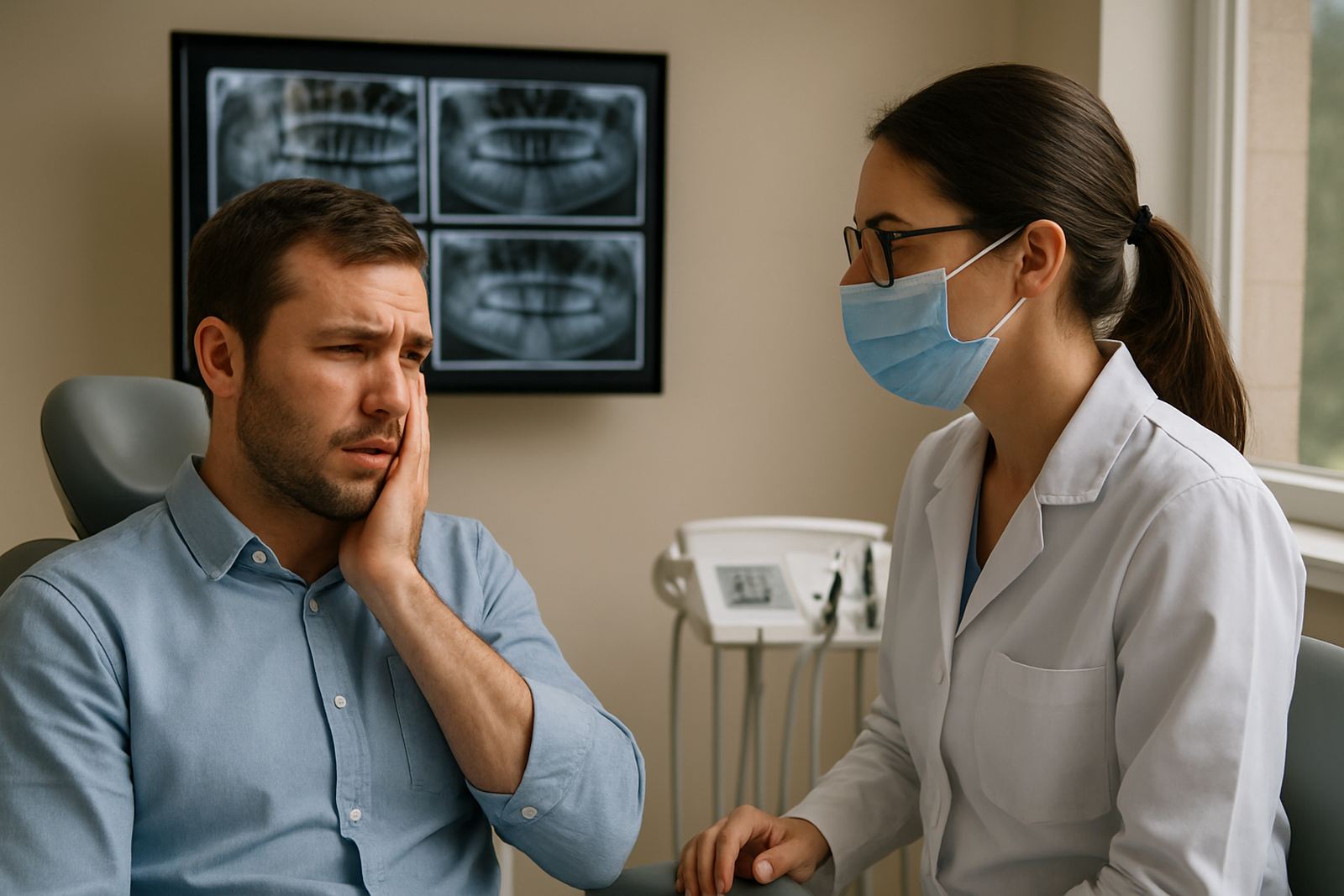
A chipped tooth is common after biting something hard, an accident, or long term wear. Some chips only affect the edge of the enamel, while others open the tooth to sensitivity or leave a sharp corner that keeps cutting the lip or tongue. Even a small fracture can change how force is spread across the tooth, so it is worth checking sooner rather than later.
In Sandton and nearby areas like Bryanston, Rivonia, Morningside, Fourways and Rosebank, patients often come in because the chip is visible in photos, or because the tooth feels rough when they talk or eat. Front teeth are usually treated for appearance first, but back teeth matter too because they take more pressure. If the chip follows a crack line, has black staining, or the tooth feels loose, it needs a proper exam. We see many patients who thought the chip was minor, then found the tooth was already weakened underneath.
The aim is not only to make the tooth look neat again. It is to restore strength, keep the bite even, and lower the chance of further breakage.
What the first visit usually includes
A chipped tooth appointment starts with a close look at the edge, the surrounding enamel and the bite. We may take digital images and X-rays if the chip looks deep or if there is pain on biting. This helps show whether the dentine or nerve is involved, and whether the tooth can be repaired conservatively or needs stronger coverage.
For many cases, the visit is straightforward and can be handled with minimal drilling. In other cases, especially where the fracture is broad or the tooth has old fillings, we plan the repair more carefully so the finish is natural and the contact with nearby teeth is correct. Load-shedding planning matters in any modern dental practice, so equipment that supports digital imaging and precise shade matching is kept ready with backup power. In Gauteng, where power cuts and moisture can both affect daily work, it helps to use equipment that stays accurate and clean through long clinic days.
- Digital imaging to assess the fracture line and tooth structure
- Bite check to see how the tooth meets the opposing teeth
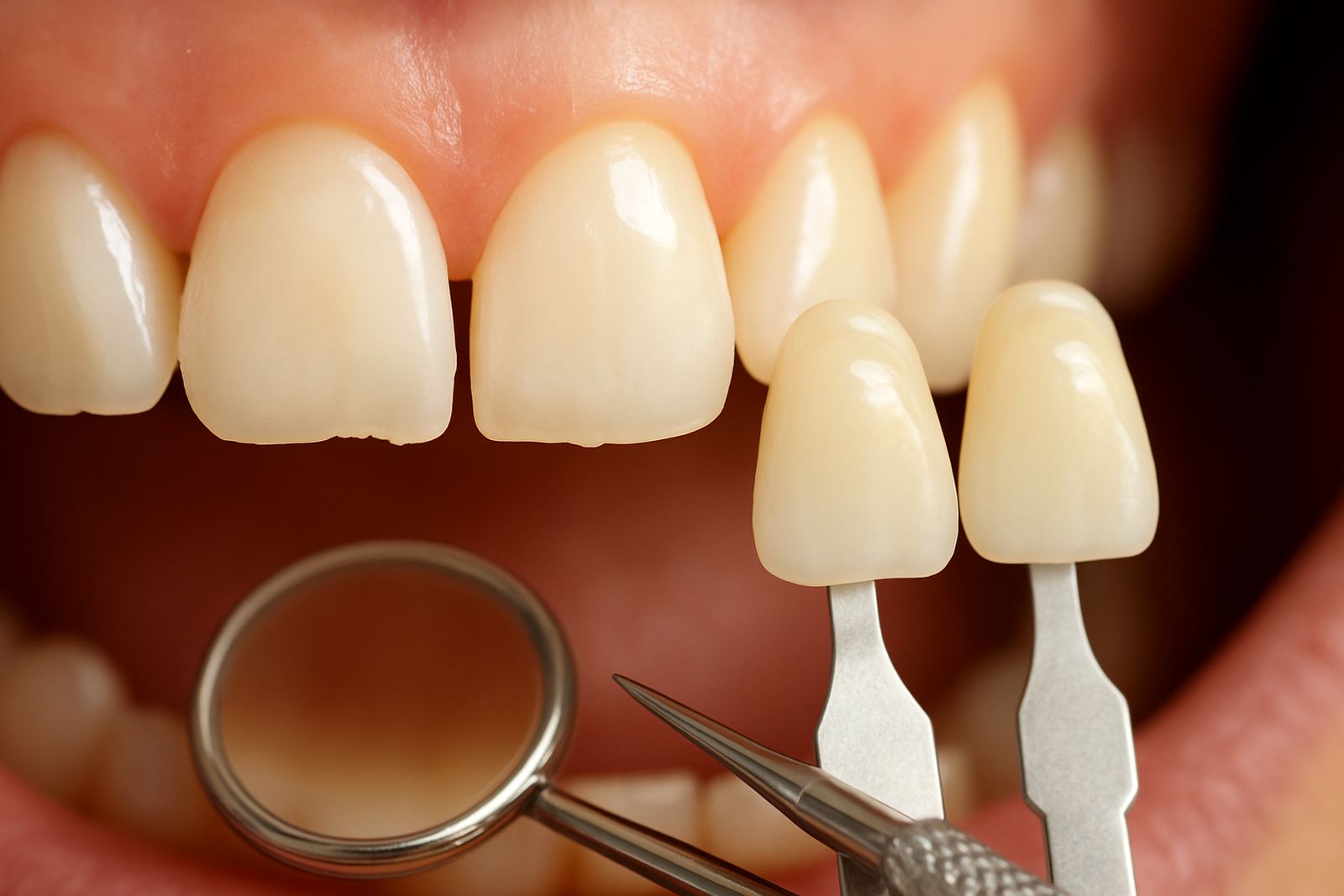
- Shade selection so the repaired area blends with the natural tooth
- Discussion of bonding, veneer or crown options depending on depth
Bonding, veneers or crowns: what suits the chip
Small chips are often repaired with composite bonding. The material is shaped directly on the tooth, then polished to match the surrounding enamel. It works well for edges, corners and minor wear. If the chip is more visible or the tooth needs a more durable cosmetic finish, a veneer may be suggested. Veneers are thin coverings used mainly on front teeth where appearance matters most.
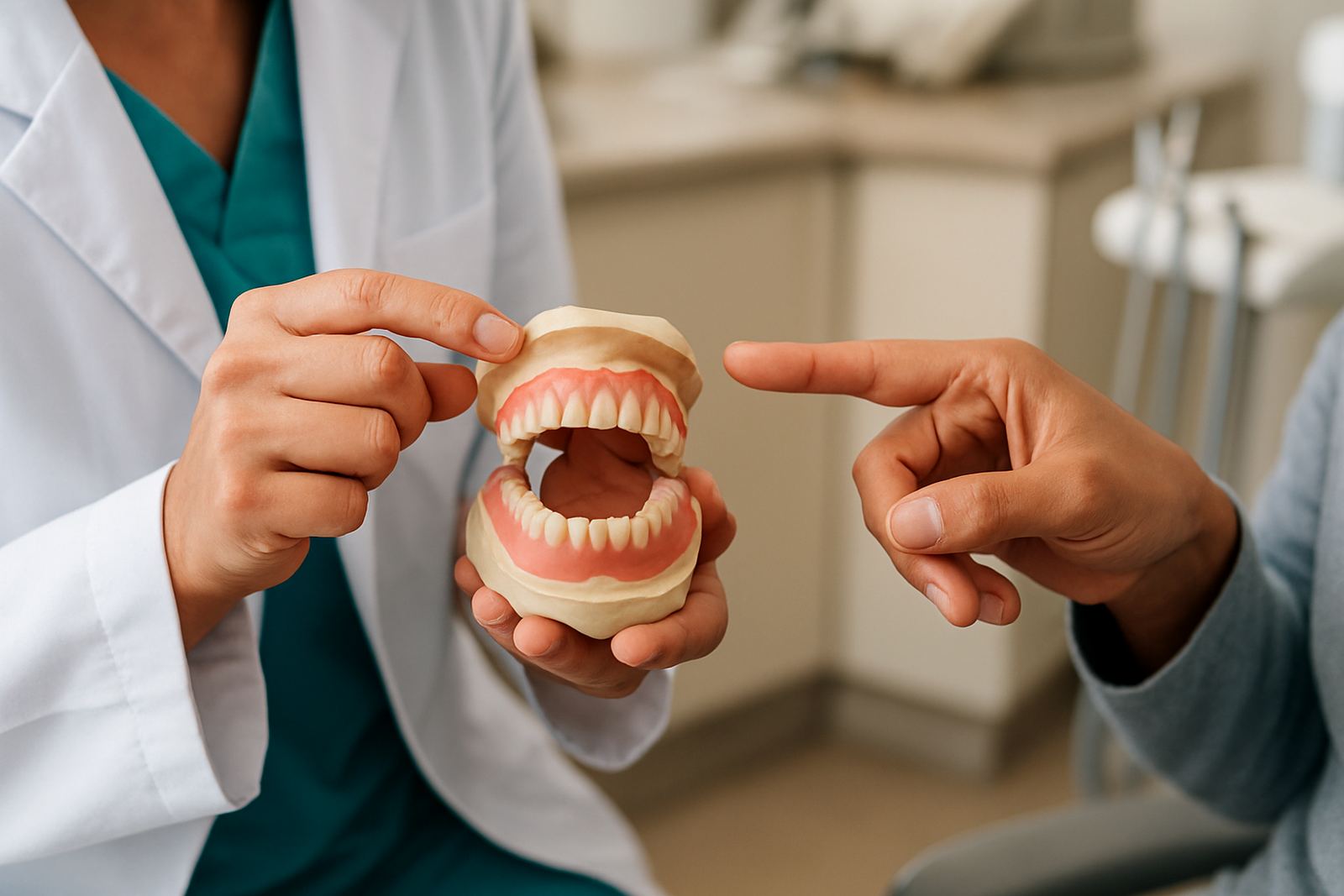
Where the chip is larger, or where there is an old filling, crack or weakened wall, a crown may be the safer option. A crown covers the visible tooth and helps protect it from splitting further. The right choice depends on how much healthy tooth is left and how much pressure the tooth carries every day.
Our team includes Dr Ayesha Khan for cosmetic work, Dr Pieter van der Merwe for implant-related planning when a tooth is too damaged to save, and Dr Nandi Dlamini for bite and alignment checks when chipped teeth are linked to crowding or a bad contact. Dr Sibusiso Mthembu oversees the treatment plan with the patient’s long term comfort in mind.
- Bonding for small to medium chips with enough healthy enamel
- Veneers for front teeth needing a refined cosmetic result
- Crowns for larger fractures or teeth with weaker structure
- Sedation options for anxious patients or longer appointments
Typical equipment and treatment flow in a modern clinic
Repairing chipped teeth properly takes more than a quick fill. The usual setup includes digital imaging, magnification for edge detail, shade guides, polishing tools, bonding agents, curing lights and finishing discs. When a crown or veneer is planned, impressions or digital scans are taken so the final piece fits the bite accurately. If a temporary cover is needed, it should protect the tooth without changing how the jaw closes.
In practice, good workflow keeps the appointment calm and efficient. The tooth is cleaned, the edges are prepared, colour is matched and the material is built in layers for a natural finish. A final bite check matters. A chip repair that looks fine but hits too early will wear down fast. The dentist also checks whether the adjacent teeth need smoothing or if the chip came from clenching, which may need follow-up care. That part is easy to overlook and then the same tooth chips again.
For patients who commute from Sandton offices or nearby suburbs, aftercare follow-ups can be arranged so the repair is checked once the bite has settled. A small adjustment at the right time often saves the tooth later.
Common mistakes that make chipped teeth worse
The biggest mistake is leaving the tooth exposed and carrying on as normal. Hard foods, nail biting, opening packaging with the teeth and grinding at night can turn a small chip into a larger fracture. Another common issue is using a cosmetic fix without checking the bite. If the repair is slightly too high, it can chip again within weeks.
Patients also sometimes wait because the tooth is not painful. Pain is not the only sign of damage. A sharp edge, a change in colour, or food catching in the same spot can all point to a deeper problem. If a chip happens after trauma, even if the tooth looks stable, the nerve may need monitoring. We often advise patients to keep the broken piece if possible and bring it in a clean container, it can sometimes help with matching.
- Do not chew ice, pens or hard sweets on the chipped side
- Do not ignore sensitivity to cold or pressure
- Do not delay if the chip is near the gumline
- Do not assume a front tooth chip is only cosmetic
Budget ranges in Rand and what affects the quote
Costs depend on the size of the chip, the tooth involved, and whether the repair is direct or indirect. A small bonding repair is usually the most affordable option. Veneers and crowns cost more because they involve more planning, more chair time and laboratory work in many cases. If X-rays, sedation or follow-up visits are needed, that also affects the final amount.
As a broad guide, minor bonding for a chipped tooth may start from about R1,200 to R2,500 per tooth. Veneers can range from about R5,500 to R10,000 or more per tooth depending on the material and complexity. Crowns often fall between R6,500 and R12,500 per tooth. If there is nerve involvement, root canal treatment or replacement planning, the budget changes again. Payment guidance is available at the practice so patients can decide with clear numbers instead of guessing.
For many people from Sandton, Bryanston, Rivonia, Morningside, Fourways and Rosebank, the best value comes from fixing the tooth once, properly. A cheap repair that breaks twice is never cheap in the end.