When crooked teeth need more than a cosmetic fix
Crooked teeth are common, but not every case is the same. Some patients have mild crowding at the front teeth, while others have rotated teeth, gaps, bite issues or jaws that do not meet properly. In Sandton and nearby areas like Bryanston, Rivonia, Morningside, Fourways and Rosebank, we often see patients who want a neater smile but also need better function for chewing and cleaning.
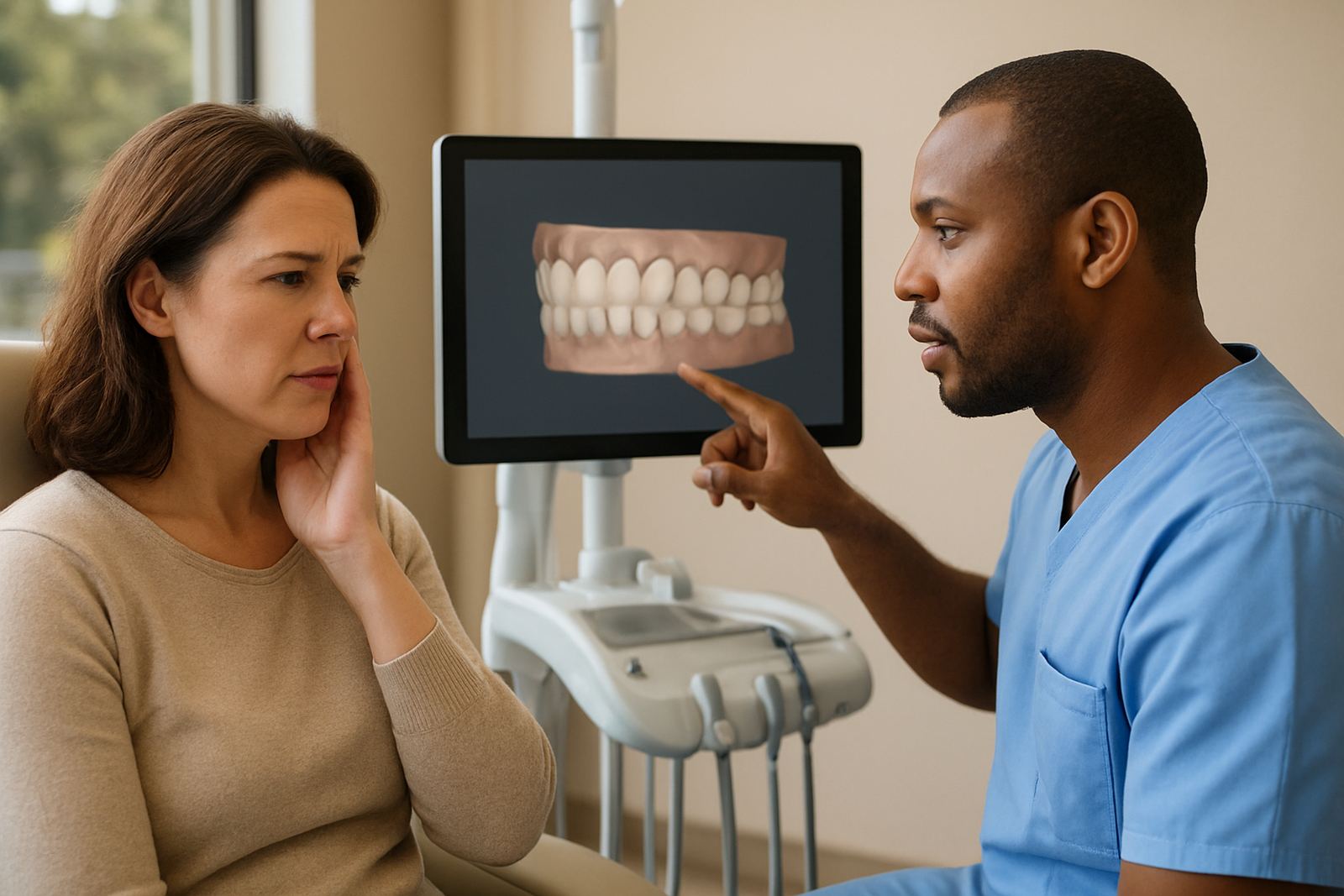
During a first consult, Dr Nandi Dlamini looks at the bite, gum health and the amount of space available. If teeth are overlapping, hard to floss, or causing wear on certain spots, orthodontic care may be worth starting sooner rather than later. It can also help reduce the risk of chipping, decay between crowded teeth and strain on the jaw. For some patients, the concern is mainly appearance. For others, the practical side matters more.
- Overlapping front teeth that trap plaque
- Twisted teeth that make cleaning difficult
- Bites that feel uneven when chewing
- Spacing that affects speech or confidence
How we assess the problem before treatment starts
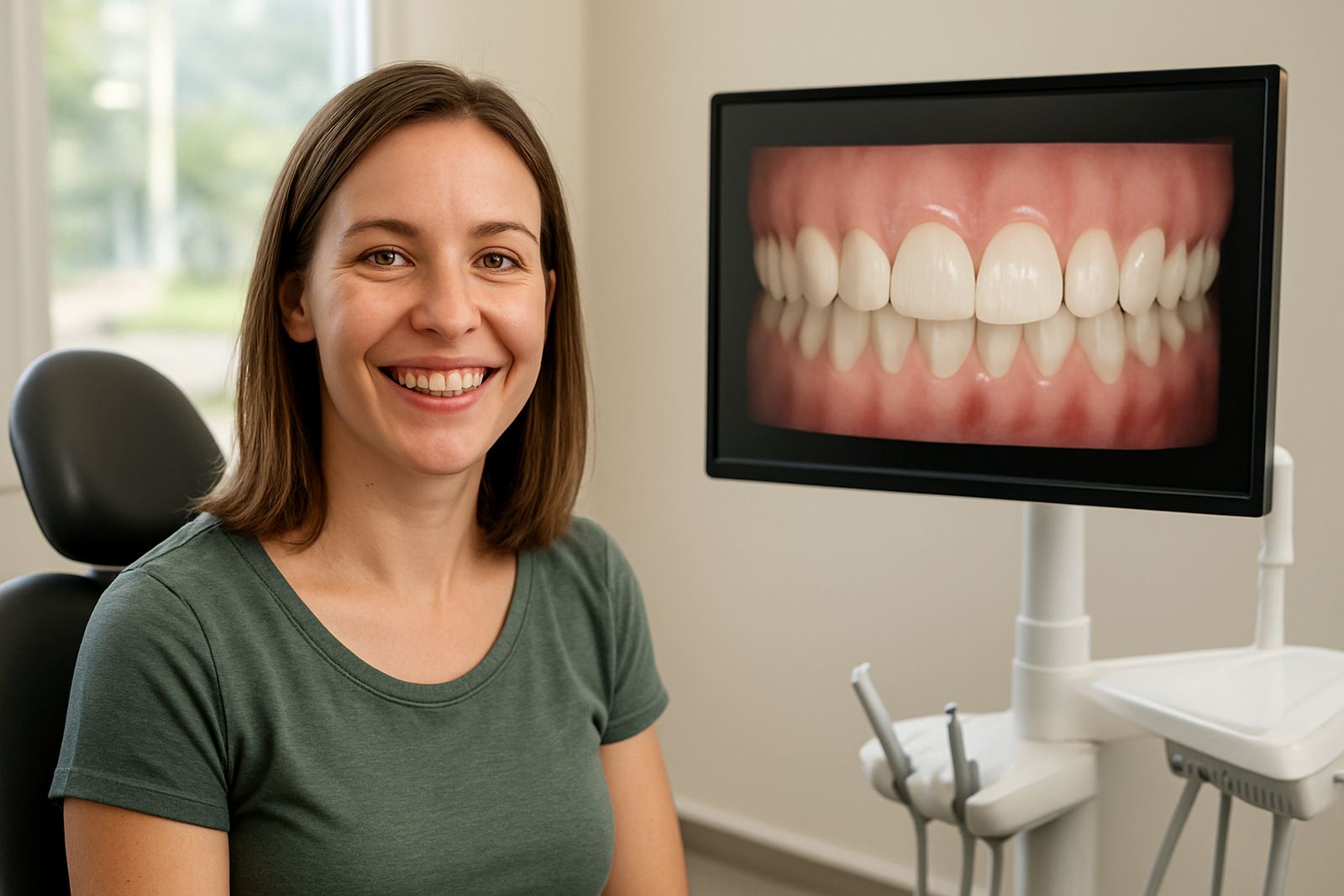
A proper plan starts with records, not guesswork. We use digital imaging, photographs and bite assessment so Dr Sibusiso Mthembu and the clinical team can map out what needs to move and what should stay put. That matters because two people can both say they have crooked teeth, but one may need short cosmetic alignment while another needs longer orthodontic correction with bite changes.
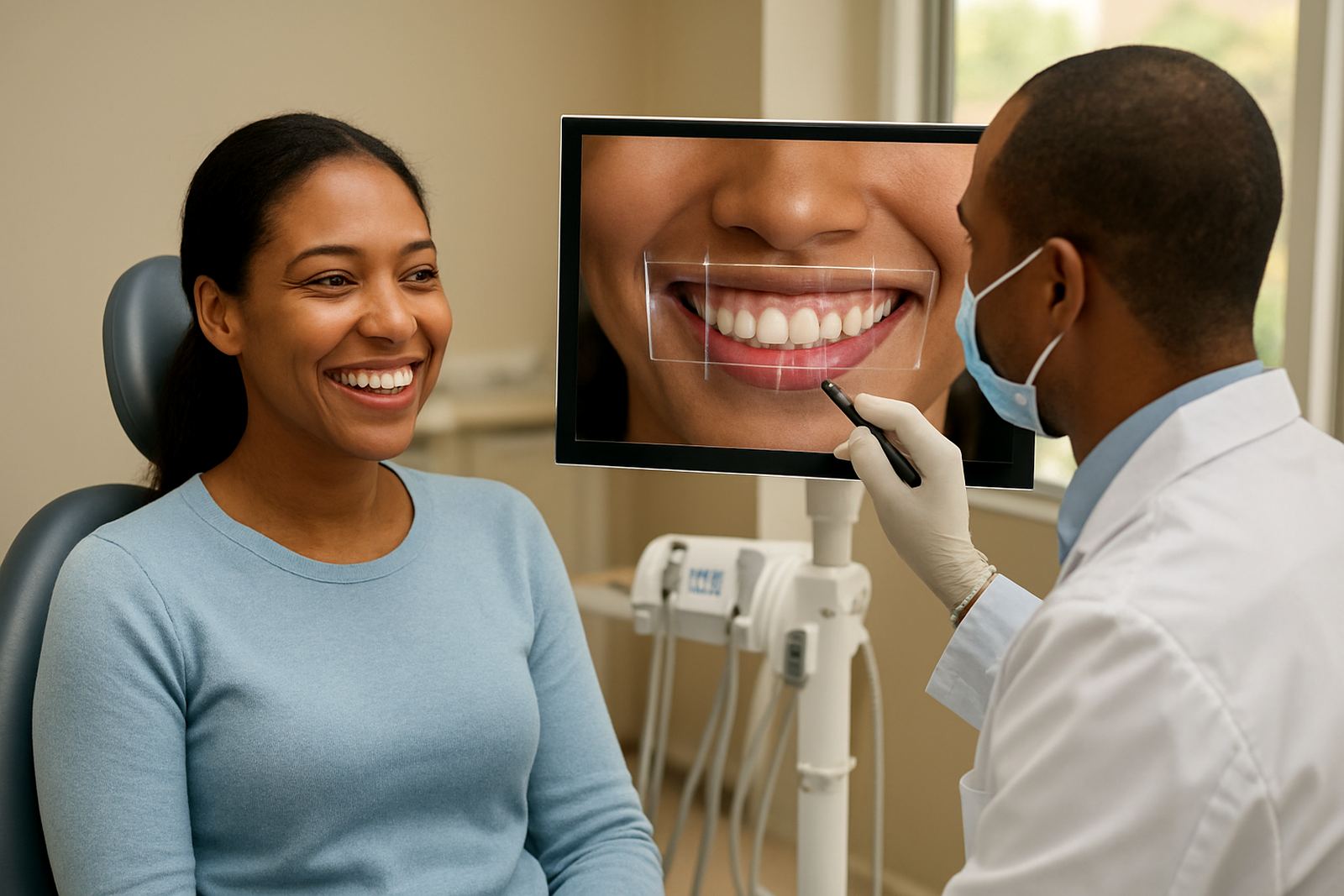
Our digital smile design process helps show how the teeth sit in relation to the lips and face. Thabo Nkosi coordinates the imaging so measurements are clear and records are easy to compare as treatment progresses. For patients from busy office areas, this also makes planning simpler because visits can be spaced properly and adjusted around work or school.
- Digital scans or detailed records instead of messy impressions where possible
- Photos of the teeth from several angles
- Bite check for crowding, crossbite or overbite
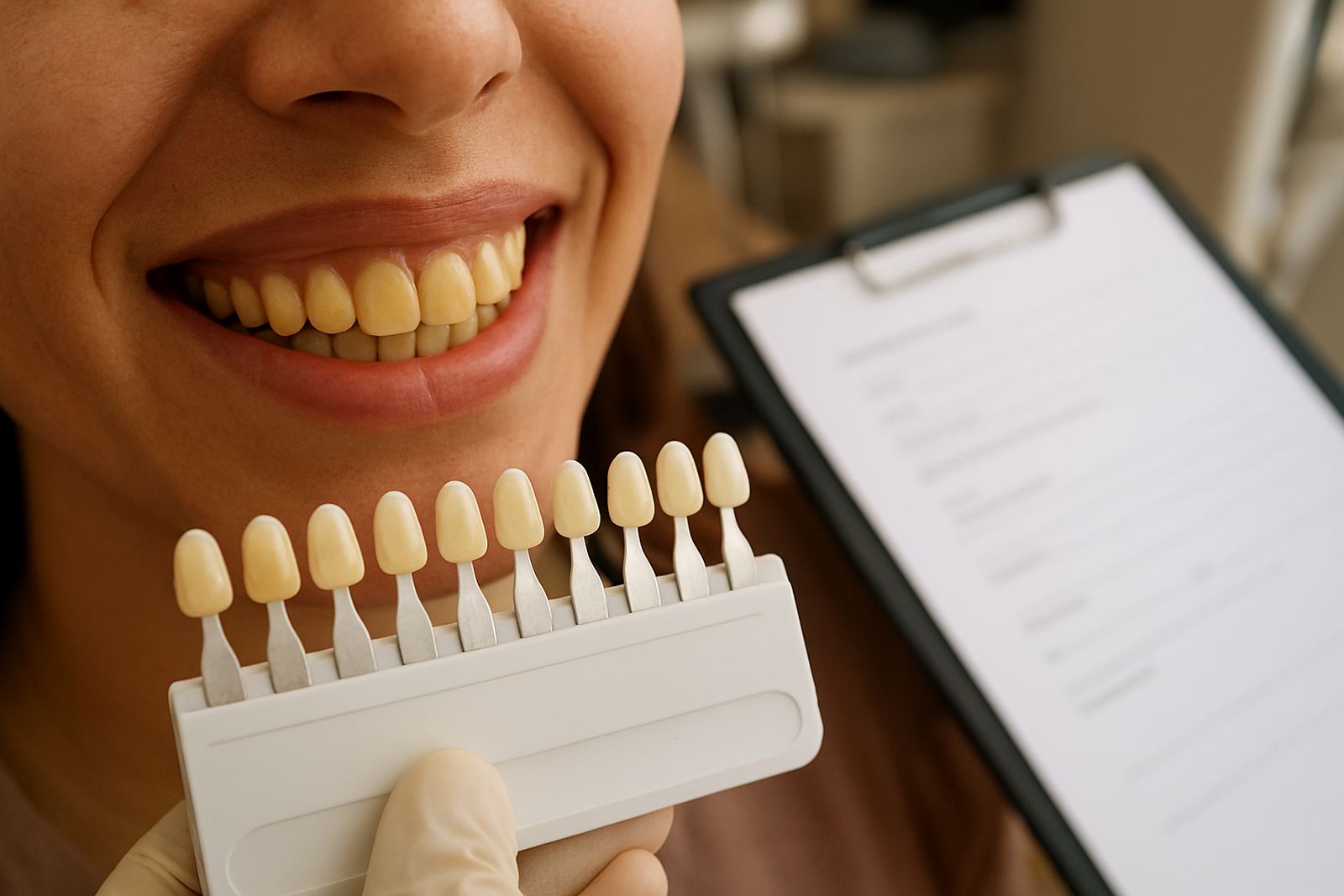
- Gum and enamel review before appliances are fitted
Typical treatment options for crooked teeth
The right equipment depends on the size of the movement needed. Small corrections may be handled with clear aligners, while more complex cases may suit fixed braces. In some treatment plans, a combination of approaches is used, especially if teeth need to be guided into a better position before final detailing. Dr Ayesha Khan and Dr Nandi Dlamini work closely on cases where aesthetics and alignment both matter.
Typical equipment set includes digital scanners, orthodontic brackets and wires, clear aligner trays, attachments for aligner control, retention appliances and polishing tools for monitoring enamel around the braces. For adult patients, comfort and appearance often play a big role. For teens, compliance matters just as much because missed appointments or broken appliances can stretch the timeline. The best option depends on the crowding, the bite and how visible you want the treatment to be.
- Clear aligners for mild to moderate crowding
- Fixed braces for more complex tooth movement
- Retainers after active treatment to keep teeth in place
- Occasional polishing and cleaning support during treatment
How the treatment room and plan should be set up
Good orthodontic care needs a calm room, clear records and a schedule that allows time for adjustments. In a Sandton practice, we plan around load-shedding, traffic and the fact that many patients are coming from offices, schools or family commitments. A practical layout also means having enough space for digital imaging, consultation and follow-up checks without rushing the appointment.
For home care, patients need a simple routine. Brushing around brackets or aligner attachments takes a bit longer and the tools need to be kept clean. If you live near the coast or keep appliances in a humid bathroom, store them in a dry case and rinse them properly. We also give aftercare follow-ups so the treatment stays on track and small issues are caught early.
- Book records and consults before braces or aligners are fitted
- Allow time for emergency visits if a wire comes loose or an aligner cracks
- Keep cleaning tools and retainers in a dry, covered place
- Plan appointments around school terms, travel and work travel
Common mistakes that slow orthodontic progress
One of the biggest mistakes is waiting too long because the teeth are seen as only a cosmetic issue. Crowding can worsen over time and cleaning becomes harder, which can lead to decay or gum irritation. Another common problem is starting treatment without checking gum health first. If the teeth are moved before inflammation is controlled, the result can be less predictable.
Patients also sometimes expect a very quick fix. Orthodontic movement takes time, and skipping check-ups can mean wires are not adjusted when they should be. With clear aligners, not wearing them for the recommended number of hours can set progress back. If you break an attachment or lose a tray, let the practice know early rather than trying to carry on as normal.
- Ignoring bite issues and only focusing on front teeth
- Skipping flossing because the appliances make it slower
- Missing follow-up visits for wire or tray adjustments
- Removing aligners too often during the day
Budget ranges for crooked teeth treatment in Rand
Costs depend on the level of correction, the appliance type and how long treatment runs. A simple cosmetic alignment plan will usually sit lower than a full bite correction with fixed braces and retention. For patients in Sandton and surrounding suburbs, it helps to think in stages so the budget is easier to manage. We also offer payment guidance so you can plan around monthly cash flow rather than trying to pay everything at once.
As a practical guide, initial orthodontic assessments may start from about R650 to R1 200. Clear aligner treatment for mild to moderate cases can range from around R18 000 to R45 000, while fixed braces may fall between R16 000 and R40 000 depending on complexity. More involved treatment, especially if bite correction and longer retention are needed, can go higher. Follow-up, retainers and aftercare should be included in the overall plan so there are no surprises later.
- Assessment and records: from about R650 to R1 200
- Mild cosmetic alignment: from about R12 000 to R22 000
- Clear aligners: from about R18 000 to R45 000
- Fixed braces and retention: from about R16 000 to R40 000 plus retainers
Why local patients choose our Sandton clinic
Techno-Dent Clinic has been serving patients since 2009, and our team understands that families and working adults want treatment that fits real life. Dr Sibusiso Mthembu leads the practice with support from a coordinated team that includes digital imaging, cosmetic and orthodontic care. That means your plan is not handled in pieces by different people who do not talk to each other.
We welcome new patient consults, emergency dentistry, family visits, preventive care and orthodontic assessments at our Sandton base. Patients come to us from Bryanston, Rivonia, Morningside, Fourways and Rosebank because they want clear advice and regular follow-up. If you are worried about crooked teeth, the most useful next step is a proper exam and a plan you can actually follow.