When a gummy smile becomes a concern
A gummy smile is usually noticed when too much upper gum shows during speaking, smiling or laughing. In practice, the issue is not just the amount of gum visible, but why it is showing. Some patients have extra gum coverage over the teeth, some have short-looking teeth from wear or eruption patterns, and others have an upper lip that lifts high when smiling. A proper assessment helps avoid guessing at the fix.
Patients come to us from Sandton, Bryanston, Rivonia, Morningside, Fourways and Rosebank when they want their smile to look more balanced in photos and day to day life. We also see people preparing for weddings, work presentations or simply wanting to feel less self-conscious. The aim is not to remove all gum display, but to bring it into a natural range that suits the face.
- Common signs include upper teeth that look short, a high smile line, or uneven gum levels.
- Some cases are caused by tooth position, some by jaw relationship, and some by lip movement.
- A full assessment is needed before any contouring, orthodontic care or cosmetic planning.
How we assess tooth to gum balance
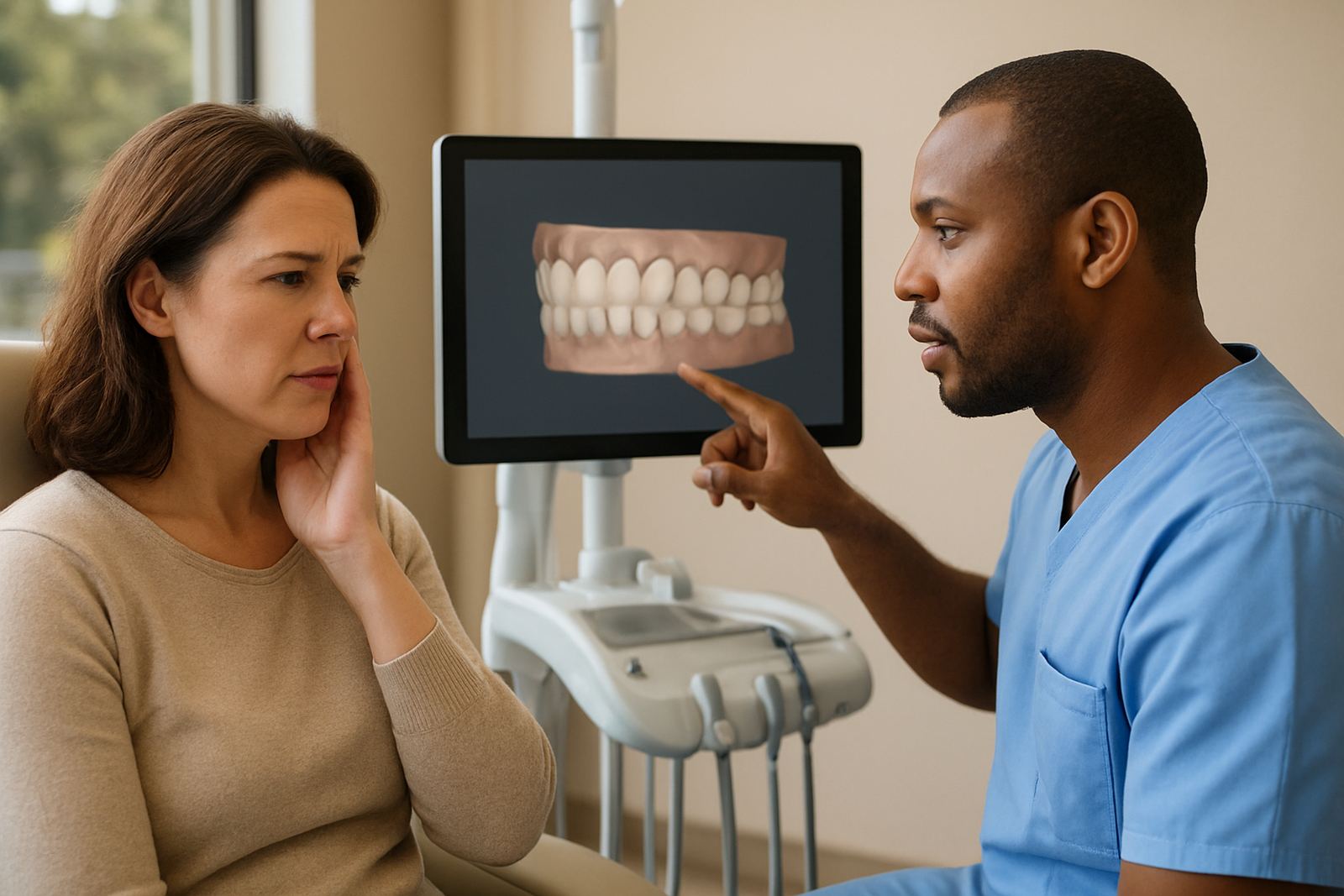
We start with a clinical exam, photographs and digital imaging so we can measure the smile line, gum display and tooth proportions accurately. Dr Sibusiso Mthembu and the team may use intraoral scanning, digital smile planning and x-rays to see whether the teeth are fully erupted, whether the gums need reshaping, or whether orthodontic movement will give a better result. This matters because treating only the visible gum can miss the real cause.
In Sandton, many patients want a plan that fits into work hours and avoids repeat visits where possible. That is why we map the treatment sequence clearly from the start. If the gums are healthy and the teeth are already well positioned, a small contouring procedure may be enough. If the front teeth are tipped or too low in the arch, orthodontic movement can improve the balance before any cosmetic work is done. For more complex cases, we may combine options so the result is measured, not rushed.
- Digital photos help compare the upper lip line at rest and while smiling.
- Scans and x-rays show tooth length, gum levels and bone support.
- The plan may include gum contouring, orthodontic alignment, whitening or cosmetic reshaping.
Treatment options that can be combined
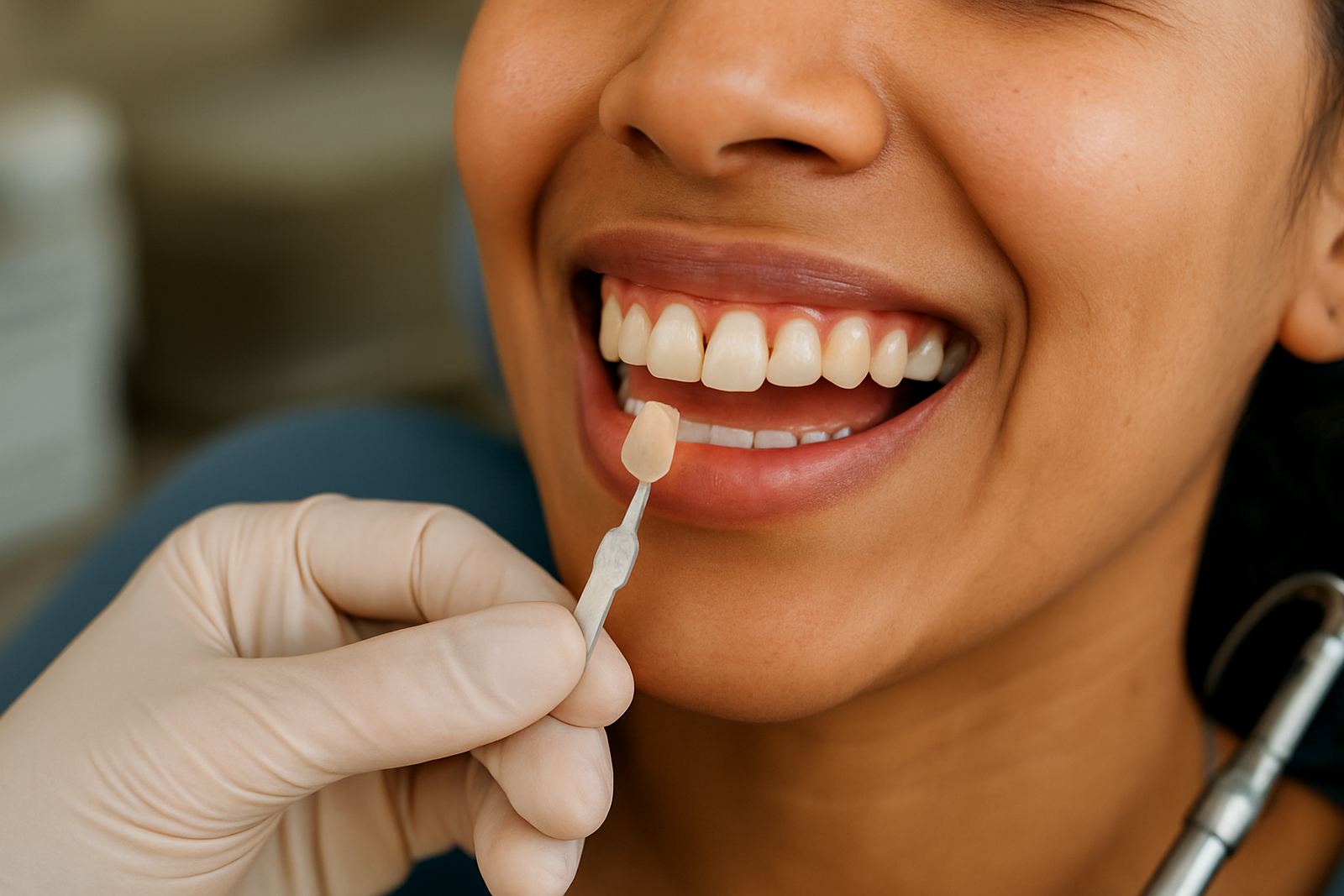
Gummy smile treatment is often a mix of methods rather than one single procedure. Gum contouring can be used where excess gum tissue covers too much of the tooth surface. Orthodontics may be used when the teeth sit too low, tilt backwards or need better vertical positioning. Cosmetic planning can then refine colour, shape and symmetry once the tooth position is corrected. In some cases, a small amount of botulinum-based muscle management may be discussed for patients whose upper lip lifts strongly, though this is only suitable for selected situations and not every case.
Our team includes Dr Ayesha Khan for cosmetic planning, Dr Nandi Dlamini for orthodontic assessments and Dr Pieter van der Merwe for cases where implants or previous dental work affect the final smile line. That mix is useful when the issue is not only gums but the overall front tooth arrangement. We also provide sedation options for anxious patients, and aftercare follow ups so healing and comfort are tracked properly.
- Gum contouring suits healthy gums with excess coverage over the teeth.
- Orthodontic treatment can improve the position of the front teeth and bite.
- Cosmetic planning helps if tooth size, colour or edge shape also need attention.
- Sedation may be considered for patients who are nervous or have a low pain threshold.
Typical equipment used in planning and treatment
Our digital workflow matters because small changes in a gummy smile are easy to overdo. We use equipment that helps us measure, plan and check every stage before treatment begins. In a well planned case, that reduces trial and error and helps the outcome look natural rather than overtreated. We keep the setup practical for patients who need clear information and predictable timing, especially where appointments need to work around traffic, school runs and business schedules.
The usual setup includes digital scanners, clinical photography, x-ray imaging, magnification for precise contouring and instruments for careful gum reshaping where required. For orthodontic cases, treatment may involve fixed appliances or clear aligner style systems depending on the bite and the level of movement needed. If a patient has existing crowns, missing teeth or older fillings, we check how those will affect the final line of the smile before any work starts. A small mistake here can make the smile look uneven later on, so planning is not optional.
- Digital scans and photos for smile analysis
- X-rays to check roots, bone and gum support
- Magnified clinical instruments for contouring
- Orthodontic records for alignment planning
What patients often get wrong
One common mistake is asking for the gums to be reduced without checking whether the teeth are actually too short or just sitting too low. Another is expecting one quick procedure to solve a case that really needs orthodontic movement first. Some patients also focus on the front two teeth only, but the side teeth and gum line must match or the result can look uneven in photos. If you are already spending money, it is worth getting the sequence right the first time.
We also see people trying to compare their smile to someone else's on social media. That can lead to unrealistic expectations, because lip shape, tooth size and gum show vary from person to person. The aim is a balanced smile that suits your face and age, not a copied look. A good plan should explain what can be changed, what cannot be changed, and how long healing or movement will take.
- Do not trim gum tissue before knowing why the smile looks gummy.
- Do not assume orthodontics is unnecessary if the front teeth are poorly positioned.
- Do not skip gum health checks, especially if there is bleeding or swelling.
Budget ranges and what affects the cost
Costs depend on the cause of the gummy smile and the treatment path chosen. A simple assessment and plan may start from about R850 to R1,500, while gum contouring can range from roughly R3,500 to R9,500 depending on how many teeth are involved and whether healing visits are needed. Orthodontic treatment is usually a larger investment, often from around R18,000 to R65,000 or more, depending on complexity and duration. If cosmetic work is added later, the total will rise accordingly.
For patients from Sandton and nearby areas, we discuss payment guidance early so there are no surprises. The final quote depends on whether the case needs one visit, several visits, imaging, orthodontic records, sedation, or combined treatment with aftercare. Where possible, we split care into stages so the spend is manageable. A plan with clear steps is usually better value than trying to fix everything at once and having to redo it later.
- Assessment and planning: about R850 to R1,500
- Gum contouring: about R3,500 to R9,500
- Orthodontic treatment: about R18,000 to R65,000 plus
- Combined cosmetic planning can increase the total cost
Aftercare for long lasting results
After treatment, healing and maintenance matter. If gum contouring was done, patients usually need careful brushing, short-term soft eating and a review visit to confirm the tissue is settling well. If orthodontics was part of the plan, the final balance only holds if retainers are worn as advised. Skipping follow up appointments can undo a lot of the improvement, which is frustrating after you have already paid for it.
We support patients from the Sandton base and surrounding suburbs with aftercare follow ups, emergency dentistry if needed and preventive care to keep gums healthy. If you have bleeding gums, sensitivity or an old filling line that affects the smile, it is better to address that early. A good result should still look good after load-shedding delays, busy weeks and ordinary South African life, not only on the day treatment ends.
- Keep gums clean and attend review visits on time.
- Wear retainers if orthodontic treatment was part of the plan.
- Report swelling, pain or bleeding early rather than waiting.