
When teeth are worn, chipped or flattened
Worn teeth often show up as shorter front teeth, flattened biting edges, sensitivity to cold, or a bite that feels different in the morning. Some patients notice jaw tightness from night grinding, while others have wear from acidic drinks, reflux, or years of heavy chewing and clenching. In Sandton and the surrounding areas, we see many professionals who put off treatment until the teeth start looking uneven or the gums begin to show more tooth than before.
At Techno-Dent Clinic, Dr Sibusiso Mthembu and the team look at the cause first, not just the surface wear. That matters because a filling or veneer can fail if the grind, acid exposure or bite load is not controlled. We also check whether the wear is localised to one area or spread across several teeth, since that changes the whole plan.
- Grinding and clenching, often worse at night
- Acid wear from reflux, sport drinks or frequent citrus use
- Age related wear from years of normal function
- Broken edges from biting hard foods or packet habits
What the first visit usually includes
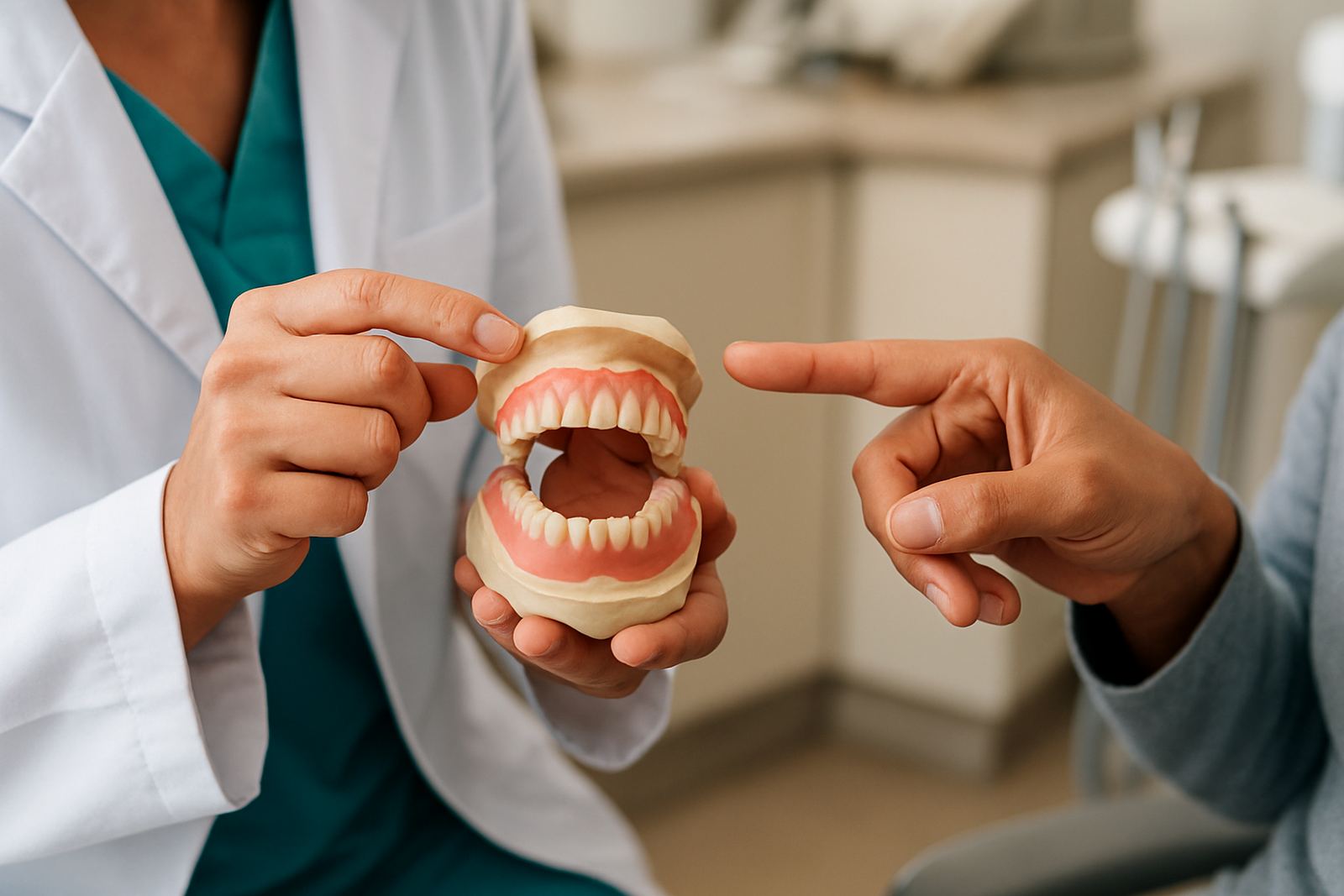
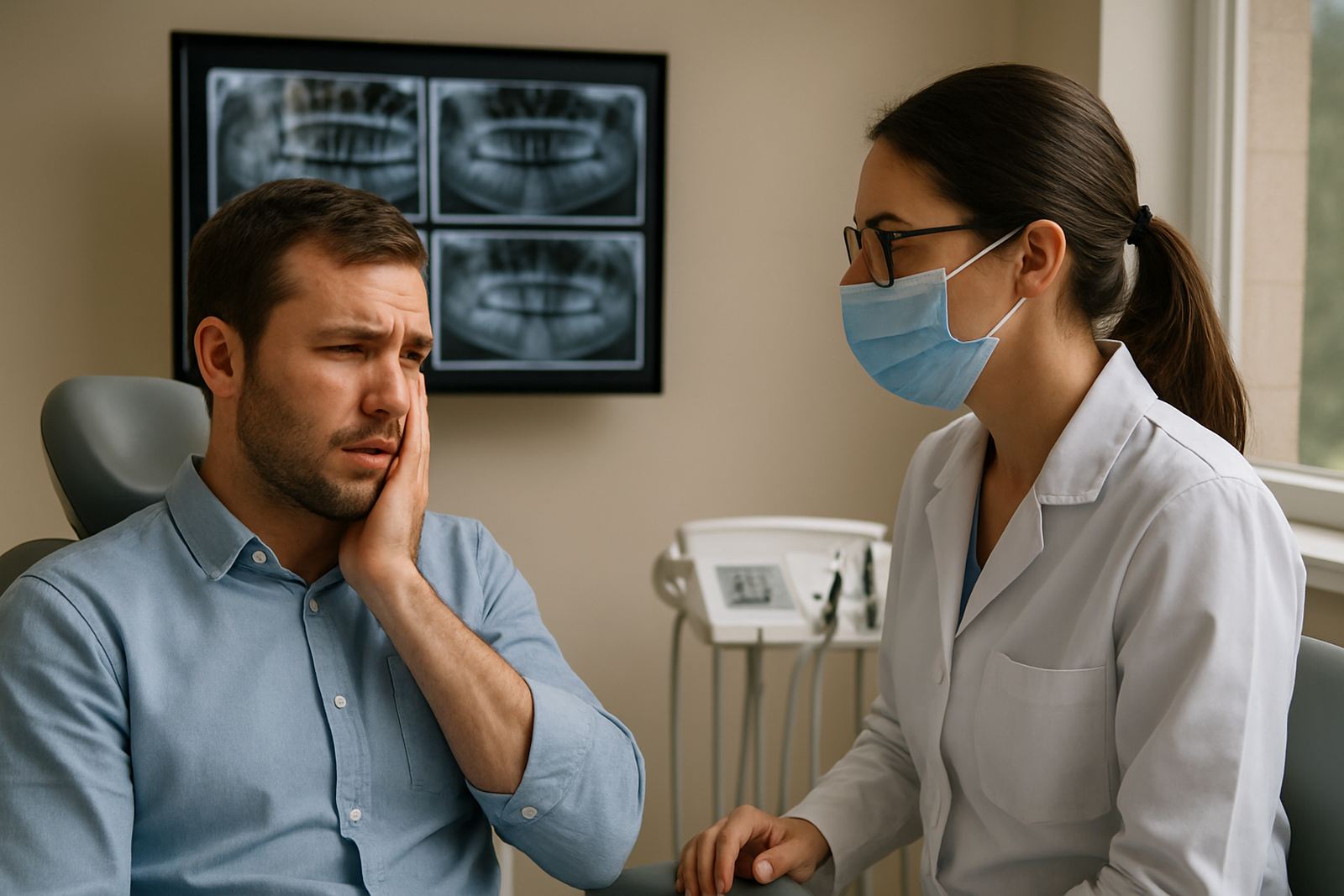
Your first appointment is usually a new patient consult, with photos, bite checks and digital imaging so the team can see how much structure is left and where the load is going. Dr Ayesha Khan often leads the cosmetic side, while Dr Pieter van der Merwe may be involved if worn teeth need implant planning or support for missing back teeth. If the bite is unstable, Dr Nandi Dlamini will assess whether orthodontic movement is needed before final shaping or rebuilding.
We explain the options in plain terms and give you payment guidance before treatment starts. For some patients, a simple protective appliance and a few conservative repairs are enough. For others, especially where several teeth have worn down unevenly, the plan may include build ups, crowns, replacement of old work or aligner based bite correction. The aim is to restore function without taking away more enamel than needed.
- Digital photos and bite records
- Assessment of enamel loss, cracks and old fillings
- Discussion of sensitivity, jaw strain and cosmetic goals
- Clear treatment sequence and timing
Typical equipment used for worn teeth planning
Worn teeth treatment relies on careful planning equipment rather than guesswork. At our Sandton base, the team uses digital imaging, intraoral scanning for accurate records, and bite analysis tools to study how the teeth meet. This helps with smile design, planning build ups and checking space for crowns or aligners. Where sedation options are suitable, they are discussed for nervous patients or longer appointments.
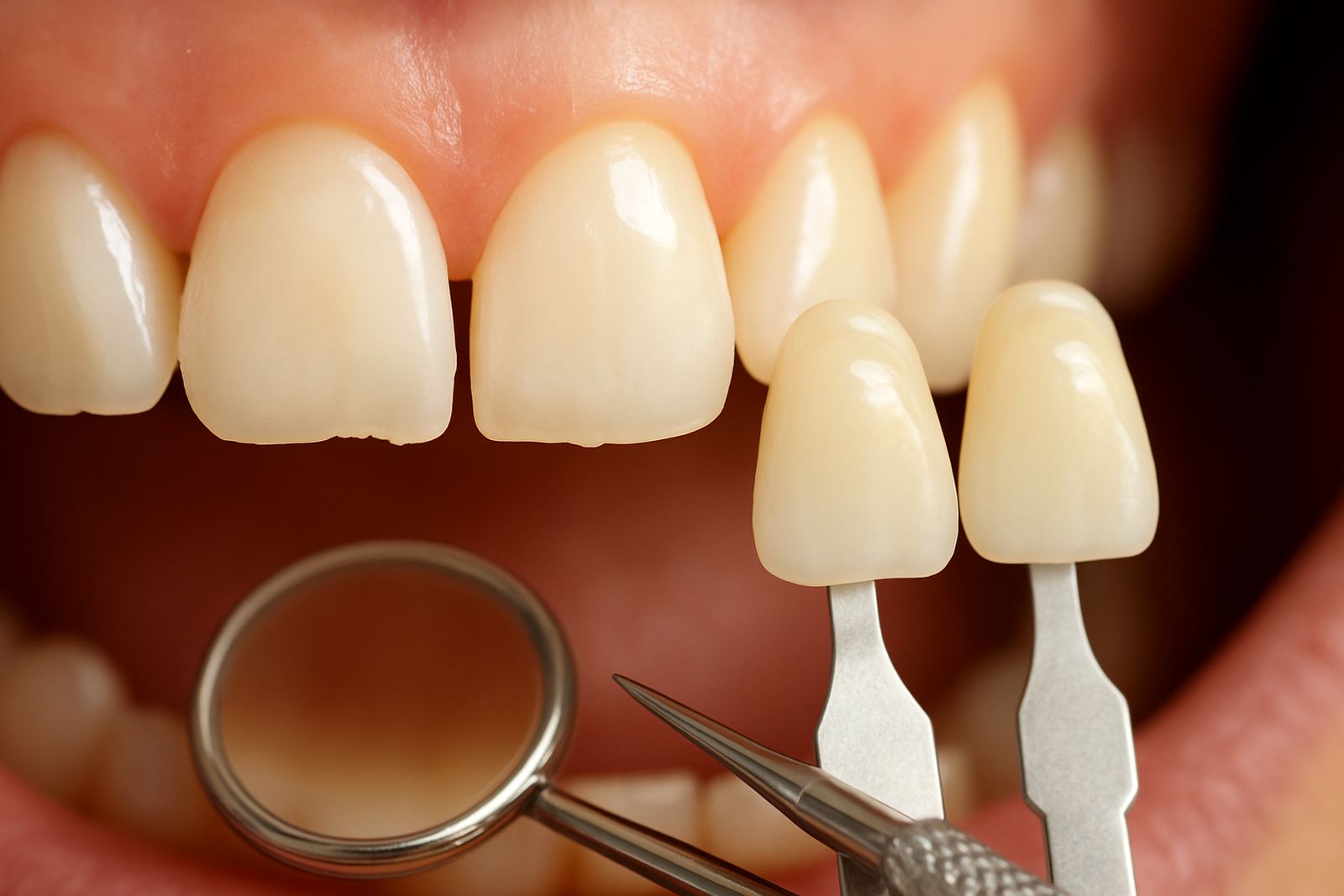
For restoration, the equipment set may include shade matching tools, precision hand instruments, adhesive systems, and laboratory communication for crowns, onlays and veneers. If a patient needs aftercare follow ups, we also track the bite over time to make sure the new surfaces are not wearing away too quickly. That part is easy to overlook, but it saves repeat repairs later on.
- Digital imaging and intraoral scanning
- Shade selection and smile design records
- Bite analysis and wear mapping
- Adhesive and restorative equipment for conservative repair
How the treatment plan is laid out
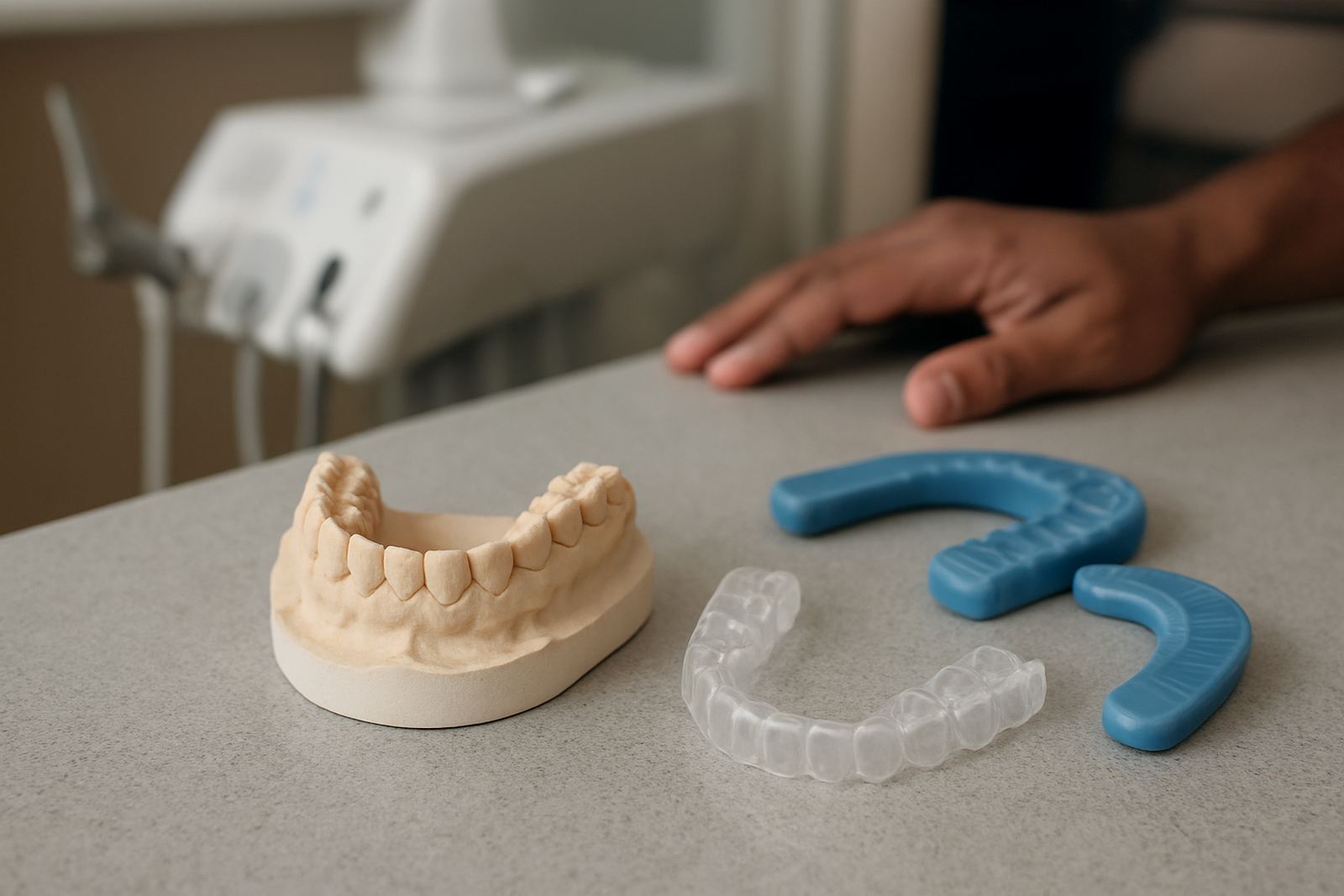
A good worn teeth plan starts with stabilising the cause. If you grind, a night guard or other protective appliance may be part of the first step. If acid wear is active, we may suggest referral back to your medical practitioner and changes to timing around food and drinks. Where back teeth are missing, implant planning can help spread the load better so the front teeth are not doing all the work.
Once the bite is steadier, the visible wear can be rebuilt in stages. Small areas may need composite bonding or local repairs. More advanced wear can call for crowns, onlays, veneers or a mixed approach. In some cases, orthodontic assessment helps create the space needed before final restorations. The order matters, because rebuilding too soon can leave the new work too tall or too thin.
- Stabilise grind, acid or bite issues first
- Repair in stages where possible
- Protect the new work with a night guard if needed
- Plan follow up checks after 3 to 6 months
Common mistakes patients make with worn teeth
One common mistake is waiting until teeth become painful. By then, there may be less enamel left and the repair becomes more involved, with higher cost. Another mistake is treating only the front teeth while the back teeth remain unstable, which puts fresh pressure on the new work. We also see patients who keep using whitening strips or abrasive toothpastes on worn surfaces, which can worsen sensitivity and make the teeth look patchy.
People sometimes assume one treatment fits all. It does not. A patient in Bryanston with mild edge wear may only need monitoring and small bonding repairs, while someone in Rosebank with severe acid erosion may need a full bite rebuild and long term protective care. The right approach depends on the cause, not just the appearance.
- Waiting until the teeth are already painful
- Skipping back tooth support when the bite is collapsing
- Using abrasive products on thin enamel
- Choosing cosmetic work before the cause is controlled
Budget ranges in Rand for worn tooth treatment
Costs depend on how many teeth are affected, how much structure is left, and whether the plan needs protection, cosmetic rebuilding or implant support. A first consult and assessment usually starts from a modest entry point, while more advanced bite rehabilitation costs more because it involves records, planning and several appointments. We keep payment guidance practical so patients can spread treatment where needed.
As a broad guide, minor bonding or edge repairs may fall into a lower range, while crowns, multiple veneers or full smile reconstruction move higher. If implants or orthodontic steps are needed, the total rises further. For many Sandton patients, the sensible approach is to start with diagnosis, protect the teeth, then phase the work in line with budget. That way you are not paying for redo work later on.
- Assessment and planning: from about R900 to R2 500
- Minor bonding or local repairs: from about R1 500 to R4 500 per tooth
- Crowns, veneers or larger restorations: from about R7 500 to R15 000 per tooth
- Protective appliances or night guards: from about R2 000 to R6 000