
When a Missing Tooth Becomes a Bigger Problem
A gap in the smile is not only cosmetic. When a tooth is lost, the teeth next to it can drift, the opposing tooth may over-erupt, and the gum and bone in that area can start to shrink. In practical terms, that can lead to uneven wear, food trapping and a bite that feels different on one side. For patients in Sandton, Bryanston, Rivonia, Morningside, Fourways and Rosebank, we often see people wait too long because the space is not painful. By the time they come in, the planning needs are a bit bigger.
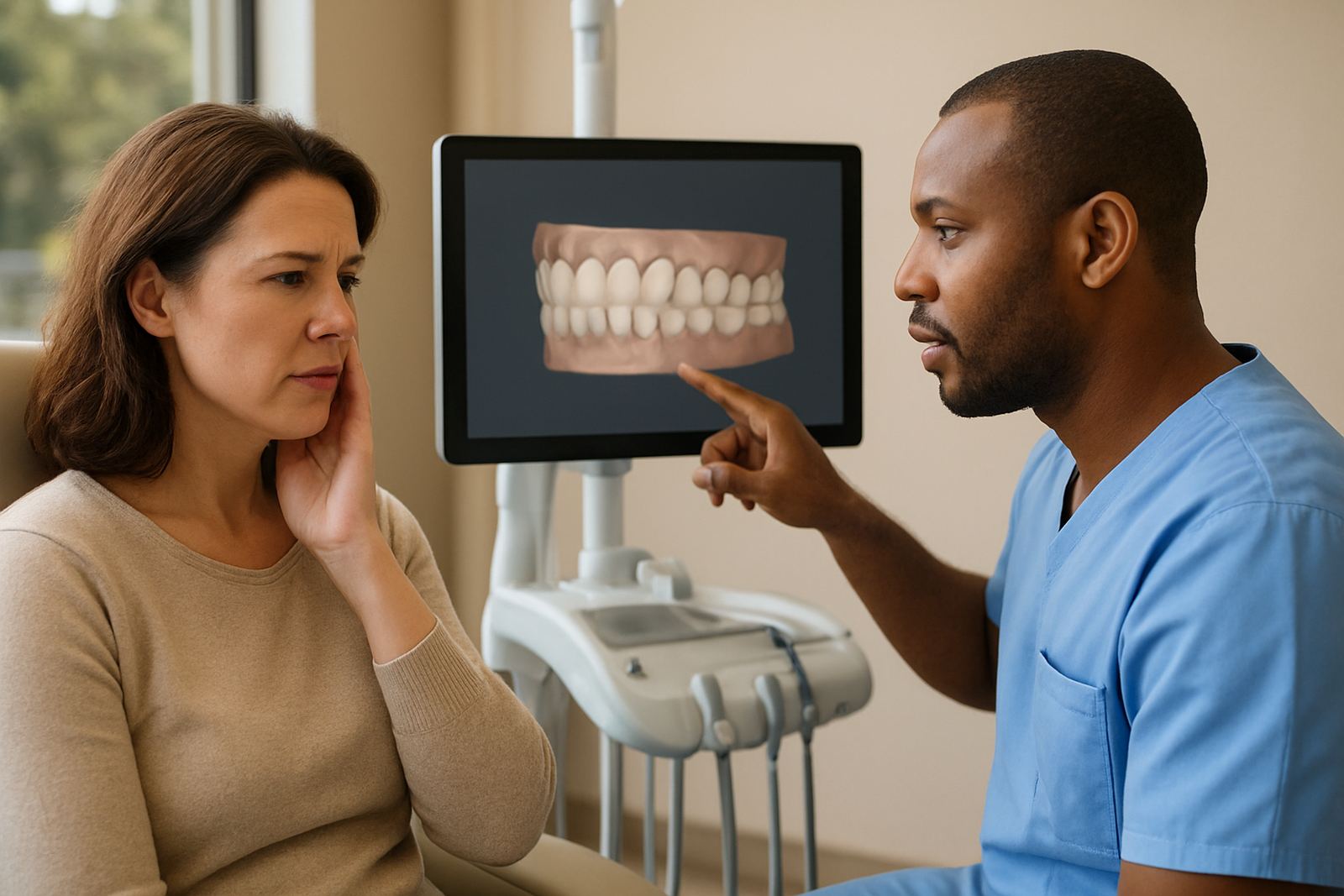
Missing teeth treatment starts with a proper examination, digital imaging where needed, and a discussion about how many teeth are missing, where they are, and whether the surrounding teeth and gums are healthy enough to support a bridge or implant. If there is infection, heavy gum disease or a fractured root left behind, that has to be dealt with first. The right solution depends on function, not just appearance.
Implants, Bridges or Dentures: What Usually Fits the Case
For a single missing tooth, an implant is often the closest match to a natural tooth because it replaces the root as well as the crown. For two or more missing teeth, implants may still be suitable, but sometimes a bridge or partial denture is the more practical choice, especially when the bite needs to be restored quickly or the budget is tighter. We look at bone levels, gum condition, neighbouring teeth and whether the patient wants a fixed result or a removable option.
Typical equipment used in planning can include digital X-rays, intra-oral scanning, bite analysis and implant planning software. In some cases we also use a surgical guide for more accurate placement. That helps keep treatment predictable, especially where space is limited or the missing tooth area sits close to a nerve or sinus.
- Single tooth: implant or a three-unit bridge depending on the teeth on either side
- Multiple teeth in a row: implant supported bridge or partial denture
- Several gaps in different areas: mixed plan with implants in the high-load zones and dentures for the rest
- Full arch loss: complete denture or implant retained option, depending on bone and budget
What the Appointment Sequence Normally Looks Like
Patients often want to know how long the process takes. A simple bridge can move faster, while implant treatment usually needs healing time between stages. We begin with a consult, then confirm the condition of the tooth positions, gums and bone. If a tooth must be removed, we discuss whether immediate placement is suitable or whether the site should heal first. For implant cases, there may be a planning scan and a review of the bite so the final tooth does not catch when you chew.
The layout of your treatment matters. If you are missing a front tooth, the shape and colour need careful planning so it blends in. If the missing tooth is at the back, strength and access for cleaning are usually the bigger concern. A small mistake in planning can leave a crown too bulky or a denture that rocks when you speak. That is why aftercare visits are not optional, they help with the fit and comfort as you adjust.
Common Mistakes Patients Make Before Treatment
People often wait until the gap has caused visible movement or until the neighbouring tooth starts aching. Another common mistake is choosing the cheapest option without asking how long it should last, what maintenance it needs, or whether it can be repaired later. Some patients also underestimate the effect of smoking, uncontrolled diabetes, dry mouth or poor gum health on healing. If the gums are inflamed, an implant may be delayed and a denture may need relining sooner than expected.
We also see patients arrive with the idea that one treatment fits every case. It does not. A bridge may be perfect if the adjacent teeth already need crowns, but it is not the right answer when those teeth are healthy and should be left alone. Likewise, a removable denture can be a sensible interim plan, but it must be designed so it does not overload the remaining teeth.
- Do not delay assessment just because the gap is not painful
- Do not ignore gum disease before starting replacement work
- Do not assume an implant is always the best value choice
- Do not buy a one-size-fits-all partial denture without a proper bite check
Budget Ranges in Rand for Common Missing Tooth Plans
Costs vary with the number of teeth involved, whether extractions are needed, and how much planning the case requires. A straightforward consultation for missing teeth planning is often the first step, and then we break the treatment into stages so you know what is due when. For many patients, this is easier to manage than paying everything at once, especially if they are fitting treatment around school fees, transport, or load-shedding related work schedules that already squeeze the month.
As a broad guide, a removable partial denture may start from around R4 500 to R12 000 depending on the design and number of teeth. A conventional bridge can range from about R12 000 to R30 000, depending on how many units are involved and whether the supporting teeth need build-up work. A single implant case often sits from roughly R18 000 to R35 000, and a full treatment plan with multiple implants can run much higher. Sedation, bone grafting and temporary teeth can add to the total. We will give you a clear estimate before treatment starts, with payment guidance if you need to phase the work.
Aftercare for Long-Term Results
After treatment, the priority is keeping the gums healthy and making sure the bite remains comfortable. Implants need careful brushing and cleaning between the gumline and the crown. Bridges need special flossing or interdental cleaning so plaque does not collect under the pontic. Dentures should be removed daily, cleaned properly and checked for pressure spots. In humid parts of Johannesburg, we also remind patients to store removable appliances correctly and not leave them wrapped in tissue where they can dry out or be thrown away by accident.
If you have had surgery, follow-up is important. Swelling, mild discomfort and sensitivity are normal for a short while, but increasing pain, bad taste, persistent bleeding or looseness should be reported. We also review the fit after healing because the mouth changes a little, and a small adjustment can make a big difference. Good aftercare keeps the result practical, and helps you eat and speak without worrying about the replacement.