
Why gaps between teeth need the right plan
Gaps between teeth, also called spacing or diastemas, show up in many ways. Some people have one front gap that has been there since childhood, while others notice new spaces after gum changes, tooth movement or missing teeth. In Sandton and the surrounding northern suburbs, we often see patients who want the front teeth to look more balanced for work, photos or events, but the cause still needs proper checking first.
At Techno-Dent Clinic, Dr Sibusiso Mthembu and the team start with the basics. We look at tooth size, bite alignment, gum support, wear patterns and whether the gap is stable or getting wider. If the space is only cosmetic, treatment can be straightforward. If the bite is shifting, a more careful plan matters so the teeth do not close unevenly or create new pressure points.
Some gaps are best left alone when they are small and not causing food trapping, speech issues or bite strain. Other cases need early intervention, especially where a missing tooth, tongue thrusting or gum disease is involved. The point is not just to close the space, but to close it in a way that lasts.
How we assess the space before treatment
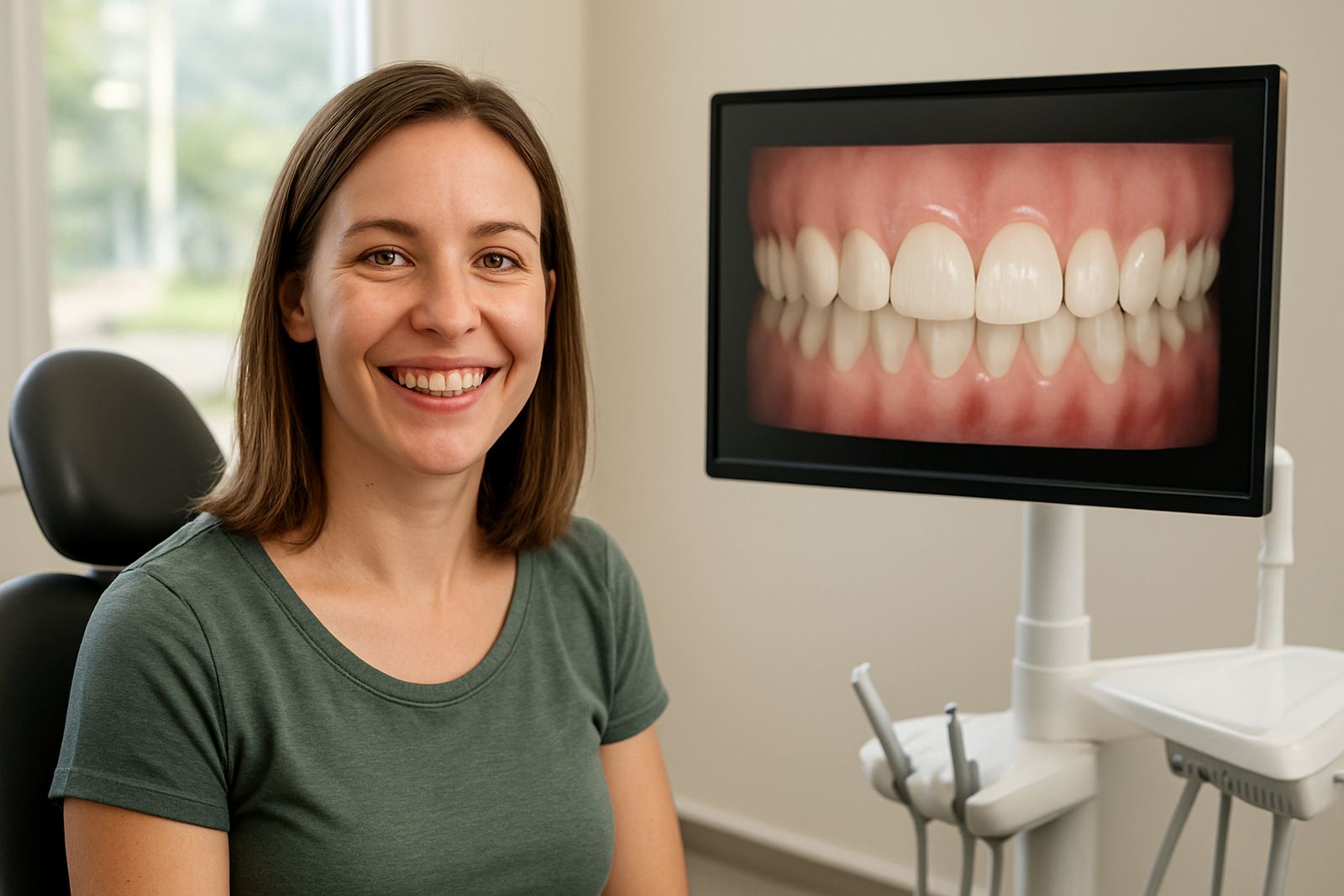
For most patients, the first visit includes a clinical exam, photographs and digital imaging. When needed, we take scans or X-rays to see the roots, bone support and spacing under the gums. Dr Ayesha Khan and Dr Nandi Dlamini use this information to decide whether the gap is best managed with cosmetic work, orthodontic movement or a combined approach.
The usual equipment set for this use case includes intraoral scanning, digital photographs, magnified examination lighting, bite records and colour matching tools. If a tooth has been chipped or worn down, we check whether the gap is actually part of a wider size mismatch. If several teeth are small, closing one gap on its own can make the smile look crowded or uneven.
- Single front gap with healthy bite: often suitable for bonding or veneer planning.
- Multiple spaces across the smile line: often better for orthodontic assessment first.
- Gap after tooth loss: may need implant planning, not only cosmetic closure.
- Spacing with gum issues: gum care must come before final cosmetic treatment.
We also ask about clenching, grinding, past braces and any sensitivity. That helps us avoid choosing a material or movement plan that looks good on day one but fails in the first year.
Bonding, veneers or braces: what suits your case
Small to moderate gaps can often be improved with composite bonding. This adds tooth coloured material to the edges of the teeth and is useful when the teeth are slightly narrow or chipped. It is usually the quickest option and can be done with minimal preparation. For many patients in Sandton, that means less chair time and a lower upfront cost.
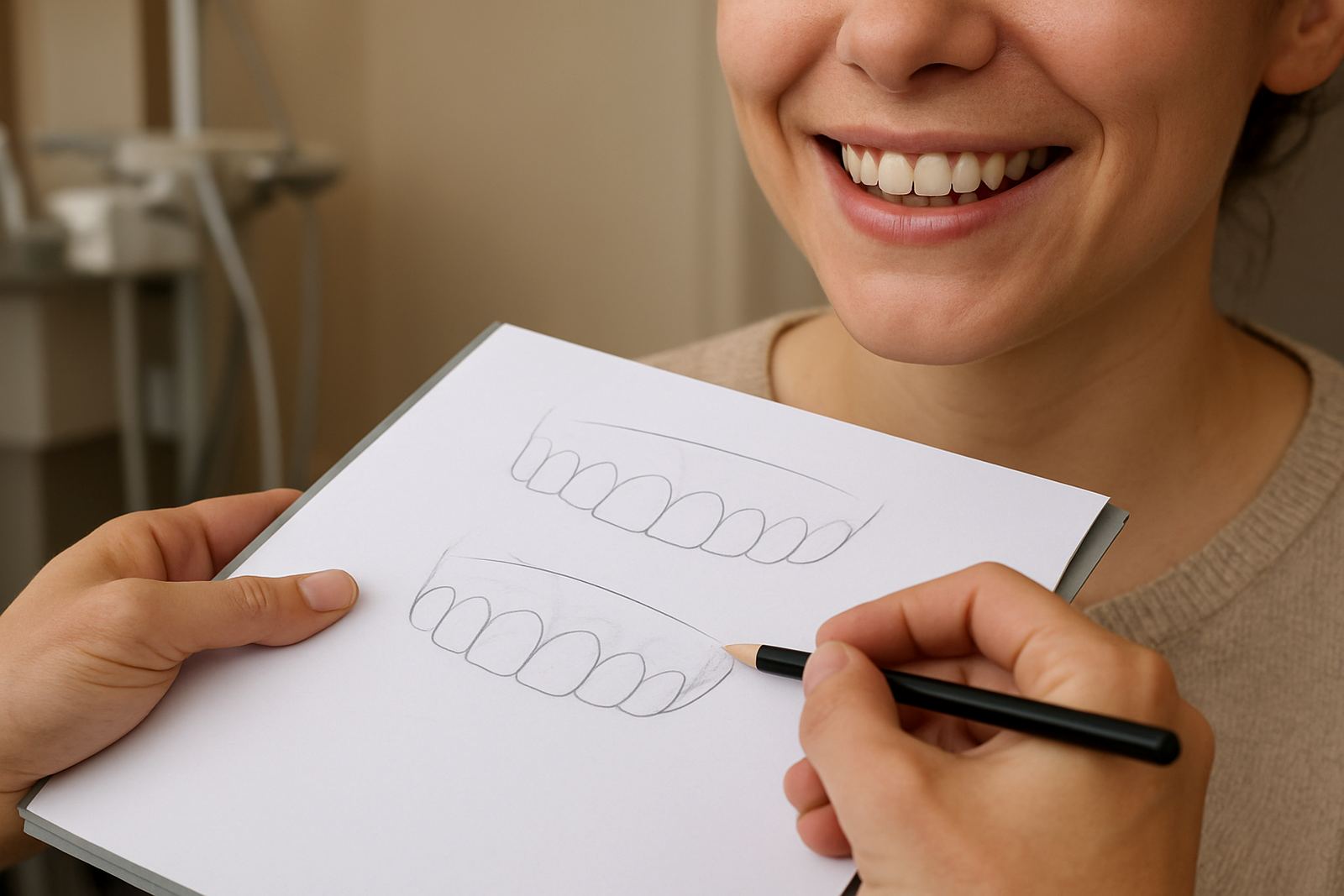
Veneers are more suitable when the teeth also have colour concerns, surface wear or uneven shape. They are designed with more planning and usually suit patients who want a more detailed cosmetic finish. Orthodontic treatment planning is the better route where the bite is the real issue, or where closing the gap will improve the whole arch rather than just the front teeth.
Dr Pieter van der Merwe and Dr Nandi Dlamini may work together if a case involves implant spacing, tooth movement or bite correction. In some situations, the right answer is to open or maintain space for a replacement tooth rather than close everything down. That is where careful planning saves time and money later.
- Bonding: good for smaller gaps, localised shaping, and faster treatment.
- Veneers: good for multiple front tooth shape changes with a more finished look.
- Orthodontic planning: good for wider spacing, bite correction, and stable long term alignment.
- Implant planning: good where the gap is from a missing tooth and needs replacement.
How treatment is laid out for working adults and families
Most patients want treatment that fits around school runs, office hours and traffic between Sandton, Bryanston, Rivonia, Morningside, Fourways and Rosebank. That means we keep appointments practical and plan them in stages where needed. A bonding case may be completed in one visit. Veneers and orthodontic planning usually need more than one appointment, especially if digital smile design or mock-up work is involved.
For family patients, we often separate the consultation from the treatment day so there is time to think through options and payment guidance. If sedation options are needed for a nervous patient, that is discussed early. Emergency dentistry is also important if a gap has appeared after trauma, because a cracked or displaced tooth may need stabilising before any cosmetic fix is done.
We also give aftercare follow ups where needed. Small changes, even when cosmetic, can affect your bite and speech. A simple review lets us check for rough edges, bite pressure, and whether the gums are settling properly. In humid coastal conditions this is less of a factor than in Durban or Cape Town, but local diets, coffee, and night grinding still play a role in wear and staining over time.
Common mistakes that make gaps come back
One of the biggest mistakes is closing a gap without checking why it formed. If gum disease is active, the teeth can move again. If the bite is uneven, the new work may chip. If the teeth are too small for the arch, bonding alone can look bulky or trap plaque. It is better to plan the full picture than to chase the gap only.
Another common issue is choosing the cheapest option without asking how long it should last. A quick fix may be useful, but if it creates cleaning problems, staining or repeated repairs, the total cost becomes higher. That is especially true for patients who already spend long days in meetings or travel between offices and clinics, because follow up time matters too.
- Skipping gum checks before cosmetic work.
- Using bonding where orthodontic movement would be more stable.
- Closing a space too tightly and creating cleaning problems.
- Ignoring a missing tooth and treating only the visible gap.
- Not discussing bite forces, grinding or speech changes.
Lerato Moloi and the practice team help patients understand the sequence, fees and visits before treatment starts. That keeps the process clear and avoids last minute surprises.
Typical budget ranges in Rand
Costs depend on how many teeth are involved, whether scans or X-rays are needed, and if treatment is cosmetic, orthodontic or restorative. As a broad guide, a consultation for a gap assessment can range from R650 to R1,250. Basic composite bonding for one or two teeth often starts around R1,800 to R4,500 per tooth, depending on detail and finish.
Veneers generally cost more because of the planning and laboratory steps, with many cases ranging from R7,500 to R14,000 per tooth. Orthodontic treatment planning for spacing cases can start at around R15,000 for limited correction and move higher for full treatment plans. If a gap is linked to a missing tooth, implant planning and placement are a separate budget and may run from the mid tens of thousands, depending on bone support and final restoration needs.
We explain payment guidance clearly before anything begins, so patients can choose a plan that suits their timing and budget. For some people, it makes sense to treat one tooth now and plan the rest later. For others, a full smile plan is the better value because it addresses shape, alignment and colour together.