Start with a simple explanation they can understand
Children usually cope better when the plan is explained in plain language. Keep it short and honest. You do not need to give every detail, just enough so your child knows who they are seeing, why they are going, and that the team will help them stay comfortable.
For younger children, use familiar words like check, clean, count and take photos of teeth. For older children, you can explain that the dentist may look for signs of decay, gum irritation or bite problems and may talk through the next step. If a treatment is expected, say so early. Surprises often create more worry than the appointment itself.
- Use calm words, not warnings about pain.
- Keep the explanation brief and true.
- Let your child ask questions one at a time.
- Say who will be with them and how long it may take.
If your child has special needs, strong sensitivity to noise, or anxiety about medical spaces, tell the practice ahead of time so the visit can be paced more carefully.
Build a calm routine in the 24 hours before the visit
The day before the appointment, keep the routine steady. Try not to pack the day with too many activities, especially if the visit is after school or in the afternoon traffic through Sandton, Bryanston or Fourways can already make everyone tense. A normal breakfast, enough water, and a good sleep often make a bigger difference than parents expect.
It also helps to avoid using the dental visit as a threat or reward. Phrases like “if you behave, the dentist won’t hurt you” can make children think pain is certain. Instead, describe the visit as part of looking after strong healthy teeth. If your child has a favourite small comfort item, such as a toy, blanket or book, pack it early so it is not forgotten in the morning.
- Set out clothes, water bottle and any required documents the night before.
- Choose a time when your child is usually alert, not overtired.
- Keep screen time and sugar close to normal so the day feels familiar.
- Plan enough travel time for parking, building access and reception forms.
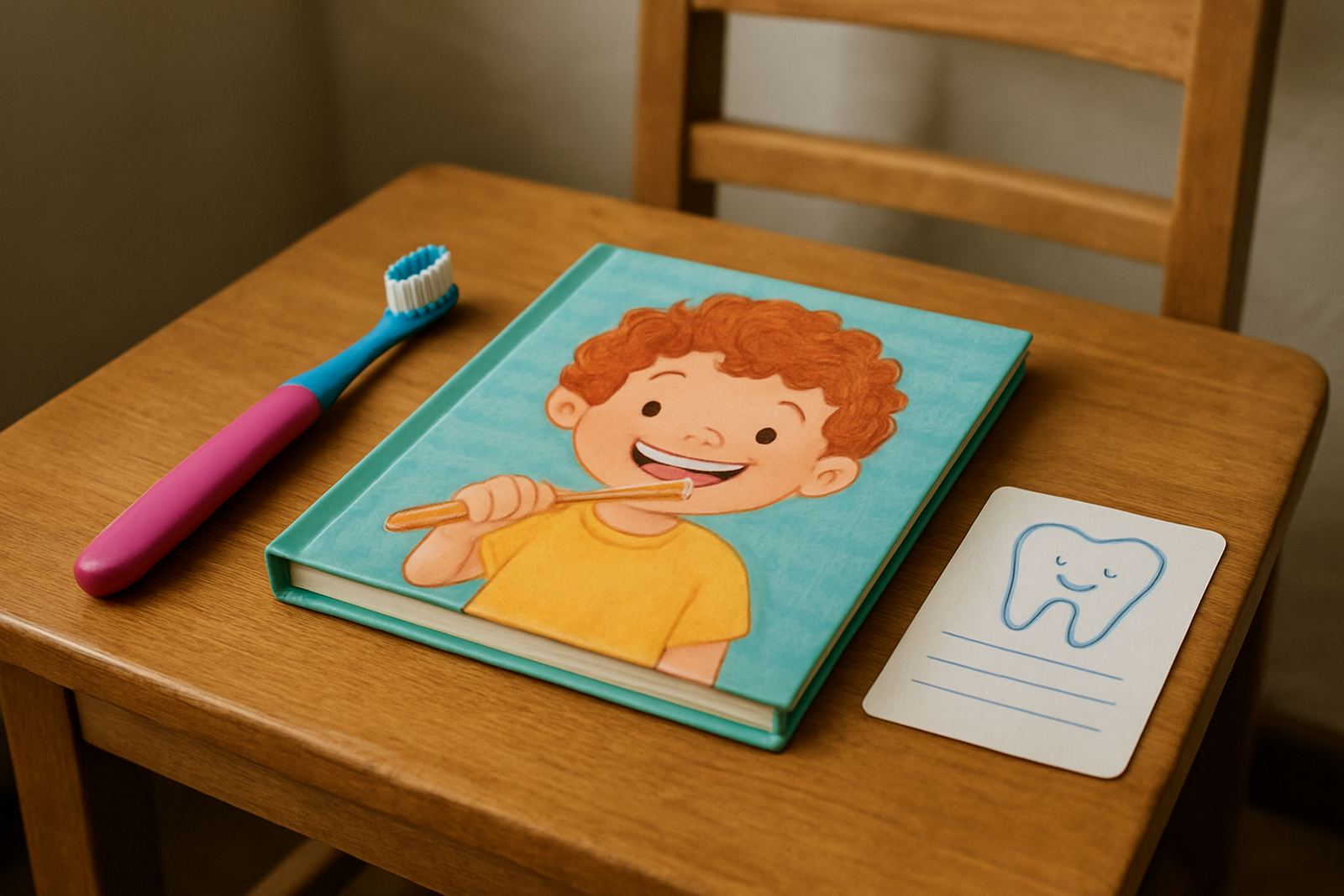
For younger children, a short story about going to the dentist can help. For older children, let them know they can tell the team if they need a break or want something explained again.
What to pack for a child dental appointment
Keeping a small appointment bag ready saves time and cuts stress on the day. You do not need much, just the practical items that help the visit run smoothly. If your child has a medical history, allergies or is taking medication, make sure the details are easy to hand.
- Medical aid card or payment details if needed.
- Any referral notes or previous dental records.
- List of current medicines and allergies.
- Comfort item for younger children.
- Water and a light snack for after the visit if treatment may take a while.
If your child is having X-rays, a filling, a cleaning or a first assessment, ask beforehand whether any preparation is needed. In some cases the dentist may want the child to avoid a big meal just before treatment, particularly if sedation or longer work is planned. If you are unsure, phone ahead and ask. Clear information is better than guessing.
Parents often find it helpful to write down concerns before leaving home. Questions about thumb sucking, crowding, tooth pain, mouth breathing or lost baby teeth are easy to forget once the appointment starts.
How to talk about pain, needles and noises without causing fear
Children pick up tone quickly, so the way you speak matters as much as the words you use. Stay steady and matter-of-fact. If your child asks whether something will hurt, do not promise something you cannot know for certain. It is better to say the team will do their best to keep them comfortable and will explain each step.
Try not to use frightening comparisons or adult worries. A child does not need to hear about past bad experiences, and they do not need extra detail about injections or drilling unless it is relevant to them. If sedation or numbing is part of the plan, the dentist can explain it in a child-friendly way.
Helpful ways to speak:
- “The dentist will look at your teeth and count them.”
- “If anything feels odd, tell them straight away.”
- “You can lift your hand if you want a pause.”
- “We will do one step at a time.”
If your child is very anxious, ask whether a slower introduction, a pre-visit chat, or a longer first appointment would help. Some children settle once they meet the team and see the room before any treatment starts.
On the day, keep the visit simple and on time
On the day of the appointment, try to keep breakfast or lunch light but filling unless you were given different instructions. Arrive a little early so your child has time to settle, use the bathroom and look around. Rushing through reception usually makes children more nervous than the appointment itself.
It helps if one parent or caregiver leads the conversation. Too many instructions from different adults can be confusing. If your child is old enough, encourage them to answer for themselves when the dentist asks simple questions. That small bit of control can reduce fear.
During the visit, stay calm and let the dental team guide the pace. If your child becomes upset, do not panic. A short pause, a drink of water, or a quick reassurance often helps. Good dental care for children is not about forcing them through the chair, it is about helping them feel safe enough to cooperate.
- Bring the child to the appointment on time, not rushed.
- Let the dentist know about sleep issues, allergies or past worries.
- Allow the team to explain tools and steps in simple terms.
- Take note of advice on brushing, fluoride and follow-up visits.
If treatment is completed on the first visit, ask what to expect afterwards and whether eating, drinking or brushing needs to be adjusted later that day.
After the visit, praise effort not perfection
When the appointment is done, focus on what your child managed well. Praise bravery, patience and cooperation, even if the visit was not perfect. Children remember whether they were made to feel proud or ashamed. A calm response from you can turn one difficult visit into a much easier next one.
At home, follow any aftercare instructions closely. If local anaesthetic was used, remind your child not to chew their cheek or lip while it is still numb. If the dentist gave cleaning or brushing advice, apply it straight away so the visit leads to better habits rather than another forgotten promise.
Look out for any unusual swelling, ongoing pain, fever, or bleeding that does not settle. If something seems off, call the practice rather than waiting. It is always better to ask early. For families in Sandton, Morningside, Rosebank, Rivonia, Bryanston or Fourways, keeping a regular check-up rhythm can make each visit shorter and easier over time.
Most children do best when dentistry becomes routine. That means regular visits, clear explanations and a parent who stays calm. With the right preparation, a dental appointment can be just another normal part of looking after a growing smile.