First 10 Minutes: Stay Calm and Check the Situation
If a tooth breaks, a swelling starts, or pain comes on suddenly, take a breath and look at what is happening before you touch the area. Rinse your mouth gently with lukewarm water, check for bleeding, and if there is a broken piece of tooth, keep it safe in a clean container. Do not use very hot or very cold water if the tooth is sensitive, and avoid poking the area with fingers or a toothpick. If there is facial swelling, look for trouble breathing, trouble swallowing, or swelling that is spreading quickly. That needs urgent medical attention without delay.
For patients in Sandton, Bryanston, Rivonia, Morningside, Fourways and Rosebank, the aim is to protect the tooth and reduce irritation until you can get seen. If pain started after a fall, sports injury, or biting on something hard, treat the area gently and do not chew on that side. If a filling, crown, or orthodontic appliance has come loose, keep the part and bring it with you.
Broken Tooth or Chipped Tooth: Protect the Area
A broken tooth does not always mean the tooth is lost, but it does need proper attention. If the edge is sharp, place a small piece of dental wax or sugar free chewing gum over the edge to stop it cutting your tongue. If the tooth is bleeding, bite on clean gauze or a folded piece of cloth for 10 to 15 minutes. If there is only a chip and no pain, book a dental check as soon as you can, because cracks can run deeper than they first seem.
- Save the broken piece if you can find it.
- Do not chew hard foods on that side.
- Do not try to glue the tooth back yourself.
- Avoid aspirin directly on the gum, it can burn the tissue.
- If the tooth is loose after trauma, keep movement to a minimum.
If the injury happened during sport, a fall, or a car accident, mention that when you call. It helps the team decide how urgent the visit is and whether X-rays or splinting may be needed.
Swelling, Abscess Signs and Pressure Pain
Swelling around a tooth, jaw or cheek often points to infection and should not be ignored. If the area feels hot, tender, or you taste something unpleasant, you may be dealing with an abscess. Rinse gently with warm salt water a few times a day, keep the head slightly raised, and avoid pressing or squeezing the swollen area. Cold compresses on the outside of the face can help with comfort for short periods.
Do not try to open the swelling at home. That can spread infection and make matters worse. If you have fever, feel weak, cannot open your mouth properly, or the swelling is moving toward the eye or neck, treat it as urgent. In Johannesburg, traffic and load-shedding can slow things down, so call early in the day if the swelling is building. That gives the practice time to advise on the next step and help you plan transport.
- Warm salt water rinse, not harsh mouthwash.
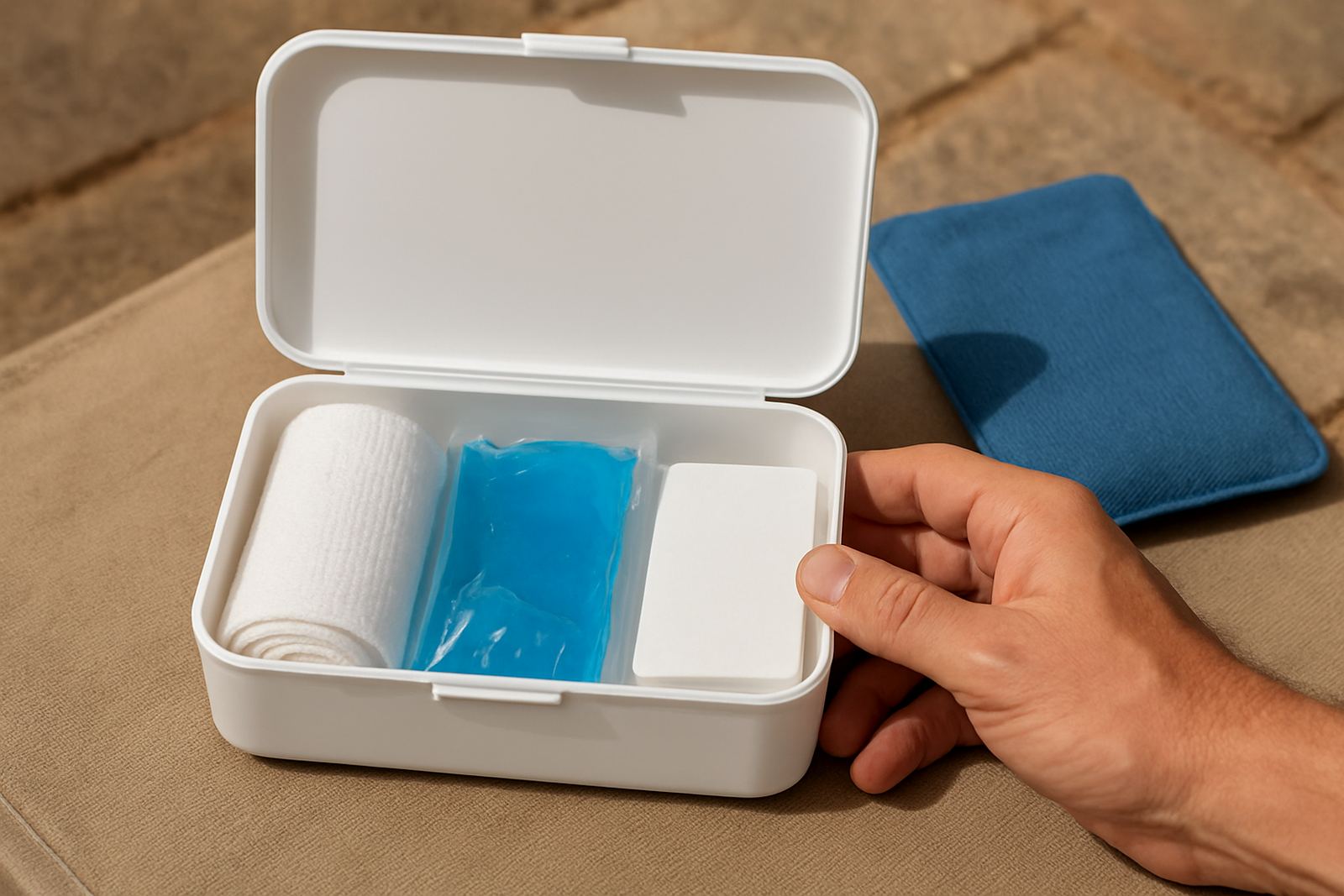
- Cold pack on the cheek for 10 minutes at a time.
- Soft foods only until the area is checked.
- Call promptly if there is a bad taste, fever, or facial swelling.
Sudden Tooth Pain: What Helps Until You Are Seen
Toothache can start from decay, a cracked tooth, a gum infection, or a high filling. First clean the area gently with a soft brush and floss if there is food stuck between teeth. Sometimes a trapped piece of food makes pain feel worse than it is. If the pain is throbbing, take only medicines that you normally tolerate and follow the package directions. Do not place tablets on the gum because it can damage the tissue.
Stay away from very hot drinks, ice-cold drinks, alcohol, and hard snacks while the tooth is sore. If one tooth hurts when you bite, avoid chewing on it and note whether pain is sharp, dull, or constant. That detail helps the dentist work out whether the cause is a crack, nerve irritation, or infection. If the pain is severe enough to stop sleep or eating, it needs a prompt appointment, not a wait and see approach.
- Brush gently around the sore tooth.
- Floss if food is trapped, but do it carefully.
- Use soft foods like yoghurt, eggs, porridge, or soup.
- Keep your head raised when resting.
What to Bring to Your Emergency Visit
When you come in, bring any broken tooth pieces, loose restorations, braces parts, or mouthguard if the injury happened during sport. Also bring a list of medicines you take, any allergies, and your medical aid details if you use them. If sedation options may be needed, the team needs a full medical history including blood pressure, diabetes, pregnancy, or any recent illness. That helps keep the visit safe and well planned.
Techno-Dent Clinic provides emergency dentistry, aftercare follow-ups, and payment guidance, so you are not left guessing what happens next. If you are calling from Sandton base or nearby areas like Fourways or Morningside, give the team a clear description of the problem, when it started, and whether the tooth was injured by trauma or whether pain came on by itself. A short, factual call often saves time later.
When It Is an Emergency and When It Can Wait
Some dental problems can wait a short while, but others need same-day attention. Severe swelling, uncontrolled bleeding, facial trauma, a knocked-out tooth, trouble swallowing, or pain with fever should be treated urgently. A small chip, a lost filling without pain, or mild sensitivity may be handled during a booked visit, depending on how the tooth looks and feels. If you are unsure, call and describe the problem clearly rather than guessing. It is better to check than sit with pain that gets worse overnight.
Families in Johannesburg often try to manage dental pain until the next day, especially after hours or during a busy work week. That is understandable, but swelling or infection can spread quickly. If the pain changes fast, or the face starts to puff up, do not wait. Quick action can mean simpler treatment and less discomfort later.
- Go urgently for swelling, fever, bleeding, or trauma.
- Book soon for chips, sensitivity, or lost fillings.
- Keep children away from chewing on the sore side.
- Call if you are not sure how serious it is.