Start each day with a proper clean
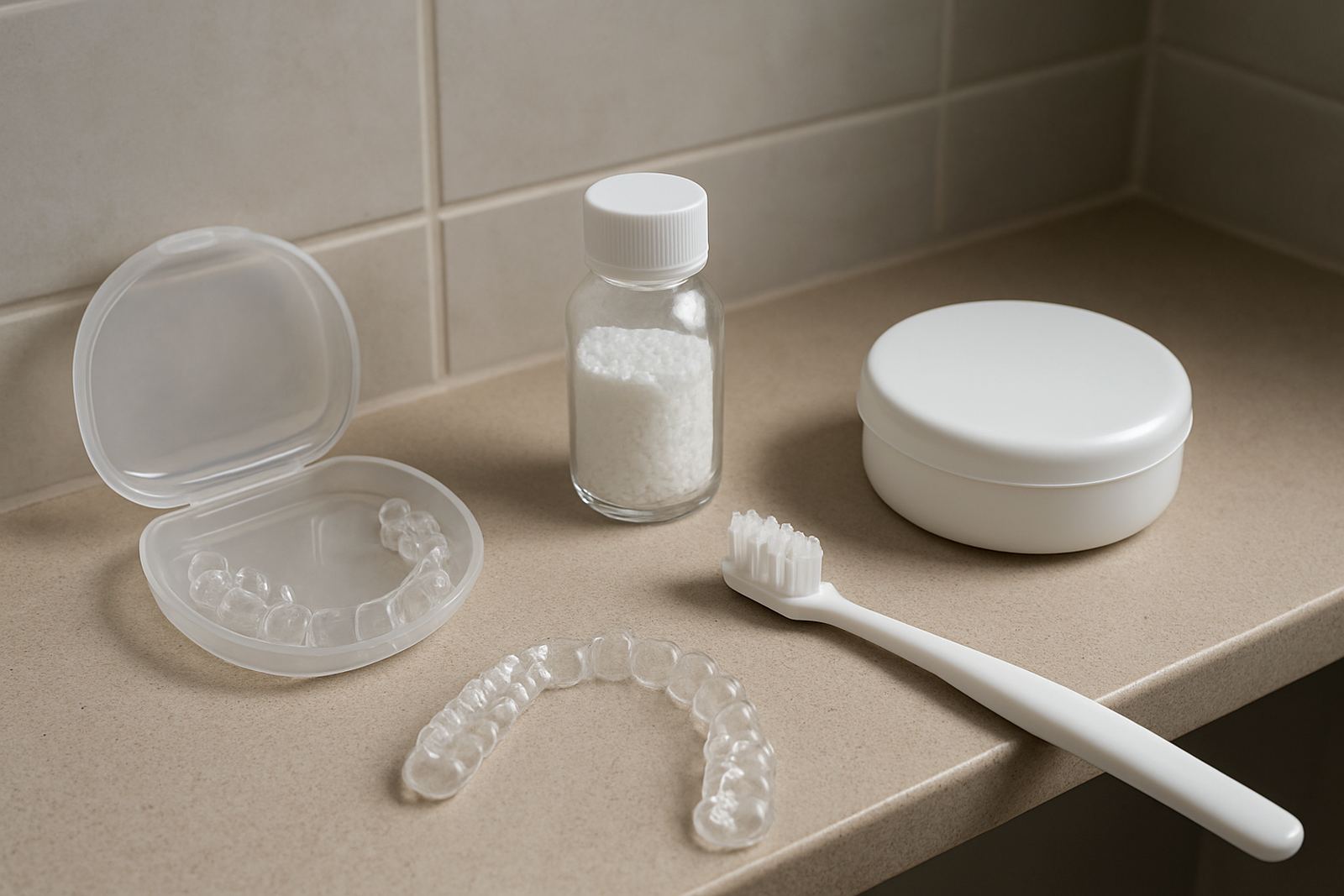
When you remove your trays in the morning, rinse them straight away under cool or lukewarm water. Warm water can warp the plastic and change the fit, so keep it gentle. Before you put them back in, brush them lightly with a soft toothbrush and a little clear, mild soap.
A clean tray stays clearer for longer and is less likely to hold onto smells or staining from tea, coffee and sauces. If you live or work in Sandton, Bryanston or Rosebank and sip coffee through the day, this matters more than you may think.
- Rinse after every removal
- Brush gently with a soft brush
- Use cool or lukewarm water only
- Avoid coloured toothpaste that can scratch or stain
Wear time is what keeps treatment moving
Aligners need steady wear time to do their work properly. In most cases, that means keeping them in for around 20 to 22 hours a day, with only short breaks for meals, drinks other than water and cleaning. If they spend too much time out, your teeth can start drifting back and the next tray may feel too tight.
Try to build a routine that fits your day in Johannesburg traffic, office meetings and school runs. Taking trays out for too long at lunch is one of the common reasons patients lose progress and end up wearing a set for longer than planned.
- Only remove trays for eating, drinking and cleaning
- Set reminders on your phone if you forget easily
- Keep the current and next tray in their cases
- Do not leave trays wrapped in tissue or on a serviette
Eat and drink the right way with aligners
Aligners should come out for meals and for anything other than plain water. Hot drinks can distort the plastic, while sugary drinks sitting against the teeth and trays can raise the risk of decay. If you are having juice, wine or flavoured water, remove the aligners first and rinse before putting them back in.
This is especially important for patients in offices, cafés and gyms around Fourways, Rivonia and Morningside. It only takes one rushed snack with trays in to leave them stained or damaged.
- Remove trays before eating or drinking anything besides water
- Brush or rinse before reinserting after meals
- Carry a travel case and a small toothbrush
- Keep chewy, sticky foods for tray free time only
Handle discomfort, pressure and small rough edges
A new set may feel snug for a day or two. That pressure usually means the trays are doing their work. Mild tenderness is common, but sharp pain, a tray that will not seat properly, or a rough edge rubbing your tongue or cheek should be checked.
If you need relief, stick to soft foods for the first day, use cool water rinses and follow any advice given during your review. Never trim the aligner yourself unless you have been told exactly how to do it. A small cut in the wrong place can weaken the tray.
- Expect mild tightness with each new set
- Check for cracked edges or bite marks that do not settle
- Keep wax or prescribed comfort aids on hand if advised
- Report persistent pain or poor fit promptly
Keep every tray in its case and off the counter
Many lost aligners happen at work, at school or in a restaurant bathroom. Once a tray is out, put it straight into its case. The case protects it from dust, pets, heat and accidental damage. In a humid coastal trip or a hot car in Gauteng, trays left loose can warp or dry out in a bad way.
It is a simple habit, but it saves time, money and treatment delays. Replace the tray in the same order it was removed, and check that it is fully seated with no gaps at the edges.
- Use the case every time the trays come out
- Keep the case in your bag, not a loose pocket
- Do not wrap trays in paper towels or tissue
- Replace trays only after cleaning your teeth and trays
Watch for signs that you need a review
Small issues are easier to fix early. If a tray feels loose, refuses to click into place, or starts cracking, book a check. The same applies if you lose a set, miss several hours of wear, or notice that your bite is changing in a strange way. Early review helps avoid delays in treatment.
Patients from Sandton, Bryanston, Fourways, Rosebank and the surrounding areas often bring concerns up at the next planned visit, but if something feels off do not wait too long. A quick assessment can keep the plan on track.
- Loose fit or visible gaps at the front or sides
- Cracks, chips or deep scratches in the tray
- Loss of a tray or repeated forgetting of wear time
- Soreness that does not settle after a short adjustment period