The First 24 Hours After Implant Treatment
The first day matters most. Once the numbness wears off, expect some tenderness, light bleeding and a feeling of pressure around the implant site. Keep the gauze in place for the time advised by your dentist, then replace it if bleeding continues. If you had sedation, make sure you rest at home and do not drive, sign papers or make quick decisions until the effects have fully passed.
Use a cold pack on the cheek for 10 to 15 minutes at a time during the first few hours. This helps with swelling and can make the area feel less tight. Keep your head slightly raised when you lie down, and try not to sleep flat on your back if that increases throbbing. For the first 24 hours, avoid rinsing hard, spitting forcefully, smoking and drinking through a straw, as these actions can disturb the clot and slow healing.
- Rest as much as possible on the day of treatment
- Use cold compresses in short intervals
- Take medication exactly as prescribed
- Eat soft, cool foods while the area settles
- Do not touch the implant site with fingers or the tongue
Eating And Drinking Without Irritating The Site
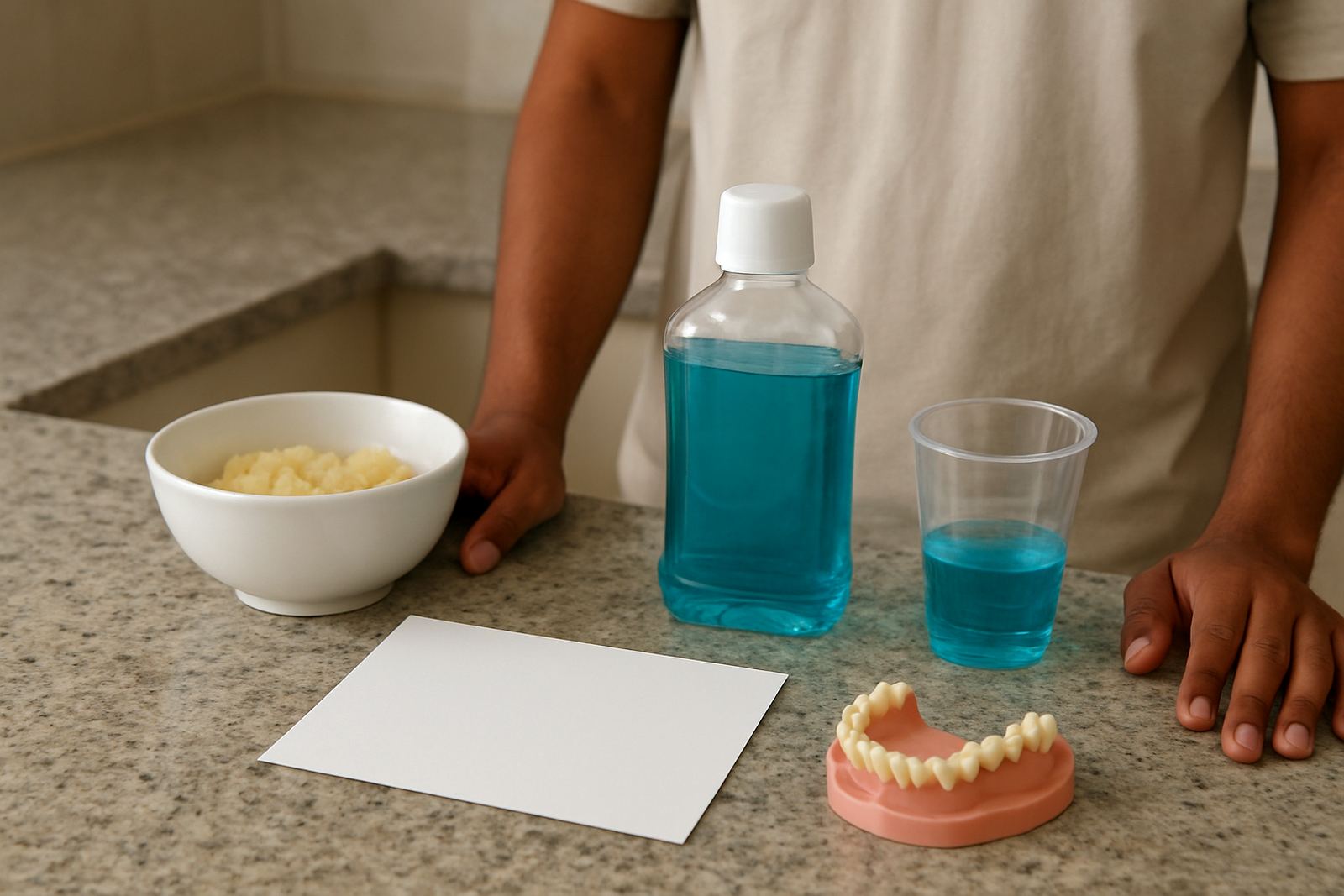
Choose soft foods that are easy to chew and do not leave crumbs or sharp edges. Good options include yoghurt, mashed potato, scrambled egg, soft pasta, porridge and soup that is lukewarm rather than hot. If you had several implants placed, stick to smaller portions and chew on the opposite side when possible. Very hot food can increase bleeding and discomfort, so give meals time to cool first.
Hydration helps recovery, but sip water gently. Skip alcohol for at least 24 to 48 hours, and longer if you are on pain medication or antibiotics. Carbonated drinks and very spicy meals can sting the area, so it is better to wait until the gum tissue feels calmer. If you are managing diabetes, keep your sugar levels steady as this supports healing and lowers the risk of infection.
- Soft foods only for the first few days
- Avoid hard nuts, biltong, crusty bread and seeds
- No straw use in the early healing period
- Drink plain water regularly through the day
- Watch for food packing around the gums
Cleaning Around The Implant Site Safely
Good hygiene protects the implant and the nearby gum tissue. On the day of treatment, you may be told to leave the area alone, then start gentle cleaning the next day. Brush the other teeth as normal but be careful near the implant. Use a soft toothbrush and slow movements, not a hard scrub. If you were given a special mouth rinse, use it exactly as directed, because overuse can irritate the tissues.
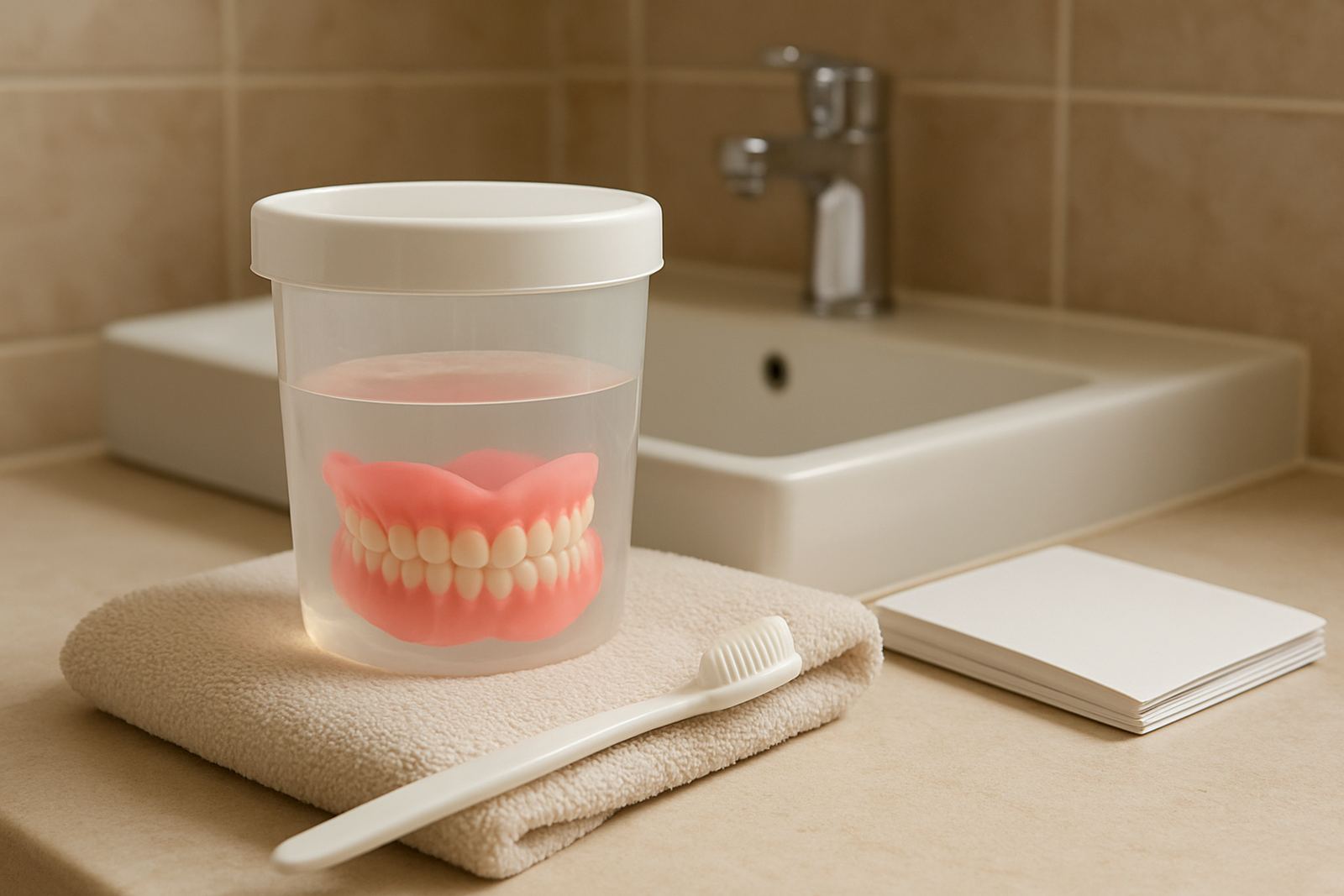
Once the first healing phase has passed, cleaning needs to be consistent every day. A clean mouth lowers the chance of infection and helps the implant settle properly. If you wear a temporary appliance, keep it clean and bring it to follow-up visits so the fit can be checked. In Sandton and the surrounding areas, many patients juggle long work hours and traffic, so a simple morning and evening routine helps you stay on track.
- Use a soft toothbrush twice daily
- Brush gently around nearby teeth and gums
- Follow rinse instructions carefully
- Do not pick at stitches or scabs
- Keep your follow-up cleaning appointments
Pain, Swelling And Medication: What Is Normal
Mild to moderate discomfort is common after implant placement. Swelling usually peaks within the first two to three days, then begins to ease. Pain that improves with the prescribed medicine is usually part of normal healing. Some bruising along the jaw or cheek can also happen, especially after more than one implant or after bone grafting. If you feel sore, take medication on schedule rather than waiting until the pain gets ahead of you.
Avoid taking extra tablets without checking first, especially if you use other medicines for blood pressure, diabetes or stomach problems. If you were given antibiotics, finish the full course even if the site starts to feel better. Should the pain become stronger after day three or four, or if swelling keeps increasing instead of settling, contact the practice for advice. A little soreness is expected but sharp, throbbing pain is not something to ignore.
- Take medication exactly as prescribed
- Use cold packs in the early phase
- Rest more if swelling is still increasing
- Do not mix pain tablets with alcohol
- Report unusual pain, fever or bad taste promptly
When To Contact The Practice Without Delay
Most implant recoveries are straightforward, but there are warning signs that need attention. Call the practice if bleeding does not slow down with gauze and rest, if swelling becomes severe, or if you notice pus, a foul taste or a smell that was not there before. A loose healing cap, broken stitch or pain that gets worse instead of better also needs a review. If you have a temperature, facial swelling that spreads, or trouble swallowing or breathing, seek urgent help.
Patients from Sandton, Bryanston, Rivonia, Morningside, Fourways and Rosebank often come in after work, so it helps to keep the practice contact details handy and not wait until the next day if something feels wrong. If you are unsure whether a symptom is serious, it is safer to ask. Early checks can prevent a minor issue from turning into a bigger one.
- Bleeding that keeps going past the expected period
- Severe or worsening swelling
- Fever, pus or a bad taste
- Loose parts near the implant
- Difficulty opening the mouth, swallowing or breathing
Your Follow-Up Plan For Steady Healing
Follow-up visits are part of implant care, not an extra. At these appointments, the dentist checks the gum tissue, bite, cleaning routine and healing progress around the implant. If needed, the team can adjust instructions, review hygiene techniques and guide you on the next treatment step. A stable routine at home is important, but so is making sure the implant is healing in the right position and the surrounding bone is settling well.
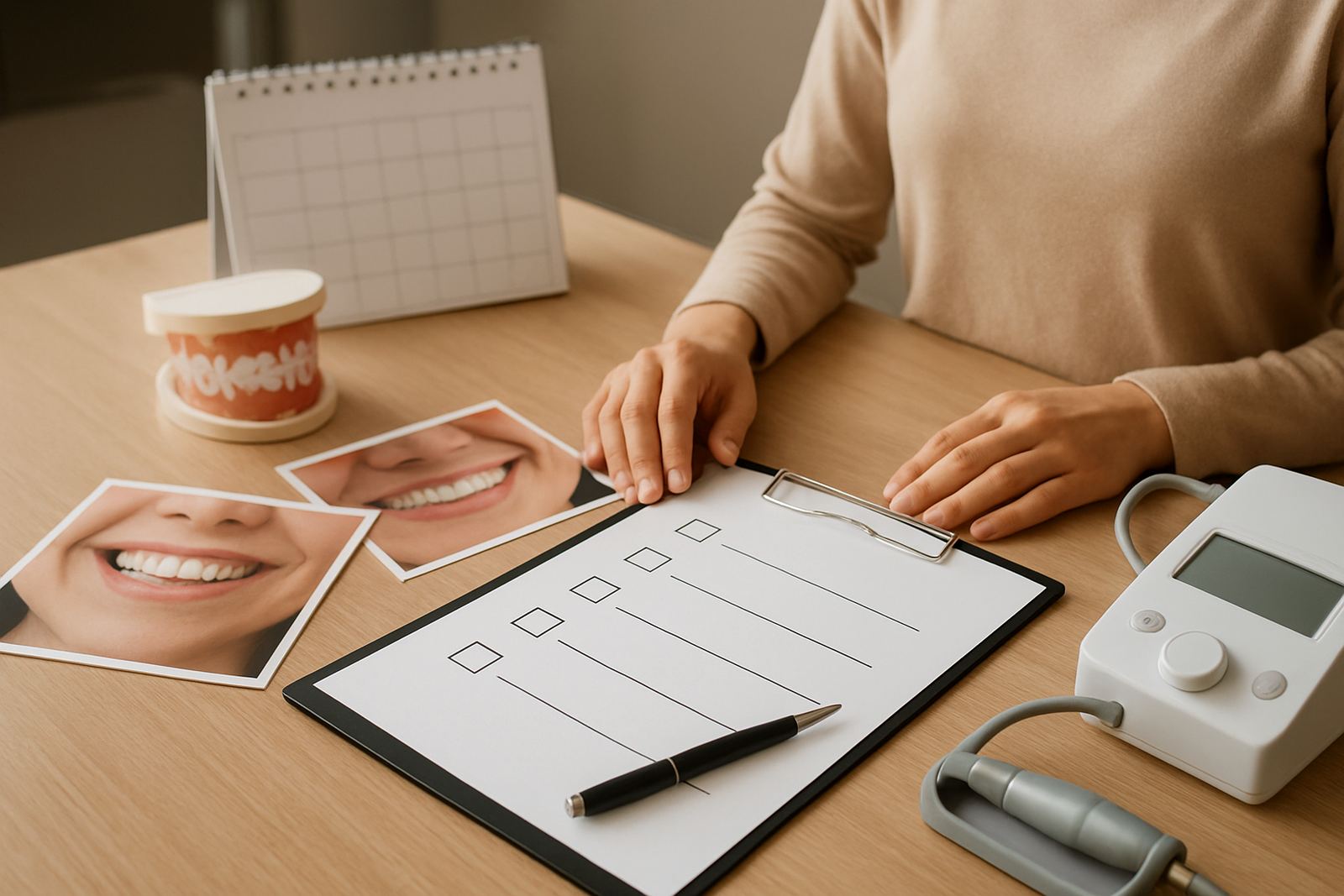
Keep a simple recovery checklist at home so you do not miss small details. This is especially useful if you are managing family schedules, public holidays or load-shedding in Johannesburg and your routine gets disrupted. If the site starts to feel better, do not stop cleaning or skip the review. Healing after implant treatment happens over weeks and months, so consistency matters more than rushing.
- Attend every scheduled review
- Keep cleaning gently every day
- Eat carefully until the site is fully settled
- Bring up any bite changes or discomfort
- Ask about payment guidance if you need help planning follow-up care