Start with foods that do not fight your braces
When you first get braces, or after an adjustment, your teeth can feel tender for a few days. That is normal. In that window, choose meals that need little chewing and will not catch around the wires. Soft food also helps if you are dealing with a busy day, load-shedding meal planning, or a school run across Johannesburg and you need something quick that still feels manageable.
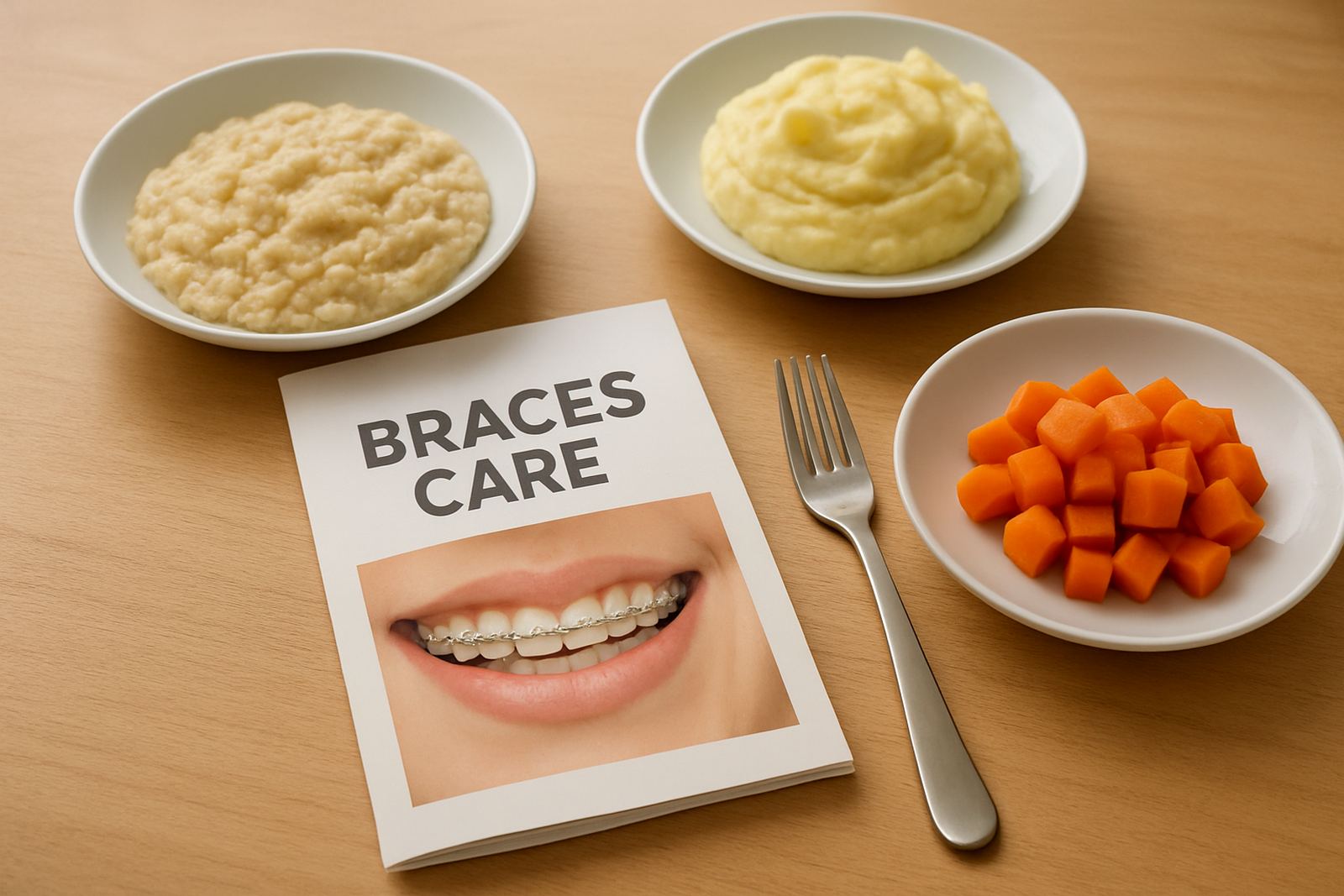
Good options include soft porridge, scrambled eggs, yoghurt, soft-cooked rice, mashed potatoes, soup, stew with well-cooked vegetables, minced meat, flaky fish and soft pasta. You can also use avocado, banana, papaya and cooked oats for snacks. If the food can be cut with a fork, it is usually a safer bet than anything that needs hard biting.
- Soft breakfast: oats, eggs, yoghurt, smoothies
- Soft lunch: soup, pasta, rice bowls, minced chicken or beef
- Soft supper: mash, stews, soft fish, cooked vegetables
Foods to keep off the plate while brackets settle
Some foods are simply too hard, sticky or crunchy for braces. They can loosen brackets, bend wires, or get stuck in places that are difficult to clean. In Sandton traffic it is easy to snack on whatever is in the car but with braces, that quick bite can become a repair visit.
For the first few days after fitting or tightening, stay away from biltong, nuts, popcorn, brittle, ice, hard crusts, hard sweets, chewing gum and sticky toffee. Raw apples and carrots are not banned forever, but they should be cut into smaller pieces or lightly softened first. Corn on the cob is another one to avoid biting into directly.
- Hard foods: nuts, ice, hard rolls, brittle sweets
- Sticky foods: toffee, gum, chew sweets, sticky bars
- Crunchy foods: popcorn, hard chips, very crisp crusts
How to build a braces-friendly lunch box
A good lunch box should be easy to eat at work, at school, or between appointments, without leaving bits stuck in the braces. Think soft, cut-up, and not too messy. If you are in a hurry between Sandton and Bryanston, prep once and carry enough for the day so you are not forced into risky takeaways.
Try packing a small container with cooked pasta salad, rice and shredded chicken, egg mayo on soft bread, yoghurt, sliced banana, cheese cubes, or a soft wrap filled with chicken and avo. Add water, because braces and dry mouth are not a great mix especially if you are talking a lot or spending time in air-conditioned offices.
- Pack foods that can be eaten with a fork or spoon
- Slice fruit and vegetables before you leave home
- Keep a travel toothbrush or interdental brush in your bag
- Choose water over fizzy drinks where possible
Snacks that work between meals
Snacking with braces is less about saying no to food and more about choosing the right kind of food. You want snacks that give you energy without pulling at brackets or packing into the wire work. This matters for children after school, teens at sport practice, and adults working long hours in Morningside or Rosebank.
Safer snacks include yoghurt, custard, soft fruit, peanut butter on soft bread, cheese, muffins without nuts, smoothies, and soft crackers that do not require hard biting. If you need something filling, try a banana with plain yoghurt or a small sandwich cut into quarters. Avoid nibbling from hard snack packs all day because that keeps sugar on the teeth for longer.
If a snack leaves crumbs everywhere, sticks to your molars, or needs a strong bite to start, it is probably not a good everyday choice while you have braces.
Eating out in Johannesburg without upsetting your braces
Eating out does not have to be stressful. It just means choosing dishes that are easier on the mouth and asking for small changes where needed. Many local restaurants and coffee shops will happily cut food smaller, leave out nuts, or swap a side if you ask before ordering. That helps a lot when you are managing braces and trying to keep to a normal routine.
Look for pasta dishes, soups, soft wraps, shredded chicken plates, omelettes and tender grilled fish. If the meal comes with chips, toast or a crusty roll, ask whether you can swap it for mash, rice or extra vegetables. For dessert, choose yoghurt-based options, mousse or soft pudding rather than caramel, toffee or nuts.
- Ask for food to be cut into bite-sized pieces
- Choose mash, rice, pasta or soft vegetables as sides
- Skip hard toppings like nuts and brittle
- Keep a small bottle of water with you when dining out
A simple daily check to protect wires and brackets
Good food choices help, but a small routine after meals keeps your braces working properly. Rinse with water after eating, then brush gently around the brackets and along the gumline. If something feels stuck do not poke with anything sharp. Use the cleaning tools your dental team recommended and keep an eye out for bent wires, loose brackets or sore spots that do not settle.
It also helps to plan around adjustment days. For one or two days after a visit, go softer again and keep meals calm. If you are unsure about a food, ask yourself three questions: is it hard, sticky or crunchy? If the answer is yes to any of those, save it for later. When in doubt, soft food is usually the safer choice.
- After every meal: rinse, brush, check for trapped food
- After adjustments: choose softer meals for 24 to 48 hours
- Call your practice if a bracket comes loose or a wire pokes