
Book a check-up before you whiten
Before any whitening session, your teeth and gums need to be assessed. Stains, fillings, cracked enamel and gum irritation can all affect how whitening works, and sometimes a cleaning or another treatment should come first. If you are in Sandton, Bryanston, Rivonia, Morningside, Fourways or Rosebank, plan ahead so you are not rushing on the day.
If you have sensitivity, recent dental work or a history of gum bleeding, mention it when you book. That gives the team time to plan the right approach, whether you need whitening prep advice, preventive care or a follow-up before treatment.
What to do in the 7 days before your appointment
The week before whitening is a good time to reduce anything that stains teeth and to keep your mouth calm. If you smoke, try to cut down as much as possible. Strongly coloured foods and drinks can leave fresh surface stains that make results less even, especially if you sip them often through the day.
- Brush twice a day with a soft-bristled toothbrush
- Use floss or interdental cleaners daily
- Drink water after coffee, tea or red wine
- Rinse after meals if you cannot brush straight away
- Avoid starting any harsh home whitening product without advice
If your gums are already sore, do not try to scrub them cleaner. Gentle cleaning is better than overdoing it, because inflamed gums can make whitening feel more sensitive than it should.
Foods and drinks to limit before whitening
Many people are surprised that preparation affects the final shade. In the days leading up to treatment, keep an eye on anything that can stain enamel. This does not mean you must eat bland food only, but it helps to be sensible.
- Coffee and strong tea
- Red wine and dark spirits
- Cola and dark cooldrinks
- Tomato-heavy sauces and curries
- Beetroot, soy sauce and berries
Choose lighter meals where you can, such as chicken, rice, eggs, yoghurt, bananas and plain pasta. If you do have a coloured meal, rinse with water afterwards. That small habit can make a difference over a few days.
On the day: arrive with clean teeth and a calm mouth
Brush and floss before you leave home, unless the practice has asked you not to. Arrive with clean teeth but do not use a hard brush or a gritty paste that can irritate the gums. If you wear orthodontic appliances or have attachments on your teeth, tell the practice before treatment starts so the whitening plan can be adjusted.
It also helps to avoid a very hot or very cold meal right before your visit if you already know your teeth are sensitive. If load-shedding or traffic around Sandton may delay you, leave extra time so you are not rushing in stressed and late.
What to pack or check before you leave home
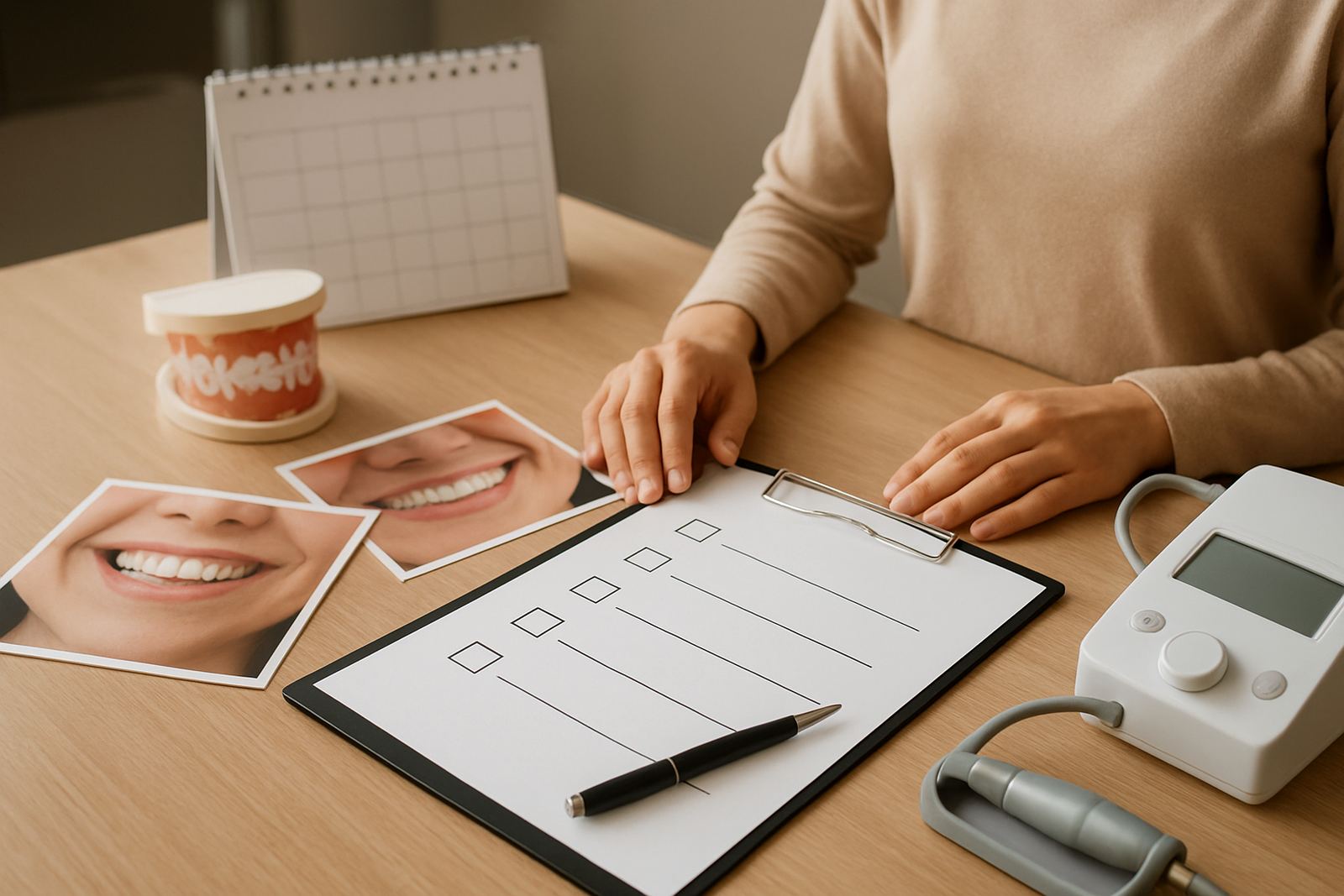
Whitening appointments are usually straightforward, but a small checklist helps. If you are coming from nearby areas like Bryanston or Fourways, keep these basics in mind so nothing is forgotten.
- Your appointment time and contact number
- A list of medications if you are on any regular treatment
- Details of previous dental work such as crowns, fillings or bonding
- Any history of tooth sensitivity or gum issues
- Payment details if you need guidance on treatment costs
If you are unsure about sedation options, aftercare or whether whitening is suitable for you, raise it during the visit. It is better to ask upfront than to guess later.
Aftercare that helps the shade last longer
The hours after whitening matter just as much as the preparation. Your teeth can pick up colour more easily straight after treatment, so follow the aftercare advice you receive and keep things simple. Stick to pale foods and drinks for the first day where possible, and avoid smoking.
Use a soft toothbrush and a gentle toothpaste if your teeth feel tender. If sensitivity does show up, it usually settles, but tell the practice if it is strong or lasts longer than expected. A good result should feel manageable, not punishing, and a quick follow-up can help if something does not feel right.