
When wisdom tooth removal is needed
Wisdom tooth removal is usually advised when the tooth is trapped under the gum, only partly erupted, or pressing against the tooth in front of it. In some cases the tooth may seem quiet for months, then start causing swelling, bad taste, food trapping, jaw stiffness or repeated gum infections. If you are in Sandton, Bryanston, Rivonia, Morningside, Fourways or Rosebank and the area keeps flaring up, it is better to have it assessed early rather than wait for an emergency.
We check whether the tooth can be monitored safely or whether removal is the cleaner option. That decision depends on pain, decay, gum health, the position of the tooth, and how close the roots sit to nearby nerves or sinuses. Not every wisdom tooth must come out, but problem teeth often become harder to treat once infection has spread or the gum has swollen shut.
- Persistent pain at the back of the jaw
- Swollen gum or recurring infection around the tooth
- Food trapping and bad breath that keeps returning
- Pressure on the second molar or visible crowding
- Cysts, decay or damage on the wisdom tooth itself
How we plan the removal before treatment
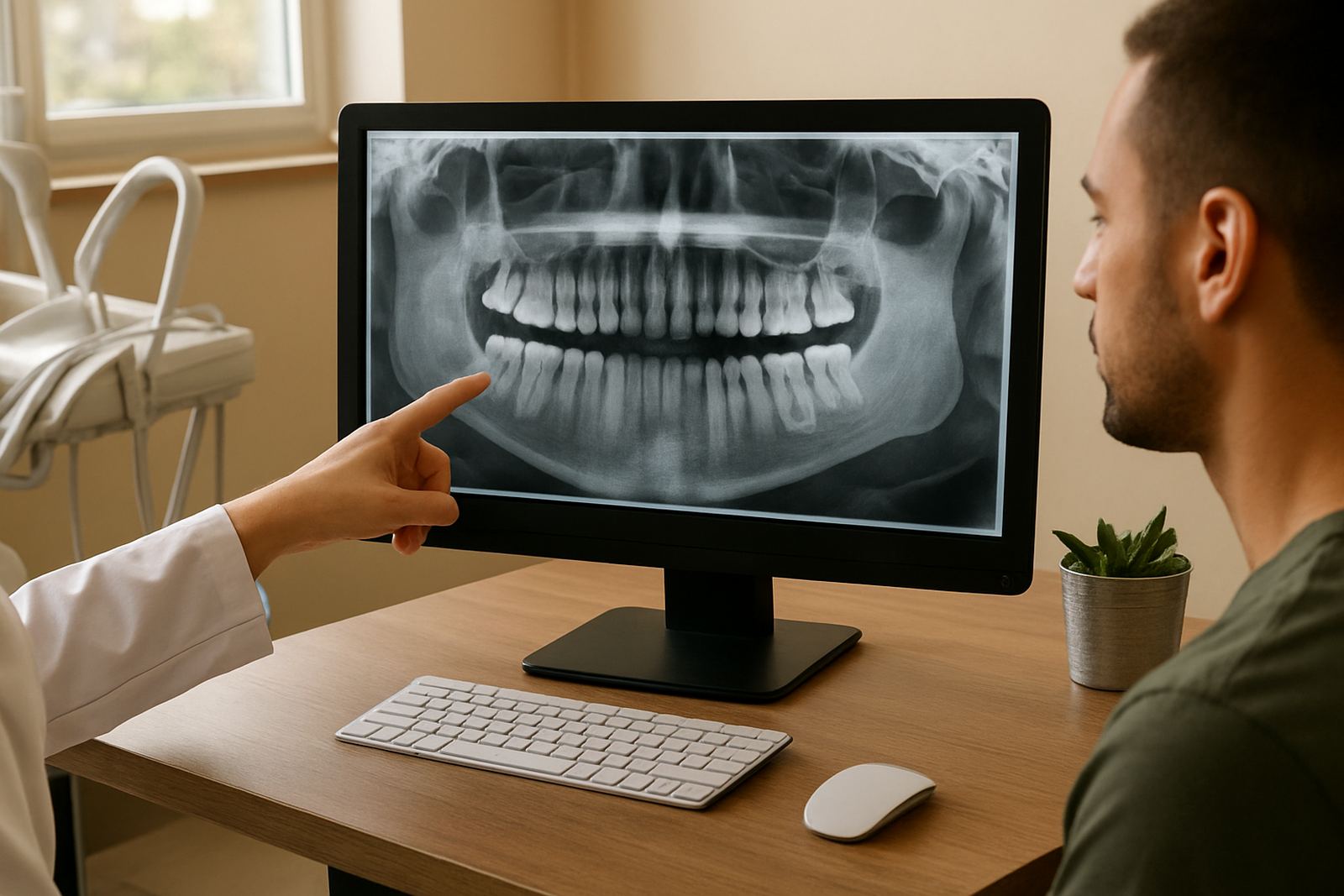
A good removal starts with proper planning. We begin with a consultation, a clinical exam and digital imaging so we can see the position of the tooth, the roots and the surrounding bone. This matters especially for lower wisdom teeth, where the nerve canal may run close to the roots. Planning also helps us decide whether the tooth can be removed in the chair or whether a more involved surgical approach is needed.
For some patients, especially those with gag sensitivity, dental anxiety or a strong gag reflex, sedation options may be discussed. We also talk through the recovery period, time off work and what to do if you are travelling between offices in Sandton, Bryanston or Fourways. Clear planning reduces surprises and helps the patient prepare properly.
- Digital imaging review before treatment
- Assessment of nerve and sinus proximity
- Review of medication, allergies and medical history
- Sedation discussion where clinically suitable
- Recovery planning for work, study and driving
Removal options and procedure sizes
Wisdom tooth removal is not one standard procedure. Some teeth are fully erupted and can be removed in a straightforward appointment, while others are tilted, buried under gum or partially covered by bone. The approach depends on the tooth size, the root shape, how much access there is, and whether the tooth needs to be sectioned into smaller pieces during removal.
For simpler cases, the tooth may be loosened and lifted out with local anaesthetic. For surgical removals, a small gum opening may be made, and a little bone removed for access. If the tooth is large or angled against the next tooth, it may be divided first to limit force and protect nearby structures. Patients often worry about the word surgery, but in practice the aim is controlled, careful removal with as little trauma as possible.
- Simple extraction: fully erupted tooth with clear access
- Surgical extraction: impacted or partly covered tooth
- Sectioned removal: tooth divided for easier, safer removal
- Single tooth or multiple teeth: based on symptoms and planning
What the appointment feels like
Local anaesthetic is used so the area is numb before the tooth is removed. If sedation is chosen, we explain what to expect beforehand and what escort arrangements are needed afterwards. Most patients feel pressure rather than pain during the procedure, though a bit of tugging and jaw movement is normal. The length of the appointment depends on the tooth position and whether one or both sides are being treated.
We keep the process practical and calm, with checks at each stage. If a tooth is tightly impacted, the appointment may take longer, but careful work is worth it because it usually means less trauma and a smoother recovery. For patients coming from Morningside or Rosebank during busy traffic times, we also advise on how long to allow before heading back to work or home.
- Numbing with local anaesthetic first
- Sedation available in suitable cases
- Pressure is common, sharp pain should not be
- Appointment time varies by tooth position
- Escort needed after sedation or complex treatment
Aftercare, healing and follow-up
Aftercare has a big effect on comfort and healing. You will receive clear instructions on biting on gauze, managing swelling, eating soft foods and keeping the area clean without disturbing the clot. The first 24 hours matter most. Smoking, vigorous rinsing and using straws too soon can increase the risk of delayed healing or dry socket.
Most people get back to normal routines within a few days, though more complex surgical removals may need a little longer. Cold compresses can help in the first day, and gentle salt water rinses are usually started later as advised. We also offer aftercare follow-ups where needed, especially if the tooth was infected or difficult to remove.
- Soft foods for the first day or two
- Avoid smoking and straws during early healing
- Use prescribed medication as directed
- Keep the area clean without aggressive rinsing
- Return for review if swelling increases or pain worsens
What to check before you book
When arranging wisdom tooth removal, it helps to check a few practical details so the day runs smoothly. Make sure the practice has reviewed your x-rays or can take imaging on site, confirm whether sedation is suitable, and ask what the expected healing time is for your case. If you are juggling work in Sandton CBD or school runs in Fourways, knowing whether you can drive afterwards is important. For patients with medical conditions, medication lists and blood thinners must be reviewed before treatment.
It is also worth asking about payment guidance before the appointment, especially if more than one wisdom tooth needs attention. Some patients need one side removed first, while others prefer to plan both sides over separate visits. A proper plan helps you budget, schedule time off and avoid repeated pain episodes.
- Was the tooth fully assessed with imaging?
- Is the procedure simple or surgical?
- Will you need sedation or someone to drive you home?
- What medicine or fasting instructions apply?
- How many visits are likely needed?
Key facts
| Treatment focus | Wisdom tooth assessment and removal for painful, impacted or infected teeth |
|---|---|
| Options | Simple extraction, surgical extraction, sectioned removal, local anaesthetic, sedation where suitable |
| Typical appointment | About 30 to 90 minutes depending on tooth position and complexity |
| Ideal for | Patients with pain, swelling, food trapping, decay or crowding at the back of the jaw |
| Aftercare | Soft diet, swelling control, medication guidance and review if needed |
| Service area | Sandton, Bryanston, Rivonia, Morningside, Fourways and Rosebank |