
What Root Canal Treatment Does for an Infected Tooth
Root canal treatment is used when the soft tissue inside a tooth, called the pulp, has become infected or damaged. This can happen after deep decay, a crack, repeated dental work or trauma. If the infection is not treated, the pain may get worse and the tooth can become too weak to keep. In many cases a root canal lets us save the tooth rather than remove it.
The treatment works by cleaning out the infected space inside the tooth, shaping the canals and sealing them so bacteria cannot return easily. The aim is to remove pain and protect the tooth structure, while keeping the tooth in place for chewing and speech. It is a precise procedure and needs good diagnosis, steady technique and proper follow-up.
- Helps relieve lingering toothache, pressure and sensitivity
- Supports saving a natural tooth instead of extraction
- Useful when infection reaches the pulp or root canals
- Often followed by a filling or crown for strength
When a Root Canal Is the Right Option
This treatment suits patients with deep decay, swelling around a tooth, pain on biting, or a tooth that has become tender to hot and cold. It can also help when an old filling has failed or a tooth has been damaged by an accident. For some people the tooth may not hurt much yet, but an X-ray shows infection at the root tip.
Not every painful tooth needs the same approach. Some teeth can be managed with a filling, others need a crown, and some may be better removed if the damage is too far gone. Our team looks at the tooth, the bite and the surrounding gum and bone before advising on the best option. If there is facial swelling or severe pain we usually treat it as urgent, because waiting can make matters worse.
- Deep decay close to the nerve
- Swelling, abscess or a pimple on the gum
- Cracked or injured tooth with nerve damage
- Persistent sensitivity after temperature changes
How We Plan the Procedure in Sandton
Root canal treatment at our Sandton base starts with an examination and digital imaging. We check the tooth, surrounding teeth and jawbone so the plan is accurate from the start. In some cases we use a small digital scan to map the roots and confirm how many canals need treatment, because some teeth have more than one pathway and they do not always follow the same pattern.
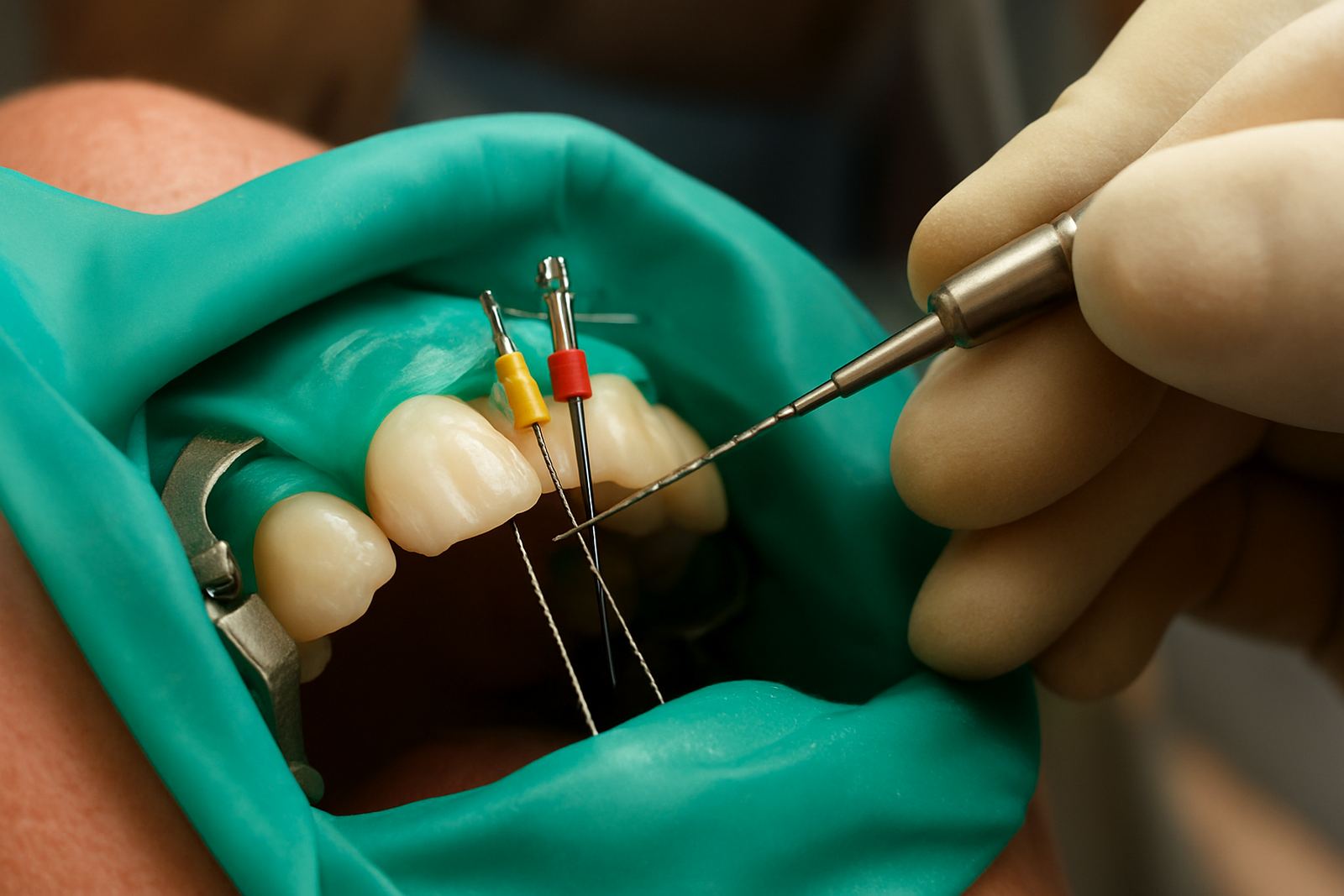
Most patients need local anaesthetic, and for anxious patients we can discuss sedation options where suitable. The tooth is isolated during treatment so the area stays clean and dry, which improves control and helps with sealing. Depending on the tooth and how infected it is, treatment may take one appointment or two. Front teeth are often quicker, while molars usually take longer because the anatomy is more complex.
- Initial exam and X-rays or digital imaging
- Local anaesthetic and isolation of the tooth
- Cleaning, shaping and disinfection of the canals
- Sealing of the canals and temporary or final filling
Sizes, Tooth Types and Treatment Options
There is no single size for root canal treatment, because each tooth has different roots and canal shapes. A front tooth often has one canal and is usually less complex. Premolars may have one or two canals, while molars can have three or four, sometimes more. That is why treatment time, instruments and the number of visits can vary from one tooth to the next.
We also plan according to whether the tooth is a front tooth, premolar or molar, and whether there is re-treatment needed after a previous root canal has failed. If the infection is difficult to reach, an endodontic referral or additional imaging may be needed. In some cases aftercare includes a build-up and crown to protect the tooth from cracking under chewing pressure. This is especially important for back teeth that carry heavier loads.
- Front teeth: usually single canal, shorter appointment
- Premolars: may need one or two canals
- Molars: multiple canals, more detailed cleaning
- Re-treatment: for teeth with previous root canal work that needs correction
Power, Equipment and Infection Control
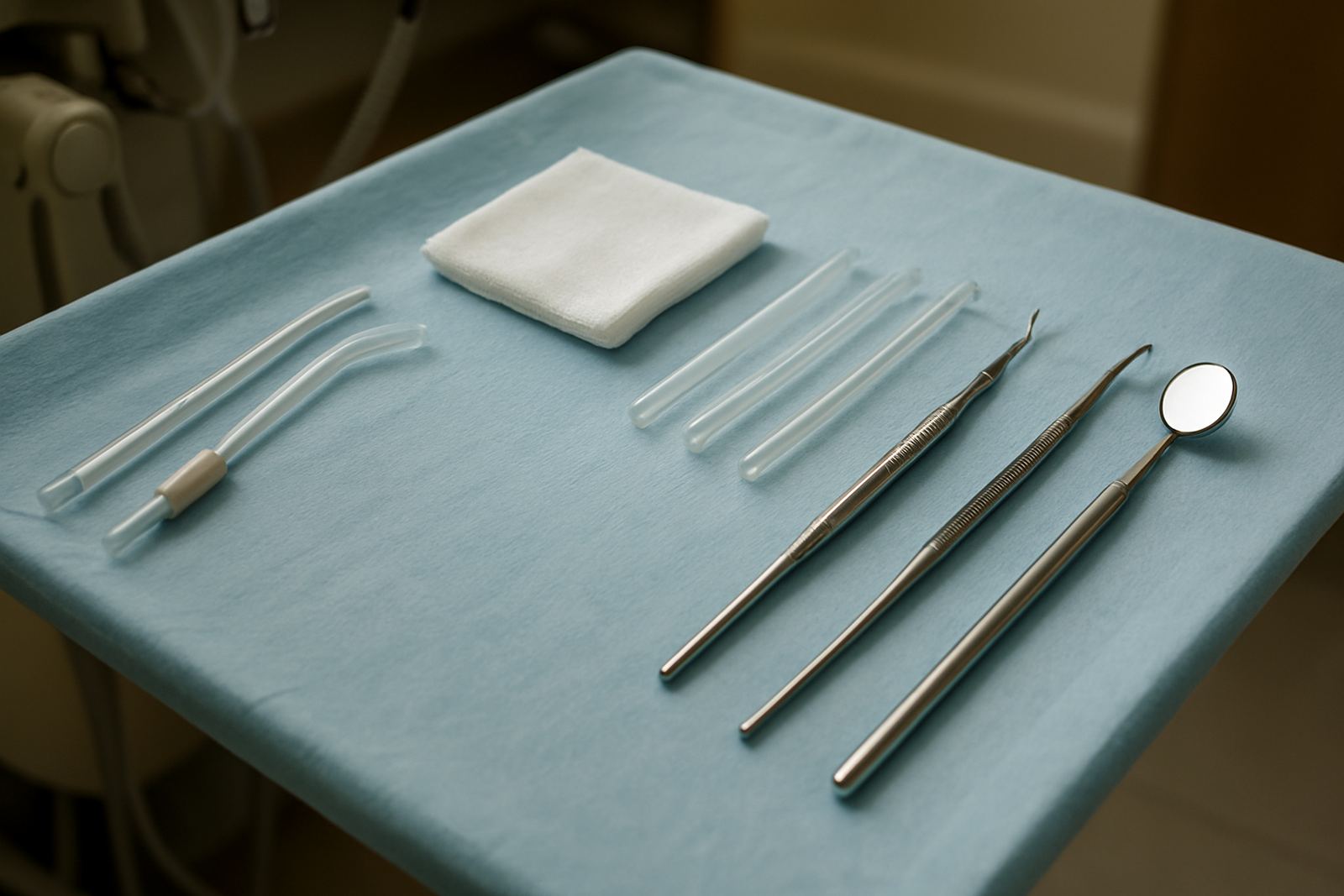
Dental root canal work relies on electrically powered equipment, imaging systems and fine hand instruments. There is no gas requirement for the tooth itself, but local anaesthetic is used and, where suitable, sedation may be discussed. Because load-shedding can interrupt clinical flow, we keep essential systems managed so care can continue as safely as possible during normal working conditions. The practice also follows strict cleaning and sterilisation steps for every patient.
For patients, the main thing to know is that the room needs stable power for imaging, lighting and instrumentation. If you are booking for an emergency, tell us about swelling, fever, medication use and any allergies. That helps us plan the appointment properly and choose the right level of care. Coastal humidity is not the issue here in Sandton, but gum health and dry mouth can still affect how a tooth responds after treatment.
- Local anaesthetic, with sedation discussion where suitable
- Digital X-ray or scan support for diagnosis
- Sterile instruments and sealed canal materials
- Emergency assessment for pain, swelling or abscess
Aftercare, Servicing and What to Check Before You Book
After treatment, the tooth may feel tender for a few days. We usually advise softer food on that side, good brushing and flossing, and sticking to any prescribed medicine or instructions. A root canal is not complete until the tooth is properly sealed and, in many cases, restored with a crown or permanent filling. That final step matters because a treated tooth can be more brittle than a healthy one.
When ordering care for a root canal, check whether the clinic provides diagnosis, the root canal procedure, temporary sealing, final restoration and follow-up. Ask how many visits may be needed, whether the tooth will need a crown, and what happens if the tooth does not settle as expected. It is also worth confirming emergency access if pain returns. For patients travelling from Bryanston, Rivonia, Morningside, Fourways or Rosebank, good scheduling helps reduce repeat trips and time off work.
- Ask if the quoted plan includes imaging and follow-up
- Check whether a crown or final build-up is needed
- Confirm the expected number of visits
- Ask about pain control and emergency support after treatment
Care for Patients Across Sandton and Nearby Areas
Our practice serves Sandton patients as well as people from Bryanston, Rivonia, Morningside, Fourways and Rosebank. We see many patients who put off treatment because they hope the pain will pass, but infected teeth usually need proper intervention. The earlier we assess the tooth, the better the chance of saving it. If you have swelling, a bad taste, or pain that keeps you awake at night, do not wait for it to settle on its own.
Dr Sibusiso Mthembu and the team work with careful planning, clear communication and practical aftercare guidance. Whether the case is straightforward or more involved, we aim to treat the infection, protect the tooth and make the process as comfortable as we can. If a root canal is not the right answer, we will say so and talk through the next step plainly.
Key facts
| Treatment type | Endodontic care for infected or inflamed tooth pulp |
|---|---|
| Typical appointment length | 45 to 90 minutes for many teeth, longer for molars |
| Visits needed | 1 to 2 for most straightforward cases, more if re-treatment is required |
| Anaesthesia | Local anaesthetic, with sedation options discussed where suitable |
| Imaging | Digital X-rays, with additional scans where needed |
| Aftercare | Temporary or final restoration, follow-up review and crown assessment |