
What Metal Braces Do For Alignment and Bite Correction
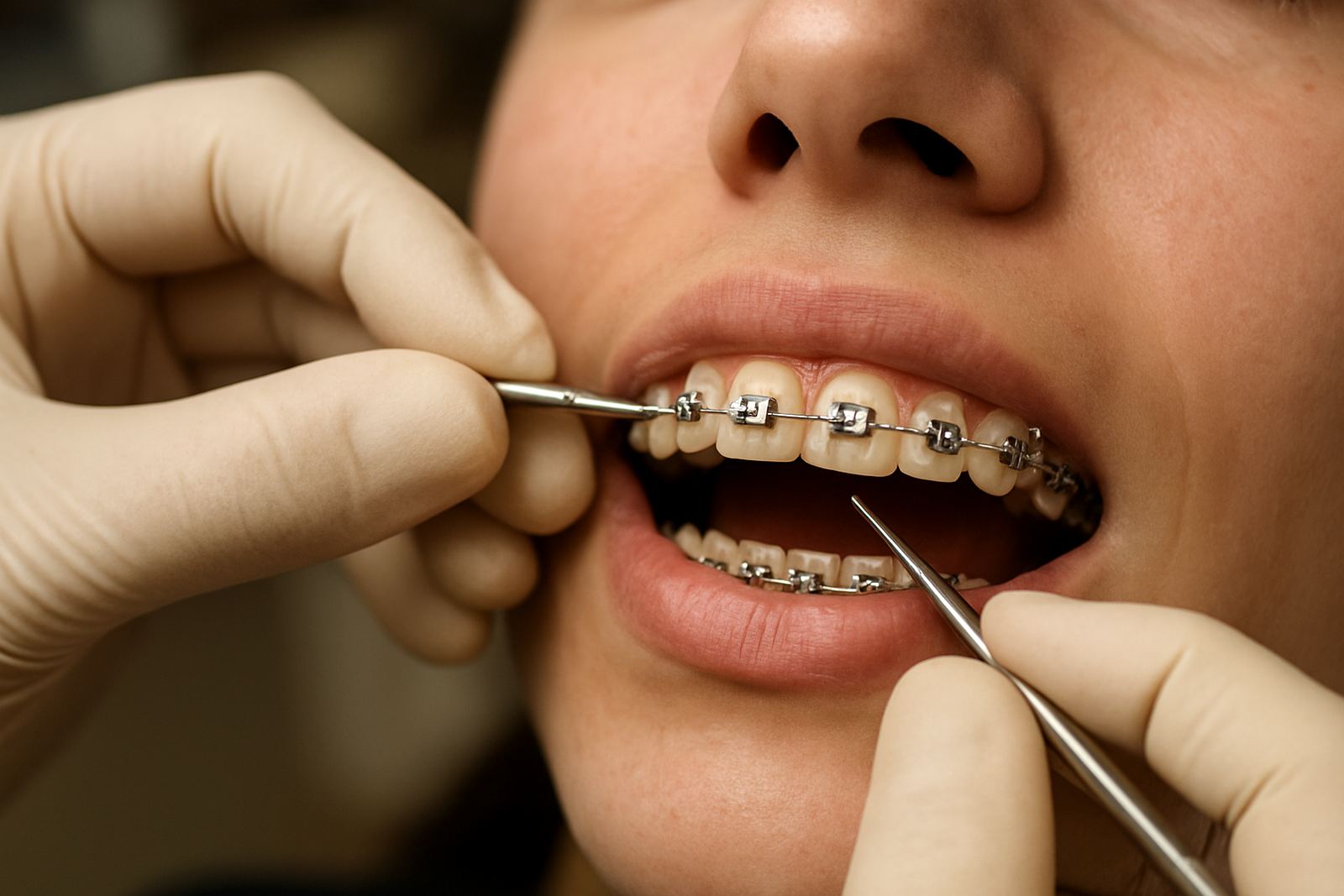
Metal braces use small brackets fixed to the teeth and a wire that is adjusted over time to guide the teeth into better positions. They are commonly used where there is crowding, large gaps, rotated teeth, overbites, underbites and crossbites. Because the appliance stays in place, it works all day and night, which is useful for patients who want reliable movement without having to remember to wear removable aligners.
For many teenagers and adults in Sandton, Bryanston and Rivonia, this is a practical option where there is moderate to complex correction needed. It is also a good choice when a case needs careful control of tooth movement, especially where bite changes must be managed in stages. Our orthodontic assessments look at spacing, jaw relationship, gum health and the condition of fillings or crowns before treatment starts.
Bracket Sizes, Wire Options and Treatment Choices
Metal braces are not one-size-fits-all. The bracket system, wire sequence and appointment timing are selected according to the level of crowding and how much movement is required. In simple terms, smaller corrections may need lighter wires at first, while more involved bite work may need firmer wire changes later on.
- Bracket type: standard fixed metal brackets for full-time tooth control
- Wire stages: light initial wires, then shaping and finishing wires
- Elastic use: may be added for bite correction and midline control
- Extra appliances: small springs or separators may be used when space needs to be created
- Appointment frequency: usually every 4 to 8 weeks depending on progress
Metal braces suit patients who want a dependable option and do not mind the brackets being visible. They are often preferred where there are deeper bite issues, rotated teeth or teeth that have not moved well with other methods. In many cases, treatment planning also considers school schedules, work meetings and travel to the office, so visits can be kept as manageable as possible.
Who Metal Braces Suit Best In Sandton
This treatment suits children, teenagers and adults who need fixed orthodontic correction and are happy to commit to regular reviews. It is commonly recommended for patients with crowded front teeth, wider spaces, bite wear, teeth that tip in different directions or arches that do not meet properly. If you live or work around Sandton, Morningside, Fourways or Rosebank, the fixed nature of braces can be helpful because it does not depend on daily compliance.
They also suit patients with busy days and load-shedding interruptions because the braces themselves do not need charging, power or gas. Once fitted, they continue working without interruption. That makes them practical for people who do not want to manage batteries, equipment charging or storage cases for removable appliances. We often discuss whether a patient would manage the cleaning and food restrictions before moving ahead.
- Good for crowding and spacing
- Good for bite correction and midline shifts
- Suitable for patients needing close monitoring
- Useful when treatment needs strong control from start to finish
Fitting, Adjustments and What Happens At The Chair
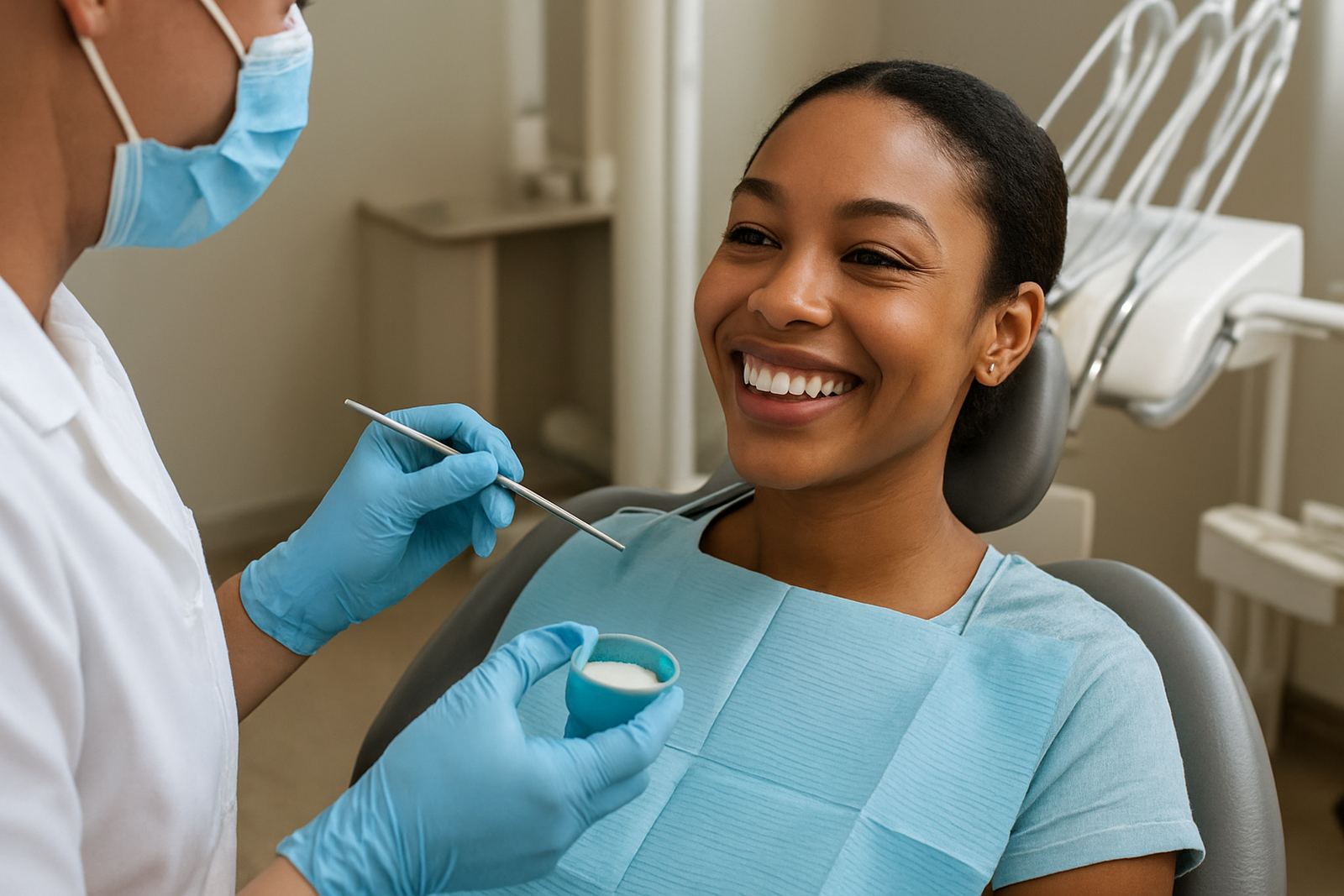
Braces are fitted in the chair without the need for surgical work in most cases. The teeth are cleaned, brackets are bonded in position and the first wire is placed. The process is usually done on both arches when required, and the appointment length depends on how many teeth are being bracketed and whether any separators are needed first. The mouth may feel tight for a few days after fitting, which is normal.
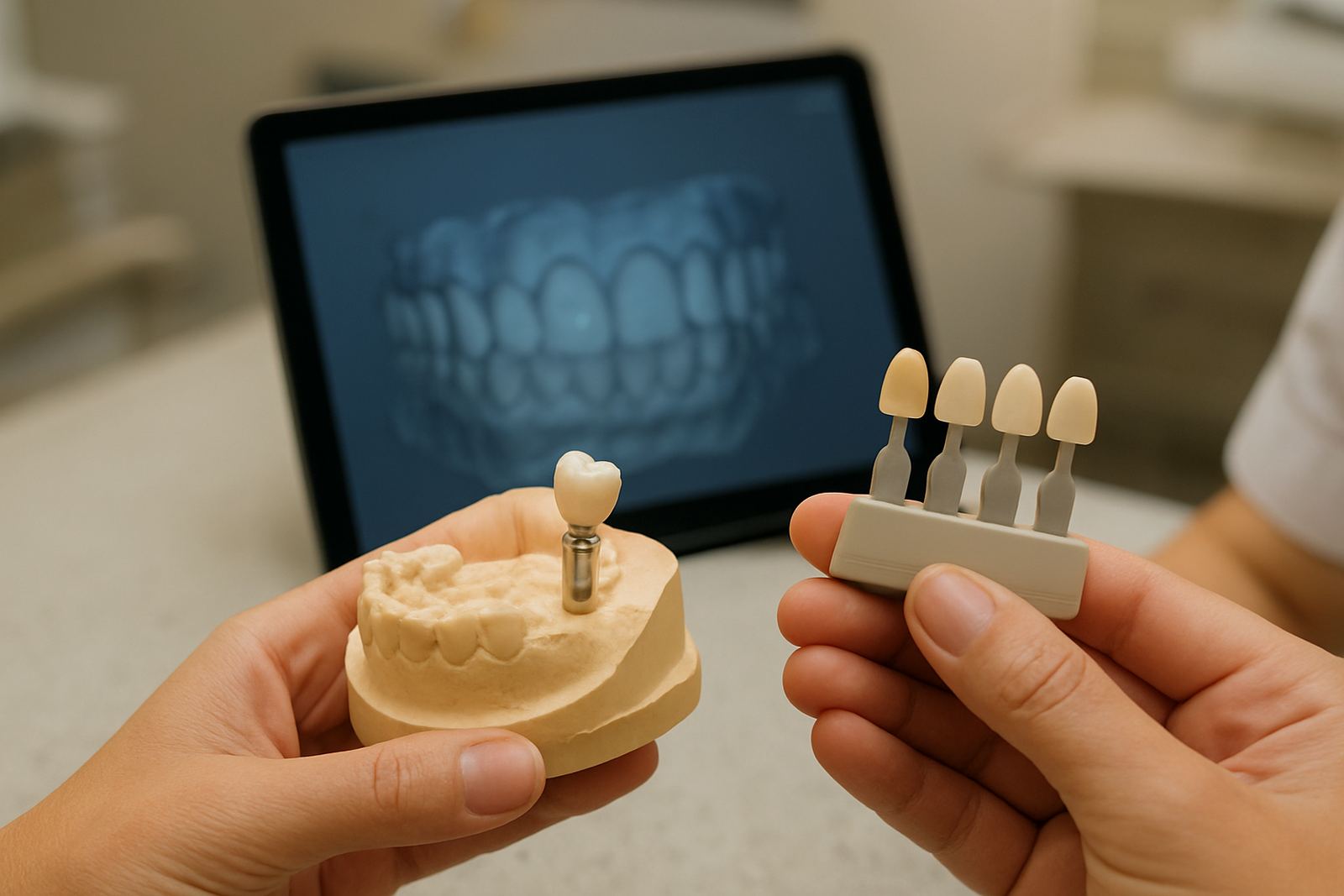
Follow-up visits are used to change wires, check tooth movement and manage any sore spots or loose parts. If rubber bands are prescribed, we show you exactly how to wear them and when to change them. No electricity or gas is needed for the braces themselves, but good lighting and imaging equipment are used during planning and checks so the details stay accurate. We also give payment guidance before treatment starts, which helps families plan properly.
- Initial clean and assessment before bonding
- Brackets fixed with dental adhesive
- Wire fitted and secured with small ligatures or clips
- Regular reviews every few weeks
- Finishing phase once the teeth are close to final position
Care, Cleaning and Servicing During Treatment
Braces need proper home care to keep gums healthy and to prevent white marks around the brackets. Brushing after meals is important, and patients should use a soft brush with care around the gumline and bracket edges. Flossing tools or threaders may be recommended where the spaces are tight. Hard, sticky and chewy foods can bend wires or loosen brackets, so diet matters too.
We review the mouth at each appointment and deal with any broken parts, rough spots or food trapping. If a wire starts poking, wax can be used for comfort until the next visit. Patients from coastal areas may be used to humidity affecting food storage and general household care, but the braces themselves are not affected by weather. What matters most is regular cleaning, avoiding damage and keeping follow-up appointments. A little care at home makes a big diffrence in how smooth the treatment goes.
- Brush after breakfast, lunch and supper where possible
- Use floss tools or interdental brushes daily
- Avoid biting into hard apples, ice and biltong pieces
- Keep scheduled adjustment visits
- Report any loose bracket or broken wire early
What To Check Before You Order Treatment
Before starting metal braces, it helps to check the condition of the teeth and gums, what kind of correction is needed and how long the patient can commit to follow-up care. We also look at whether there are missing teeth, active decay, impacted teeth or old restorations that could affect the plan. In some cases, extractions or a short period of preventive care may be needed before orthodontics starts.
Useful things to confirm before treatment include the expected length of treatment, whether both arches need braces, if elastics will be required and how payment will be handled over time. We also explain aftercare follow-ups, especially when braces come off and retainers need to be worn. If you are asking about metal braces for a child, teenager or adult in the Sandton area, we can guide you on the most suitable route and whether another option may fit better.
- Check gum health and any active tooth decay first
- Confirm whether one arch or both arches will be treated
- Ask about treatment length and review intervals
- Find out if extractions, elastics or bite aids are likely
- Ask about retainer wear after braces are removed
Key facts
| Treatment type | Fixed orthodontic appliance |
|---|---|
| Main purpose | Correct crowding, spacing and bite issues |
| Typical review interval | Every 4 to 8 weeks |
| Power or gas needs | None |
| Best suited for | Children, teens and adults needing controlled tooth movement |
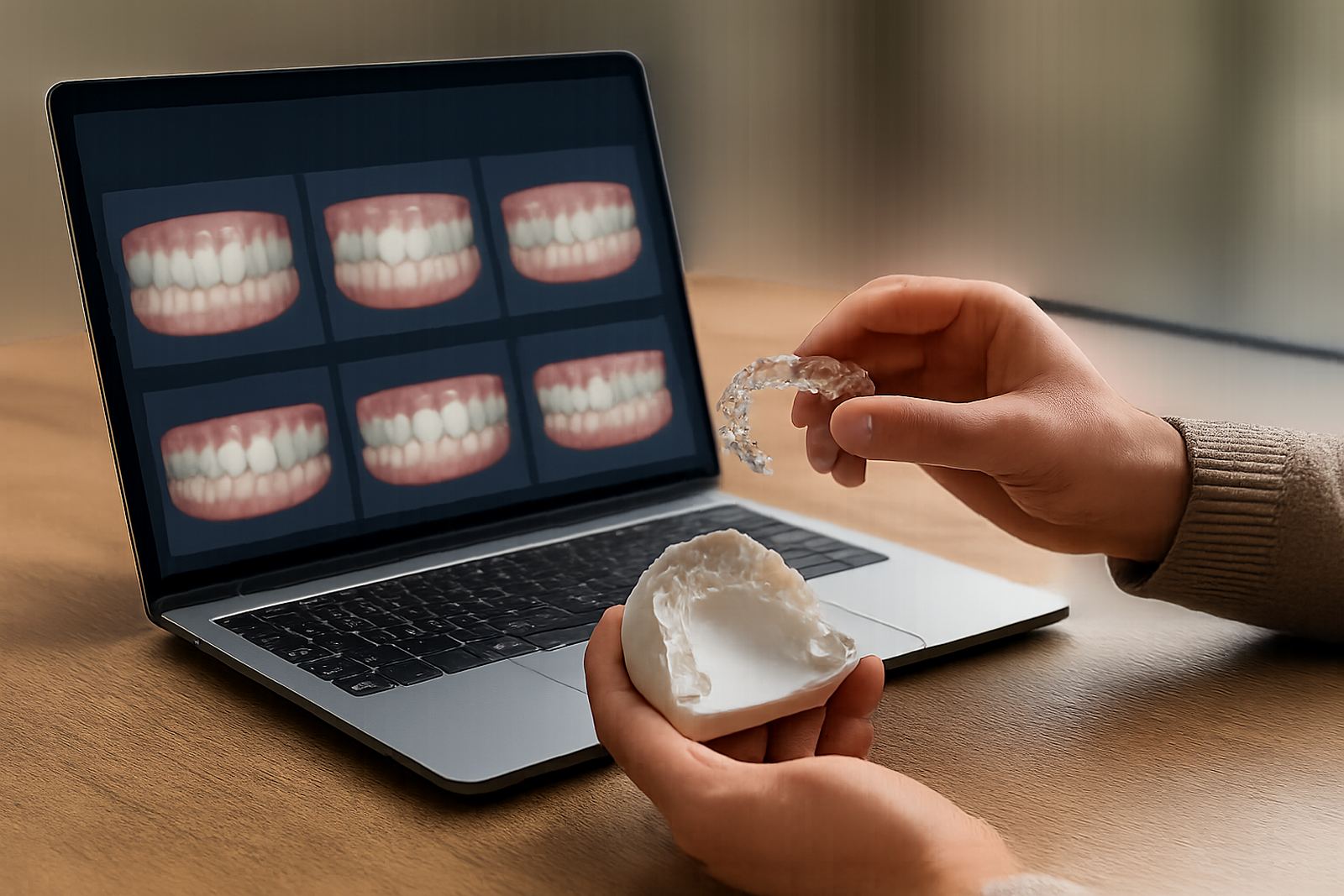
| Planning tools | Digital imaging, orthodontic assessment and progress checks |