What a Lingual Retainer Does Behind the Teeth
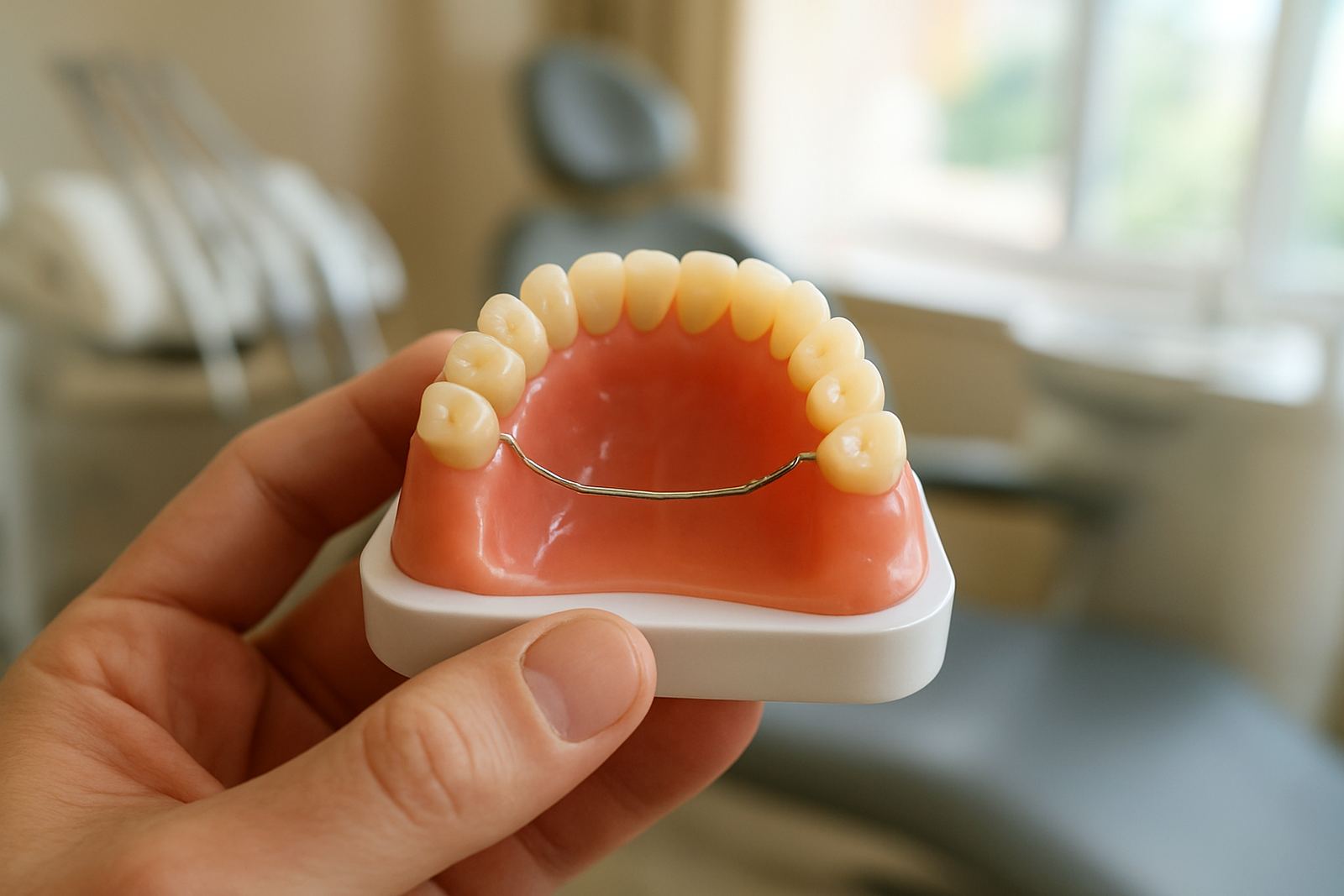
A lingual retainer is a thin wire bonded to the inside surface of the front teeth, usually across the lower arch and sometimes the upper front teeth. It keeps teeth from drifting after braces or clear aligners have finished, which is important because teeth can move slowly over time even when treatment has gone well.
At Techno-Dent Clinic in Sandton, we use lingual retainers for patients who want a fixed option that stays in place day and night. It is especially useful if you do not want to remember to wear a removable retainer every evening. The retainer is hidden from view, so it suits adults and teens who prefer a neat finish with no visible appliance.
Sizes, Wire Options, and Where It Suits
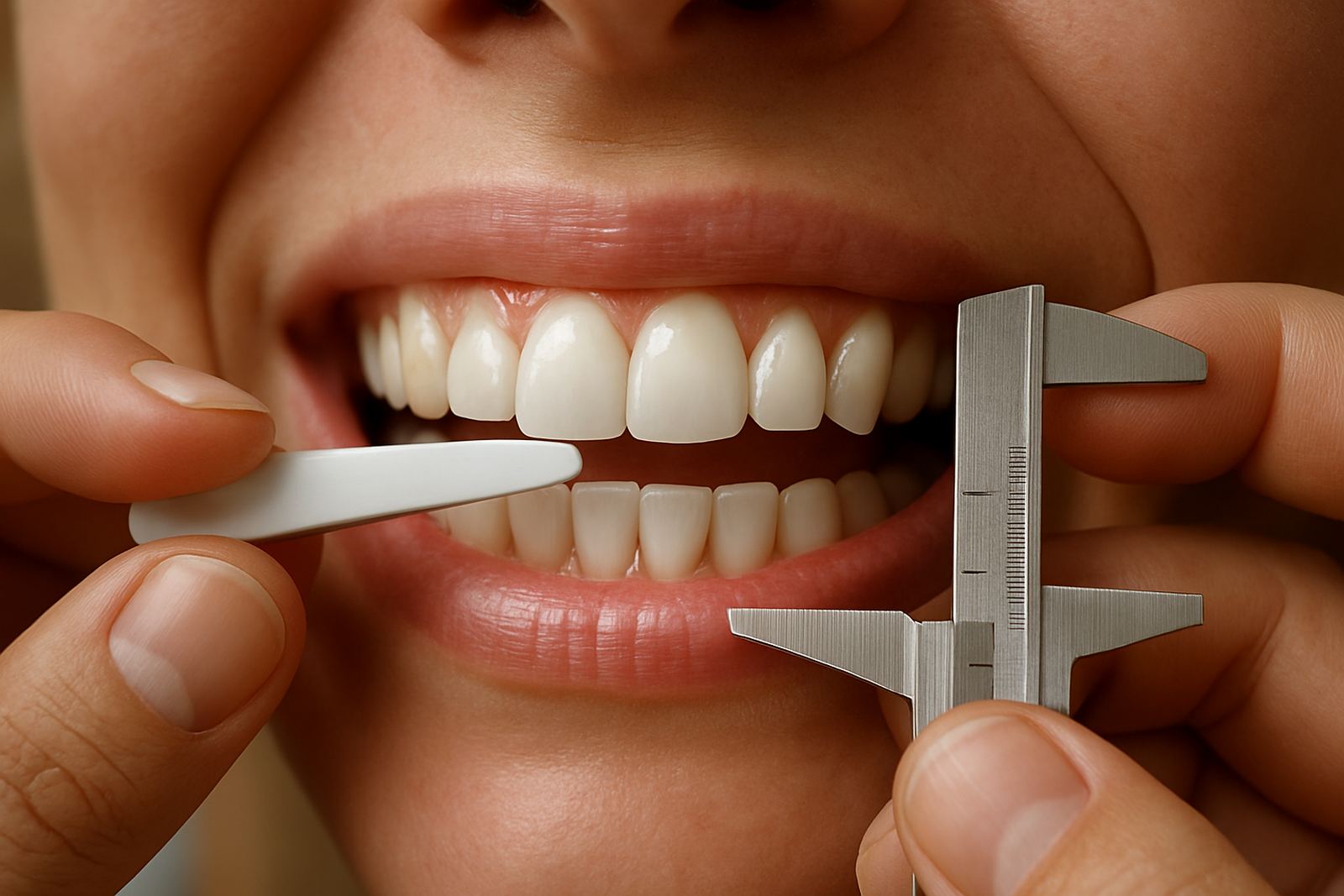
Lingual retainers are usually custom made for the shape of your teeth. The wire profile, bonding points and coverage are chosen after a scan or precise impression so the fit follows the natural curve of the teeth. Most cases use a multi-strand stainless steel wire, while some patients may be better suited to a reinforced version for extra stability.
- Arch coverage: lower front teeth, upper front teeth, or both arches depending on bite and relapse risk
- Wire form: flexible multi-strand wire for comfort, or a firmer option where extra control is needed
- Bonding points: usually 2 to 6 teeth per arch, based on spacing and crowding history
- Best suited for: post-braces retention, post-aligner retention, closing spaces, and holding rotated teeth in position
These retainers work well for patients in Sandton, Bryanston, Rivonia, Morningside, Fourways and Rosebank who want a low-visibility solution and easy day to day wear. They are also practical for people with busy schedules, since there is no need to remove and replace them at home.
How Fitting Works at Our Sandton Practice
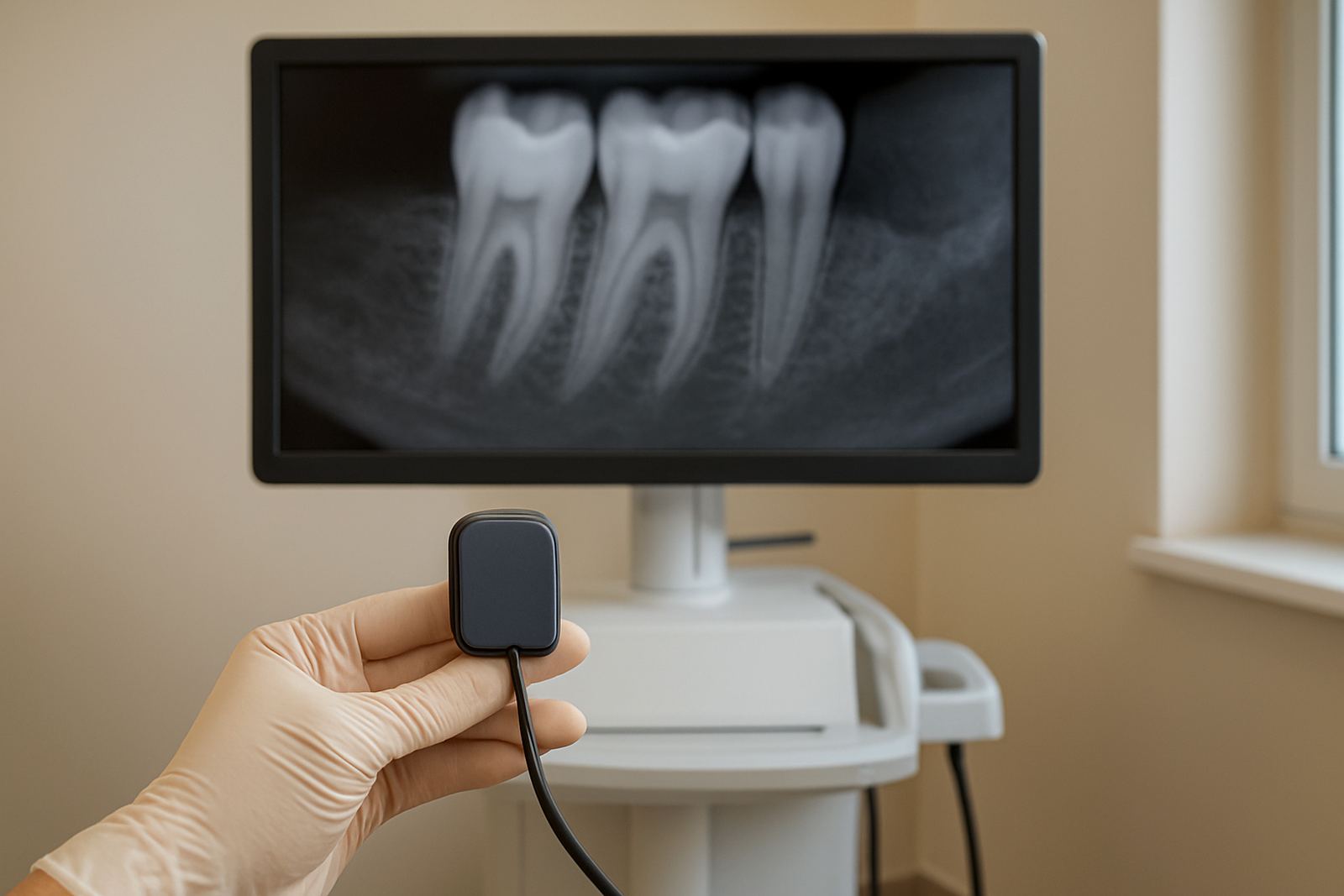
Fitting starts with an orthodontic assessment and a check of how stable the teeth are after treatment. We then take a digital scan or accurate model of the teeth, clean the bonding surfaces and position the retainer wire carefully behind the teeth. A tooth-coloured bonding material is used to hold the wire in place.
The procedure is done in the chair and usually does not need anaesthetic. There is no gas requirement and no mains power requirement for the retainer itself, although normal clinical equipment is used during the scan, bonding and polishing stages. Most patients leave the practice the same day and can eat soft foods once the adhesive has set.
- Appointment time: about 30 to 60 minutes per arch
- Comfort: mild pressure at most, with no cutting or drilling into the teeth
- Immediate use: fixed in place before you leave the practice
- Follow-up: a short review is often booked to check the bond and bite contact
Care, Cleaning, and Servicing Over Time
A lingual retainer needs regular care because plaque can collect around the bonded points and under the wire. You will still brush twice a day, but you may also need floss threaders, interdental brushes or water irrigation to clean under the wire properly. If you grind your teeth at night, tell us early as this can put extra strain on the retainer and the bonding points.
We recommend checking the retainer at routine dental visits, especially if you feel a rough edge, notice movement, or hear a click when biting. Small repairs are common and easier to sort out early. In humid coastal conditions around greater Johannesburg travelling from one appointment to the next is not usually an issue, but good home care and regular reviews matter more than anything else.
- Brush carefully around the bonded pads and gumline
- Avoid biting hard items like ice, pens and hard sweets
- Use floss aids to clean between teeth and under the wire
- Report any looseness, breakage, or soreness straight away
What to Check Before You Order One
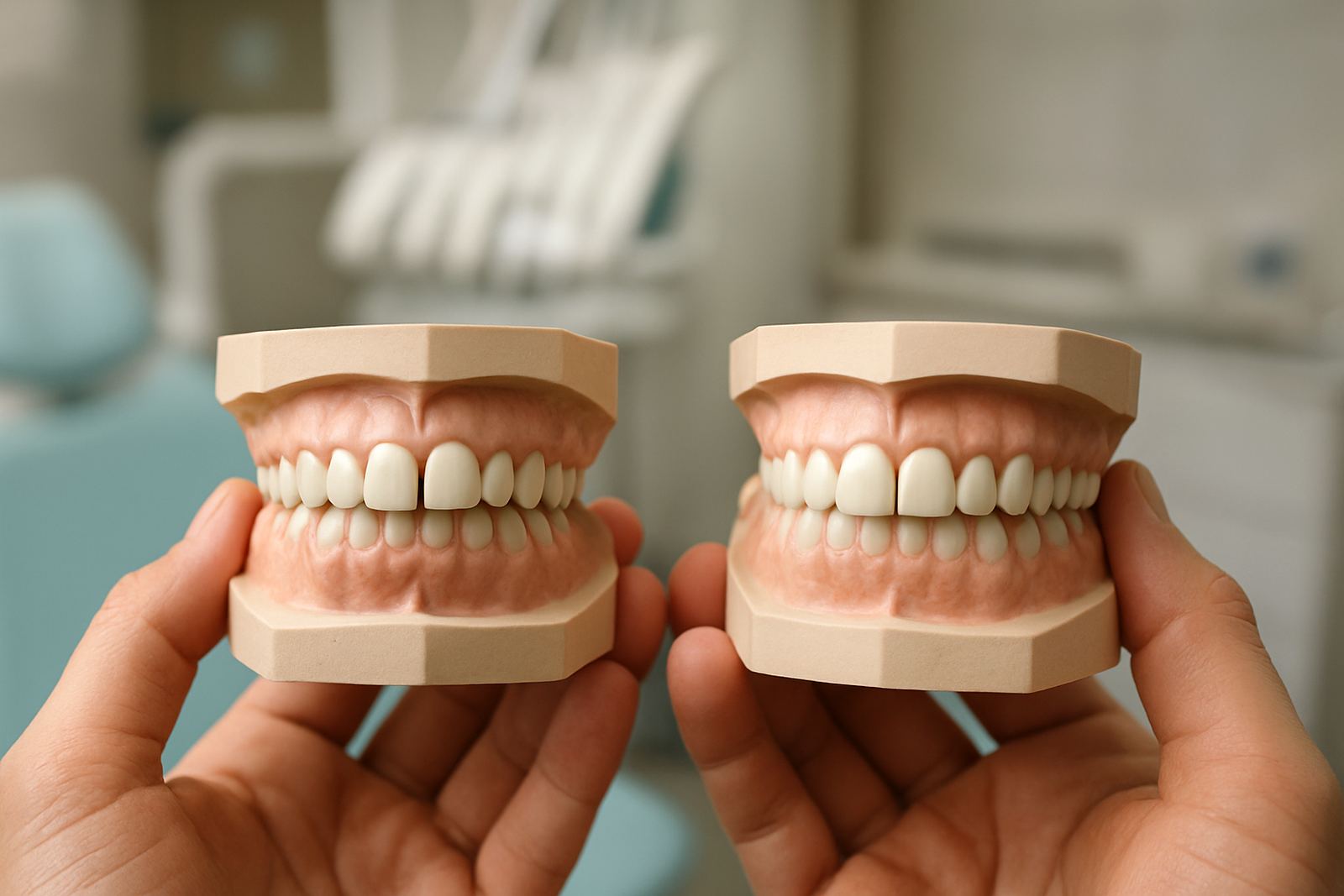
Before fitting a lingual retainer, we check that the bite has settled properly and that the teeth are stable enough for a fixed appliance. It also helps to know whether there is crowding, previous relapse, wear from grinding, or a history of broken retainers. These details guide the wire type and the number of teeth that should be bonded.
You should also confirm whether you need a single arch or both arches, whether you want a fixed retainer only or a fixed retainer with a removable backup, and whether there are any fillings or restorations on the back of the teeth that may affect bonding. If you are balancing treatment costs, we can talk through payment guidance and follow-up planning before the retainer is made.
Who We Fit Lingual Retainers For in Johannesburg
Techno-Dent Clinic supports patients from Sandton and nearby areas including Bryanston, Rivonia, Morningside, Fourways and Rosebank. Lingual retainers are a good fit for patients who want their orthodontic results maintained with a discreet appliance that does not need daily removal. They are often chosen after braces, aligners, or any treatment where small spaces and rotated teeth were corrected.
Because the wire sits behind the teeth, it can help preserve a finished smile with minimal visibility in work meetings, school events, or client-facing roles. If you are unsure whether a fixed retainer is the right option, we can compare it with removable retainers and explain how each one behaves over time.
Key facts
| Type | Fixed bonded retainer placed on the inside of the teeth |
|---|---|
| Material | Stainless steel multi-strand wire with tooth-coloured bonding resin |
| Coverage | Lower front teeth, upper front teeth, or both arches |
| Fit Method | Custom scan or impression followed by chairside bonding |
| Power / Gas Needs | No power or gas needed for the retainer itself |
| Care Interval | Check at routine dental visits, with repair if any bond loosens |