What tooth reshaping actually does
Tooth reshaping, also called enamel contouring, is a conservative cosmetic treatment that removes a very small amount of enamel to improve shape and line. It is best for minor flaws such as rough edges, small overlaps, tiny chips and teeth that look slightly too pointed or uneven.
Because only the outer enamel is adjusted, the treatment is usually quick and does not need injections in many cases. The aim is not to make every tooth look identical, but to create a neater, more even smile that still looks like you.
When it suits, and when we may suggest another option
This treatment suits patients who want small changes rather than a full cosmetic overhaul. It can be useful after orthodontic treatment, before whitening, or as a finishing step alongside bonding or minor smile design work. In our Sandton practice, we often see patients from Bryanston, Rivonia, Morningside, Fourways and Rosebank who want a simple fix with limited downtime.
- Best for minor chips, ridges and uneven tooth edges
- Works well on front teeth and visible side teeth
- Useful when teeth are healthy and the enamel is strong
- Not suitable if a tooth has deep wear, decay, cracks or sensitivity that needs treatment first
- May be combined with composite bonding for a fuller result
We check the bite first, because reshaping should never leave a tooth thinner than it should be or change the way the teeth meet.
Sizes, options and the level of change available
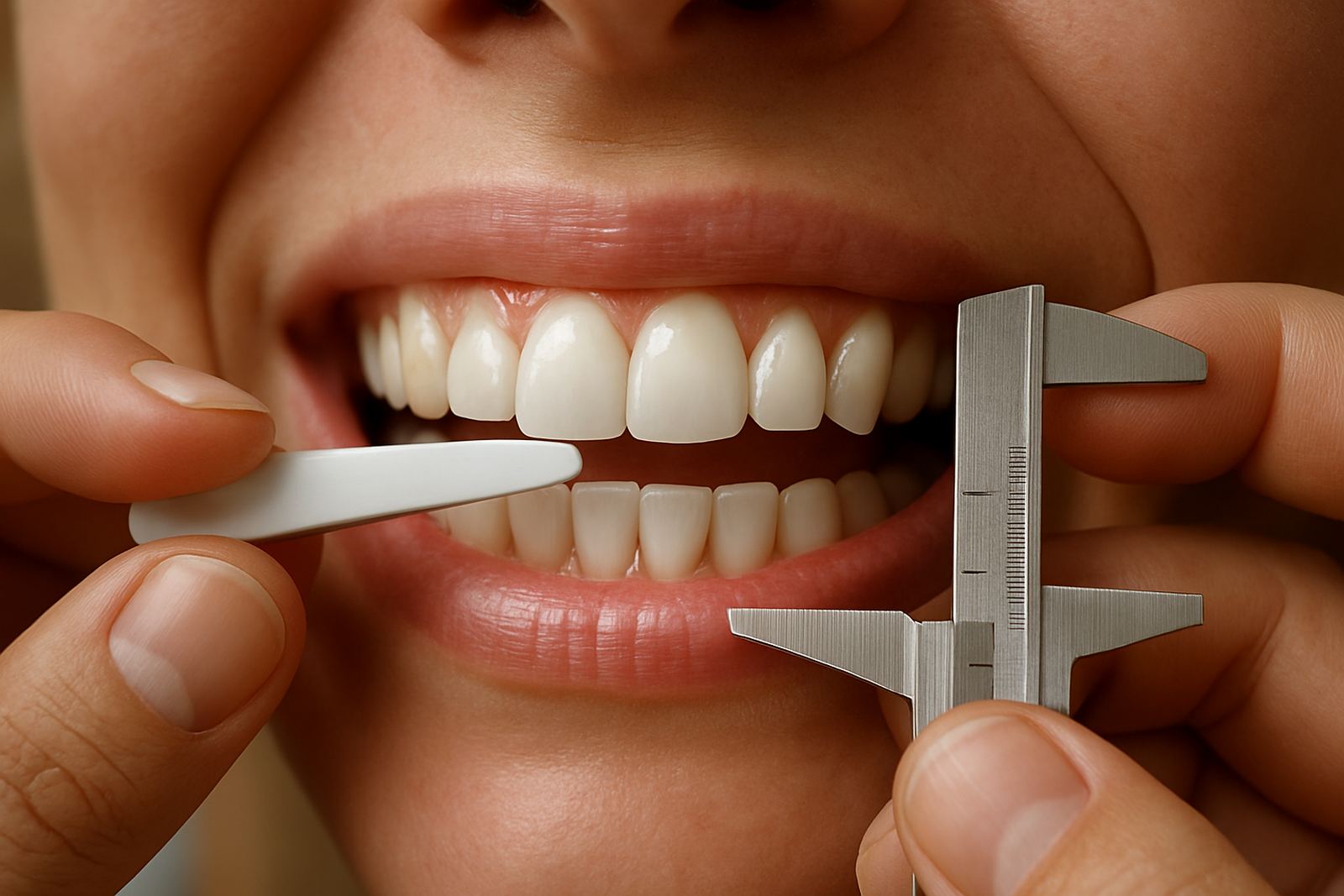
There is no one standard size for tooth reshaping. The amount removed is usually measured in fractions of a millimetre, and the plan is tailored tooth by tooth. Some patients only need the tip of one incisor smoothed, while others benefit from light contouring across several front teeth for balance.
Options depend on the enamel thickness, the amount of wear already present, and whether the bite allows any adjustment. In simple cases we may reshape just the visible edge. In more detailed cases we can refine the line between neighbouring teeth, smooth slight unevenness between upper front teeth, or reduce tiny points that catch the lip.
- Minimal contouring: very light smoothing for chips and roughness
- Moderate contouring: shaping several edges for better symmetry
- Combined treatment: reshaping plus bonding or whitening planning
- Digital smile design support: useful for checking balance before any change is made
How the appointment is planned and carried out
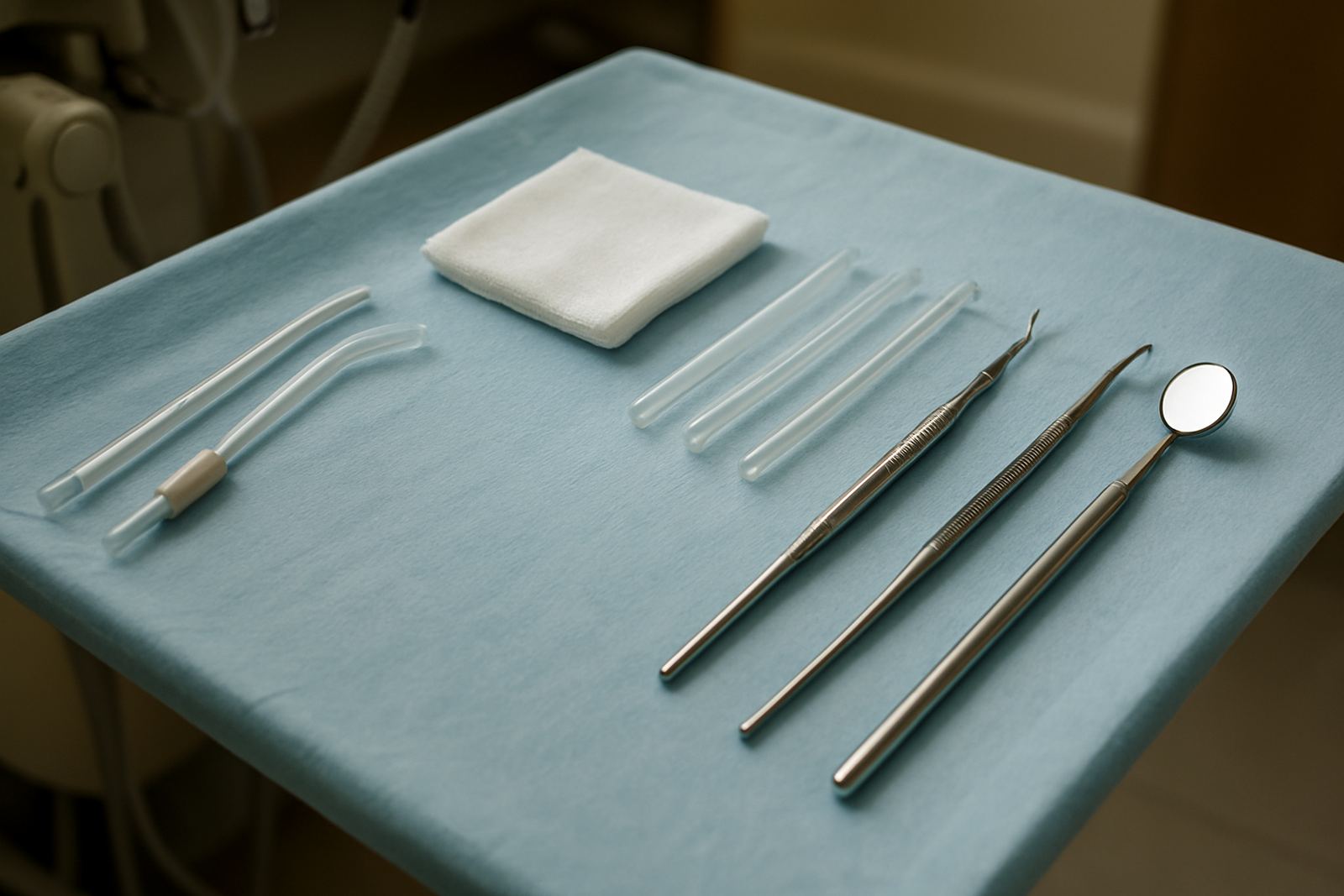
Most appointments begin with a clinical exam, photos and a bite check. If needed, we use digital imaging to map the tooth shape and confirm how much enamel can be safely adjusted. That helps us avoid over-trimming and lets the patient see the intended result before treatment starts.
The reshaping itself is usually done with fine finishing instruments and polishing steps. In many cases it is a single visit procedure that takes about 20 to 45 minutes, depending on how many teeth are involved. If a patient has sensitivity, worn enamel or more complex alignment issues, we may recommend staged treatment instead of doing everything at once.
We also discuss home care and the best follow-up interval. Small changes can make a big difference, but precision matters and once enamel is removed it cannot be replaced, so the work needs a careful hand not a heavy one.
Care, servicing and what to expect afterwards
After tooth reshaping, most people can eat and speak normally straight away. The teeth may feel slightly different for a day or two while the tongue gets used to the new edges. If a small amount of polishing was done near a sensitive area, mild tenderness can happen but it usually settles quickly.
- Use a soft toothbrush and non-abrasive toothpaste
- Avoid biting hard pens, ice or fingernails
- Keep up with routine cleanings and check-ups
- Tell us if a reshaped edge feels sharp or uneven later
- Follow any instructions if whitening, bonding or aligner treatment is planned next
For patients who clench or grind at night, we may suggest a protective appliance because heavy biting can wear the adjusted edge faster, especially in dry Johannesburg winter months when the mouth can already feel a bit more sensitive.
What to check before you book or ask for a quote
When you enquire about tooth reshaping, it helps to know which teeth bother you and what kind of change you want. Bring any recent dental records if you have them, especially if you have had fillings, whitening, braces or a history of enamel wear. If you are unsure whether reshaping alone will do the job, we can talk through the best order of treatment and payment guidance during your consult.
- Which teeth are being reshaped and why
- How much enamel can be removed safely
- Whether anaesthetic is likely to be needed
- If the treatment should happen before or after whitening
- Whether bite issues or grinding need to be addressed first
- What follow-up is included after the appointment
For patients in Sandton and the surrounding areas, the biggest benefit is often the practical one: a smaller treatment with a neat result and very little recovery time. If you want a cleaner edge rather than a dramatic change, this may be the right fit.
Key facts
| Treatment type | Conservative cosmetic enamel contouring |
|---|---|
| Typical appointment time | 20 to 45 minutes |
| Anaesthetic | Usually not required for minor reshaping |
| Enamel removal | Very small, measured in fractions of a millimetre |
| Main uses | Chips, uneven edges, contour refinement, mild symmetry correction |
| Follow-up | Optional review if shaping is combined with whitening, bonding or orthodontic care |