

What sensitivity treatment is and why it matters
Sensitivity treatment is a dental service aimed at reducing sharp, short pain when teeth react to temperature, sweets or even brushing. The discomfort often happens when enamel is worn down, gums have receded, fillings have started to leak, or there is exposed dentine from grinding or acid wear.
At our Sandton practice, Dr Sibusiso Mthembu and the team start with a proper assessment, because sensitivity is usually a sign that something needs attention not just a quick cover-up. Some patients only feel it on one tooth, while others notice it across the front or back teeth. We look at the pattern, the triggers and any recent changes in diet, oral hygiene or treatment history.
Once the cause is clearer, care can include desensitising gels, fluoride varnish, dietary advice, home care guidance, and where needed, restorative treatment or gum-related management. The aim is to make daily eating more comfortable and to protect the tooth structure that is already under stress.
Treatment options we use for sensitive teeth
There is no single fix for every case, so the treatment plan may include more than one step. Dr Ayesha Khan and Dr Pieter van der Merwe often work with patients who need sensitivity relief alongside cosmetic or restorative care, especially after whitening, wear, or gum changes.
- Topical desensitising agents applied in chair for quick relief
- Fluoride varnish to help strengthen exposed areas
- Bonding or protective filling material where enamel is worn
- Advice on toothpaste choice and brushing technique
- Assessment for grinding, bite stress, or cracked enamel
- Follow-up review if symptoms persist or return
For some patients the best result comes from a short course of care, while others need ongoing management. If the sensitivity is linked to orthodontic movement, a recent filling, or receding gums, the treatment plan is adjusted accordingly. We also give clear aftercare so you know what to expect in the first few days.
Who this service suits in Sandton and nearby areas
Sensitivity treatment suits adults and teens who feel pain when eating ice cream, drinking tea, or brushing near the gumline. It also helps patients who are noticing discomfort after cosmetic work, whitening, orthodontic treatment, or a change in brushing habits.
We commonly see patients from Sandton, Bryanston, Rivonia, Morningside, Fourways and Rosebank, especially people with busy workdays who need a practical plan and a clear explanation. If you are managing stress-related clenching, frequent snacking, or high acid intake from fizzy drinks and fruit juices, that can make the problem worse too.
People with sensitive teeth at the coast often mention that humidity and routine changes affect their oral care habits. In Gauteng, dry indoor air and load-shedding can interrupt routines and make people skip the steps that usually help. A plan that fits real life tends to work better than a long list of instructions that is hard to follow.
What to expect at the clinic
Your first visit starts with a consultation, an exam and, where needed, X-rays to check for decay, cracks or old restorations that may be causing the problem. Dr Sibusiso Mthembu may also check your bite and gum health, because a tooth that looks fine on the surface can still be irritated by pressure or hidden wear.
- Initial assessment and trigger testing
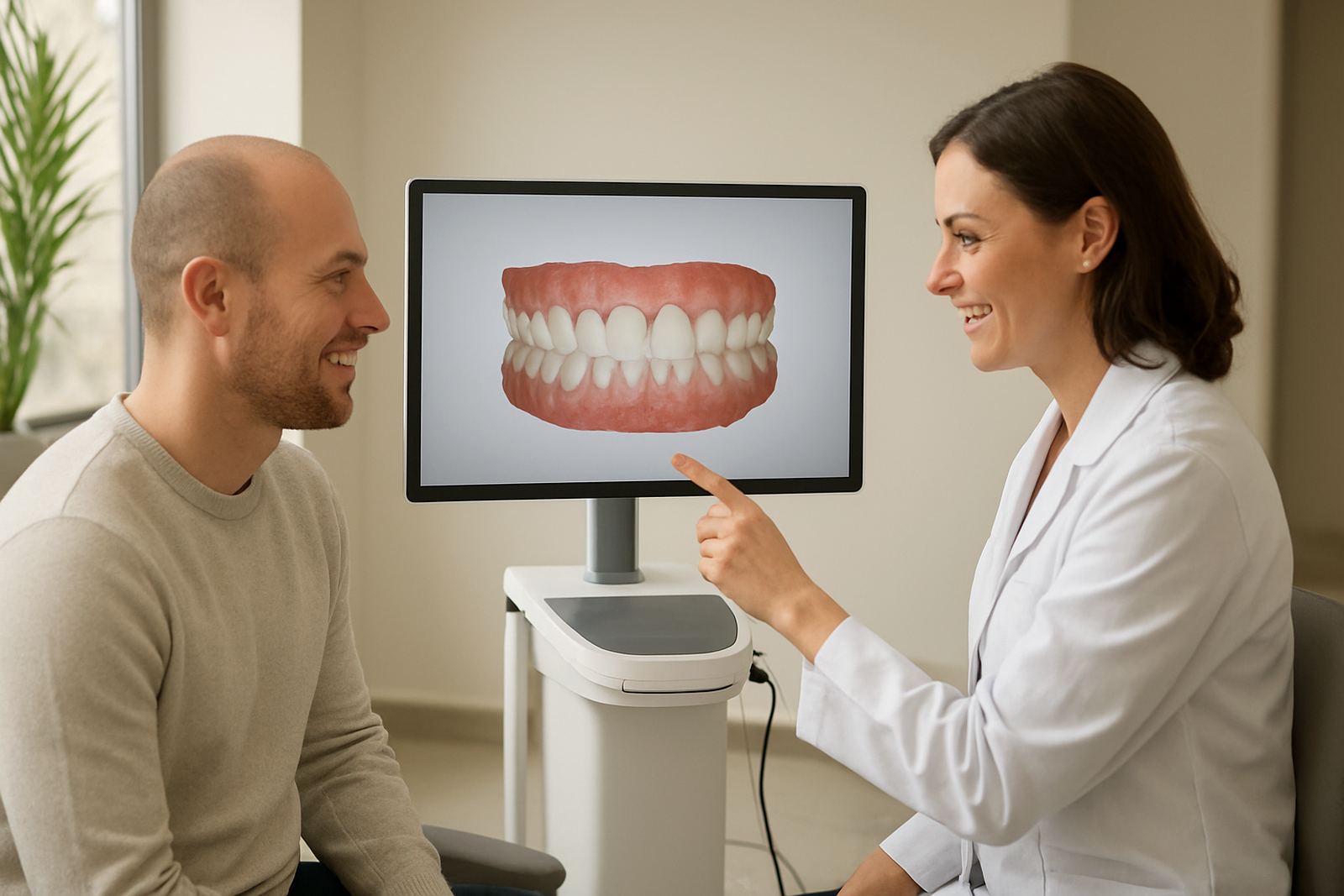
- Clinical photographs or digital imaging where useful
- Explanation of the likely cause and treatment choices
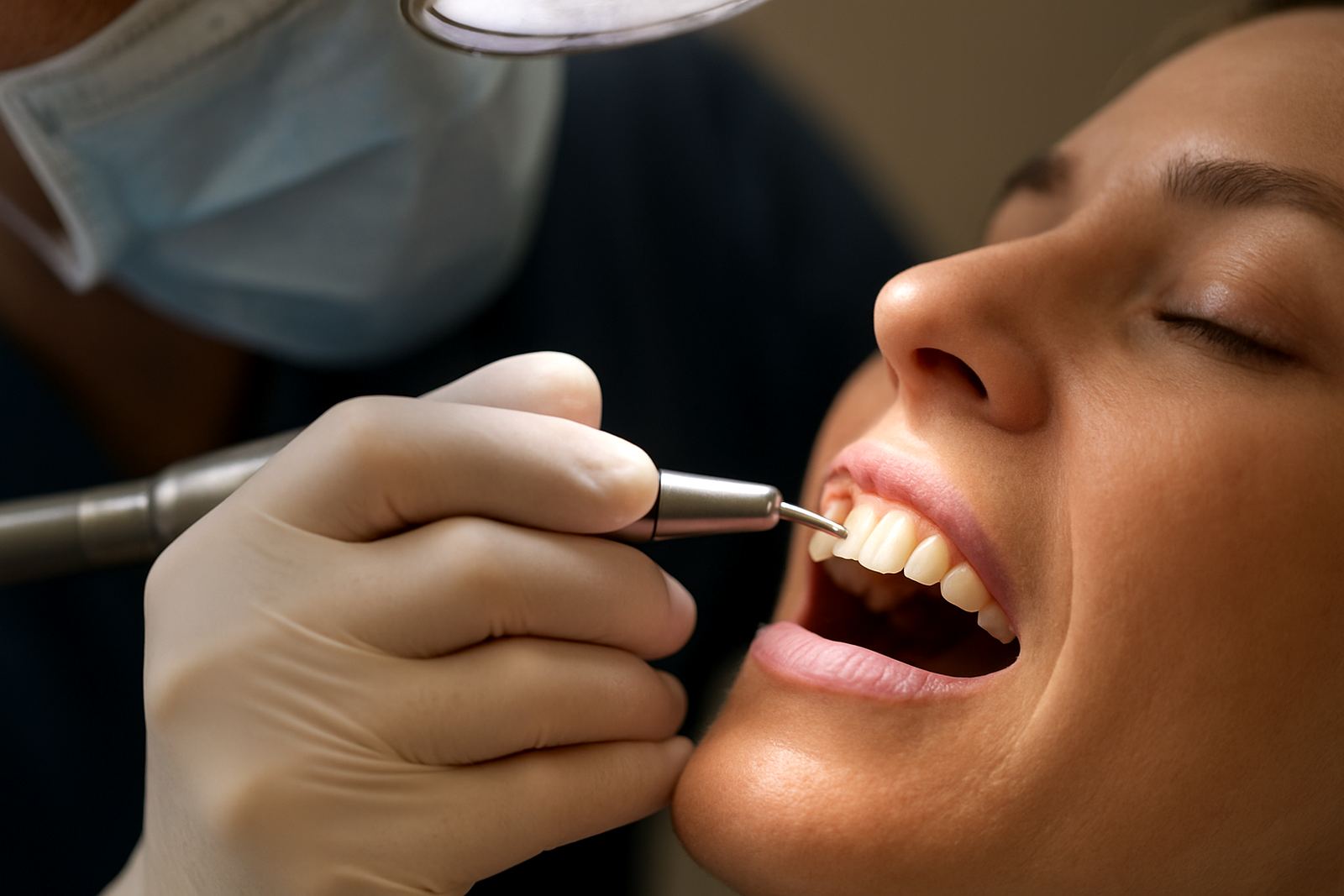
- Chairside application of a desensitising agent if suitable
- Home care plan with product and brushing guidance
- Review booking if symptoms do not settle as expected
Most sensitivity visits are straightforward and do not need sedation. If a patient is anxious, we can talk through sedation options for broader dental care, but sensitivity treatment itself is usually quick. We aim to keep the visit calm, clear and practical, with enough time for questions before you leave.
Care, aftercare and servicing of the treatment plan
Sensitivity treatment is not only about what happens in the chair, it also depends on how you care for your teeth afterwards. We often recommend a soft-bristled brush, a gentle technique, and toothpaste designed for sensitive teeth. If you brush too hard or rinse away the paste too quickly, the benefit may be reduced.
In some cases, a second visit is needed to monitor healing or add another protective layer. If the cause is grinding, you may be asked about a night guard or bite protection. If gum recession is involved, we may discuss periodontal care or referral for deeper management.
Good servicing of the treatment plan means keeping to follow-up dates, reporting any new pain early, and avoiding home remedies that can damage enamel. Strong whitening kits, abrasive powders and acidic mouth rinses can make things worse. If you are unsure about a product, bring it in and we will tell you if it is suitable.
What to check when booking sensitivity treatment
Before you book, it helps to know exactly how your sensitivity behaves and whether any recent dental work may be involved. Small details make a big difference to diagnosis and treatment choice.
- Which teeth hurt and whether the pain is sharp or dull
- What triggers it, such as cold drinks, hot food, sweets or brushing
- Whether the sensitivity started after whitening, a filling or braces
- If you grind your teeth at night or clench during the day
- Whether your gums have pulled back or bleed when brushing
- If you need payment guidance or a staged treatment plan
Our practice manager, Lerato Moloi, can help with appointment planning and payment guidance, while Thabo Nkosi coordinates imaging when extra detail is needed. For emergency dentistry or a new patient consult, we can usually advise quickly on the next step. If you are calling from Sandton or a nearby area, it is often worth getting it checked early before the discomfort becomes constant.
Key facts
| Service type | Chairside sensitivity assessment and targeted desensitising care |
|---|---|
| Typical visit time | 20 to 45 minutes, depending on cause and treatment needed |
| Suitable for | Hot, cold, sweet or brushing sensitivity in one tooth or several teeth |
| Common methods | Fluoride varnish, desensitising agents, bonding, home care guidance |
| Power or gas needs | No gas required; standard dental chair, suction and clinic power only |
| Follow-up | Review visit recommended if pain continues after treatment |