
When a Simple Extraction Is the Right Choice
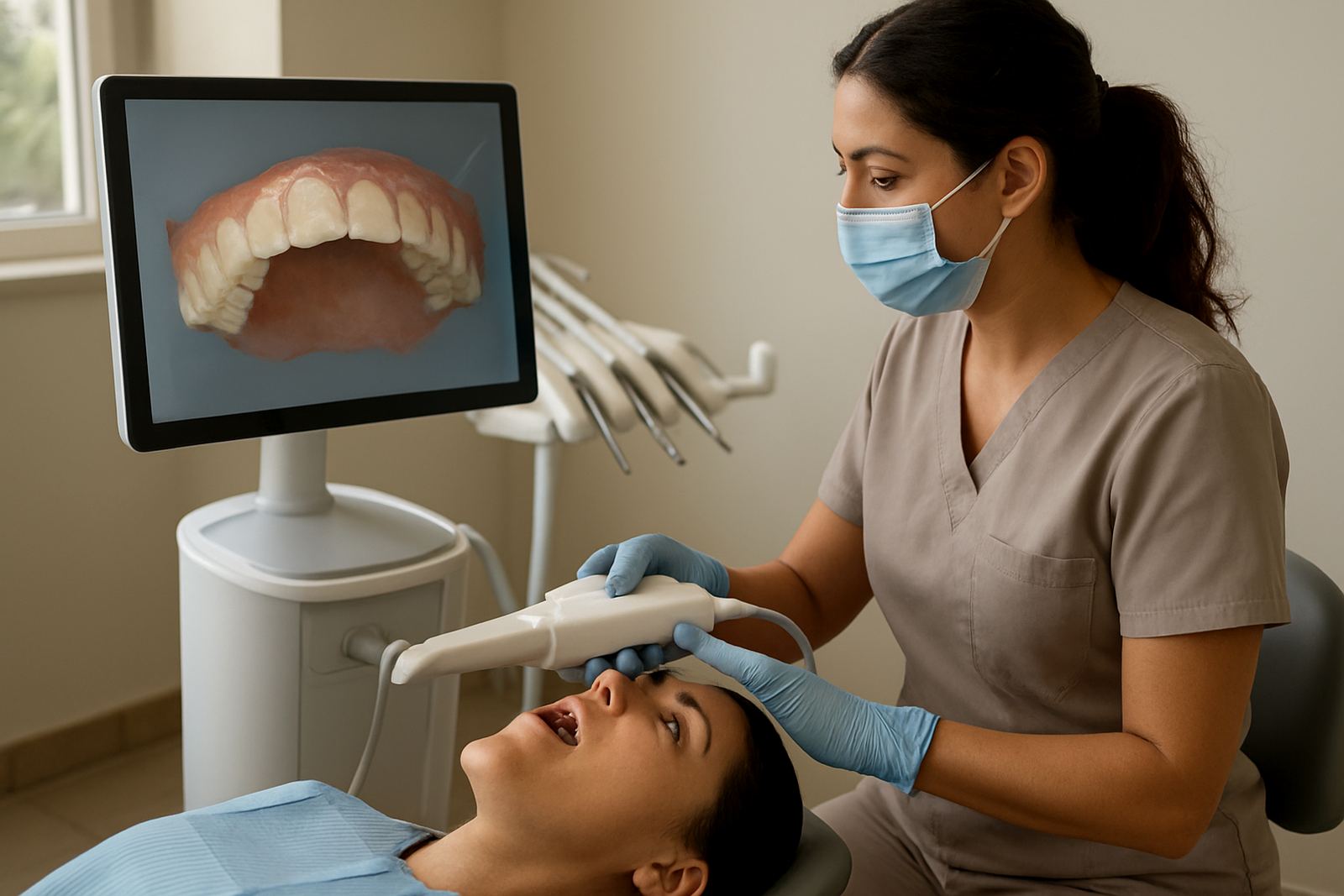
A simple extraction is used for a tooth that is visible above the gum line and can be removed without surgical cutting. It is often recommended when a tooth has severe decay, advanced wear, infection that has destroyed the structure, or trauma that leaves it no longer restorable. In our Sandton practice, we look at the tooth, the supporting bone, and the surrounding gums before making that call.
We do not remove a tooth just because it looks difficult. The decision is based on what can realistically be saved, how the tooth affects chewing, and whether keeping it would place nearby teeth at risk. If the tooth can be managed with another treatment, we will say so. If removal is the safer choice, we explain why in plain terms.
- Severe decay below the gum line
- Teeth that are loose from gum disease
- Broken crowns or roots that cannot be restored
- Persistent infection with poor long term prognosis
- Teeth that interfere with planned orthodontic treatment
What the Procedure Involves
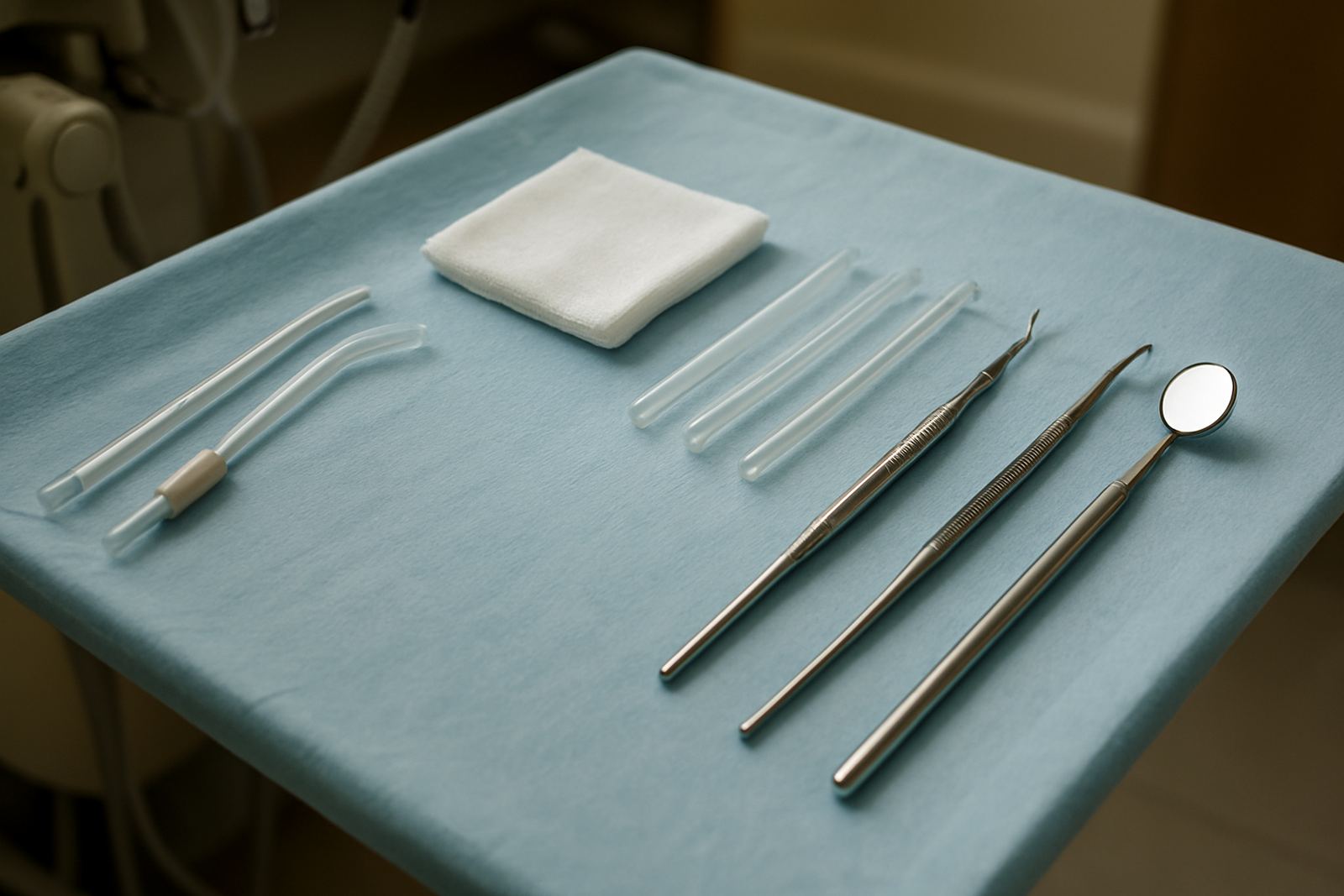
Simple extractions are usually done under local anaesthetic so the area is numb before the tooth is moved. Once the tooth is loose enough, it is lifted out with controlled force. Most appointments are short, though time can vary if the tooth is fragile or there is swelling that needs to be managed first. We keep the process steady and practical, with time taken to check that the area is fully numb.
Some patients want to know how many appointments are needed. In many cases there is one visit for the removal and a follow up if needed, especially if the tooth was infected or the socket needs review. If sedation is appropriate for a nervous patient, we can discuss that during the consult and plan accordingly.
- Assessment and x-rays where needed
- Local anaesthetic for numbness
- Gentle loosening and removal of the tooth
- Cleaning of the socket and pressure control
- Aftercare instructions before you leave
Where This Treatment Suits Patients In Johannesburg
We see patients from Sandton, Bryanston, Rivonia, Morningside, Fourways and Rosebank, especially those who need a clear answer about a tooth that has reached the end of the line. Simple extractions are suitable for adults and older teenagers where the tooth has erupted fully and is accessible in the mouth. They also suit patients who need a practical first step before implants, orthodontic work, or replacement teeth.
For families, we often use extractions as part of a broader plan that includes preventative care or follow up treatment. For working patients, appointment timing matters, so we try to keep visits efficient and to the point. If you are managing transport from across Johannesburg, we can help you understand whether the extraction, review, and any later replacement can be coordinated around your schedule.
What You Need Before Your Appointment
Before a simple extraction, we review your medical history, current medication, and any allergies. Blood thinners, diabetes medication, and pregnancy all need to be noted early. If you have a history of fainting, high blood pressure, or previous dental anxiety, tell us before the day of the procedure so we can plan properly. A clear history helps us avoid delays and keep the visit safe.
For most simple extractions, no special equipment is required from the patient, but you may be asked to arrive after eating a light meal if local anaesthetic alone is being used. If sedation is planned, fasting instructions may apply. Bring your referral notes if another dentist sent you, and arrange transport if you expect to feel drowsy afterwards. It is also wise to avoid booking heavy meetings straight after treatment, as the area may feel tender once the numbness wears off.
- Medical history and medication list
- Recent x-rays if available
- Transport home if sedation is used
- Soft food at home for the first day
Aftercare, Healing and Follow Up
After a simple extraction, the main job is to protect the blood clot and allow the socket to heal. We usually advise gentle pressure on gauze, avoiding smoking, not rinsing too soon, and keeping food away from the area on the first day. Most people are back to normal routine within a few days, though mild swelling or soreness can last a little longer depending on the tooth and the amount of surrounding infection. We watch for dry socket, ongoing bleeding, or infection signs.
In Johannesburg heat and dusty conditions, aftercare matters even more than patients sometimes expect. Keep the mouth clean, but do not overdo it on the first day. Soft meals, careful brushing away from the socket, and good hydration all help. If you were given medication or an antibiotic, take it exactly as directed. We will tell you when to return if a review is needed, and if you are planning a replacement tooth we can time the next step once healing has settled.
- Ice packs for short intervals in the first 24 hours
- Soft foods such as yoghurt, eggs, mash, and soup
- No straws, smoking, or vigorous rinsing early on
- Return promptly if bleeding continues or pain worsens
Pricing, Options and What To Check When You Order
When patients ask about simple extractions, they usually want to know what is included and whether the tooth is likely to come out in one visit. That is fair. The main factors are tooth position, level of decay, infection, and whether x-rays are needed first. In some cases, more than one extraction is planned on the same day, especially where treatment is being grouped to reduce time off work and travel costs.
Before you book, check whether the fee covers consultation, x-rays, anaesthetic, the extraction itself, and a review if needed. Also confirm whether sedation options are available for anxious patients and whether aftercare medication is billed separately. If you are being referred from another area, ask how long the appointment is likely to take and whether any follow up can be done without another long trip across town. We keep it practical, because no one wants surprises on the day.
- Is the tooth simple to access, or may it need surgery later?
- Are x-rays included in the treatment plan?
- What pain relief and aftercare are supplied?
- Will you need a review visit or socket check?
Key facts
| Procedure type | Simple extraction of a tooth visible above the gum line |
|---|---|
| Anaesthetic | Local anaesthetic, with sedation options where suitable |
| Typical visit time | About 20 to 45 minutes per tooth, depending on complexity |
| Best suited to | Damaged, decayed, loose, or non-restorable teeth |
| Patient areas | Sandton, Bryanston, Rivonia, Morningside, Fourways, Rosebank |
| Follow up | Aftercare advice plus review if bleeding, pain, or infection needs checking |