
Why people snore, and when it matters
When you fall asleep the muscles in the throat relax and the tongue drops back. For a lot of people that narrows the airway enough for the soft tissue to vibrate, and that is the snoring your partner hears from the other side of the bed. Alcohol, a blocked nose, sleeping on your back and a bit of extra weight all make it worse.
Snoring on its own is mostly a problem for whoever shares the room. It becomes a health problem when the airway closes completely for a few seconds at a time. That is obstructive sleep apnoea, and the signs are loud snoring broken by silences, gasping or choking at night, waking up unrefreshed, morning headaches and struggling to stay awake in afternoon meetings or on the N1 home. Untreated apnoea is linked to high blood pressure and heart strain, so we take it seriously.
How a mandibular advancement appliance works
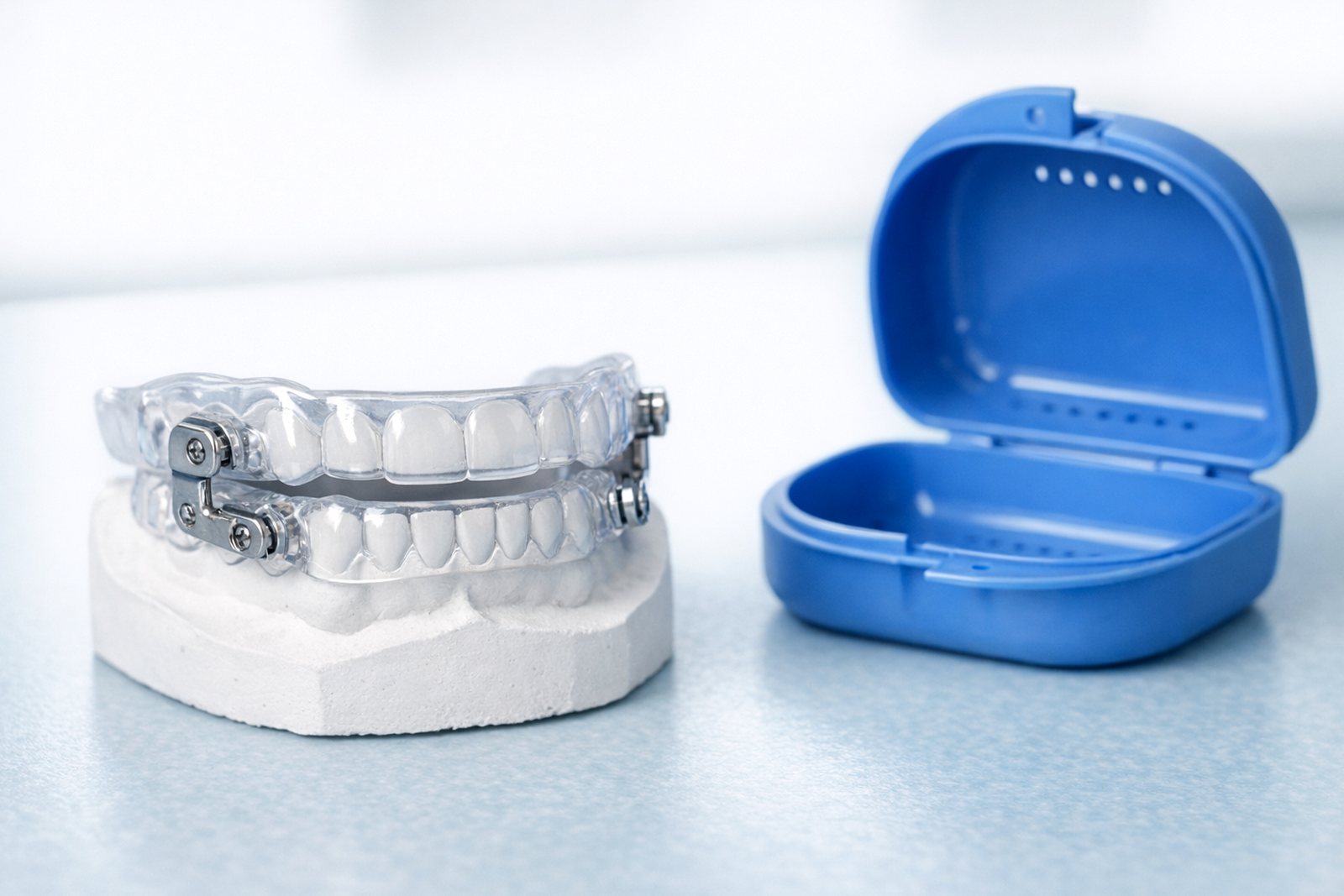
The appliance has two clear trays, one for the upper teeth and one for the lower, made from a scan of your mouth. Small connectors on the sides hold the lower tray a few millimetres forward of where your jaw normally rests. Bringing the jaw forward pulls the tongue base forward with it and keeps the back of the throat from collapsing as easily.
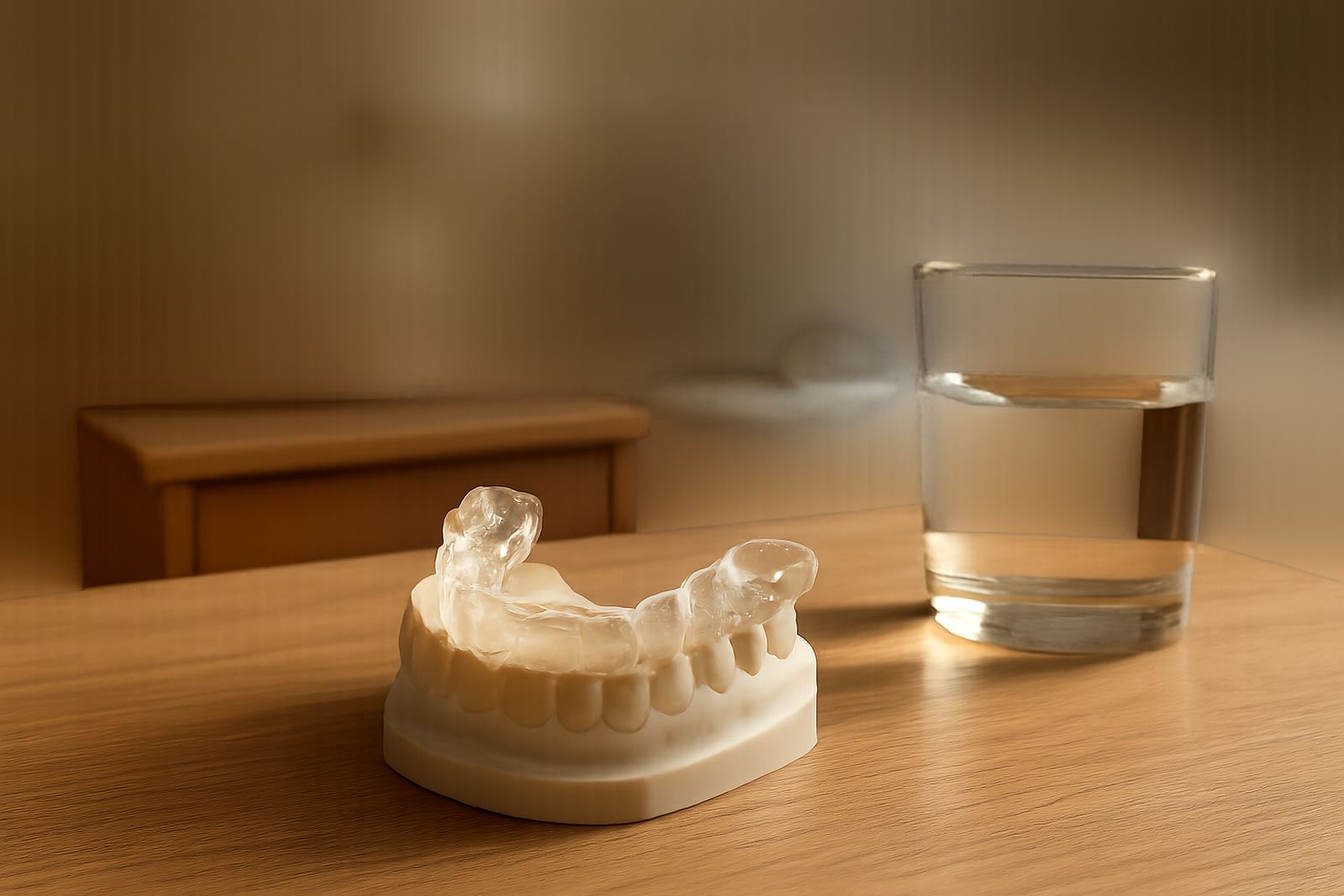
It looks a bit like a pair of clear aligners joined together, and it is quite different from a night guard, which only covers the teeth to protect them from grinding. Because the connectors are adjustable, we can move the jaw forward gradually rather than all at once, which is far kinder on the jaw joints.
Research and sleep medicine guidelines support these appliances for primary snoring and for mild to moderate obstructive sleep apnoea, and for people with apnoea who cannot get on with a CPAP machine. For severe apnoea, CPAP is usually still the first choice, and that call is made with your sleep doctor.
From first visit to a quiet night
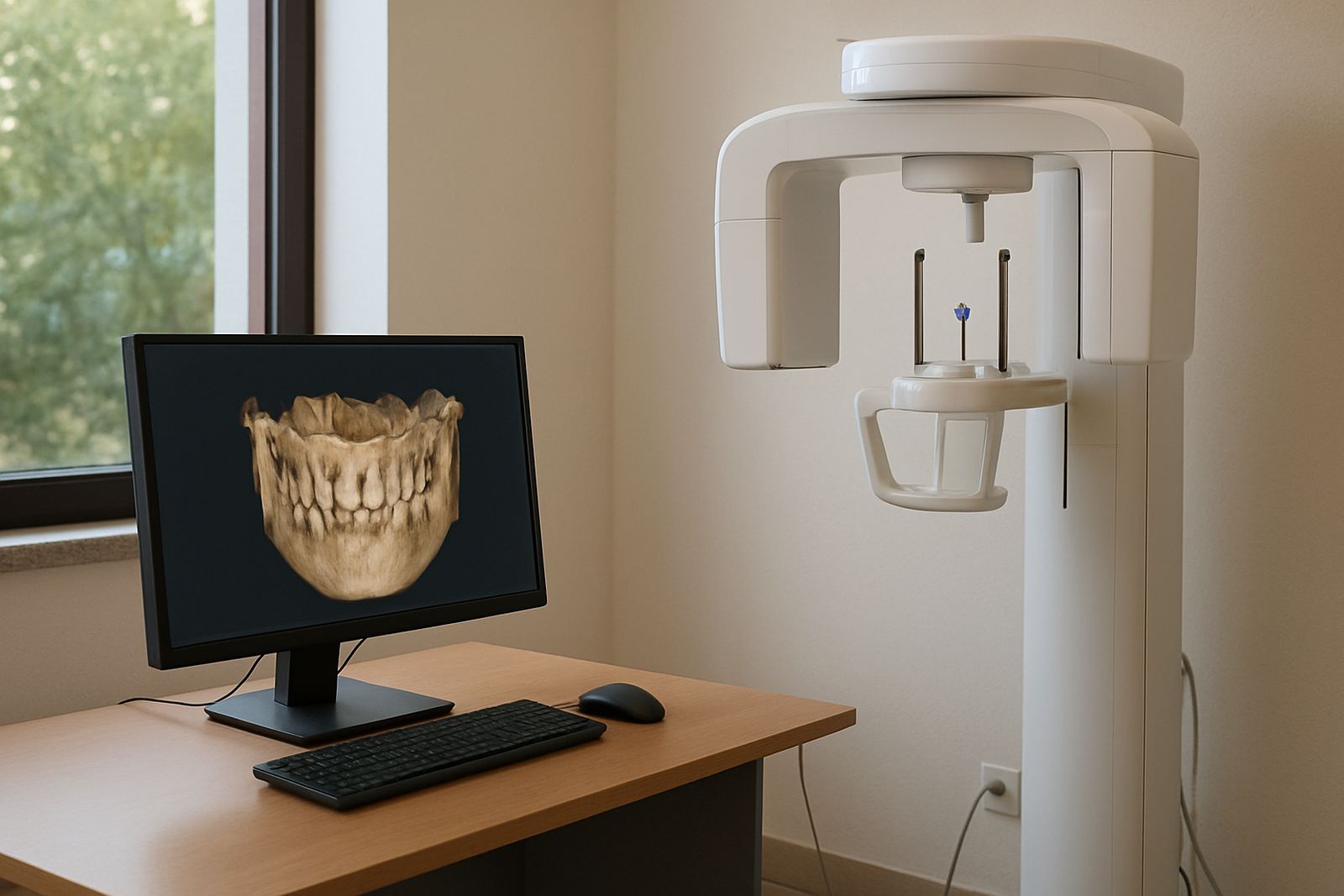
- Screening and examWe go through a short sleep questionnaire, check your teeth, gums and jaw joints, and look at your airway space. If anything points to apnoea we refer you for a sleep study first.
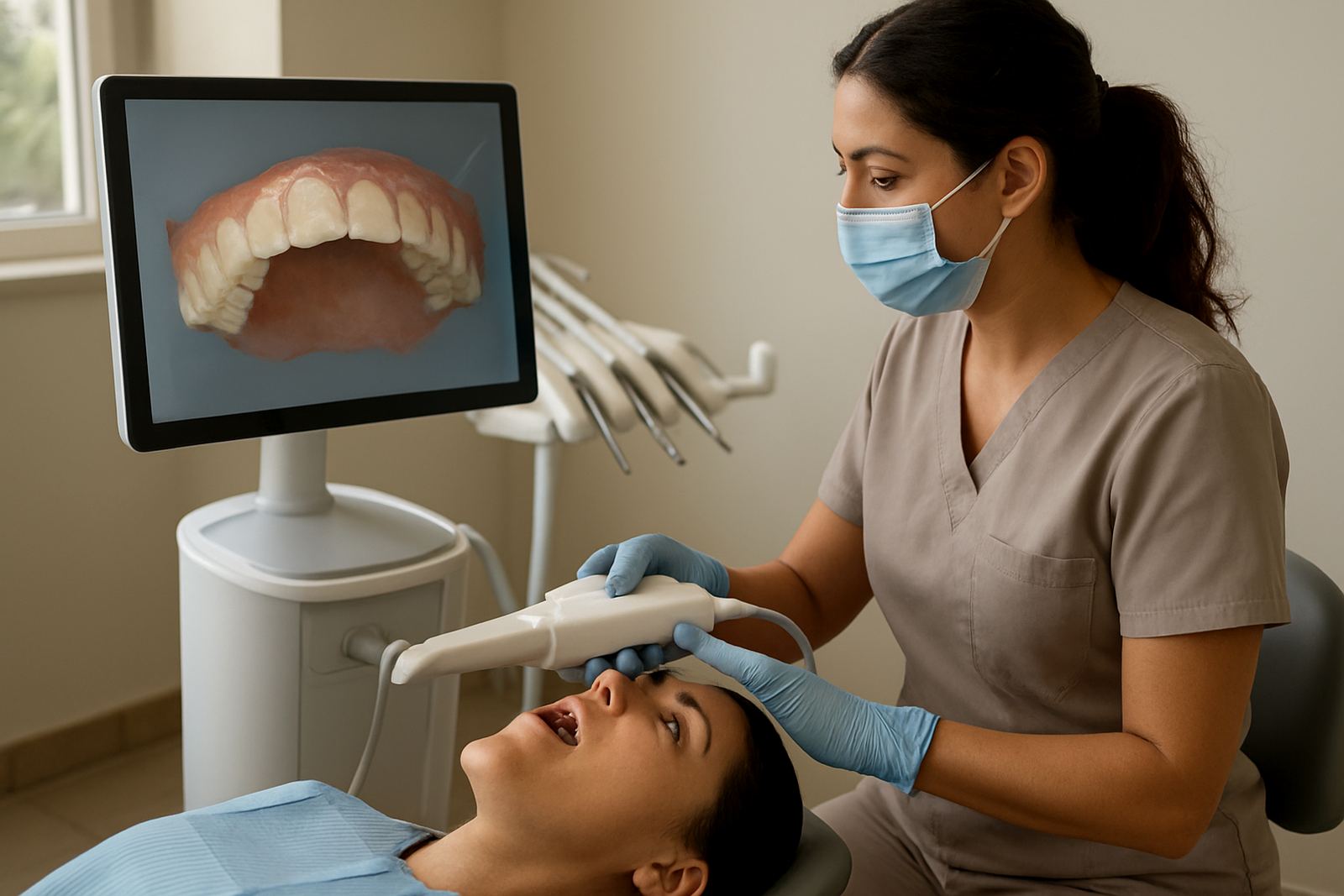
- Scan and bite recordAn intraoral scan replaces messy impressions. We record your bite in a set forward position so the lab knows where to start.
- Fit in the chairAbout two to three weeks later we fit the appliance, check it sits evenly on every tooth and show you how to put it in, take it out and clean it.
- Adjust in small stepsOver the next few weeks you or the team advance it by small amounts, usually around half a millimetre at a time, until the snoring settles. We review you at about six weeks.
If you were diagnosed with apnoea, the last step is a follow-up sleep study with the appliance in, so your sleep doctor can confirm it is doing the job and not just making the room quieter.
Who it suits, and who it does not
The appliance needs healthy teeth to hold on to. It suits most adults with a reasonable number of their own teeth, stable crowns or implants, and gums that are in good shape. Before we make one we check for:
- Enough sound teeth in both jaws to anchor the trays
- Active gum disease or loose teeth, which need gum treatment first
- Clicking, locking or pain in the jaw joints (see jaw pain), where we may start with a gentler forward position or advise against it
- Planned dental work such as new crowns or braces, which would change the fit
For the first couple of weeks expect some morning stiffness in the jaw, a bit of extra saliva or a dry mouth. The bite can feel off for twenty or thirty minutes after you take the appliance out. We give you a short set of jaw exercises for that, and most people stop noticing it within a month.
Power cuts, travel and CPAP
A CPAP machine needs electricity all night. During power cuts, patients without a battery or inverter backup often end up sleeping without it. An oral appliance needs no power at all and fits in a small case in your carry-on, so some of our patients use one for travel, camping and nights without power, alongside their CPAP at home. Whether that is safe for you depends on how severe your apnoea is, so we agree it with your sleep doctor first.
Day to day care is simple. Rinse the appliance in cool water every morning, brush it gently with a soft toothbrush and plain soap, let it dry and keep it in its ventilated case. Hot water and toothpaste will distort and scratch it. With good care most appliances last several years, and we check the fit, the connectors and your bite at every annual visit.
Cost and medical aid
The fee covers the consult, scan, lab-made appliance, fitting and the adjustment visits in the first three months. Some medical aid plans pay towards an oral appliance when there is a sleep study showing apnoea, others treat it as a dental appliance from your savings. We give you a written quote with the procedure codes before anything is made, and our payment guidance team can help you check what your plan covers.
Key facts
| Appliance type | Custom two-piece mandibular advancement appliance |
|---|---|
| Used for | Snoring and mild to moderate obstructive sleep apnoea, or when CPAP is not tolerated |
| Made from | Intraoral scan and bite record, lab-made clear trays with adjustable side connectors |
| Turnaround | About two to three weeks from scan to fitting |
| Adjustment | Advanced in small steps over several weeks, review at about six weeks |
| Sleep study | Needed before and after treatment when apnoea is suspected or diagnosed |
| Power needs | None, works through power cuts and on travel |
| Follow-up | Annual check of fit, connectors and bite |