What tooth coloured fillings are used for
Tooth coloured fillings are used to restore a tooth after decay, a small crack or wear has removed part of the enamel and dentine. The filling material is matched to the surrounding tooth so the repair does not stand out the way older metal fillings often do. For front teeth, this matters for appearance. For back teeth, it helps keep the tooth strong enough for chewing. We use careful shade selection and layer placement so the finished result looks natural from normal speaking distance.
These fillings suit patients who want a conservative repair rather than a crown, especially when the cavity is still small to medium in size. They also work well after old filling replacement, chipped edge repair and minor shape correction. In many cases the appointment can be completed in one visit, although deeper decay or bite issues may need a longer plan and a follow-up check. If decay is left too long, the tooth may need more than a filling, so early assessment saves time and cost.
Material options and shade matching
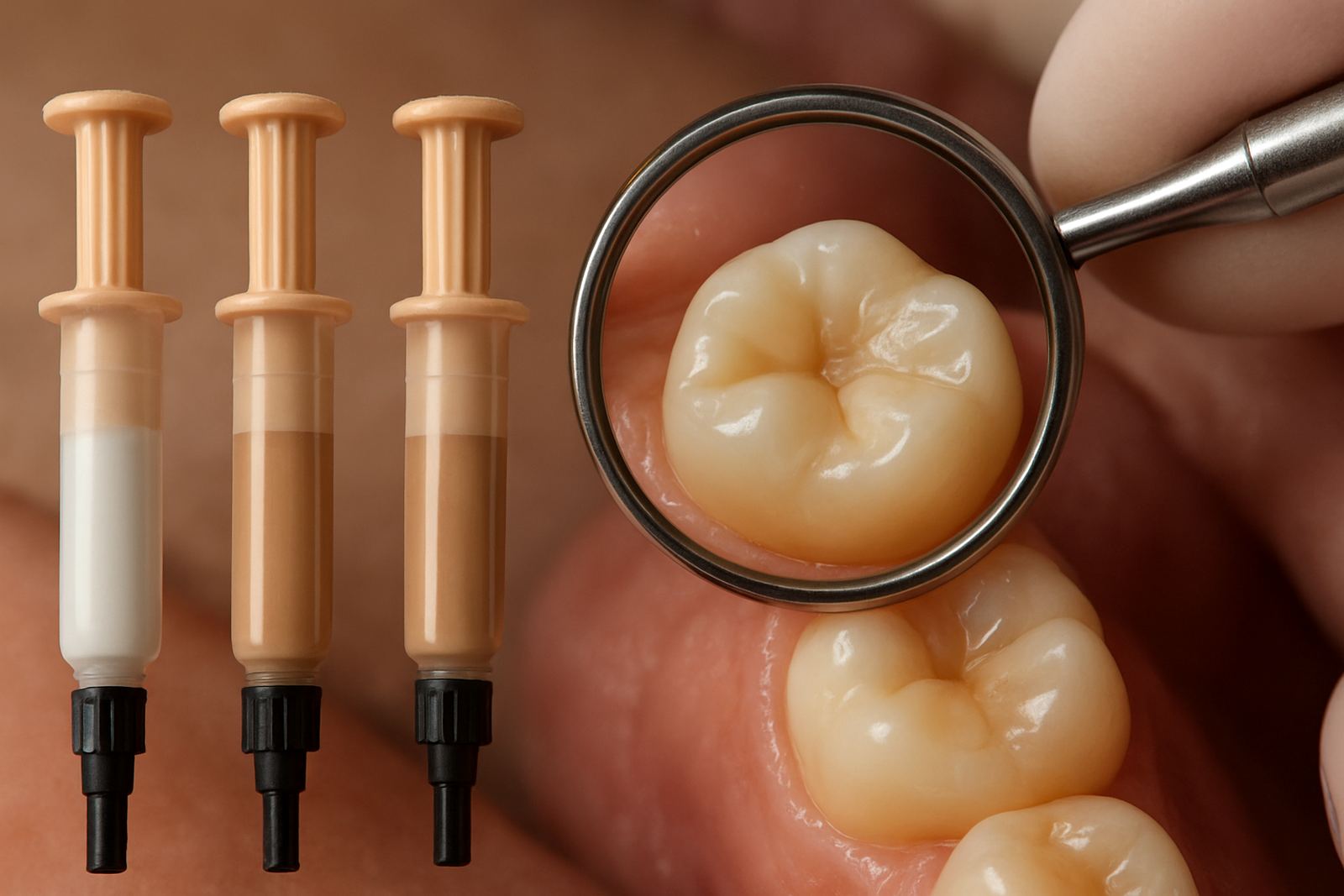
Most tooth coloured fillings are made from a resin based material that bonds to the tooth once it is prepared and isolated. The material comes in several shade options so the dentist can match the colour to adjacent teeth, taking into account age, enamel translucency and whether the tooth sits near the front or back of the mouth. For some cases, more than one shade is layered to copy the light and darker tones found in natural enamel. That detail makes the restoration less obvious when you smile or speak.
- Shade options: light, medium and warmer tones for different tooth colours
- Finish options: polished matte or glossy finish depending on position
- Layering: single shade for small repairs, layered build for front teeth
- Coverage: small filling, medium restoration or larger bonded rebuild
We also look at bite pressure, gum position and staining risk. Coffee, tea, smoking and frequent snacking can affect colour over time, so the final shade is chosen with real daily habits in mind. In a busy Sandton schedule, that practical approach helps the filling stay neat between routine check ups.
Where the treatment suits best
Tooth coloured fillings are suitable for front teeth, premolars and many molars, provided the cavity is not too large and the tooth structure remaining is strong enough. They are often used in teeth that show when you smile, including upper incisors and canines, where a natural finish matters most. They also suit patients from Sandton, Bryanston, Rivonia, Morningside, Fourways and Rosebank who want treatment that fits a professional or social routine without obvious signs of repair.
For deeper decay, large old fillings or teeth with cracks, we may suggest a different restoration after assessment. A filling is not the answer for every tooth and there is no point forcing it. If the tooth has pain on biting, sensitivity that lingers, or decay near the nerve, the treatment plan may need root canal care, a crown or staged repair. We explain the options clearly so you know what can be done now and what should be watched later.
- Best for small to medium cavities
- Suitable for visible teeth and chewing teeth
- Useful for repairing chipped corners and worn edges
- Can replace worn or stained old fillings
How the filling is placed
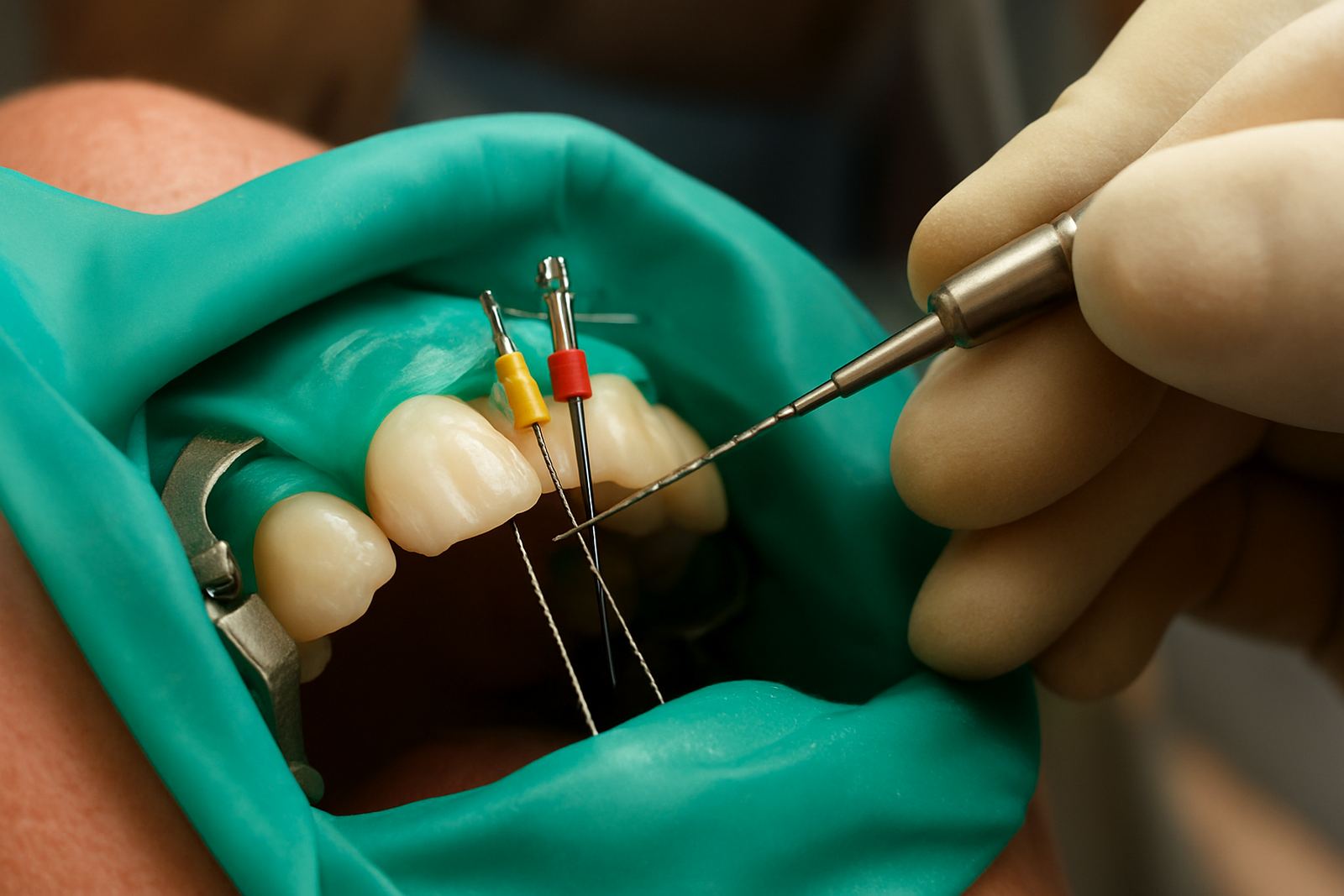
The visit starts with an exam and, where needed, digital imaging to check how far the decay has spread. The tooth is then cleaned, numbed and isolated so the area stays dry and free of saliva. After the damaged part is removed, the filling material is placed in stages and shaped to follow the tooth’s natural contour. We check the bite before you leave because a filling that sits too high can feel uncomfortable when chewing. If needed, small adjustments are made on the spot.
Most patients do not need gas or power for this treatment. Local anaesthetic is usually enough, though sedation options can be discussed for anxious patients or longer appointments. The procedure does not rely on special outside power supply, which means normal clinic electrical backup is enough if load shedding affects the area. For patients who come in during peak traffic from Fourways or Rosebank, we try to keep the appointment efficient and well timed. A quick polish at the end helps the restoration blend in better.
Aftercare, servicing and how long they last
Aftercare is simple but important. Avoid eating while the numbness is still active, because people often bite their cheek or tongue without noticing. Once the anaesthetic wears off, normal eating can resume, but very hard sweets, ice and nail biting should be avoided as they can chip the filling. Good brushing, flossing and regular preventive care help the tooth stay healthy around the restored area. If the filling feels rough, high or sensitive for more than a few days, it should be checked.
With proper care, tooth coloured fillings can last several years, but life span depends on the size of the cavity, bite force, grinding and hygiene. Some fillings need a polish or edge repair during routine visits. If you grind your teeth at night, let us know, because a bite guard may protect both the filling and the enamel around it. It is worth noting that a well placed filling can still fail early if gum disease or a new cavity develops nearby.
- Brush twice daily with fluoride toothpaste
- Floss once a day around the filled tooth
- Attend routine exams to check the margins
- Report pain, sensitivity or a rough edge early
What to check when ordering treatment
When booking a tooth coloured filling, ask what size of restoration is likely needed, whether the tooth has a simple cavity or deeper damage, and if any X-rays or digital scans are required before treatment. You should also check the expected chair time, whether one appointment is enough and if the filling will be suitable for a front tooth, molar or a tooth under heavy bite pressure. If you are comparing options, ask whether a repair, replacement filling or full crown would give a better result over time. That question saves trouble later.
It also helps to confirm the shade match process, aftercare advice and whether the plan includes a follow-up check. At Techno-Dent Clinic, Dr Sibusiso Mthembu and the team, including Dr Ayesha Khan, Dr Pieter van der Merwe, Dr Nandi Dlamini and Thabo Nkosi, work through the full treatment plan with clear payment guidance from Lerato Moloi. Patients from Sandton and nearby suburbs often ask for treatment that fits work meetings, school runs and travel time, so practical planning matters just as much as the repair itself.
Key facts
| Treatment type | Tooth coloured resin filling for decay, chips and minor wear |
|---|---|
| Shade range | Light, medium and warmer enamel matched shades |
| Appointment length | About 30 to 60 minutes per tooth, depending on cavity size |
| Best suited to | Front teeth, premolars and many molars with small to medium decay |
| Comfort options | Local anaesthetic, with sedation options for suitable patients |
| Maintenance | Routine exams, polishing as needed and daily home care |