
What porcelain veneers are and how they work
Porcelain veneers are thin custom shells made to cover the front surface of teeth. They are used to improve the appearance of teeth that are chipped, worn, slightly uneven, stained, or spaced in a way that affects the look of the smile. Each veneer is shaped to match the tooth underneath and bonded in place with dental cement after careful preparation.
For patients in Sandton, Bryanston, Rivonia, Morningside, Fourways and Rosebank, veneers are often chosen when whitening alone will not fix deep staining or when a more balanced front smile is needed. The aim is a natural finish, not a flat white row. A well planned veneer case keeps the edges light, the surface texture subtle and the smile line in proportion with the rest of your face.
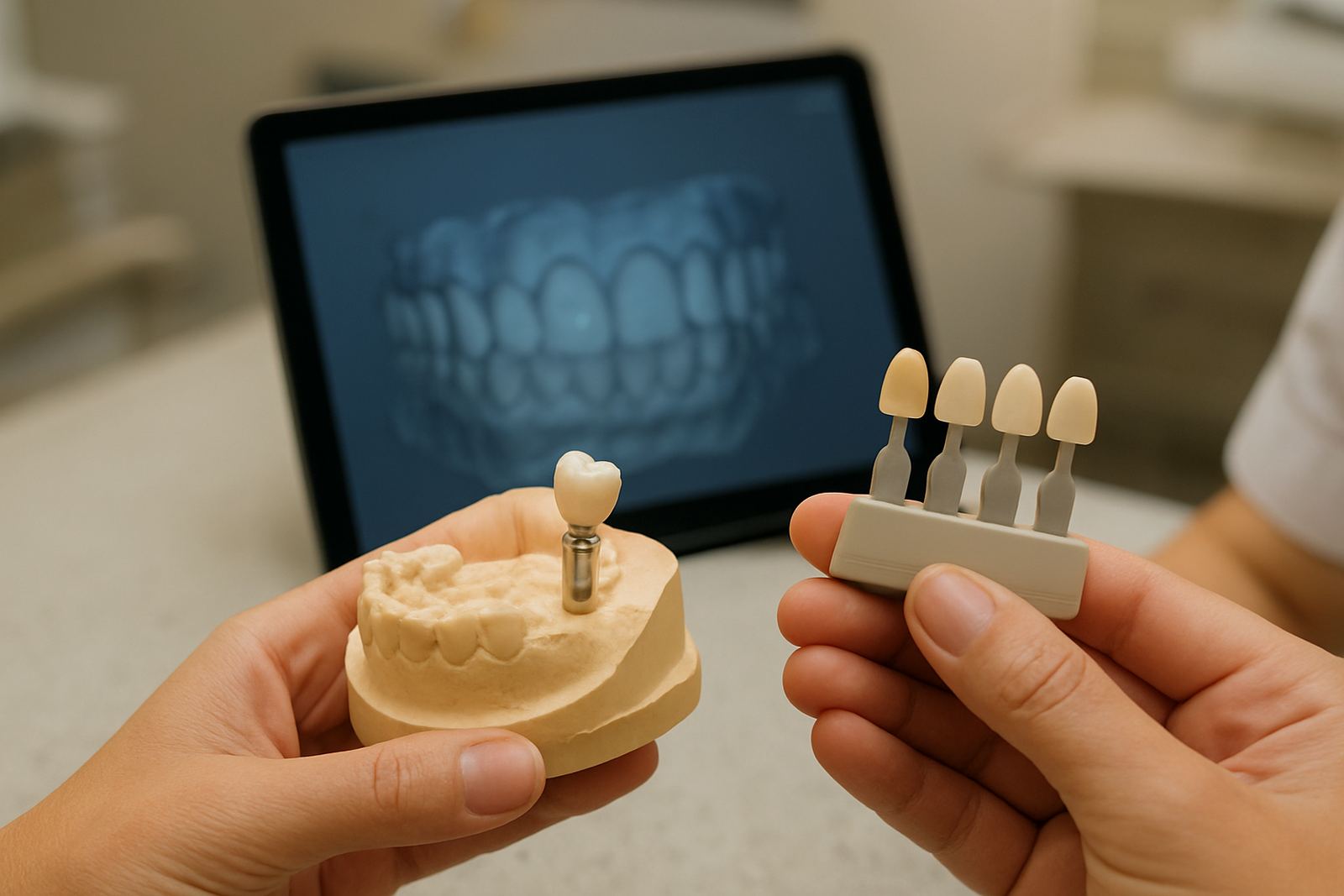
Techno-Dent Clinic offers veneer planning as part of cosmetic consulting and new patient consults. Dr Ayesha Khan works with digital smile design so you can review the proposed shape and shade before treatment starts. That helps reduce surprises and gives a clearer idea of the final result.
Shade, shape and veneer options available
Veneers are not one-size-fits-all. The thickness, edge length and contour are selected to suit the tooth position and the look you want. Some cases need just a small change to smooth out a chipped edge while others need more coverage to mask strong staining or close small gaps. In front teeth especially, tiny changes in angle can make a big difference to how the smile reads from a normal speaking distance.
- Standard porcelain veneers for front teeth that need colour correction and shape refinement
- Minimal preparation veneers where only a small amount of enamel is removed
- Full coverage cosmetic veneers for more visible staining, wear or uneven edges
- Single tooth matching or multiple veneer sets for a full smile line
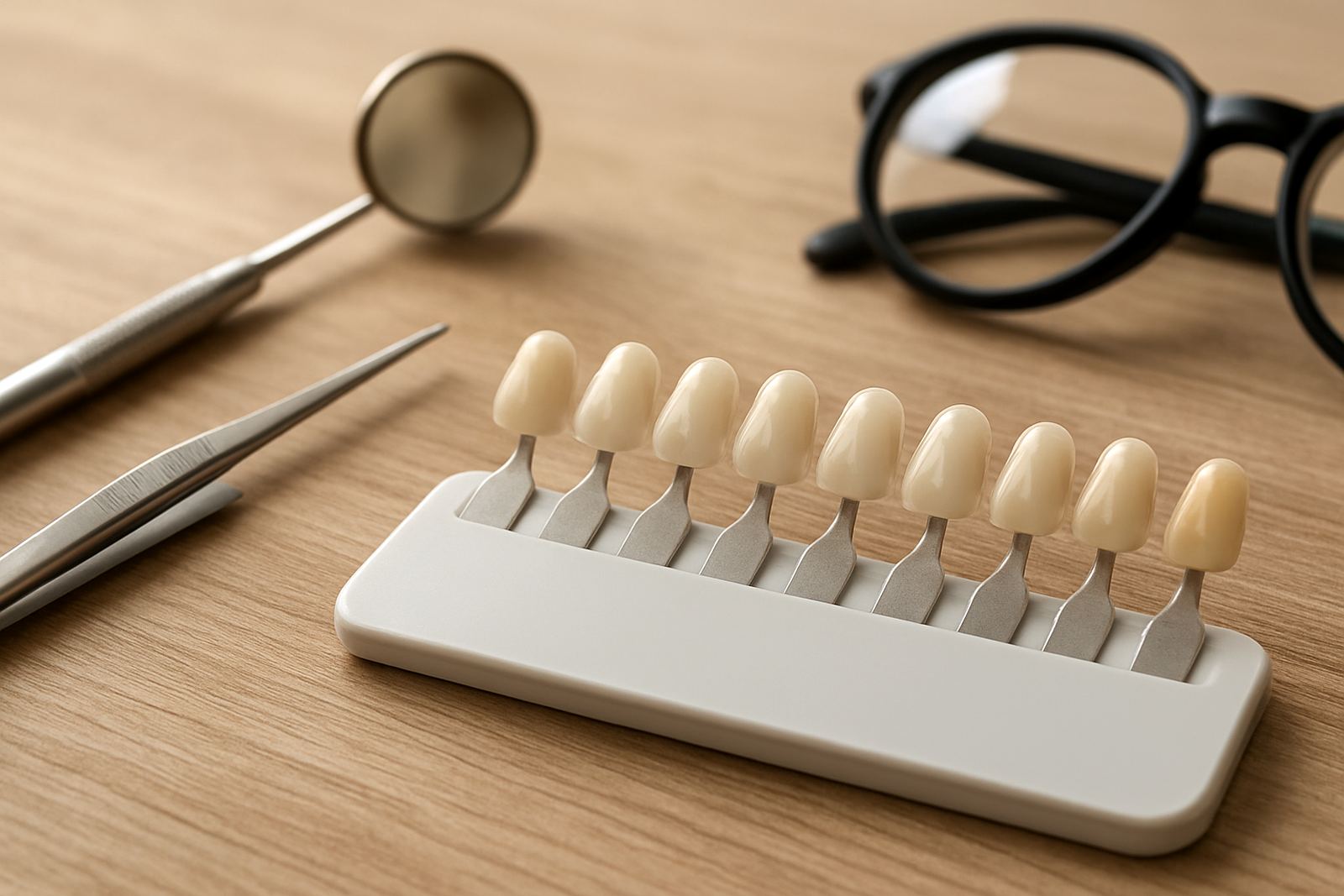
- Shade choices from bright but natural to softer, more conservative tones
We also check how the veneers will sit against neighbouring teeth and gums. If the gum line is uneven, if there is crowding, or if the bite is tight, the plan may need orthodontic assessment or implant planning first. That extra step saves time later and helps the final result last better.
Where veneers suit best and when to look at other treatments
Porcelain veneers suit teeth that are structurally sound but cosmetically uneven. They are commonly used for front upper teeth, though lower front teeth may also be treated in selected cases. They work well for local patients who want a cleaner, more symmetrical smile for work, weddings, meetings or daily confidence.
They are a strong option when the concern is mainly cosmetic, for example discolouration after antibiotics, old fillings on the front surface, small chips from biting hard food, or mild spacing. If the teeth are heavily broken down, badly rotated, or affected by gum disease, another approach may be more suitable. In those cases we may recommend preventive care, orthodontic assessments, or restorative treatment first.
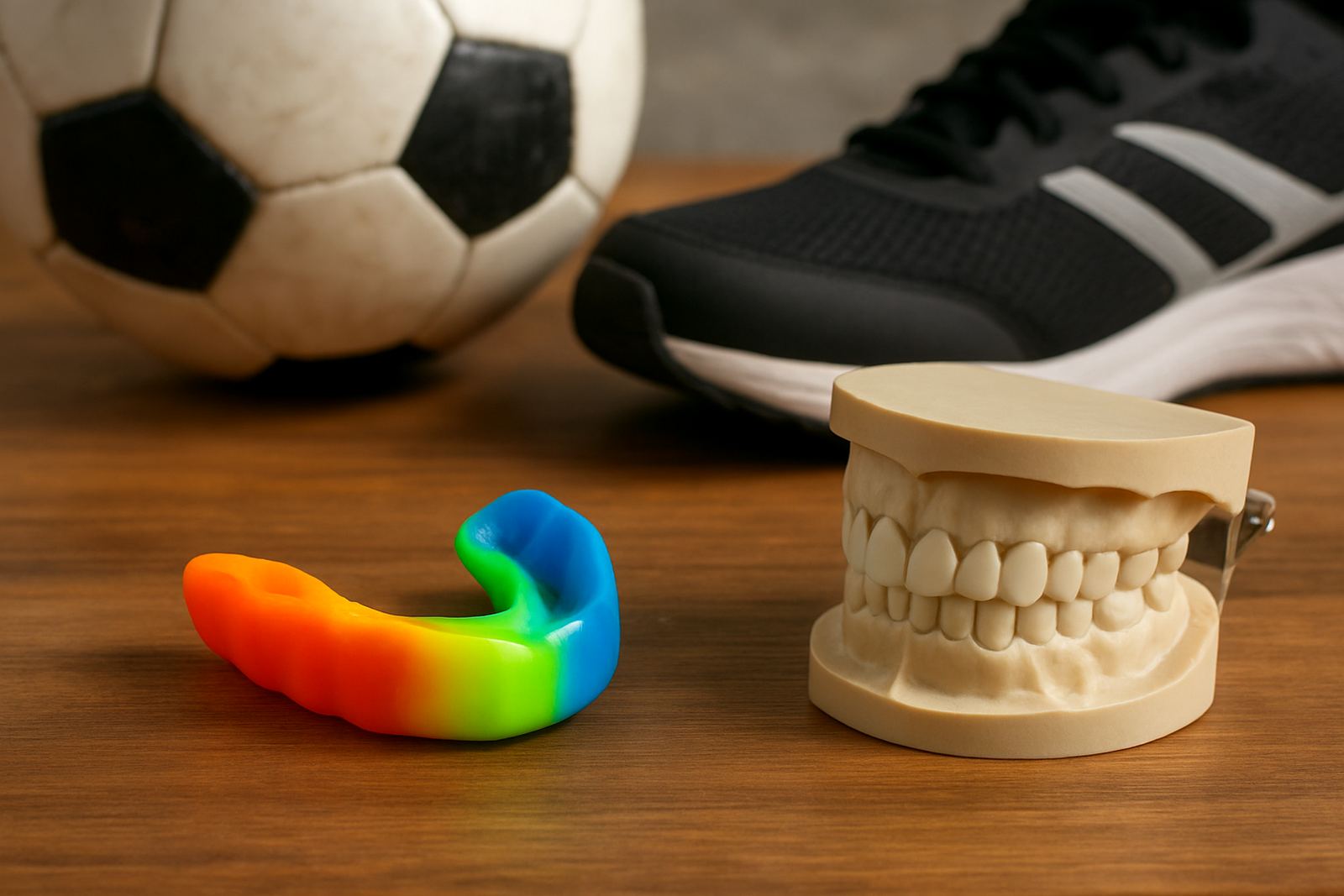
Veneers are not the best answer for every mouth. If you grind your teeth at night, have large bite forces or clench under stress, the plan may need a night guard and a more careful choice of material. In some cases a patient is better served by a combination of whitening, alignment and small contour adjustments rather than full veneer coverage.
How the veneer appointment is planned and fitted
The process usually starts with an examination, photographs and digital imaging. Dr Sibusiso Mthembu and the team review your bite, gum health and tooth condition before any preparation is done. If the teeth are healthy enough, the front surface is shaped very slightly and impressions or scans are taken for the lab work. Temporary coverings may be used while the final veneers are made.
At the fitting visit, each veneer is checked for fit, shade and edge alignment before bonding. Small changes can be made chairside to improve the contact points and the way the teeth meet when you speak and chew. Once bonded, the surface is polished and the bite is checked again.
- Typical treatment involves 2 to 3 visits depending on case complexity
- Local anaesthetic may be used for comfort during preparation
- Sedation options can be discussed for anxious patients
- Digital smile planning helps compare shape and colour before final bonding
There are no power or gas needs for you as the patient. The procedure takes place in clinic and the equipment runs on the practice supply, with digital imaging, suction and chairside instruments used as needed. Load-shedding backup systems are part of planning so appointments can still be managed with less disruption where possible.
Care, servicing and what keeps veneers looking good
Porcelain veneers do not need polishing at home, but they do need sensible care. Brush twice a day with a soft toothbrush, floss carefully and avoid using the front teeth to open packets or bite very hard items. Tea, coffee and red wine will not stain porcelain the way natural enamel can, but the surrounding teeth and gums still need routine cleaning to keep the smile even.
We recommend regular check-ups and professional cleaning so the edges remain sound and the gums stay healthy. If a veneer chips, loosens or feels rough, it should be checked early rather than left. Small problems are easier to manage when they are caught before moisture or bite stress causes more damage. A night guard may be advised if there is tooth grinding.
For patients living near the coast or travelling between Johannesburg and Durban often, the main concern is not humidity but habit and wear. The real value of servicing is keeping the bite balanced and the cement margins clean, especially where plaque can collect near the gum line. Good aftercare also protects the teeth next to the veneer, which is just as important.
What to check before you order veneers
Before confirming treatment, it helps to ask the right questions so the final result matches your face and your expectations. A good veneer plan is specific, not generic. The colour should suit your skin tone, the width should fit your smile and the length should not make the teeth look bulky.
- Ask how much enamel will be removed and whether minimal preparation is possible
- Check whether the proposed shade will look natural in daylight, not only under clinic lights
- Confirm whether a temporary set or digital preview will be shown before final bonding
- Ask if any gum treatment, whitening or orthodontic work should happen first
- Find out how long the veneers are expected to last with normal care
- Check the payment guidance, warranty terms if any, and follow-up schedule
At Techno-Dent Clinic, Lerato Moloi can help with appointment flow and payment guidance while Thabo Nkosi coordinates digital imaging for planning. If you live or work in Sandton, Bryanston, Rivonia, Morningside, Fourways or Rosebank, the team can map out a practical schedule around work hours and follow-up visits.
Key facts
| Material | High-grade porcelain for front tooth cosmetic use |
|---|---|
| Typical thickness | About 0.3 mm to 0.7 mm depending on tooth position and shade goals |
| Treatment area | Upper front teeth most often, with selected lower front cases |
| Shade range | Natural white to brighter cosmetic tones matched to surrounding teeth |
| Appointment count | Usually 2 to 3 clinic visits |
| Expected lifespan | Often 10 to 15 years with good care and regular check-ups |