
Retainers That Hold Teeth in Place After Active Treatment
Orthodontic retainers are worn after braces or clear aligner treatment to help keep teeth in their new positions. Teeth can shift over time, especially in the first months after treatment, so retention is an important part of protecting the work already done. At Techno-Dent Clinic in Sandton, we match the retainer type to the way your teeth were moved, your bite, and how much day to day compliance you can manage.
We offer fixed and removable options. Fixed retainers are bonded behind the teeth and stay in place for long term support, while removable retainers can be taken out for eating and cleaning. Both are made to sit comfortably and discreetly, and both need routine checks because small changes in fit can affect the result. If a retainer feels tight, cracks, or no longer sits correctly, it should be assessed promptly rather than forced back in.
Retainer Types, Sizes And Typical Uses
Different mouths need different retention plans, so we look at spacing, bite stability, and the final tooth positions before recommending a style. For some patients, one arch needs stronger support than the other. In other cases, a clear removable retainer is enough for night wear, while a bonded wire is better for the lower front teeth where movement is common.
- Fixed lingual retainer: a thin wire bonded to the inside of the front teeth, usually on the lower arch or upper front teeth
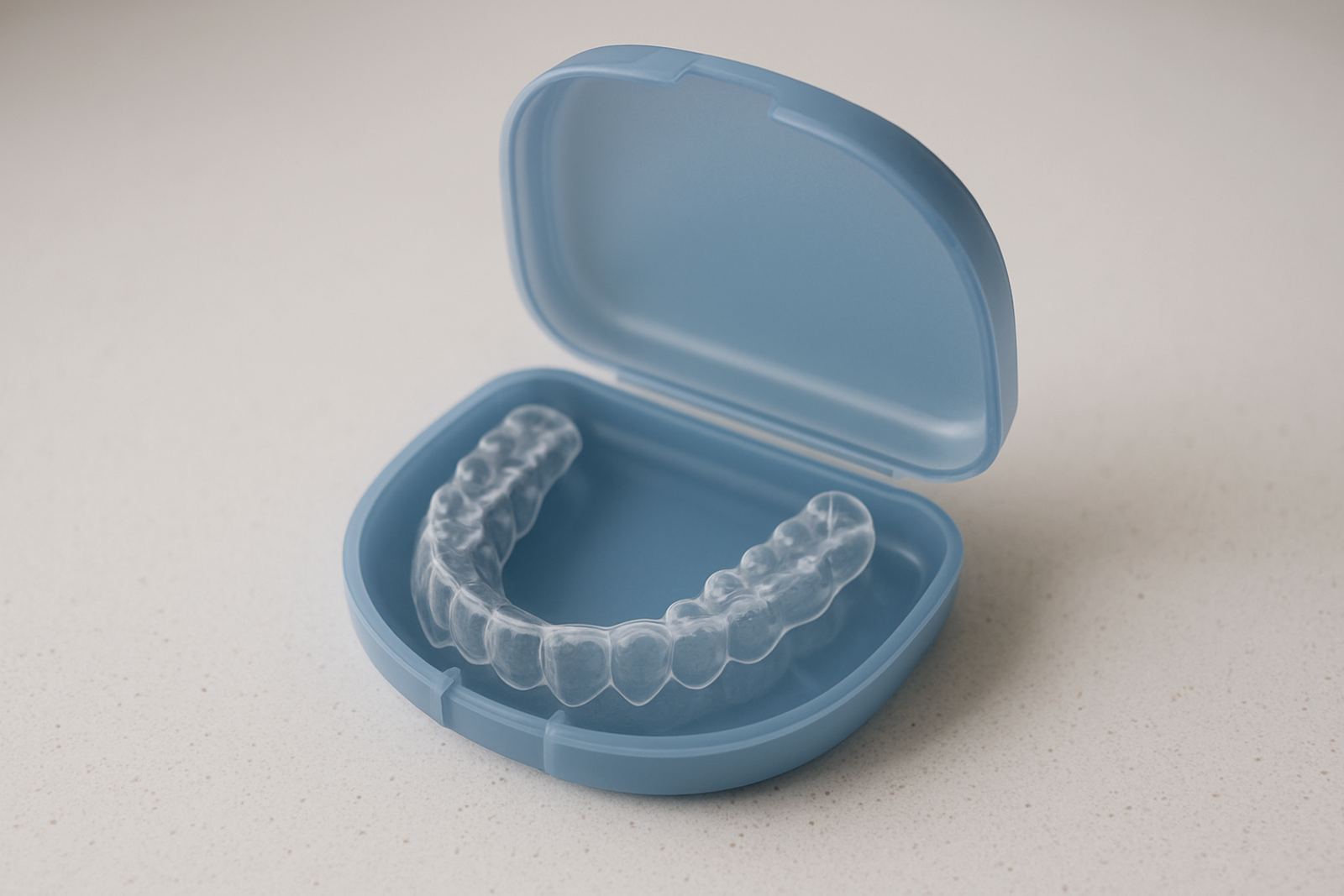
- Clear removable retainer: thin, transparent and shaped to the teeth, commonly worn at night
- Wire and acrylic retainer: a removable design with a metal framework and acrylic body, used where extra rigidity is helpful
- Single arch or dual arch options: supplied for one jaw or both jaws depending on the treatment plan
Sizes are not chosen off a shelf. They are made to fit the current tooth positions, so the key measurement is the scan or impression taken after treatment. Small children and teens may need replacement more often as they grow, while adult retainers tend to stay stable for longer if they are cared for properly.
Where Retainers Suit And When They Are Recommended
Retainers suit patients who have completed braces, clear aligner treatment, or minor tooth alignment procedures and want to maintain the result. They are also common after closing gaps, correcting rotated teeth, or improving the front six teeth. If the bite still needs active movement, a retainer is not the right product on its own and a fuller orthodontic plan is needed instead.
In Sandton, Bryanston, Rivonia, Morningside, Fourways and Rosebank we often see patients who have lost or damaged an old retainer and notice small movement within a few months. That is usually the first sign that replacement is due. Coastal humidity is not a major issue in Johannesburg, but heat in a parked car can warp some removable retainers, so we advise patients to keep them in a case and not wrapped in tissue where they can be thrown away by mistake.
- Best after active orthodontic treatment is complete
- Useful for maintaining spacing closure and front tooth alignment
- Suitable for adults and teens, depending on compliance and growth stage
- Can be combined with regular reviews and cleaning appointments
Fitting, Checks And What The Process Needs
Retainer fitting is a dental procedure and does not need any gas supply or electrical installation at home. In clinic, we use standard dental chair equipment, scanning tools and curing lights for fixed retainers where needed. The patient simply arrives for the appointment, and we handle the fitting, bite check and wear instructions.
For a fixed retainer, the tooth surfaces are cleaned and dried before bonding material is placed and the wire secured. For a removable retainer, a digital scan or impression is taken, then the retainer is made to that shape and checked when it is fitted. The finished fit should feel snug but not painful. If there is pressure in one area or the retainer lifts on one side, it may need adjustment rather than forcing it into place.
We also check speech, gum contact and bite clearance. In some cases we advise a phased wear schedule, especially if a patient has just finished active orthodontic treatment and needs to wear the retainer full time at first, then only at night later on.
Daily Care, Cleaning And When To Book Servicing
Good care keeps a retainer working properly and helps avoid staining, odour and plaque build-up. Fixed retainers need careful brushing along the wire and between the teeth. Removable retainers should be cleaned daily with cool water and a soft brush, then stored dry in a ventilated case. Hot water is best avoided because it can distort the shape.
- Brush fixed retainers gently twice a day and floss carefully between the bonded teeth
- Rinse removable retainers after taking them out, then clean with a soft brush
- Keep retainers away from pets, heat and pockets where they can crack
- Book a review if the fit changes, the wire loosens, or the plastic becomes cloudy
Retainers should also be checked if you grind your teeth, have gum changes, or notice any rubbing. A quick review can prevent the need for a full replacement later. We offer aftercare follow-ups and payment guidance where replacement is needed, especially for families managing more than one treatment stage at a time.
What To Check Before Ordering A New Retainer
Before you order, confirm whether you need a fixed or removable retainer, which arch it is for, and whether you still have the original orthodontic records. If you have moved recently or had dental work since treatment ended, tell us because crowns, fillings or gum changes can affect fit. It is also useful to know how often you wear the retainer now and whether it still seats fully.
Check these points before booking:
- Which teeth or arch need retention
- Whether your old retainer is cracked, loose or lost
- Whether you need a clear removable style or a bonded wire
- Any pain, bite changes or tightness on insertion
- Whether you need one retainer or a matched pair
At our Sandton base, Dr Sibusiso Mthembu and the team help patients from Sandton Clinic, Bryanston, Rivonia, Morningside, Fourways and Rosebank with retainer planning, replacement and follow-up care. If you are unsure what you need, send a note through our contact form and we will guide you through the next step. A small amount of movement can be dealt with early, but if a retainer is not fitting it should not be left too long or the teeth may shift more than expected.
Key facts
| Product type | Fixed or removable orthodontic retainers |
|---|---|
| Common wear period | Night wear or full time early phase, depending on plan |
| Typical arch options | Upper, lower, or both arches |
| Materials | Medical grade wire, clear thermoplastic, or acrylic and wire |
| Power / gas needs | None for home use; clinic fitting only |
| Maintenance interval | Check every 6 to 12 months, or sooner if fit changes |