Why ceramic braces are a practical choice
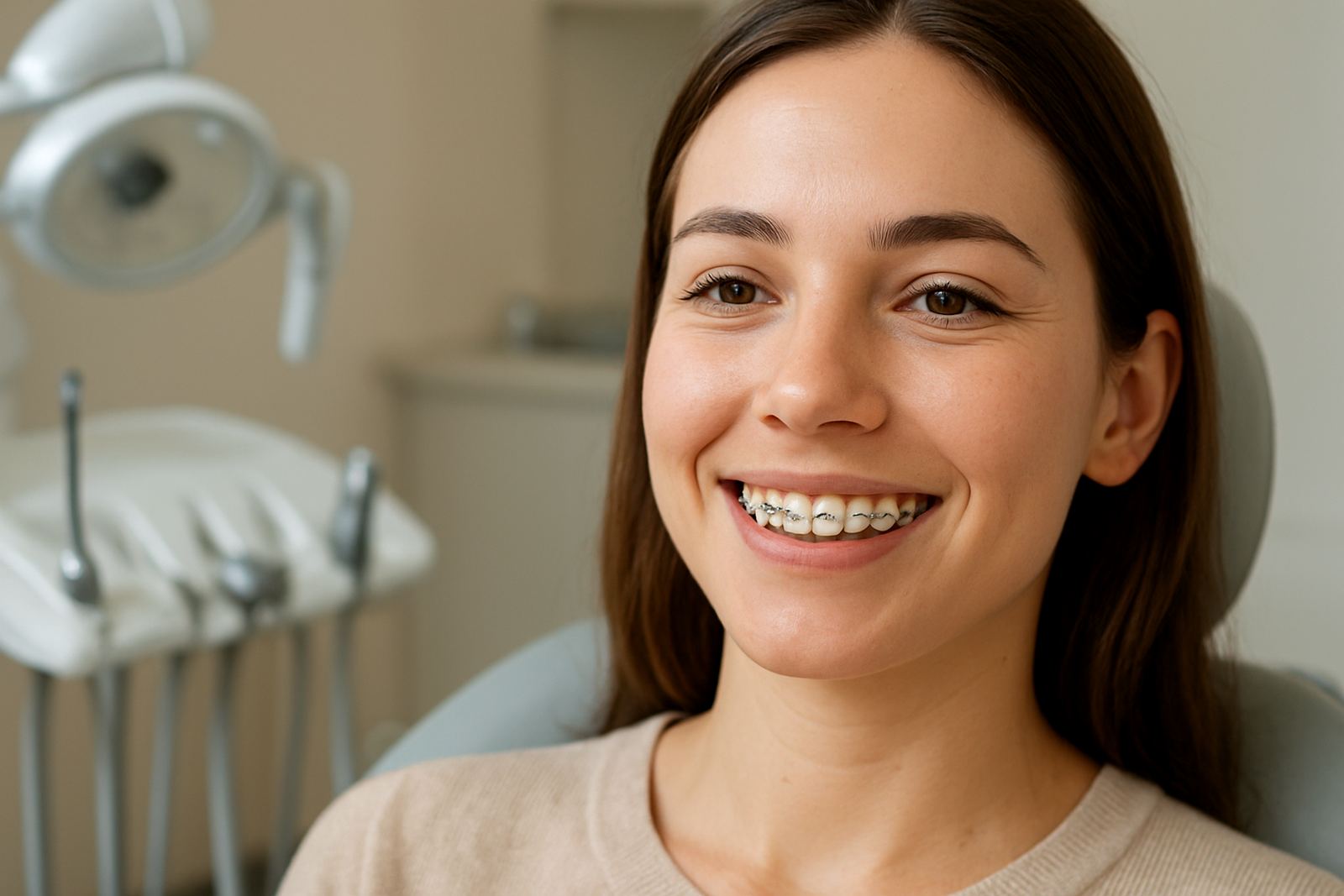
Ceramic braces use tooth-coloured or clear brackets so the appliance is less noticeable in the mouth. They still work as a fixed brace system, which means they can move teeth with steady control over rotation, spacing and alignment. For many adults and older teens in Sandton, Bryanston, Rivonia and Morningside, that balance of appearance and performance is the main reason to choose them.
They are especially useful when you want reliable movement without the more visible look of metal brackets. In the clinic we see them chosen for front tooth crowding, bite correction, closing gaps and preparing teeth for cosmetic work such as whitening or veneers. They can also suit patients who speak often for work, meet clients face to face or simply want a neater look during treatment.
- Less visible than standard metal braces
- Fixed in place for constant tooth movement
- Suitable for mild to moderate and many complex cases
- Can be combined with clear elastics for a neater finish
Bracket sizes, wire options and treatment styles
Ceramic braces are not one size fits all. Bracket shape, slot size and wire sequence are selected to suit the tooth movement required and the length of treatment. The lower profile versions are often preferred for comfort, while standard bracket sizes may be chosen where stronger grip and easier handling are needed. On some cases we also use ceramic brackets on the upper teeth and a less visible option on the lower arch, depending on the bite and the patient’s budget.
Wire stages usually start with lighter archwires for alignment and progress to firmer wires for finishing. Treatment may include clear or white coated elastics, power chains for closing spaces, and bite raisers if the upper and lower teeth need extra clearance. The exact setup depends on the diagnostic scans and your occlusion, not just on how the teeth look from the front.
- Bracket sizes can be selected for low profile comfort or standard control
- Upper and lower arches can be treated differently where appropriate
- Wire progression is matched to crowding, rotation and bite correction
- Options may include clear elastics, power chains and bite management pieces
Where ceramic braces suit best in daily life
These braces suit patients who need predictable orthodontic movement but want a less noticeable look for work, school events or everyday social life. They are a good fit for office workers, professionals, university students and adults returning for treatment later in life. In Johannesburg, we also plan carefully for patients dealing with dry indoor air, sports, frequent travel and long days between appointments.
Ceramic brackets can stain if care is poor, so they suit patients who are willing to brush carefully and keep to follow-up visits. They are not always the first option for heavy bite forces, severe grinding or patients who might miss reviews for months at a time. In those cases we will discuss alternatives and explain the trade-offs clearly, so you know what you are taking on before treatment starts.
- Well suited to adults and image conscious teens
- Useful for crowding, spacing, mild bite correction and alignment
- Needs good brushing and elastic care to stay neat
- Works best when follow-up visits are kept on schedule
Fitting the braces and what the appointment involves
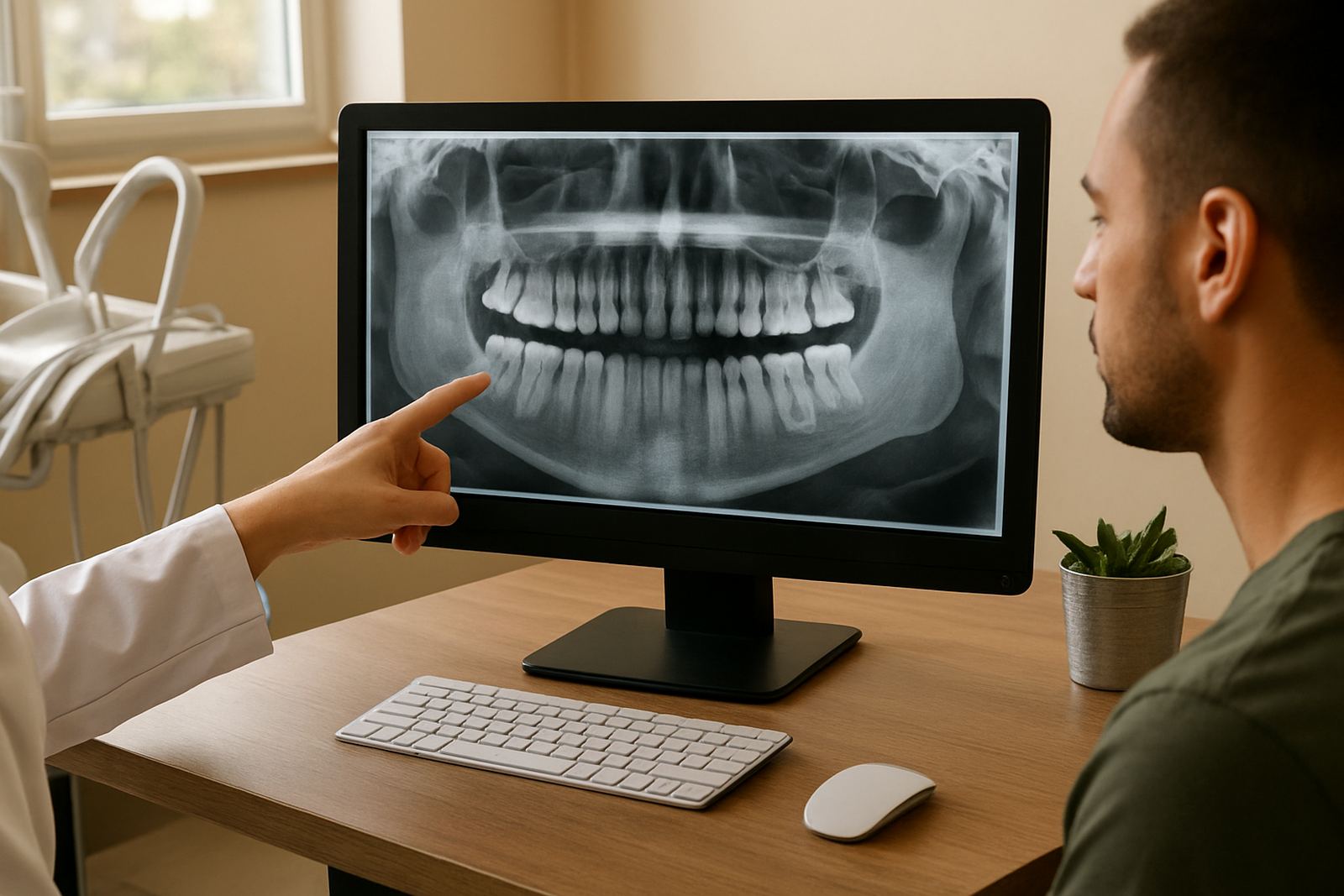
Before fitting, we assess your teeth, gums, bite and jaw movement, then confirm the treatment plan with records such as digital imaging and measurements. The fitting appointment usually includes cleaning the teeth, bonding the ceramic brackets in position and placing the first archwire. Most patients do not need any power or gas supply because this is a chairside orthodontic procedure carried out under local care and standard clinical equipment.
If you are anxious, we can discuss sedation options where appropriate, especially for patients who are sensitive to long appointments or who need more than one procedure planned. The first few days after fitting can feel tight or tender, and there may be some rubbing on the cheeks or lips. That settles as your mouth adjusts and we provide wax, cleaning guidance and follow up support.
- No power or gas connection is required for the braces themselves
- Standard fitting includes cleaning, bonding and wire placement
- Sedation can be discussed for suitable patients needing extra comfort
- Initial tenderness and rubbing are common and usually short lived
Care, cleaning and regular servicing
Ceramic braces need proper care to stay tidy and to keep the treatment moving. Brush after meals where possible, use an orthodontic brush and clean carefully around the brackets and under the wire. Flossing aids or small interdental brushes help with spaces around the teeth and gums. If you smoke or drink a lot of tea, coffee or coloured drinks, the elastic parts can discolour faster so extra care matters.
Appointments are usually scheduled every few weeks for wire changes, checks and small adjustments. During these visits we monitor tooth movement, replace worn elastics and make sure the bite is tracking as planned. If a bracket comes loose or a wire starts poking, contact us early rather than waiting for the next visit. A small issue can become uncomfortable quickly if it is left alone.
- Brush twice a day minimum, and after meals when you can
- Use floss aids or interdental brushes for better cleaning
- Avoid sticky foods that can pull brackets loose
- Keep review visits so the wires and elastics are changed on time
What to check before you order or book treatment
Before you start ceramic braces, it helps to confirm a few practical points. Ask what is included in the treatment plan, how often reviews are needed, whether ceramic brackets will be used on both arches or only the top teeth, and what happens if a bracket breaks. You should also ask about total treatment time, payment guidance and whether retainers are included at the end, because finishing properly is part of the result.
It is also worth checking your own routine. If you work long hours in Sandton or commute from Fourways or Rosebank, can you keep the review dates? If you are often in and out of meetings, can you manage cleaning after lunch? Ceramic braces are a good option when the plan suits your lifestyle and you are ready for the follow through.
- Confirm which arches will be treated and why
- Ask about treatment length, review intervals and retainer costs
- Check breakage policy and what to do after hours if needed
- Make sure the plan suits your cleaning routine and schedule
How Techno-Dent Clinic manages ceramic brace cases
At Techno-Dent Clinic, ceramic brace treatment is planned around the bite first, not just the smile line. Dr Nandi Dlamini leads orthodontic assessments, while Dr Sibusiso Mthembu and the wider team coordinate cosmetic planning, imaging, aftercare and payment guidance. That gives patients a clear route from first consult to final retainer checks, with one team keeping track of the details.
We see patients from Sandton, Bryanston, Rivonia, Morningside, Fourways and Rosebank, and we know that people want straight answers about time, upkeep and cost. If you need help deciding between ceramic braces and another fixed option, we will talk through the differences in plain terms and help you choose what suits your mouth and your routine. No pressure, just proper advice and a treatment plan that makes sense.
Key facts
| Product type | Fixed ceramic orthodontic brace system |
|---|---|
| Visibility | Tooth-coloured or clear brackets for lower visual impact |
| Typical use | Crowding, spacing, alignment and selected bite correction |
| Treatment timing | Reviews usually every 4 to 8 weeks |
| Care requirement | Daily brushing, floss aids and avoidance of sticky foods |
| Power or gas need | None for the brace system itself |