
What full dentures are and when they are used
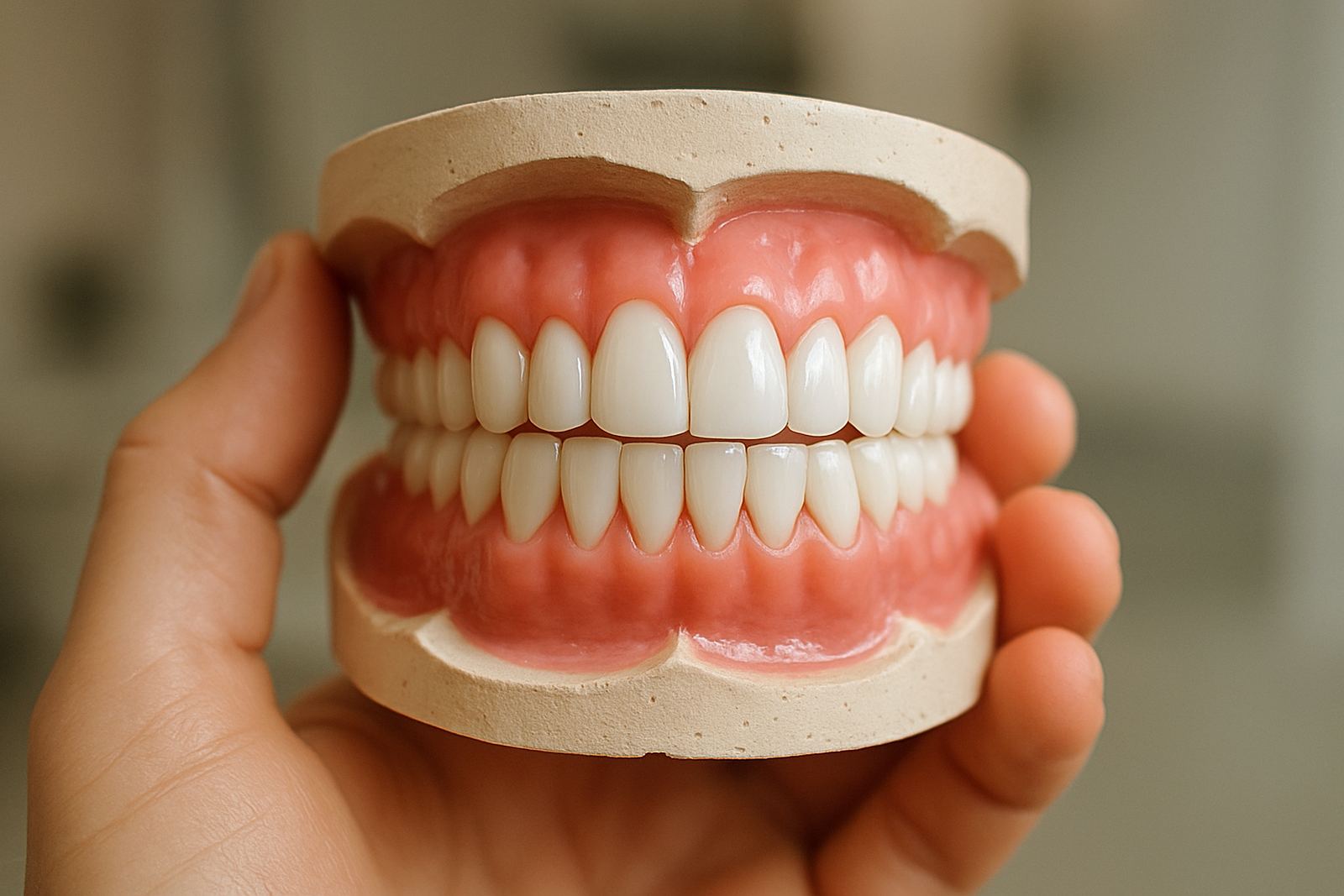
Full dentures are removable appliances that replace a complete arch of missing teeth. They sit on the gums and are shaped to support normal chewing, speech and facial support after tooth loss. In many cases they are the right choice when there are no teeth left that can be kept, or when remaining teeth are not suitable for crowns or bridges.
We often see patients from Sandton, Bryanston, Rivonia, Morningside, Fourways and Rosebank who want a fixed, tidy-looking smile after years of dental problems. Full dentures can help restore everyday function for eating, smiling and speaking, while also giving structure to the lower face.
They are not fitted as a one-size solution. Good dentures depend on accurate measurements, a stable bite and proper spacing for the tongue, lips and cheeks. If the fit is poor the denture can rub, move when you talk, or make eating difficult. That is why we pay close attention to the shape of the gums and the way your jaws meet.
Options, sizes and custom features
Each full denture is made to match the patient, not a standard mould. The main options are for upper dentures, lower dentures, or both together as a complete set. Upper dentures usually have broader coverage across the palate for stability, while lower dentures need a careful design because the tongue and jaw movement can make them less stable.
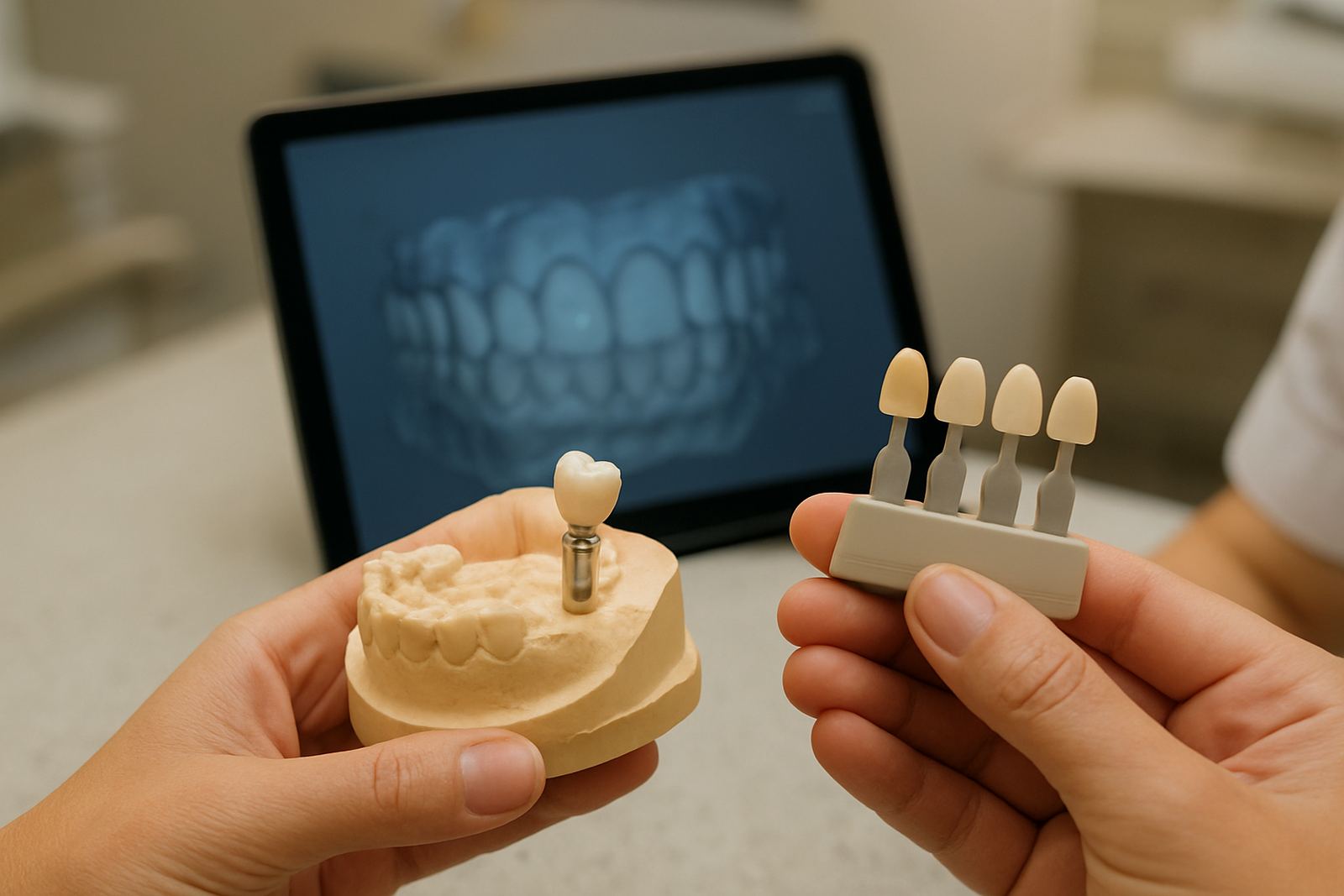
We can plan different tooth shapes, shades and arrangements depending on whether you want a natural everyday look or a brighter smile. Some patients prefer a softer, more age-appropriate appearance. Others want teeth that suit a fuller smile line. The gum section can also be tinted to blend with your natural gum colour.
- Upper full denture for a complete top arch
- Lower full denture for a complete bottom arch
- Complete upper and lower set
- Standard acrylic base for everyday use
- Lightweight design options where suitable
- Tooth shade and shape selection during planning
Typical sizes are based on jaw width, arch form and tooth display, so the finished piece follows your mouth rather than a fixed stock size. That makes daily use much easier and less tiring on the gums.
Who full dentures suit best
Full dentures suit adults who have lost all teeth in one or both jaws due to decay, gum disease, trauma or long-term wear. They are also used when a patient is moving from multiple loose teeth to a full replacement plan and wants a clear path back to eating and speaking normally.
They can be a practical choice for patients who want a removable solution that is easier to clean and usually more affordable than a full fixed reconstruction. In South Africa many patients also need to plan treatment around work, transport and budget, so we discuss the choices clearly before any final decision is made.
Full dentures may not be ideal if the gums are very sore, if there is severe jaw shrinkage, or if the bite is likely to change quickly. In those cases we may suggest a temporary denture first, then review the fit after healing. Some patients also benefit from implant support if extra retention is needed, especially for the lower jaw.
- Suitable for complete tooth loss in one or both jaws
- Useful after extractions and healing
- Can support speech and chewing again
- May be combined with implant planning in selected cases
How fitting and adjustment works
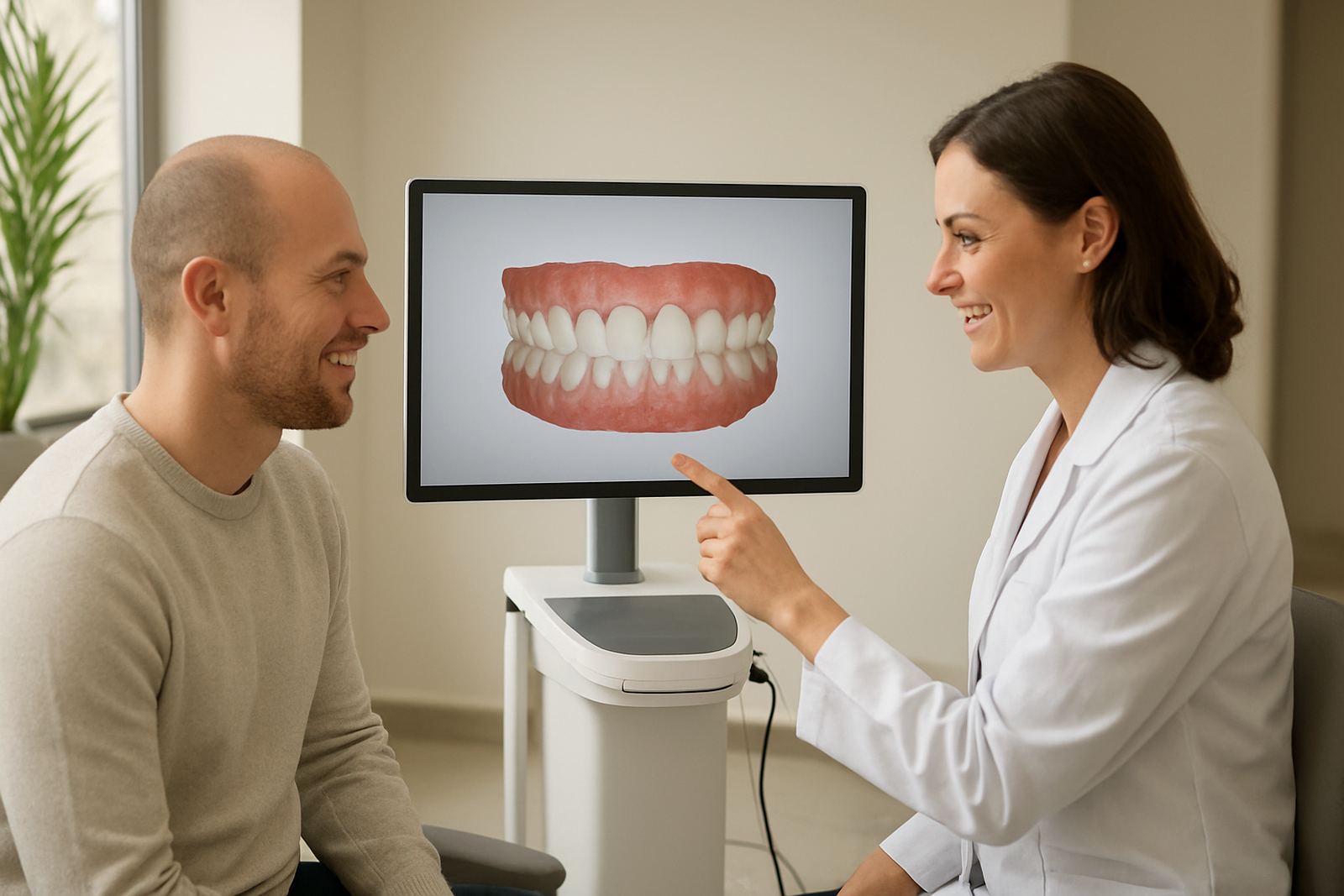
Fitting starts with an assessment, impressions and bite records. We then check the shape of the jaws, the way your teeth meet and the amount of space needed for speaking and eating. If you are still healing after extractions, a temporary denture may be used first so you are not left without teeth while tissues settle.
Once the denture is made, we check pressure points, lip support and the movement of the jaw. Small changes are common in the first weeks. A denture should not pinch or rock, and it should not create sore spots that get worse each day. If it feels loose after the swelling goes down, it may need adjustment or relining.
No power or gas connection is needed for the denture itself. That means it is easy to manage during load-shedding and there is no special installation at home. What matters is correct storage, daily cleaning and regular reviews so the fit stays acceptable as the gums and bone change over time.
Care, cleaning and follow-up service
Full dentures need daily care to stay clean and comfortable. Food plaque and stains can build up just like on natural teeth, especially if they are worn all day without rinsing. Remove them every day for cleaning, and brush them with a soft denture brush and a non-abrasive cleaner. Regular toothpaste can be too harsh on the surface.
Keep the gums clean as well. Rinse your mouth after meals and gently clean the tongue and palate. If the denture is removed overnight, place it in clean water or a suitable soaking solution so it does not dry out and warp. Do not use hot water.
- Clean after meals and before bed
- Store wet when not in use
- Book review visits if the fit changes
- Report cracks, rough edges or movement early
- Bring the denture to follow-up visits for checking
We also advise aftercare follow-ups, especially after new fitment or after major weight changes. Gum shape changes with time, so a denture that was comfortable in month one may need attention later. That is normal and part of proper servicing.
What to check before ordering your dentures
Before ordering, check whether you need a full upper, full lower, or both. Ask if the plan is immediate, temporary or final. It is also worth confirming the tooth shade, smile width and whether any existing gums need time to heal first. Clear planning avoids extra visits and helps keep the final result closer to what you want.
You should also ask about the adjustment period, payment guidance and how many review visits may be needed. Some people adapt quickly, while others need a few small refinements before the denture feels natural. If you grind your teeth or have a sensitive gag reflex, mention it during the consult so the design can be planned properly.
Look at the practical details too: how it will be cleaned, where it will be stored, and what happens if it cracks or loosens. For patients travelling in and around Johannesburg, this matters because quick follow-up access can save a lot of discomfort. A good denture is not only about appearance, it must work for chewing and talking every day.
Key facts
| Product type | Removable full denture for complete upper, lower or both arches |
|---|---|
| Material | Acrylic base with custom set teeth, selected for fit and appearance |
| Fit method | Impressions, bite records and clinical try-in where needed |
| Power or gas needs | None required for home use |
| Care routine | Daily cleaning, overnight soaking if advised, routine reviews |
| Typical use | Complete tooth replacement for eating, speaking and smile support |