What Dental Implants Are and How They Work
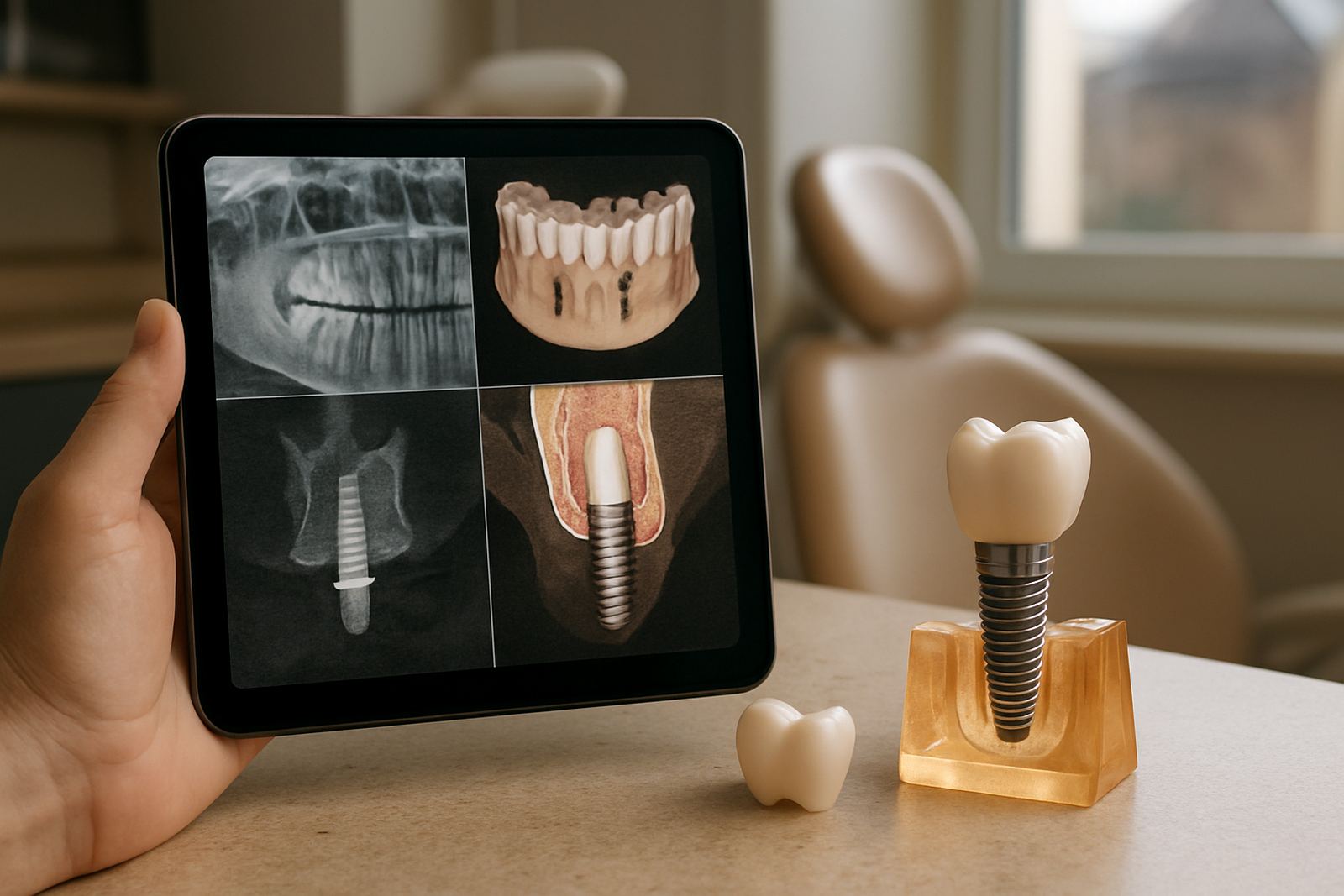
A dental implant is a small titanium post placed into the jaw where a tooth is missing. It acts like an artificial tooth root and supports a crown, bridge, or full-arch restoration once the bone has healed around it. The result is a fixed replacement that helps restore biting force, speech, and day to day confidence.
For many patients, implants are preferred because they do not rely on the teeth next to the gap for support. That means the neighbouring teeth can often be kept intact, which is a practical benefit when the bite is already under pressure. Dr Pieter van der Merwe and the clinical team assess bone levels, gum health, and bite alignment before any treatment plan is confirmed.
- Single tooth replacement for one missing tooth
- Multiple implants for several missing teeth
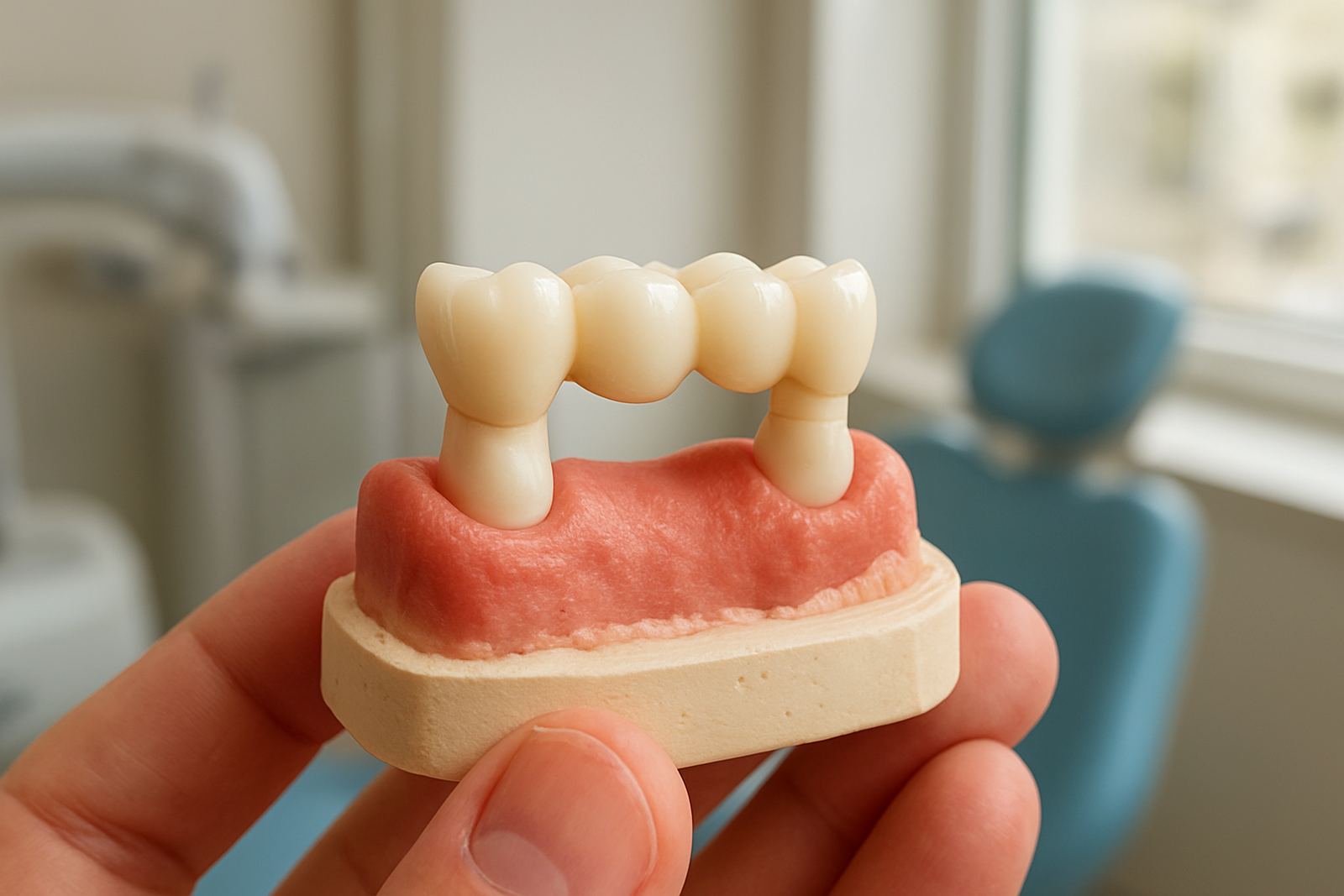
- Implant-supported bridges where more than one tooth is missing
- Full-arch solutions for patients who have lost most or all teeth
Implant Types, Sizes, and Restoration Options
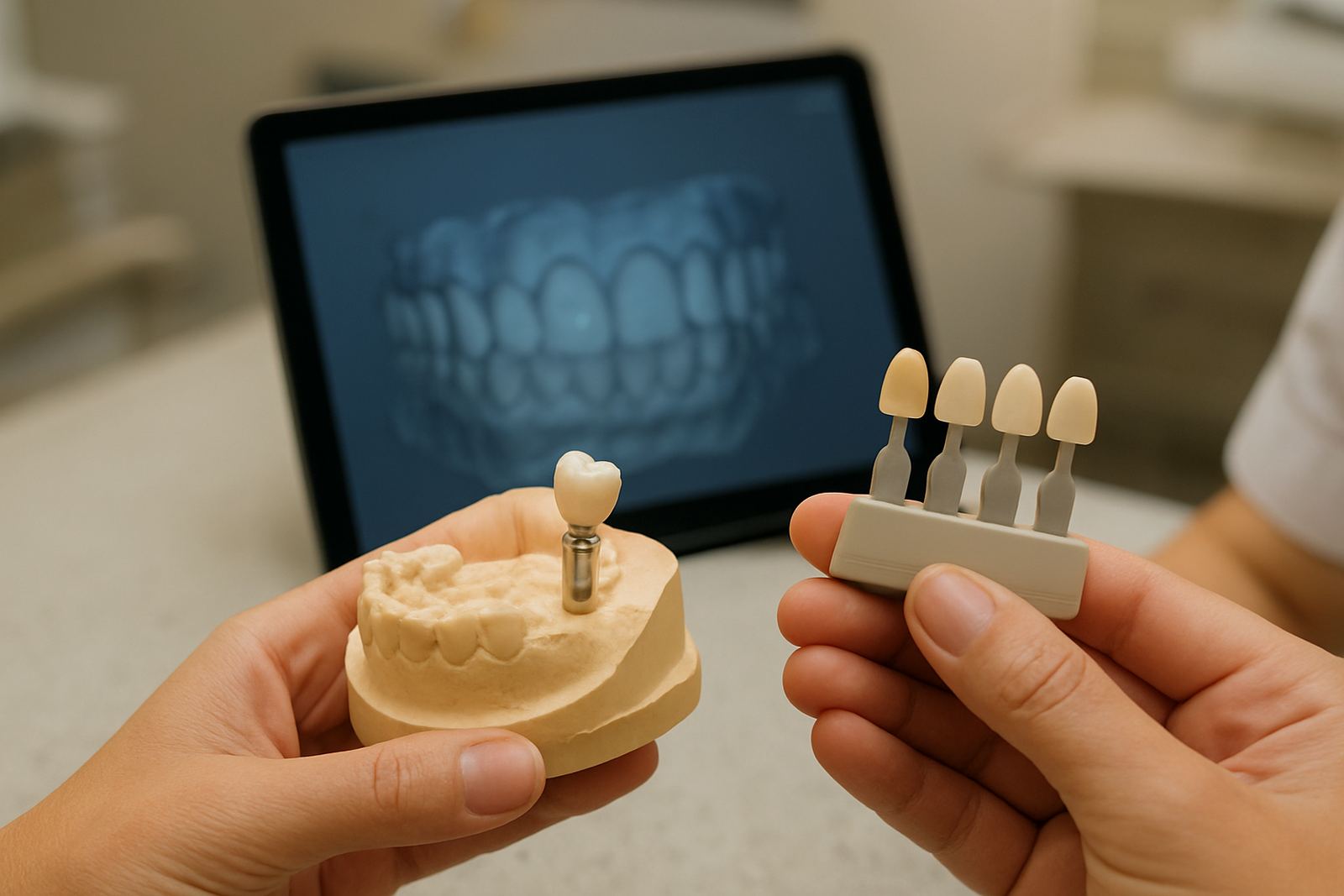
Dental implants are not one-size-fits-all. The post diameter, length, and crown design depend on the jawbone available, the position of the tooth, and the amount of chewing force that area carries. Front teeth usually need smaller profile restorations for appearance, while back teeth may need stronger support for heavier bite loads.
At our Sandton base, planning is led by digital imaging so we can measure the site properly before treatment begins. That helps us choose the right fixture size and determine whether bone grafting, sinus lift planning, or staged placement is needed. Patients in Bryanston, Rivonia, Morningside, Fourways, and Rosebank often come in after years of wear, so we also look at gum condition and the space available between teeth.
- Fixture sizes commonly range from narrow to wide diameter options
- Length selection depends on bone height and anatomy
- Restorations may be screw-retained or cement-retained depending on the case
- Temporary teeth can be provided in selected cases while healing takes place
Where Implants Suit Best in the Mouth
Implants are suited to many situations, but they are not placed the same way in every mouth. A healthy adult with one missing tooth in the front may need a very different plan from someone missing several molars at the back. The jaw bone, gum thickness, bite pattern, and history of gum disease all influence the final approach.
They often suit patients who want a fixed solution instead of a removable partial denture. They can also help where a bridge would require cutting down sound teeth, or where dentures move too much during speaking or eating. In some cases, implants are used after extractions have healed and in other cases they are planned soon after removal, if the site is suitable.
- Front tooth areas where appearance matters most
- Premolar and molar areas that need stronger chewing support
- Single gaps, short spans, and full-arch cases
- Patients who prefer a fixed option with easier daily use
Placement, Clinic Setup, and Power Needs
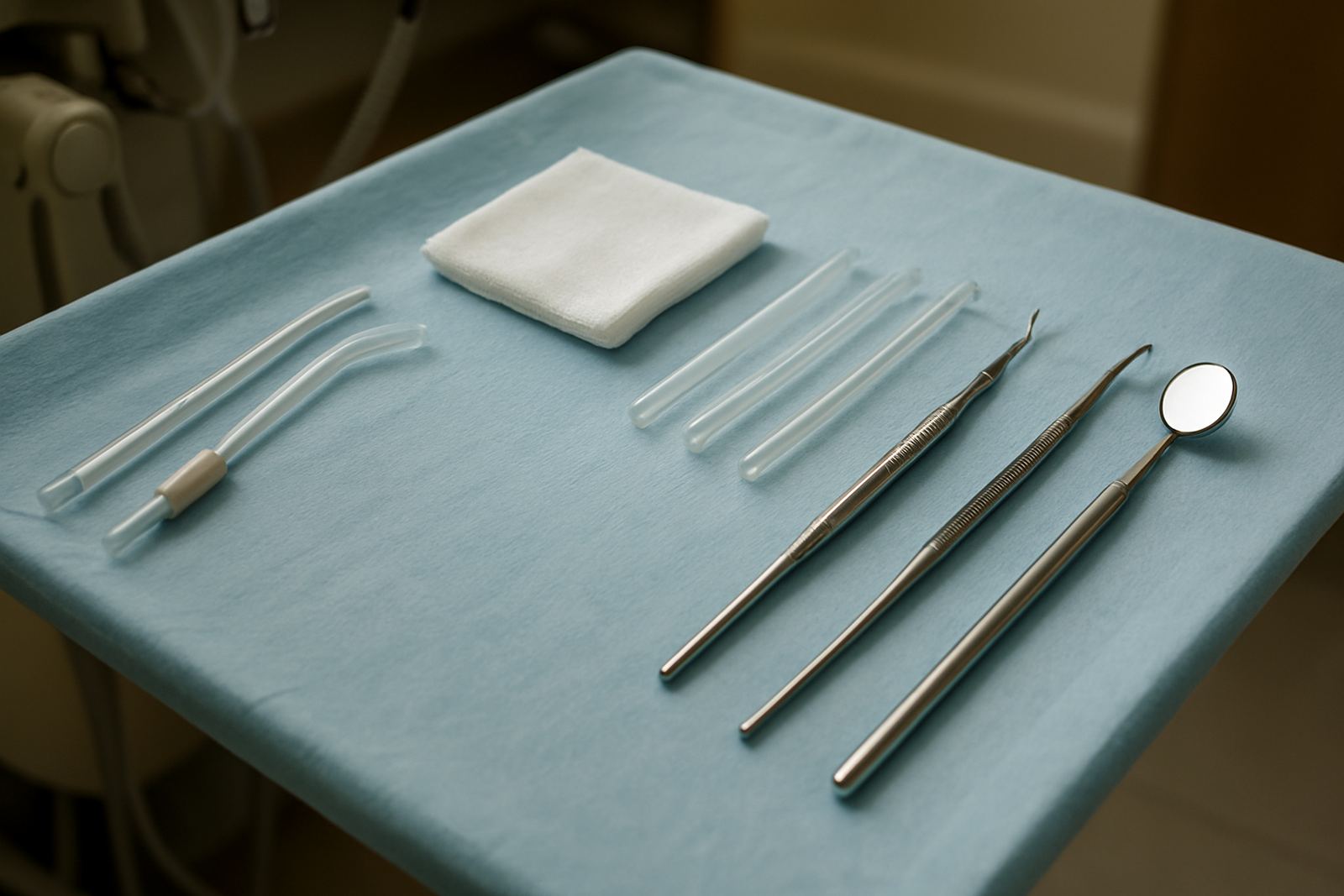
Implant placement is usually done in the surgery with local anaesthetic, and sedation options may be discussed for anxious patients or more involved procedures. The appointment needs proper imaging, sterile instruments, suction, lighting, and a controlled clinical space. If bone grafting or staged treatment is required, more than one visit may be needed and timing is planned around healing.
For clinics, the practical needs include reliable mains power, backup support for load-shedding, compressed air, suction, and clean water supply. In Johannesburg, where power interruptions can affect timing, we plan appointments with this in mind so treatment flow is less disrupted. Oxygen and sedation equipment are used only where clinically appropriate, with monitoring throughout the visit. It is a careful process, not a quick fit and forget job, and the handoff between surgery and restoration matters.
- Local anaesthetic is standard for most cases
- Sedation may be offered for selected patients
- Digital imaging helps guide position and depth
- Appointments can be staged to allow proper healing
Aftercare, Cleaning, and Long-Term Servicing
Implants need proper care to stay healthy. Daily brushing, careful cleaning between teeth, and regular reviews all help prevent inflammation around the implant. We also check bite pressure, gum condition, and the security of the crown or bridge during follow-up visits.
Patients are usually advised to avoid smoking during healing, keep to soft foods as directed, and return promptly if there is swelling, movement, or discomfort. Aftercare Follow-Ups are part of the treatment plan at Techno-Dent Clinic, because the first months matter a lot. If a crown edge chips or a screw loosens, it must be checked early before the issue affects the implant itself.
- Brush twice a day with a soft brush
- Use floss, interdental brushes, or water cleaning as advised
- Attend routine checks and x-rays when recommended
- Report pain, bleeding, or looseness quickly
What to Check Before You Book Dental Implants
Before booking treatment, it helps to ask the right questions so the plan is clear. You should know whether you are suitable for immediate placement, whether bone grafting is needed, and what kind of final tooth will be attached. It also helps to understand the timeline, because some cases take weeks while others take several months from start to finish.
At Techno-Dent Clinic, our team gives payment guidance, treatment sequencing, and honest answers on what can be done now versus later. That is useful for patients who are comparing options after losing a tooth from decay, trauma, or old bridge failure. If you live or work near Sandton, Bryanston, Rivonia, Morningside, Fourways, or Rosebank, we can assess the site and explain the steps clearly before any decision is made. Dental care should feel straightforward, not confusing.
- Ask if you need a scan, x-ray, or bone assessment first
- Check whether the case needs grafting or a temporary tooth
- Confirm the healing time and review schedule
- Ask about maintenance costs and long-term care
Key facts
| Treatment type | Fixed tooth replacement using titanium implant fixtures |
|---|---|
| Typical use | Single tooth, multiple teeth, or full-arch support |
| Common materials | Titanium implant post with ceramic or composite crown options |
| Placement method | Surgical placement under local anaesthetic, with sedation options in selected cases |
| Healing time | Usually several weeks to a few months depending on bone and case complexity |
| Service area | Sandton, Bryanston, Rivonia, Morningside, Fourways, and Rosebank |