What An Implant Crown Does
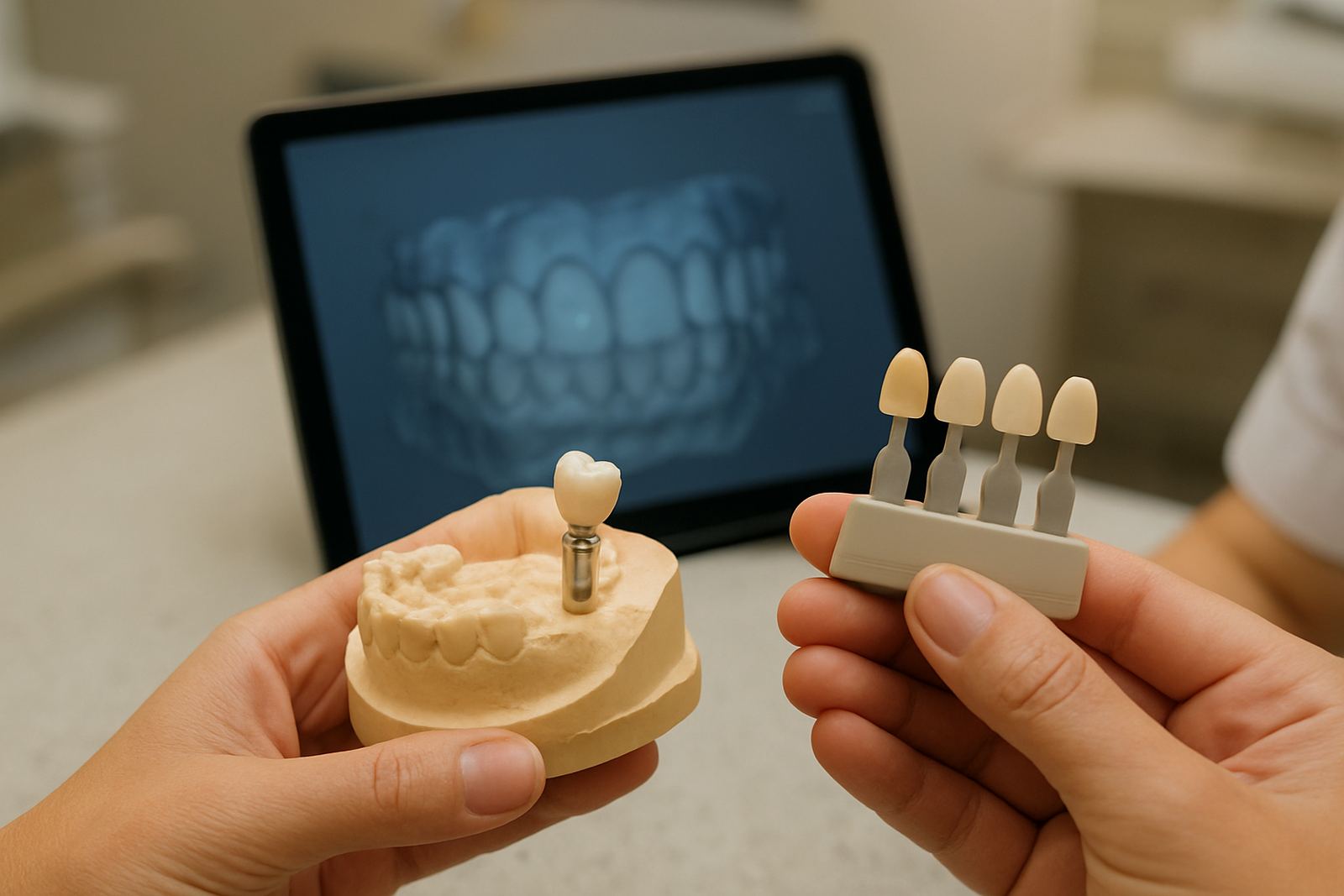
An implant crown is the top part of a dental implant restoration. The implant sits in the jawbone, while the crown is the part you see and bite with. It is made to replace a single missing tooth or, in some cases, to finish multiple implant supported restorations when the treatment plan calls for it. The aim is simple, to bring back chewing comfort and a natural look without drawing attention to the repair.
For many patients in Sandton, Bryanston, Rivonia and Morningside, the crown is the final step after healing and implant integration. It is matched to the surrounding teeth in colour, length and shape so it does not look out of place. A good crown should also meet the bite correctly, otherwise you can end up with uneven pressure or a crown that feels too high.
- Used on a single implant or part of a larger restoration
- Matched to adjacent teeth for shade and contour
- Designed for normal biting, speaking and cleaning routines
Crown Materials, Sizes And Finish Options
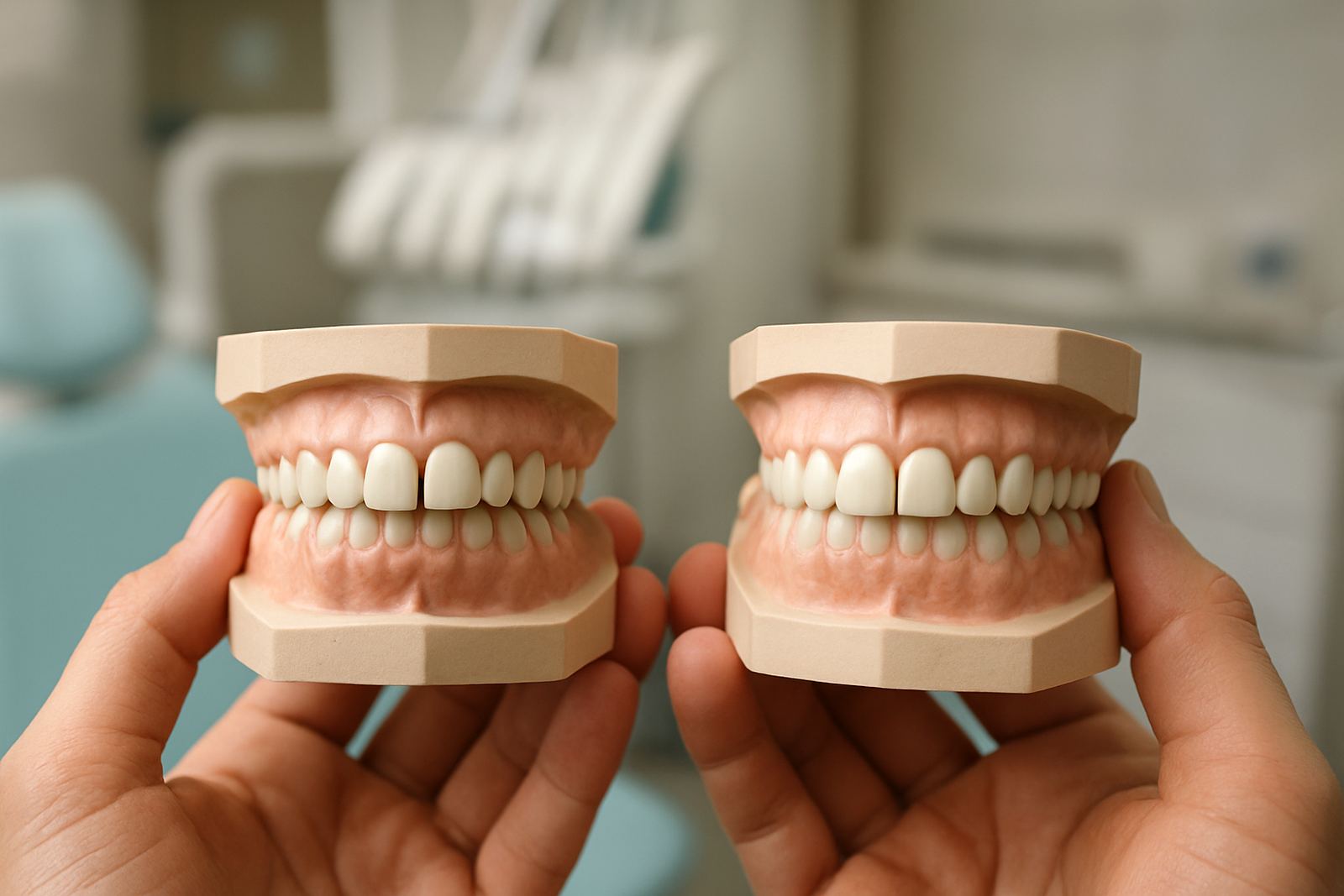
Implant crowns are not one-size-fits-all. The right option depends on where the tooth is missing, how much bite force the area takes, and how much room is available above the implant. Front teeth usually need a more exact colour match and a natural light reflection. Back teeth often need stronger wear resistance because they carry heavier chewing loads.
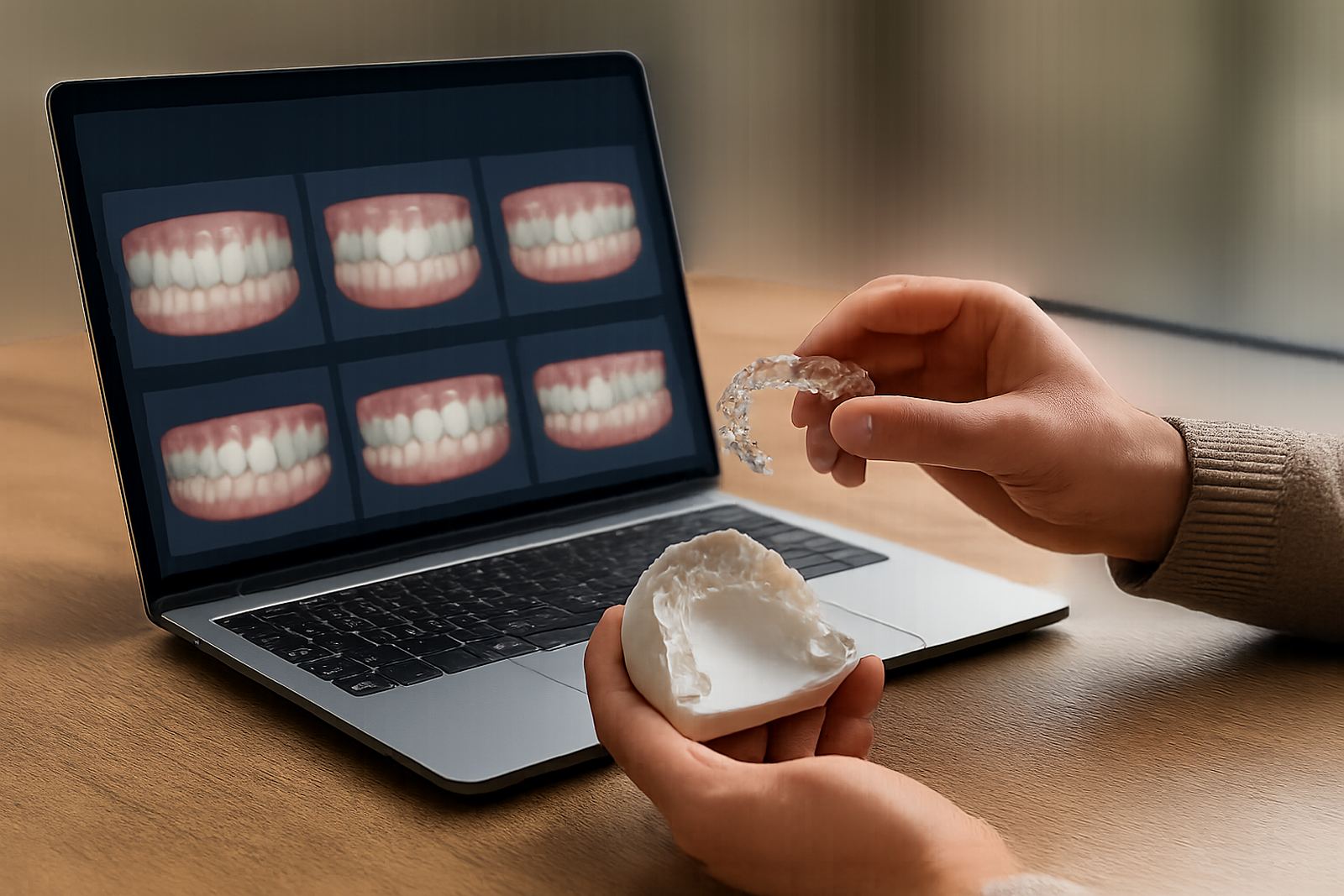
At our Sandton base, we plan the crown using digital scans and clinical measurements so the final result suits your mouth, not just a standard shape. If the gum has receded or the space is tight, the crown may need a modified contour to support a clean appearance and proper cleaning access. The shade is selected to blend with your smile, or to suit a broader cosmetic plan if you are changing several teeth at once.
- Front tooth crowns for appearance and detail
- Back tooth crowns for strength and chewing load
- Multiple shade choices to match natural enamel
- Different emergence profiles for gum and implant spacing
Where Implant Crowns Suit Best
Implant crowns suit patients who have lost a tooth through injury, decay, gum disease or a failed root canal treatment. They are also a sensible option where a bridge would mean cutting down healthy neighbouring teeth. For some people, the crown is chosen because they want a fixed result that does not come in and out like a removable appliance.
They work well in the front of the mouth, where appearance matters, and in the back, where chewing strength is important. In coastal humidity or in busy city routines where oral care needs to be practical, a fixed crown can be easier to keep up with than some other solutions. It still needs proper cleaning though, especially around the gum line and under the crown margin, so you do not trap plaque.
We often guide patients from Fourways, Rosebank and the wider Johannesburg north area through whether the site is ready for a crown now or whether healing and implant planning must happen first. Not every implant is ready at the same pace, and rushing the crown can affect the outcome.
How The Crown Is Fitted In Clinic
The fitting process starts with an assessment of the implant position, the gums and the bite. We then take scans or impressions and check how the crown will sit against the opposing teeth. In some cases, a temporary crown may be used while the final one is prepared. This helps with appearance and lets us test the shape before the final fit.
When the crown is placed, it is secured either with a screw retained connection or a cement retained fit, depending on the treatment plan. The bite is checked carefully so the crown does not carry too much force on one side. No gas or utility connection is needed for the crown itself, but the procedure is carried out with dental equipment that relies on stable clinic power and backup systems, which matters during load-shedding and municipal interruptions.
- Digital scan or impression is used to plan the fit
- Temporary crowns may be used where needed
- Final fitting includes bite adjustment and contact checks
- Screw retained or cement retained options may be used
Care, Cleaning And Follow-Up
An implant crown needs everyday cleaning and scheduled reviews. The crown itself will not get decay like a natural tooth, but the gum and bone around it still need attention. A soft toothbrush, interdental cleaning and regular professional checks help protect the tissues around the implant. If food keeps packing around the crown or if the gum bleeds, that needs attention sooner rather than later.
We also advise follow-up checks after placement, especially if the crown has been fitted after recent implant surgery. Small bite changes can happen as you heal, and those need to be adjusted. If you grind your teeth at night, a protective appliance may be recommended because extra force can chip porcelain or loosen components. It is one of those small things that makes a big difference, and people often ignore it until there is a problem.
- Brush twice daily with a soft brush
- Clean between the crown and neighbouring teeth
- Attend review visits and bite checks
- Report looseness, sensitivity or gum swelling quickly
What To Check Before You Order
Before ordering an implant crown, check the implant system, the connection type, the available space, and the shade requirements. You also need to know whether the crown is going on a single implant or forming part of a larger cosmetic or orthodontic plan. If the space is too narrow or too tall, the crown may need adjustments that affect strength or appearance.
It helps to confirm if the restoration should be removable for maintenance or fixed for daily use. Ask about turnaround time, the number of visits needed, and whether the bite will be adjusted at the same appointment. Payment guidance can also be arranged, because implant treatment is usually done in stages and patients often want a clear idea of costs before the crown stage begins.
- Confirm implant connection and abutment type
- Check shade, size and visible edge line
- Ask whether a temporary crown is needed
- Confirm review dates and aftercare requirements
Key facts
| Type | Custom implant crown for single tooth or planned implant restoration |
|---|---|
| Material options | Porcelain, ceramic or layered ceramic depending on bite and position |
| Fit options | Screw retained or cement retained, subject to clinical planning |
| Shade matching | Matched to surrounding teeth using clinical shade selection |
| Typical use | Front teeth, premolars and molars after implant healing |
| Care interval | Routine home cleaning plus periodic clinic reviews and bite checks |