
Custom fit for contact sport protection
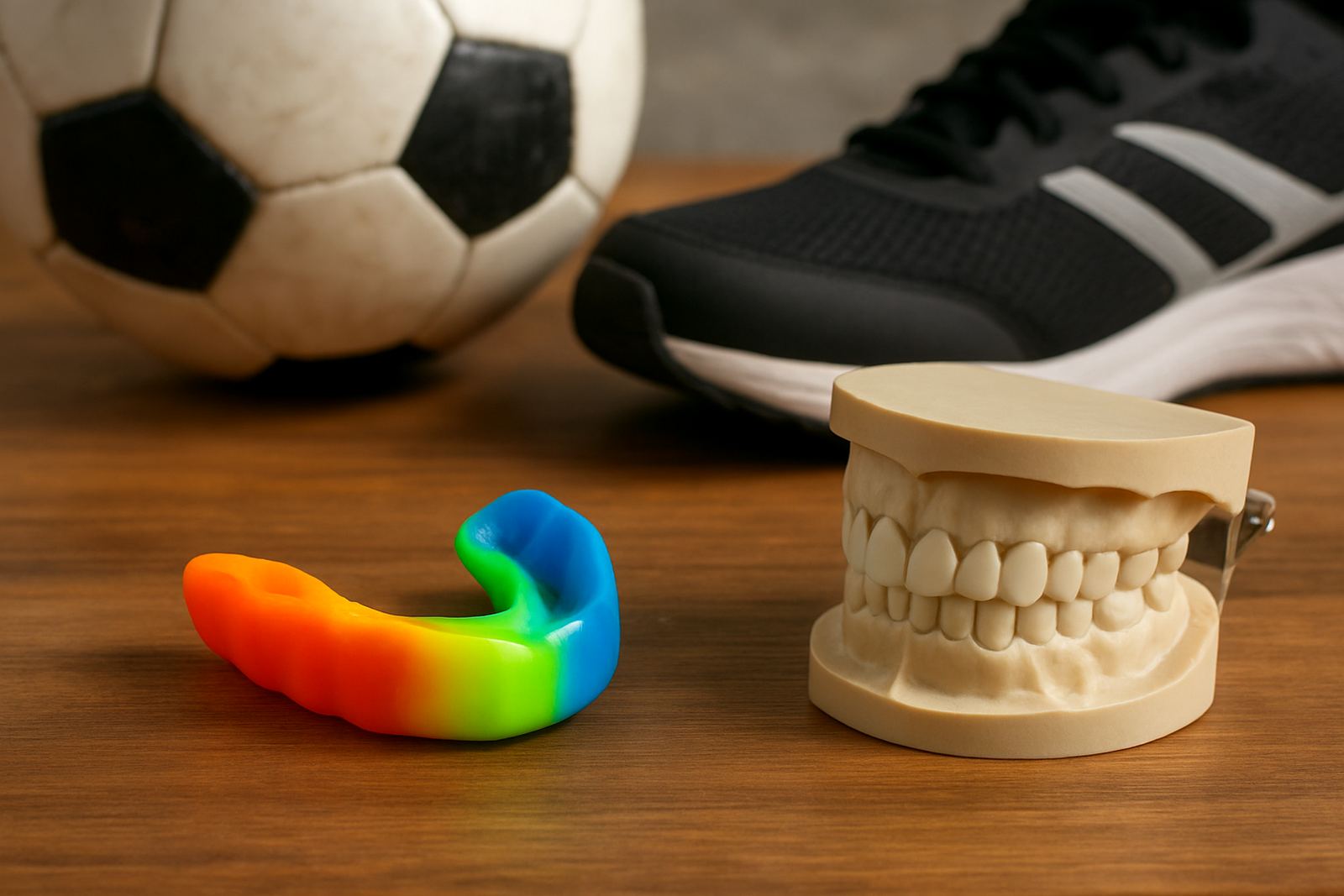
A sports mouthguard is a removable protective appliance worn over the teeth during training and matches. It is made to sit snugly over the upper arch and absorb impact before it reaches the teeth, gums and jaw. For players in rugby, hockey, boxing, MMA, martial arts, water polo and netball, this is often the first line of protection against chipped teeth, lip cuts and damage to existing dental work.
At Techno-Dent Clinic, mouthguards are planned for a secure fit rather than a one-size-fits-all compromise. That matters because a loose mouthguard can shift when you breathe, talk or take a hit, which makes it harder to trust on the field. A well-made guard should stay in place, feel comfortable enough for a full session, and allow normal mouth opening as far as possible for speech and breathing.
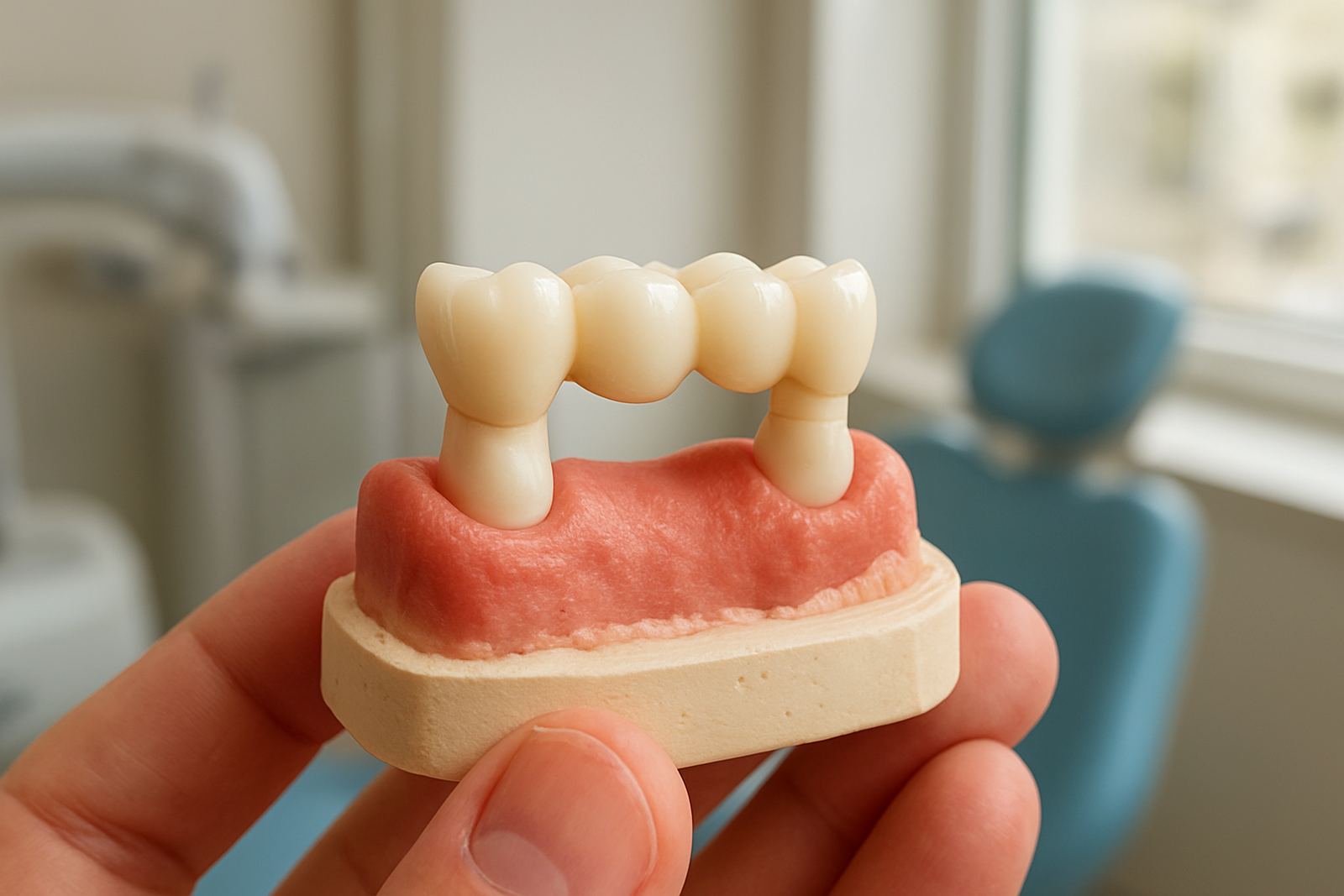
We work with patients from Sandton and the surrounding northern suburbs who want practical protection that holds up through regular use. If you already have crowns, bridges, implants or braces, the mouthguard can be shaped with those factors in mind so the fit does not press on sensitive areas. For younger players, especially those still growing, the design can be reviewed again as their teeth and jaw change.
- Protects upper teeth and soft tissue during impact sport
- Suitable for children, teens and adults
- Can be planned around braces or existing restorations
- Made for secure retention rather than a loose fit
Sizes, thickness options and fit choices
Sports mouthguards are usually selected by age, mouth size and the level of contact in the sport. A younger child may need a smaller appliance, while older teens and adults usually need a fuller arch shape. For high-contact sport, a thicker guard is often more suitable. For lighter contact or training drills, a slimmer profile may be easier to wear for longer periods.
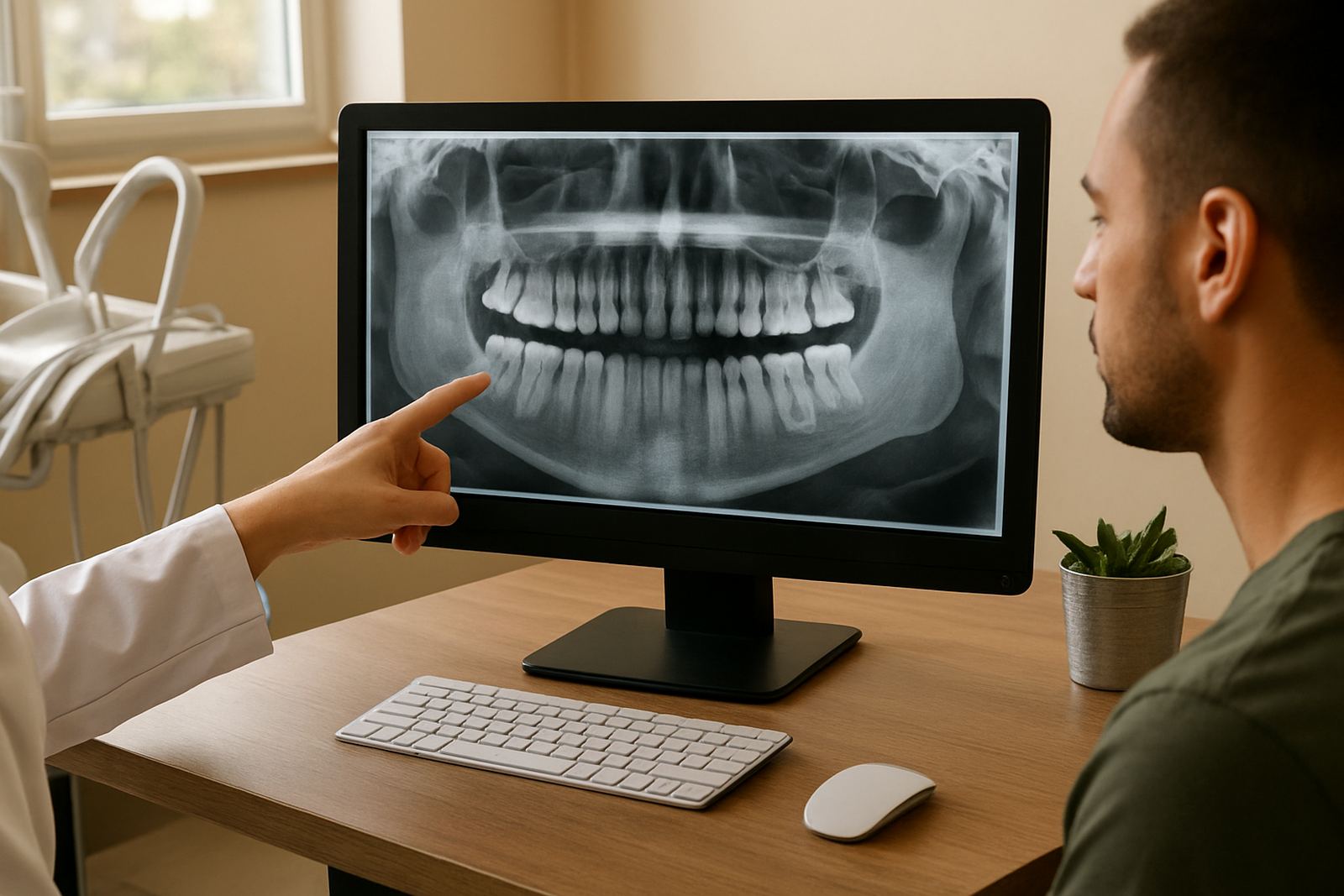
Our team will check your bite, tooth position and any braces before confirming the best option. The aim is to balance protection with comfort, because a guard that feels bulky gets removed on the sideline and then it cannot do its job. We also look at whether you need a single guard for one sport or a second guard for school sport and club matches. In busy seasons, that can save hassle when kit gets missing, which happens a lot.
Options can include different colours for easy identification, transparent material for a discreet look, or higher-visibility colours so coaches can spot it quickly. For players who wear orthodontic appliances, the mouthguard may need additional clearance to avoid rubbing on brackets and wires. If you have a history of grinding at night as well, that is a different matter and should be discussed separately since the design and material selection can differ.
- Child, teen and adult sizing available
- Standard, medium and higher-contact thickness choices
- Clear or coloured options depending on preference
- Orthodontic friendly planning where needed
Where sports mouthguards suit best
This product suits any setting where there is a real risk of contact, collision or flying equipment. It is commonly used by school teams, club players, weekend athletes and adults who train after work. In Johannesburg, where many players move between school fields, indoor courts and club grounds, a mouthguard needs to be easy to keep in a sports bag and quick to rinse after use.
It is especially useful for patients who have had previous dental work and want to reduce the chance of emergency repairs. A single impact can loosen fillings, crack enamel or damage an implant crown. While a mouthguard cannot prevent every injury, it helps lower the risk in situations where elbows, sticks, balls and falls are part of the game. For younger players, it can also help protect developing teeth that are still settling into position.
If you are in Sandton, Bryanston, Rivonia, Morningside, Fourways or Rosebank, the guard can be planned around your schedule, whether you are coming in before training or between school runs. For families, it often makes sense to have the guard fitted before the season starts rather than after the first injury. Once a front tooth is chipped, the repair can cost far more than the guard itself.
- School sport and club sport
- Rugby, hockey, boxing, MMA and martial arts
- Netball, basketball and high-contact training drills
- Patients with crowns, bridges, implants or braces
Fitting process and what it needs on the day
A custom sports mouthguard does not need power or gas on site. The fitting process is carried out in the clinic and the appliance is made from dental material that is shaped for your mouth. You will usually start with an assessment of your teeth, bite and any orthodontic appliances. If impressions or digital scans are needed, that is done in the practice and then the mouthguard is prepared to suit your mouth shape.
The appointment is straightforward and usually quick, though the exact timing depends on whether you need a simple guard or more detailed planning for braces, mixed dentition or previous restorations. If you play regularly, bring your existing mouthguard, if you have one, so we can compare wear and see what needs changing. Please also mention any history of jaw pain, recent extractions or loose teeth before the fit is confirmed.
There is no special gas supply, charging point or equipment at home. Once the guard is supplied, you just need a clean case and a routine for keeping it dry after matches. If your child plays school sport, it helps to label the case clearly so it does not end up in the lost property bin at the end of term. That happens more often than people think.
- No power or gas requirements
- Clinic assessment before the guard is made
- Suitable for braces and mixed dentition where needed
- Can be compared with an existing guard if you have one
Care, cleaning and replacement checks
A mouthguard lasts longer when it is cleaned after every use and stored properly. Rinse it in cool water straight after training, then wash it with mild soap and a soft brush. Do not use hot water, because that can distort the fit. It should always be kept in a ventilated case, not wrapped in a sweaty towel or left loose in a school bag where it can pick up grit and bacteria.
Check the mouthguard before each season for cracks, thinning, rough edges and spots where it no longer grips the teeth properly. If it starts to smell even after cleaning, that is another sign it may need replacing. Players who grind their teeth on the field or chew the guard during a match may wear it down faster. If the fit changes after braces adjustments or after a baby tooth is lost, book another check rather than forcing the same guard to carry on.
We can advise on follow-up checks if your child is growing quickly or if your sport has a long season with weekly fixtures. A mouthguard is only useful when it still fits well. If it becomes loose, split or too thin in the front, the protection drops off quite quickly and the guard should be replaced. Better to sort it early than wait for a front tooth to take the hit.
- Rinse after use and wash with mild soap
- Store in a ventilated case
- Avoid heat, boiling water and direct sun in the car
- Replace if cracked, loose or worn thin
What to check before you order one
Before ordering, confirm the sport, age of the player, whether braces are present and how often the mouthguard will be used. That helps guide the thickness, coverage and finish. You should also tell the clinic if there are any loose teeth, gum pain, recent dental work or a history of jaw injury. For some patients, a standard guard is enough; for others, especially in high-contact sport, a more protective profile is worth it.
It is also smart to think about where the player will keep the guard, how often it will be cleaned and whether a spare is needed for school and club use. In families with more than one child playing sport, it can help to choose different colours so each guard is easy to identify. If the athlete travels between Sandton, Bryanston and Fourways for training, having one case in the school bag and one in the kit bag can save time on match day, and a fair bit of stress.
For personalised advice, Techno-Dent Clinic can assist with new patient consults, preventive care, orthodontic assessments, aftercare follow-ups and payment guidance. Dr Sibusiso Mthembu and the team work with children, teens and adults across the northern suburbs, and they will check that the mouthguard suits the mouth, the sport and the season ahead.
- Confirm sport and contact level
- Tell us if braces or restorations are present
- Check storage, cleaning and replacement needs
- Ask about a second guard if you need one for training and one for matches
Key facts
| Product type | Custom sports mouthguard |
|---|---|
| Fit | Upper arch custom fit |
| Age range | Children, teens and adults |
| Use case | Contact and collision sport protection |
| Power or gas needs | None |
| Care | Cool rinse, mild soap, ventilated case |