
What Fluoride Treatment Does for Your Teeth
Fluoride treatment is a concentrated application of fluoride varnish, gel or foam to the teeth after a routine clean or check-up. It works by helping enamel take up minerals again, which makes the tooth surface more resistant to acid attacks from food, drinks and bacteria. For many patients, it is a small appointment that can make a real difference over time.
It is commonly recommended when there is a higher cavity risk, exposed roots, early signs of enamel wear, dry mouth, orthodontic appliances, or a history of repeated fillings. We also use it for younger patients who need extra protection while their brushing habits are still developing. The application itself is quick, and there is no drilling or anaesthetic needed.
- Helps strengthen enamel after cleaning
- Supports teeth that are prone to decay
- Useful for children, teens and adults
- Can reduce sensitivity on exposed areas
Treatment Options and Application Formats
We offer fluoride treatment in a few practical formats, depending on age, decay risk and current dental condition. Varnish is the most common option because it sticks well to the tooth surface and is simple to apply. Gel and foam are also used in some cases, especially when a patient needs a larger-mouth tray application during a scheduled preventive visit.
The dose is always selected by the dentist or oral care team. Most patients only need a very small amount, because the strength comes from the concentration not the volume. There is no one-size-fits-all approach, and the right option depends on whether the treatment is for routine prevention, post-cleaning care, or extra support around orthodontic brackets.
- Fluoride varnish for quick chairside application
- Gel or foam for tray-based application where suitable
- Child-friendly and adult-appropriate options
- Can be combined with a standard check-up or scale and polish
Where It Suits Best in Sandton and Nearby Areas
Fluoride treatment suits a wide range of patients in Sandton, Bryanston, Rivonia, Morningside, Fourways and Rosebank. It is often a good fit for families looking for preventive care, working adults who want to avoid bigger restorative treatment later, and orthodontic patients managing plaque around wires and brackets. It is also helpful for people with busy schedules who want a short appointment that fits between meetings or school runs.
In Johannesburg, many patients deal with dry indoor air from air-conditioning, frequent snacking, coffee and tea, and a fast pace that can make home care slip. Fluoride support is a practical way to back up daily brushing and flossing when the mouth needs a bit more protection.
- Children with early cavity risk
- Adults with sensitivity or enamel wear
- Patients wearing braces or aligners
- People with dry mouth or a high sugar intake
What to Expect at the Appointment
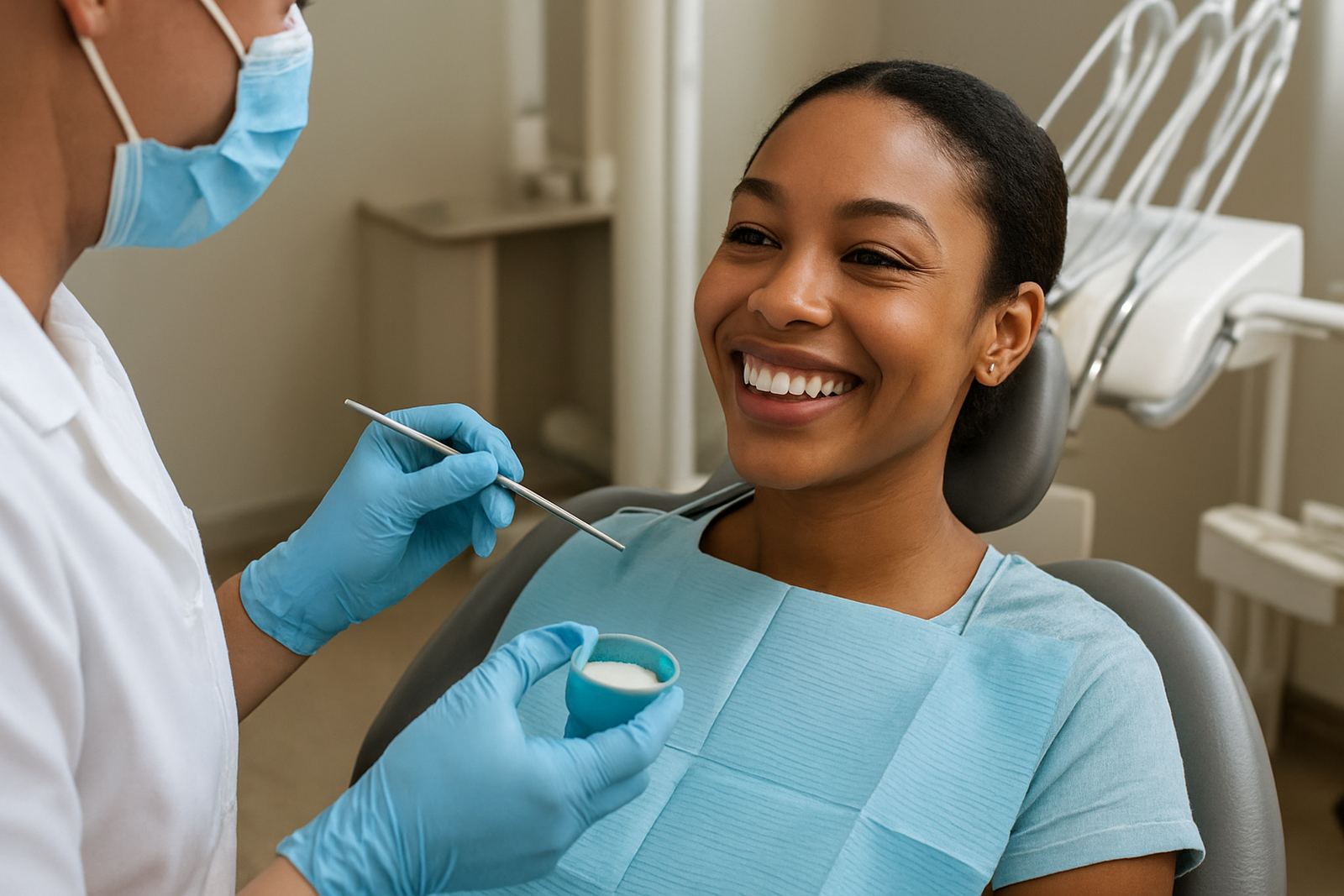
There is no installation, power supply or gas requirement for fluoride treatment. It is a chairside preventive procedure done in the clinic using standard dental materials and suction where needed. Most appointments take only a few minutes after the teeth have been cleaned and dried. The area is isolated, the fluoride is applied carefully, and you can usually go home straight after.
We advise patients not to eat hard or hot food for a short period after varnish application, and to avoid brushing until the recommended waiting time has passed. That helps the fluoride stay in place long enough to work properly. If you are coming in from Sandton during a busy day, the visit is straightforward and usually easy to fit into a lunch break.
- No power connection needed
- No gas cylinders or special utilities required
- Quick procedure with minimal discomfort
- Suitable for routine preventive visits
Aftercare, Servicing and Follow-Up
Fluoride treatment does not need servicing in the equipment sense, but it does need sensible follow-up to stay effective as part of a preventive plan. We may recommend repeat applications every 3 to 6 months for higher-risk patients, while lower-risk patients may only need it from time to time. That decision depends on your cavity history, gum condition, diet and how well your home care is going.
Aftercare is simple. Follow the eating and brushing instructions given at the appointment, keep up with brushing twice a day using a fluoride toothpaste, and book regular checks so we can monitor wear, decay spots and gum health. If you have had a recent filling, orthodontic adjustment or sensitivity issue, tell us so we can time the next treatment properly.
- Repeat intervals depend on risk level
- Best combined with regular check-ups
- Supportive aftercare for sensitivity and early decay
- Good home brushing still matters every day
What to Check Before You Book
When ordering or booking fluoride treatment, check whether it is being done as a standalone preventive visit or added to another appointment such as a clean, emergency review or orthodontic assessment. It is worth confirming the patient age, any allergies, recent dental work and whether there is a history of swallowing difficulty or special care needs. Those details help us choose the safest format and dose.
For parents, it helps to bring the child’s recent dental history and know whether they have had cavities before. Adult patients should mention dry mouth, reflux, braces, teeth grinding or frequent snacking. If you are unsure, the team at Techno-Dent Clinic can guide you on the right timing and explain what to expect before you arrive.
- Confirm age and cavity risk
- Tell us about allergies or sensitivity
- Share recent dental treatment history
- Ask about timing if you have braces or a follow-up visit booked
Key facts
| Treatment type | Preventive fluoride application for enamel support |
|---|---|
| Formats | Varnish, gel or foam depending on clinical need |
| Typical appointment time | About 10 to 20 minutes including prep |
| Power or gas needs | None required |
| Recommended review | Every 3 to 6 months for higher-risk patients |
| Best for | Children, adults, orthodontic patients and sensitive teeth |