What Clear Aligners Are and How They Work
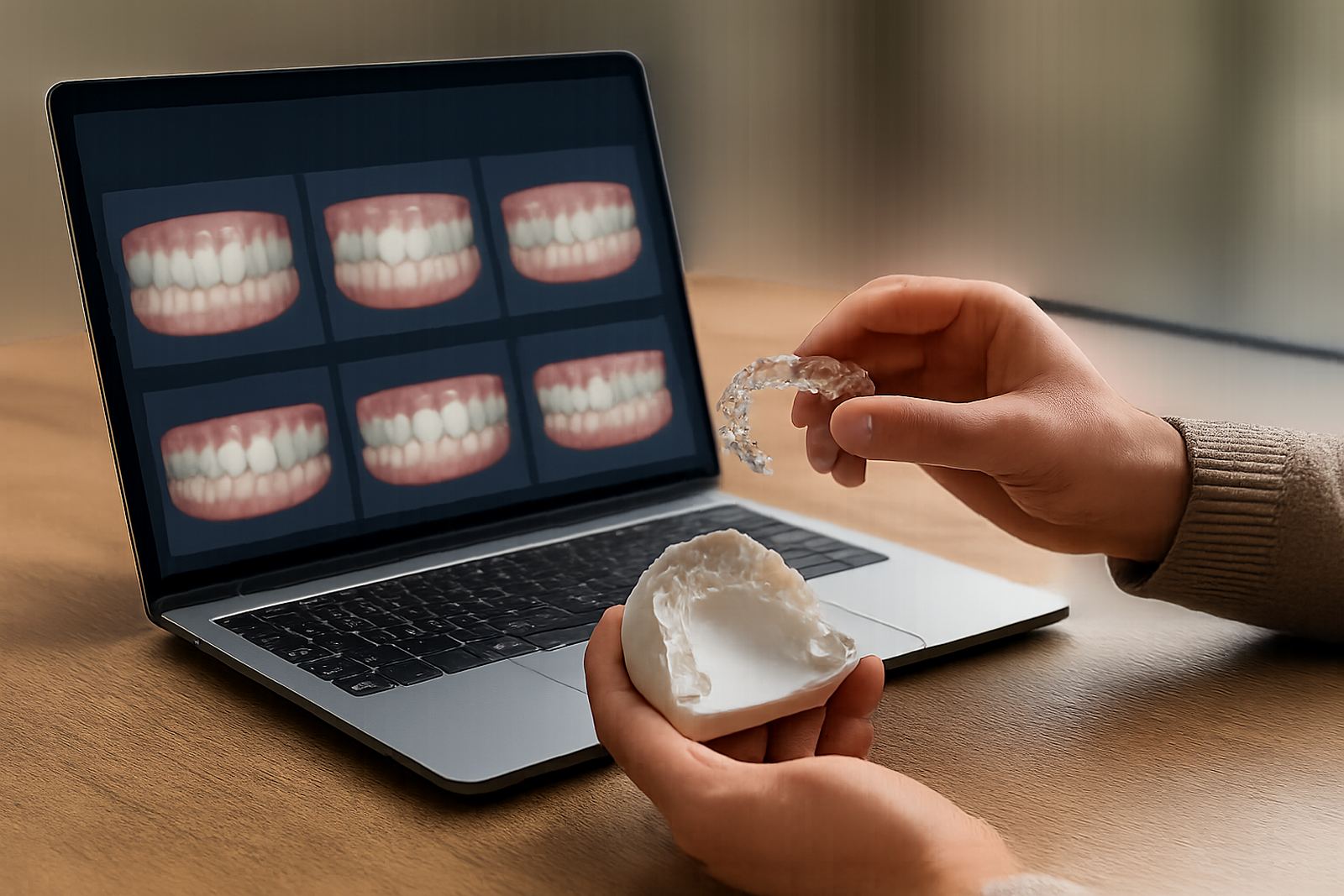
Clear aligners are thin, removable trays made to fit over your teeth and move them in planned stages. Each set is worn for a prescribed period, usually 1 to 2 weeks, before changing to the next set. The pressure is gentle but consistent, which helps guide teeth into better alignment without brackets or wires.
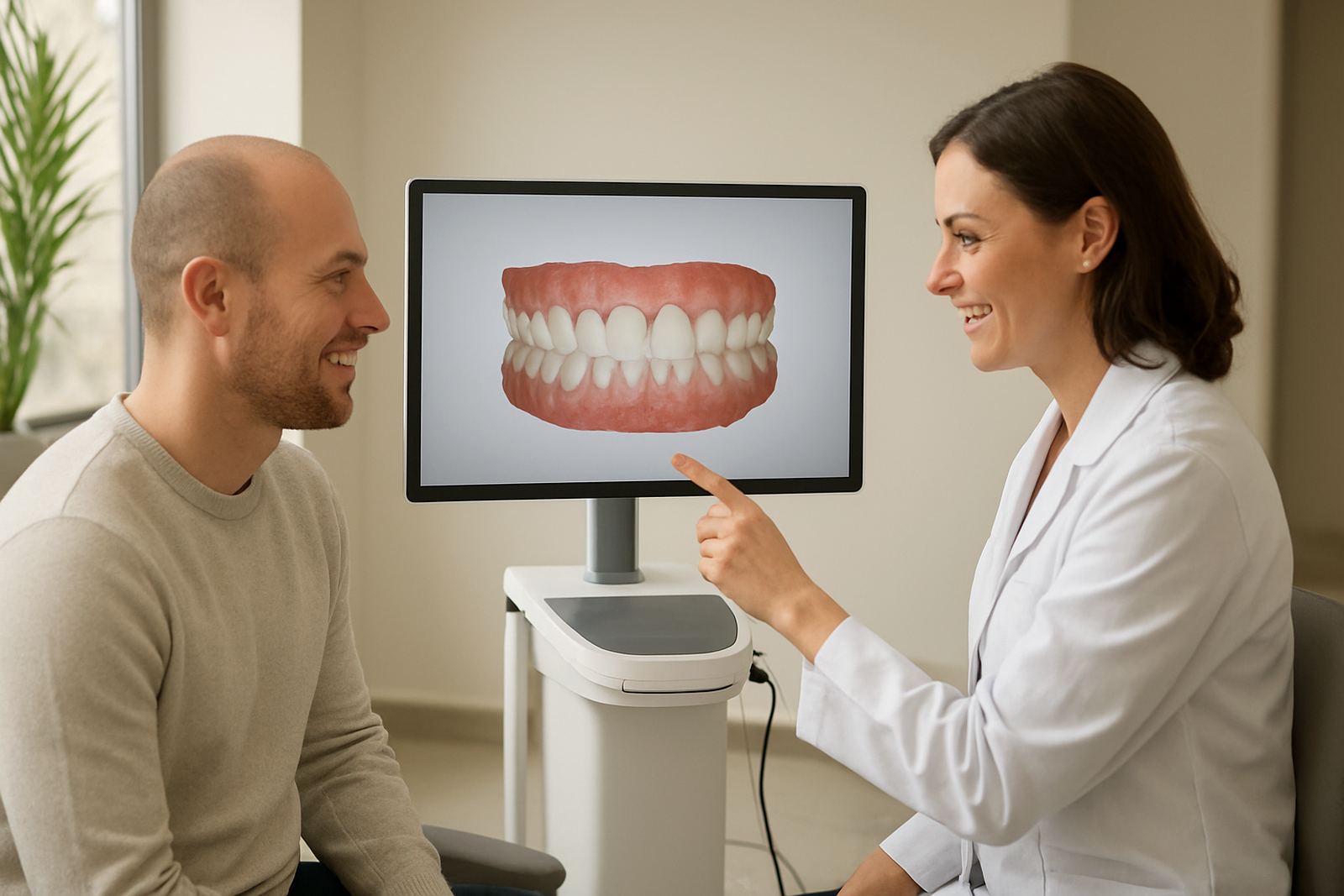
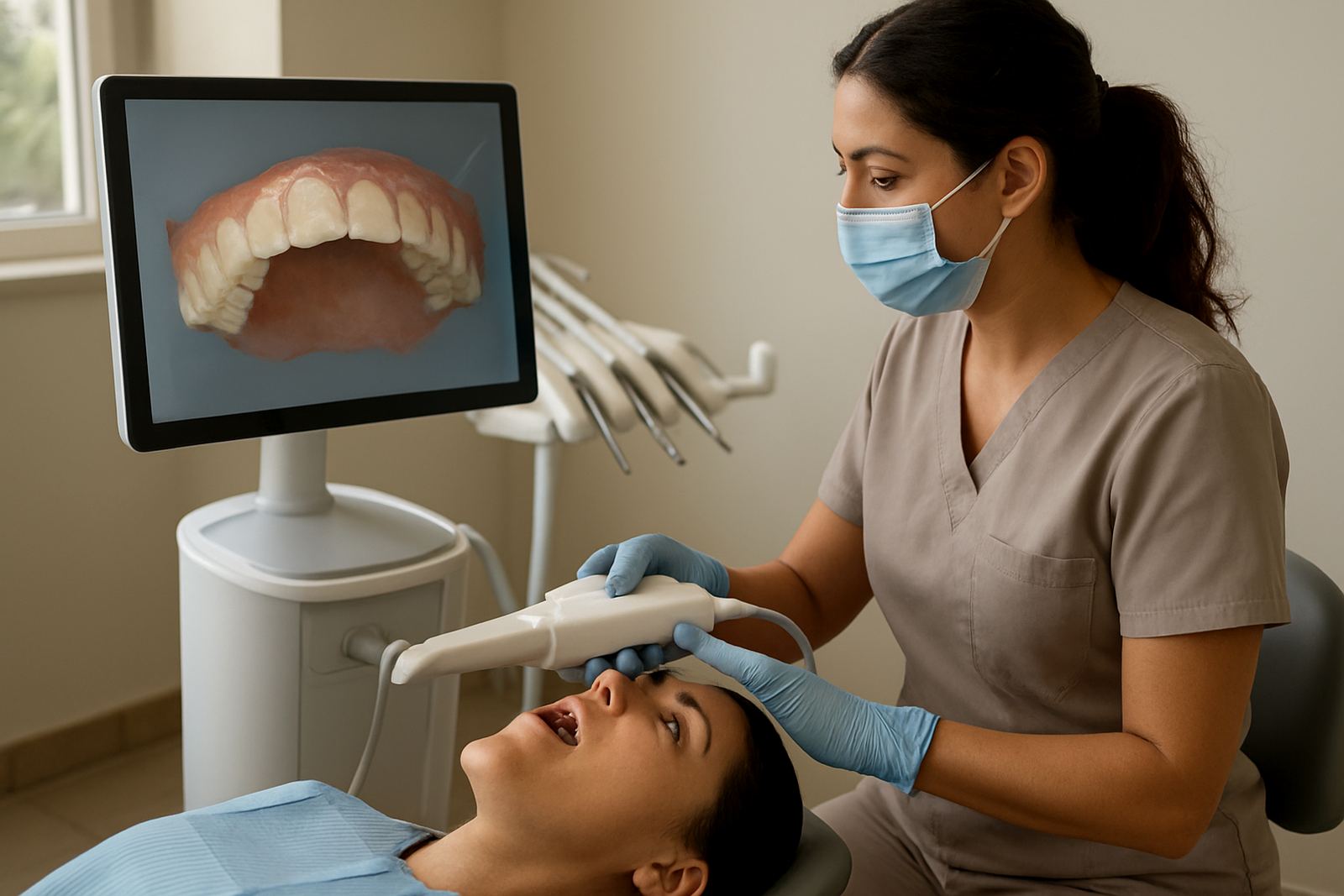
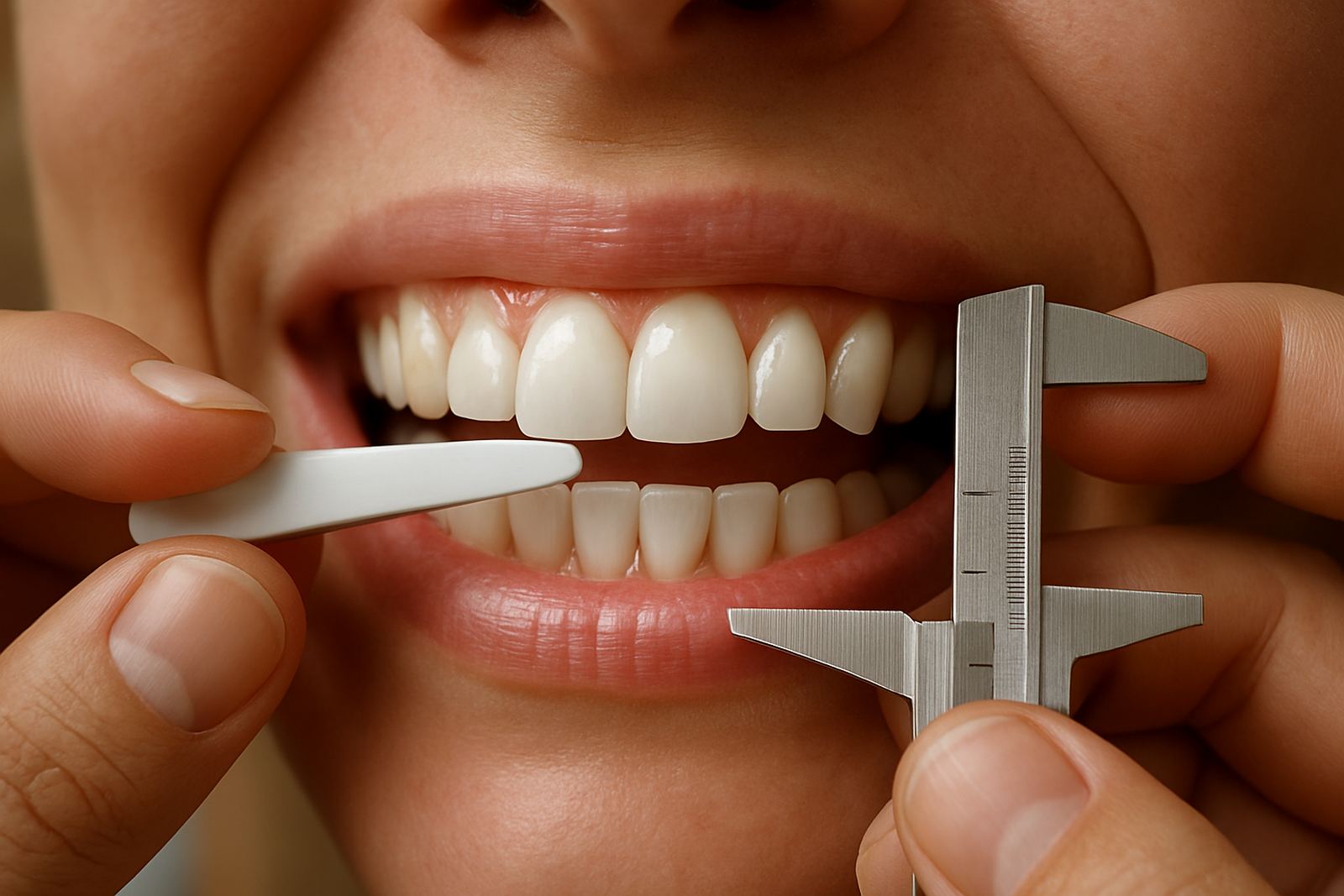
At our Sandton base, treatment planning starts with a full orthodontic assessment and digital imaging. We use scans and measurements to map the bite, check spacing and spot issues like crowding, rotation or overbite. The aim is not only straighter front teeth but a result that functions properly when you bite and chew.
This option suits adults and teens who can follow wear instructions closely. For best results the aligners should be worn 20 to 22 hours a day, and removed only for eating, drinking anything other than water, and cleaning. If you miss wear time, teeth can lag behind the plan and progress slows down.
Who Clear Aligners Suit Best in Johannesburg
Clear aligners are often a good choice for mild to moderate crowding, gaps between teeth, minor bite correction and relapse after previous orthodontic treatment. They are popular with patients who want something discreet for work, school or social events in Sandton, Bryanston, Rivonia, Morningside, Fourways and Rosebank.
They can also suit patients who travel often or have a busy day to day schedule, because the trays are removable and easy to carry. That said, they are not ideal for every case. Severe bite issues, major rotation or very complex movement may need a different orthodontic approach or extra planning.
- Good for mild to moderate crowding
- Useful for small gaps and spacing
- Often suitable for minor bite adjustment
- Better for patients who can wear trays consistently
- May need attachments or refinements in some cases
Sizes, Attachments and Treatment Options
Clear aligners are not bought in one standard size like a single item off the shelf. Each set is made from your scan and shaped for your mouth. The tray thickness, trimming line and tooth movement plan are all selected to suit your bite and the expected movement stage by stage.
Some cases use small tooth-coloured attachments that help the aligners grip and direct movement more accurately. Others may need small spaces created between teeth, or short elastics for bite correction. These are discussed during the orthodontic assessment so you know what is involved before treatment starts.
- Custom made trays based on digital scans
- Typical wear time: 20 to 22 hours daily
- Change interval: about every 7 to 14 days
- Attachments may be added for harder movements
- Refinement trays may be needed near the end
If you are comparing options, ask about the expected number of aligner sets, the likely treatment length and whether retainers are included after the main phase. Those details matter more than the tray itself because they affect the final result and the total cost.
What the Clinic Visit Involves
Your first step is a new patient consultation, where we check the teeth, gums and bite before any trays are planned. We may take digital scans, photographs and x-rays if needed. That information is used to prepare the sequence of movements and to check whether the teeth are healthy enough for orthodontic treatment.
There is no installation in the usual sense for the patient at home. The clinic prepares the aligners, fits them in the mouth and explains how to insert, remove and clean them. No gas supply is needed and the patient does not need power equipment. The only technology involved during visits is clinical scanning and monitoring.
Some patients need small enamel shaping or space creation before aligners start, and some need follow-up checks to make sure the bite is tracking as planned. Our team in Sandton also offers aftercare follow ups, payment guidance and emergency dentistry if a tray cracks or a tooth becomes sore.
Daily Care, Cleaning and Servicing
Clear aligners need simple but regular care. Rinse them in lukewarm water after removal, then brush them gently with a soft toothbrush. Avoid hot water because it can warp the plastic and change the fit. Keep the trays in their case when not in use so they are not lost, crushed or exposed to heat in a car.
Teeth should be brushed and flossed before the aligners go back in, because trapped food and sugar can increase the risk of staining and decay. If you drink coffee, tea or wine with the trays in, they can discolour faster. In Johannesburg's dry months, patients often forget to drink water, so keeping lips and gums hydrated also helps comfort.
- Clean trays daily with lukewarm water
- Brush teeth before trays go back in
- Store aligners in the case when removed
- Avoid hot water and harsh cleaning chemicals
- Bring every set to review appointments
If a tray feels too tight, cracks or goes missing, contact the practice quickly rather than trying to stretch or trim it at home. Small issues can affect tracking, and in some cases we need to advise on the next tray or a replacement. A minor slip now can save a bigger correction later.
What to Check Before You Order Aligners
Before starting, make sure the treatment plan has been based on a proper clinical examination, not only photographs or a quick scan. Ask how many trays are expected, whether attachments will be used, how often review visits are needed and what happens if the teeth do not move exactly as planned.
You should also check the aftercare arrangement. Good orthodontic care does not end when the last tray is worn. Retainers are usually needed to hold the result in place, especially after crowding or spacing has been corrected. If retainers are not used, teeth can drift back over time.
Ask about the total treatment time, emergency support, payment guidance and whether your case will be managed by a dentist with orthodontic training. At Techno-Dent Clinic, Dr Nandi Dlamini leads orthodontic assessments, with support from our digital imaging coordinator and the wider team. That means your treatment is followed carefully from the first scan to the final check.
Clear Aligner Treatment at Techno-Dent Clinic
Patients from Sandton and surrounding areas such as Bryanston, Rivonia, Morningside, Fourways and Rosebank come to us for discreet straightening that fits busy lives. We plan each case around your bite, your schedule and the level of movement needed, whether you are correcting a slight shift or a more noticeable alignment issue.
If you are considering clear aligners, book a consultation and we will talk you through the options in plain terms. You will get a proper assessment, a treatment plan and honest advice on whether aligners are the right fit for your teeth. For many patients, that first appointment answers most of the important questions.
Key facts
| Treatment type | Removable clear orthodontic aligners |
|---|---|
| Wear time | 20 to 22 hours per day |
| Change interval | About every 7 to 14 days |
| Case suitability | Mild to moderate crowding, gaps and minor bite correction |
| Power or gas needs | None for patient use |
| Follow-up support | Review visits, refinements and retainer planning |