What gap closure means in day-to-day dentistry
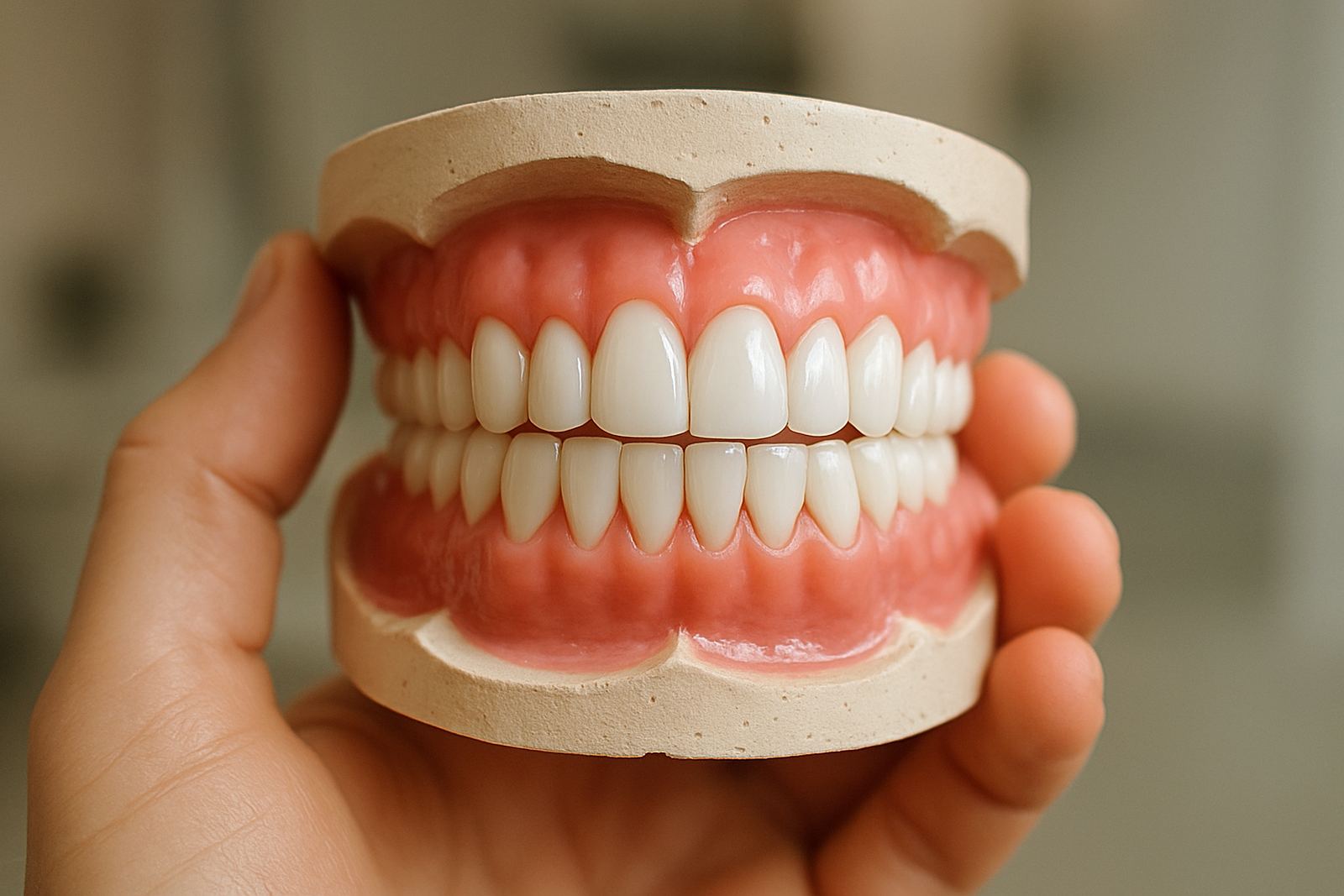
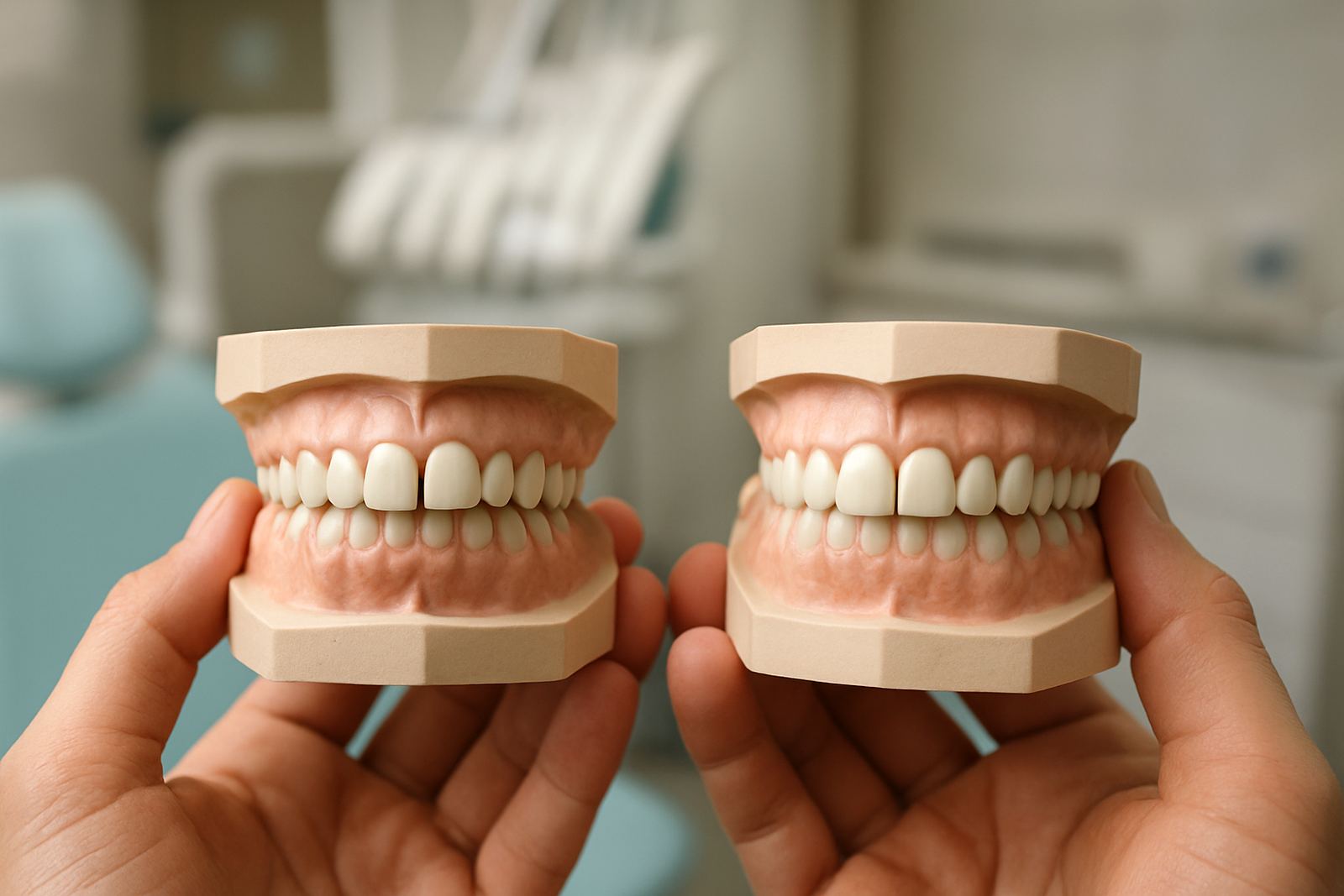
Gap closure is the process of reducing or closing spaces between teeth so the smile looks more even and the bite functions properly. Some gaps are small and mainly cosmetic, while others are caused by missing teeth, crowding, gum changes or bite patterns that need a full assessment before any treatment starts.
At our Sandton base, we look at the size of the space, the position of the front teeth, the health of the gums and whether there is wear, staining or uneven edges around the gap. A space between the front teeth may be closed in one visit with composite bonding, but a wider gap often needs veneers or orthodontic movement for a better long term result. We will also check if there is any need for whitening first so the final shade matches properly, because a patch-up that does not match stands out straight away.
- Small front tooth spaces: often suitable for bonding
- Moderate cosmetic gaps: may suit veneers or clear aligners
- Wider spaces or bite issues: often need orthodontic planning
Treatment options and where each one suits best
Composite bonding works well where the gap is narrow and the surrounding teeth are healthy. A tooth-coloured material is shaped directly onto the tooth to close the space and improve the outline. It is a practical option for adults who want a quicker result and do not need major tooth movement. Veneers are chosen when there is also a colour, shape or surface issue, since they can close gaps while improving the overall appearance of the front teeth.
Orthodontic treatment is the better choice when the gap is linked to spacing across several teeth, rotated teeth or a bite that is not sitting correctly. This may involve fixed braces or clear aligners depending on the case. For some patients, the best answer is a mix of treatment types, for example orthodontics first and then a small amount of bonding to refine the finish. Dr Sibusiso Mthembu and the clinical team explain the options clearly, so you know what is temporary and what is intended to last.
- Bonding: best for minor spaces and edge repairs
- Veneers: useful where shape and shade need correction too
- Orthodontics: best for larger spaces and bite correction
Practical specifications for planning your gap closure
Gap closure is not a one-size-fits-all service. The right plan depends on the millimetres between teeth, the thickness of enamel, the condition of the gums and the amount of space available for safe movement or build-up. During a consult, we measure the gap, check the bite from several angles and assess whether the teeth can be moved or restored without creating pressure points. For many patients from Sandton, Bryanston, Rivonia and Morningside, the main aim is to keep the result natural looking rather than over-filled.
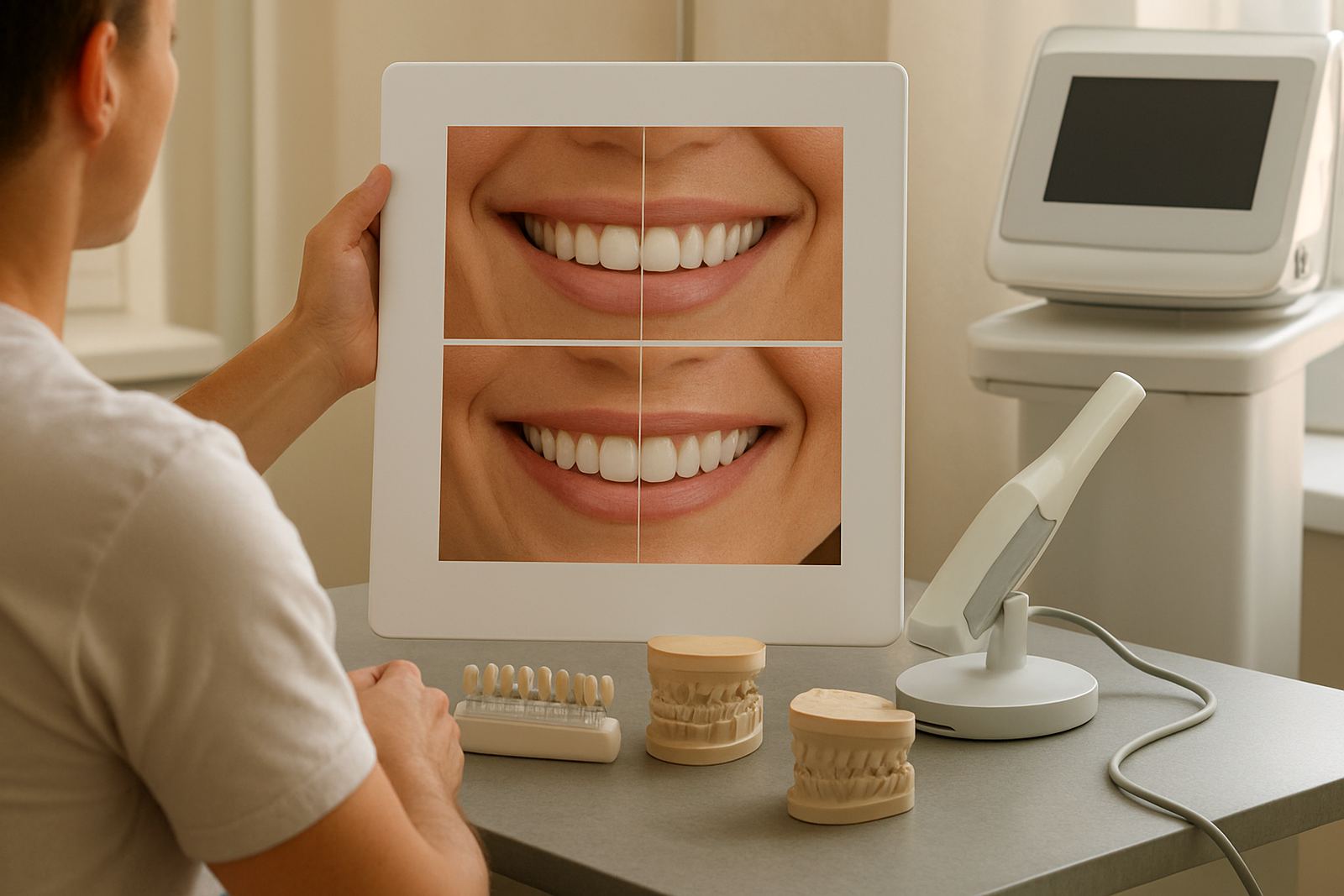
Digital imaging is often used to map the smile and show where the final edges may sit. This helps with planning veneer width, bonding volume and tooth movement targets. If a patient has grinding, missing back teeth or gum recession, those factors must be dealt with first or the gap may reopen. We also look at whether the patient is a good fit for treatment timing, especially if work travel, school exams or wedding dates are coming up, as that affects the sequence of visits.
- Typical bonding gap range: about 0.5 mm to 2.5 mm per space
- Typical veneer use: 1 mm to 4 mm cosmetic spacing where enamel and bite allow
- Orthodontic planning: often 3 to 18 months depending on crowding and spacing
What happens during installation and what is needed
There is no gas supply needed for gap closure treatment. Most procedures run on standard clinical equipment with mains power for lights, imaging and hand instruments, and we also have backup arrangements for load-shedding so appointments can continue where possible. A normal bonding visit usually starts with shade matching, cleaning and isolation of the teeth. The material is then placed, shaped and polished. Veneers need more preparation and at least one planning stage before fitment. Orthodontic cases begin with records, photographs and scans or impressions, followed by a fitting or aligner handover.
Some patients need local anaesthetic, while others are comfortable without it. Sedation options can be discussed for anxious patients or longer visits, but it depends on the treatment selected and the clinical assessment. We serve patients from Fourways, Rosebank and surrounding Sandton suburbs, so appointment timing is planned with traffic and travel time in mind. If you are coming from work in the city, allow a little extra time, because M1 and William Nicol can be slow at peak hours.
- Mains power used for imaging and clinical equipment
- No gas supply required for standard gap closure
- Sedation only where clinically appropriate
Aftercare, cleaning and follow-up servicing
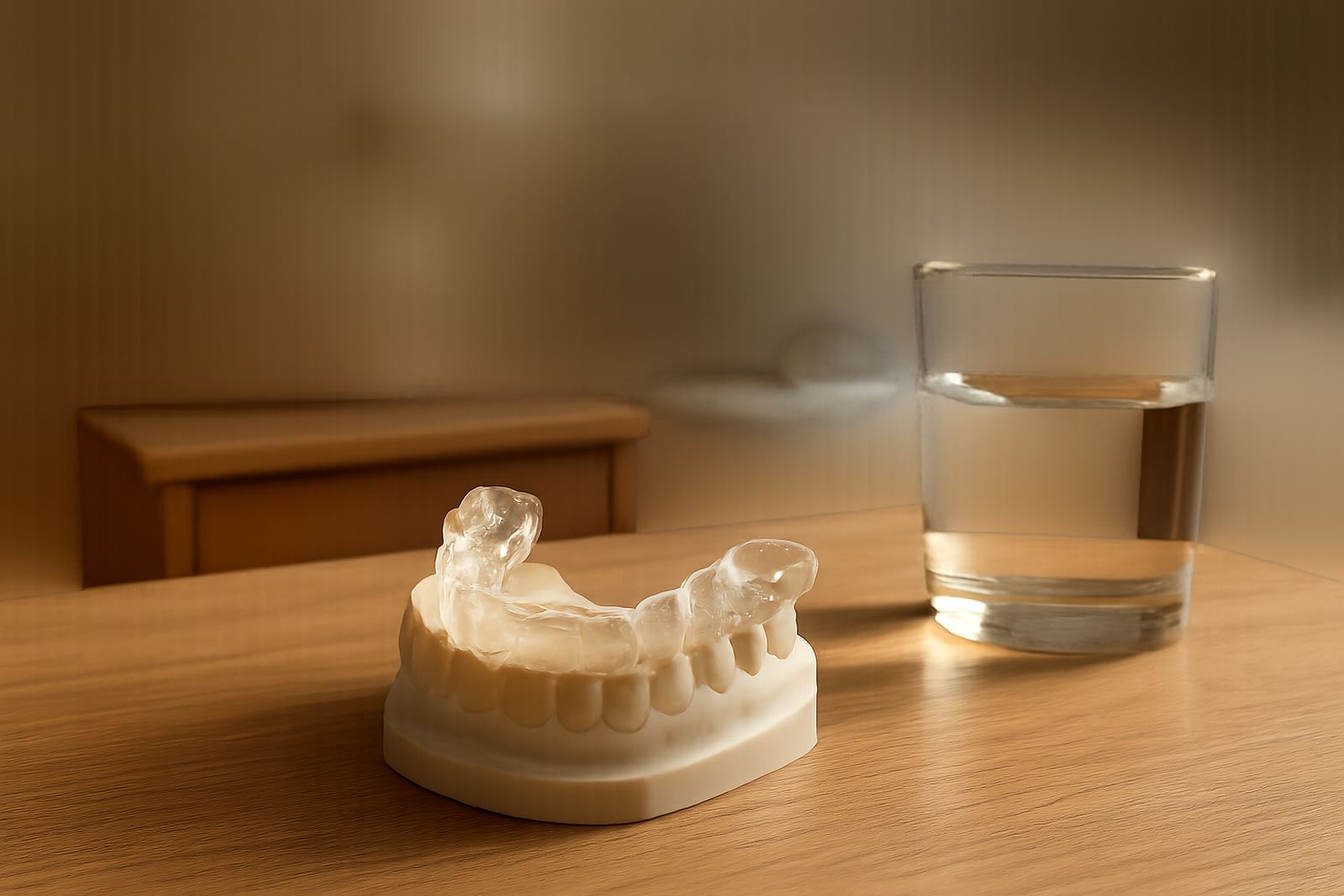
Good aftercare keeps the result tidy and reduces the chance of staining, chipping or movement. Bonded areas need careful brushing and flossing around the edges so plaque does not collect at the join. Veneers should be treated like natural teeth with regular cleaning, but hard foods and using teeth as tools should be avoided. Orthodontic gap closure needs the most follow-up, because movement must be monitored and retainers may be needed to hold the new position.
We usually schedule follow-up checks so we can confirm that the gums are calm and that the new spacing has held properly. If a bonded edge chips or a retainer is not fitting, it should be checked soon rather than left. Coastal humidity is not the main issue in Sandton, but dry winter air and coffee or tea stains can still affect the finish, so home care matters. We also advise patients to keep up with preventive visits, because gum health has a direct effect on whether the closed spaces stay stable.
- Brush twice daily with a soft brush
- Floss or use interdental cleaners every day
- Return for checks if there is chipping, loosening or bite discomfort
What to check before you place an order for treatment
Before starting gap closure, check exactly why the space is there and whether there is enough room for the chosen method. Ask if the teeth next to the gap are healthy, whether the bite will still close properly, and whether whitening or gum treatment should come first. It is also worth asking how long the result is expected to last, what maintenance is needed, and whether there are payment options to suit your budget. For some patients the gap is only one part of the picture, so cosmetic consulting may lead into implant planning or orthodontic assessments where needed.
At Techno-Dent Clinic, Dr Sibusiso Mthembu, Dr Ayesha Khan, Dr Pieter van der Merwe and Dr Nandi Dlamini work with the practice manager, Lerato Moloi, and the digital imaging coordinator, Thabo Nkosi, to make sure the plan matches the clinical need. If you are a patient from Sandton, Bryanston, Rivonia, Morningside, Fourways or Rosebank, we can talk you through the choices in plain language and help you decide what makes sense for your smile and timeline. A tidy gap closure should look natural, feel comfortable and hold up to everyday chewing, not just look good for a photo.
- Confirm the cause of the gap before treatment starts
- Ask whether whitening or gum care is needed first
- Check maintenance needs, expected lifespan and payment guidance
Key facts
| Treatment types | Composite bonding, veneers, orthodontic alignment |
|---|---|
| Typical gap size handled | About 0.5 mm to 4 mm depending on method |
| Visit format | Consult, scan or records, treatment, follow-up |
| Power or gas needs | Standard mains power only, no gas supply required |
| Aftercare | Daily cleaning, retainer use where prescribed, review visits |
| Service area | Sandton, Bryanston, Rivonia, Morningside, Fourways, Rosebank |