What Gum Contouring Does for a Smile
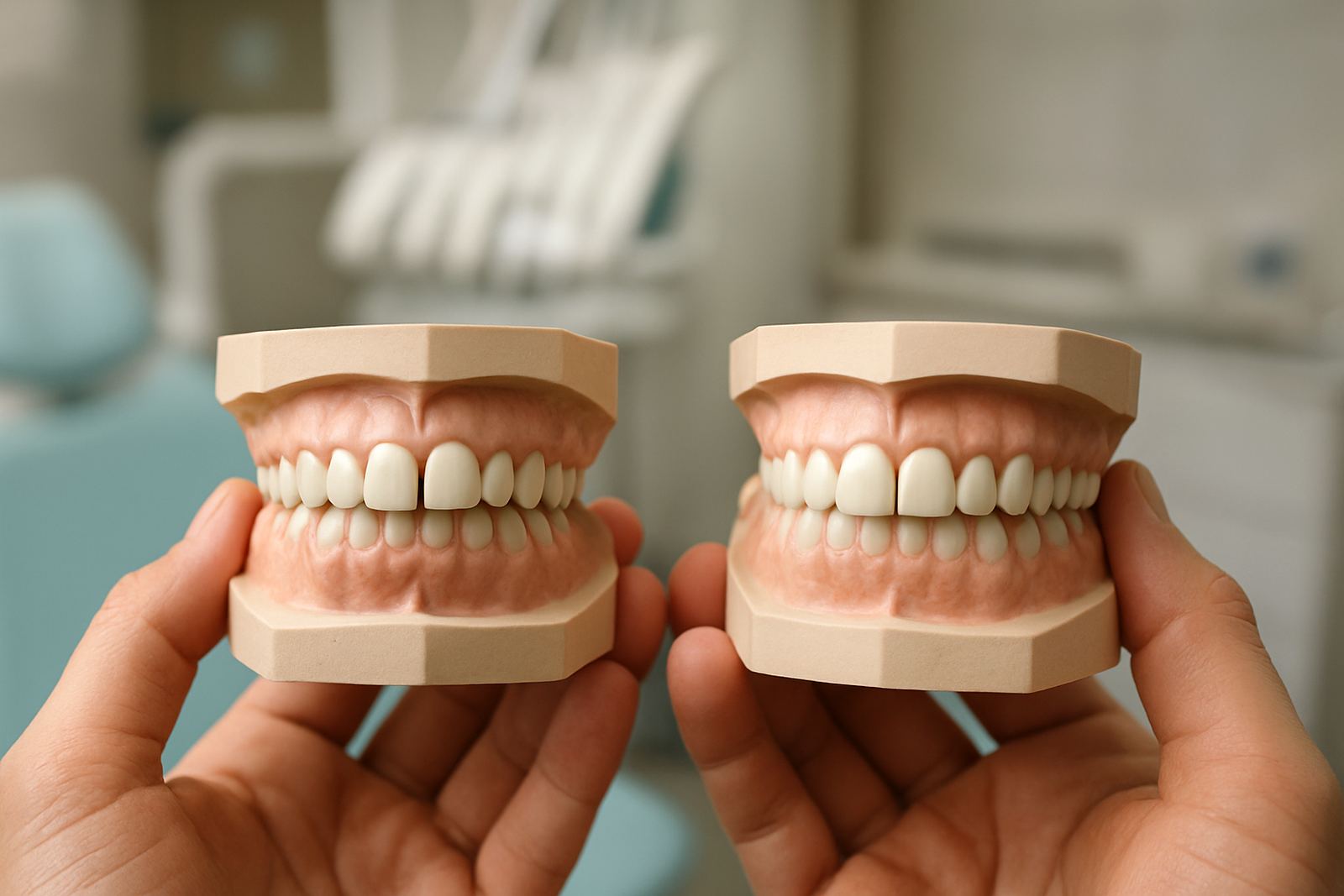
Gum contouring is a dental procedure used to remove small amounts of gum tissue or reshape the gum line so the teeth appear more even. It is often used when one side of the smile sits higher than the other, when teeth look too short because of excess gum cover, or when the front teeth need better symmetry after orthodontic or cosmetic treatment.
In practical terms, the aim is not to create an artificial look. It is to bring the gum line into better proportion with the teeth and the rest of the face. For patients in Sandton, Bryanston, Rivonia, Morningside, Fourways and Rosebank, this treatment is usually part of a wider cosmetic plan, but it can also stand on its own when the main issue is uneven gums.
- Improves symmetry across the upper smile line
- Can make short-looking teeth appear longer
- May be done on one tooth, several teeth, or a full front section
- Often combined with whitening, bonding, veneers, or orthodontic care
When Gum Contouring Suits a Patient
This treatment suits adults who have a healthy gum foundation but want a cleaner, more balanced look. It can help if the gums cover too much of the tooth surface, if the smile line dips on one side, or if there is a minor mismatch between the gum margins around the front teeth. In some cases, the gums may need to be reshaped before final cosmetic work, so that crowns or veneers sit at the correct height.
At consultation, Dr Ayesha Khan and Dr Sibusiso Mthembu assess whether the issue is mainly gum level, tooth position, or a mix of both. That matters, because contouring is not the right answer for every uneven smile. If there is active gum disease, inflammation, or a bite problem, those issues need to be managed first. A proper exam saves time and avoids redoing the work later.
- Good for uneven gum display on the upper front teeth
- Useful before smile design, veneers, or crowns
- May help after orthodontic alignment if gums still look uneven
- Not suitable when gum health is unstable
Treatment Options and Clinical Specs
We offer gum contouring as a controlled soft tissue procedure, planned to match each patient's smile goals and gum thickness. Depending on the case, the gum line may be reshaped with fine instruments, with a tissue-removal approach, or with a combination of both. The area treated can be as small as one tooth or as broad as the front six to eight teeth. Most visits are done under local anaesthetic, and sedation options can be discussed for patients who feel anxious.
Typical sessions are measured in minutes rather than hours for small areas, though full front-smile cases can take longer. Recovery is usually straightforward, but care around brushing and hot food matters in the first few days. In some cases there is a small bit of swelling or sensitivity, which settles as the gum tissue heals.
- Treatment area: 1 to 8 front teeth, depending on the smile plan
- Anaesthetic: local anaesthetic, with sedation options where suitable
- Appointment time: about 30 to 90 minutes for most cases
- Healing: usually around 1 to 2 weeks for surface healing
How the Procedure Is Planned and Carried Out
The process starts with photographs, gum measurements, and a review of how much tooth should show when you smile. Digital imaging helps us map the new gum line before any treatment begins. That planning step is important because the gum line should suit the tooth shape, the lip line, and the rest of the face. Without this stage, a small change can still look off.
On the day, the area is numbed, the gums are reshaped, and the site is checked for evenness before you leave. Patients can usually go home shortly after treatment and return to normal daily routines with a few limits. If the case forms part of a larger sequence, such as implant planning or orthodontic assessments, Lerato Moloi and the clinical team will help schedule follow-ups so each step lines up properly.
- Consultation with smile assessment and measurements
- Digital planning where needed for front-smile accuracy
- Local anaesthetic before reshaping begins
- Review of aftercare and follow-up timing before you leave
Care, Healing, and Follow-Up in Sandton
After gum contouring, the gums should be kept clean but not scrubbed hard. Soft brushing, gentle rinsing if prescribed, and careful food choices all help the tissue settle. For the first few days, it is best to avoid spicy food, very hot drinks, and hard or crunchy bites on the treated side. Smoking can slow healing and should be avoided where possible. The same applies to heavy exercise on the first day if there is ongoing bleeding or discomfort.
Our aftercare follow-ups are there to check that the gums are healing evenly and that the new line is stable. Patients from Sandton, Fourways and Morningside often combine this check with other appointments, especially if they are moving toward further cosmetic work. If sensitivity lasts longer than expected, or if the area looks more swollen than it should, the practice team will advise on the next step.
- Use a soft toothbrush and gentle pressure
- Avoid hard, spicy or very hot foods at first
- Do not pick at healing gum margins
- Attend the follow-up if the case is part of a full smile plan
What to Check Before Booking Your Treatment
Before booking, it helps to know whether you want a small cosmetic adjustment or a broader smile redesign. Bring any previous dental records if you have them, especially if you have had orthodontic treatment, gum therapy, crowns, or implants. We also check whether your gums are healthy enough for contouring, because inflamed tissue can change how the result looks once healing starts. That detail gets missed more often than it should.
Ask about payment guidance, expected healing time, and whether any other treatment should happen first. If you are comparing options, check whether the plan includes photographs, aftercare, and review appointments or if those are separate. Dr Nandi Dlamini, Dr Pieter van der Merwe, Dr Ayesha Khan, and Thabo Nkosi all work within the practice to make sure the treatment sequence makes sense from both a clinical and practical point of view.
- Confirm the area to be treated and how much gum will be reshaped
- Check whether gum health needs treatment first
- Ask if sedation is suitable for your level of anxiety
- Request a clear aftercare plan before you book
Key facts
| Treatment type | Soft tissue cosmetic dental procedure |
|---|---|
| Common area treated | Upper front teeth, one tooth to full smile line |
| Anaesthetic | Local anaesthetic, sedation options available |
| Session length | About 30 to 90 minutes |
| Power or gas needs | No gas supply needed; clinical chair, suction, water and lighting only |
| Healing time | Surface healing usually about 1 to 2 weeks |