What a single tooth crown does
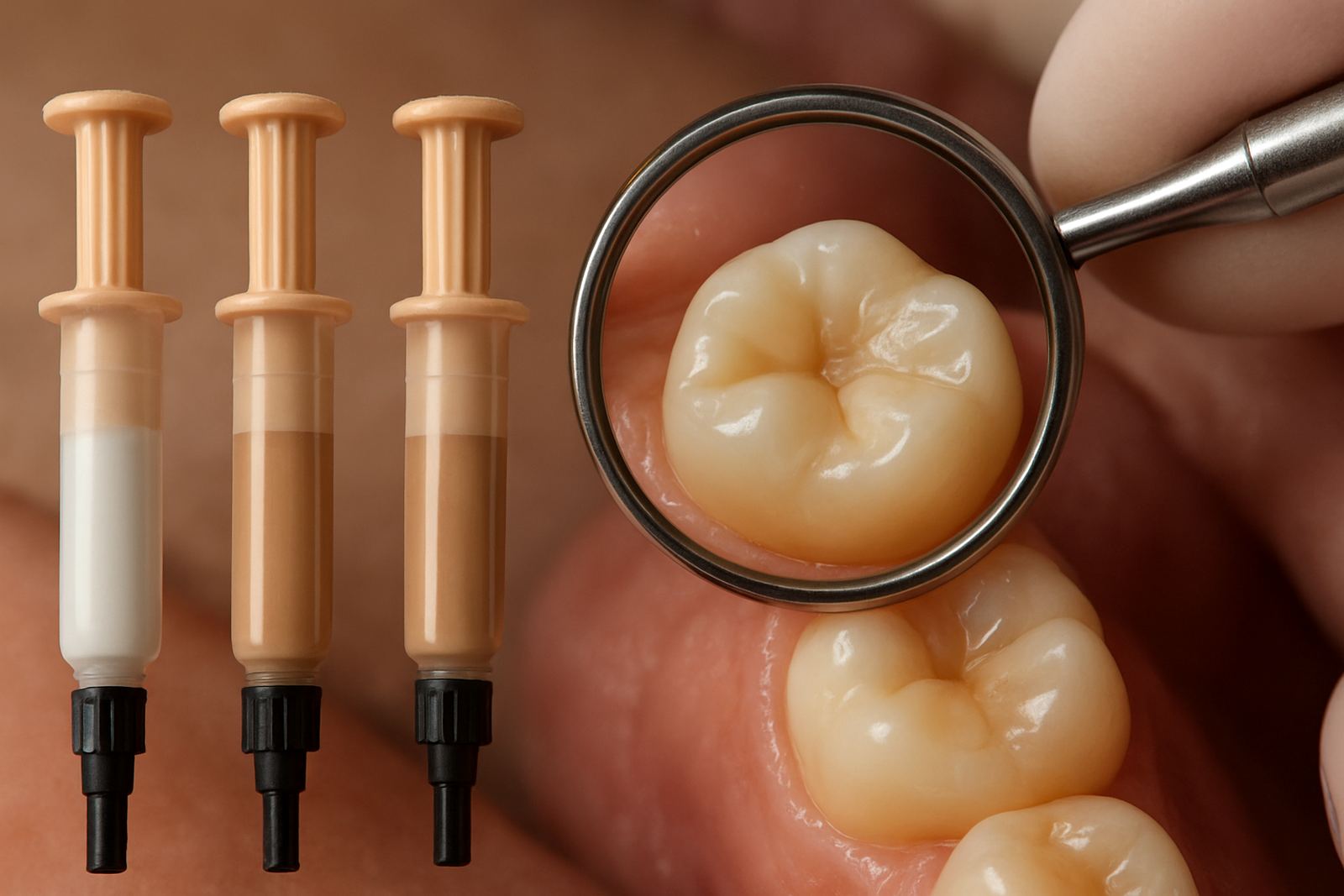
A single tooth crown is a custom-made cover that fits over one damaged or heavily filled tooth. It is used when the tooth still has enough structure to save, but needs extra strength after decay, a crack, root canal treatment or wear. The crown helps hold the tooth together and supports normal biting without putting more stress on the weak areas.
For many patients in Sandton, Bryanston, Rivonia and Morningside, a crown is the practical middle ground between a small filling and a full replacement. It can restore the tooth shape, close uneven edges and improve chewing on that side. If the front tooth is affected, matching the shade and contour carefully matters just as much as strength, so the finished crown does not stand out.
Materials, sizes and finish choices
Single tooth crowns are made in different materials depending on where the tooth sits, how much bite force it takes and how visible it is when you smile. Back teeth usually need stronger material, while front teeth often need a finer colour match. Your dentist will check the remaining tooth, the bite and the gum line before recommending the best option.
- Tooth-coloured ceramic: common for front teeth and visible premolars, with a natural finish
- Strength-focused ceramic or layered ceramic: suited to teeth that need extra wear resistance
- Metal-free options: useful for patients who want a natural look with no visible metal edge
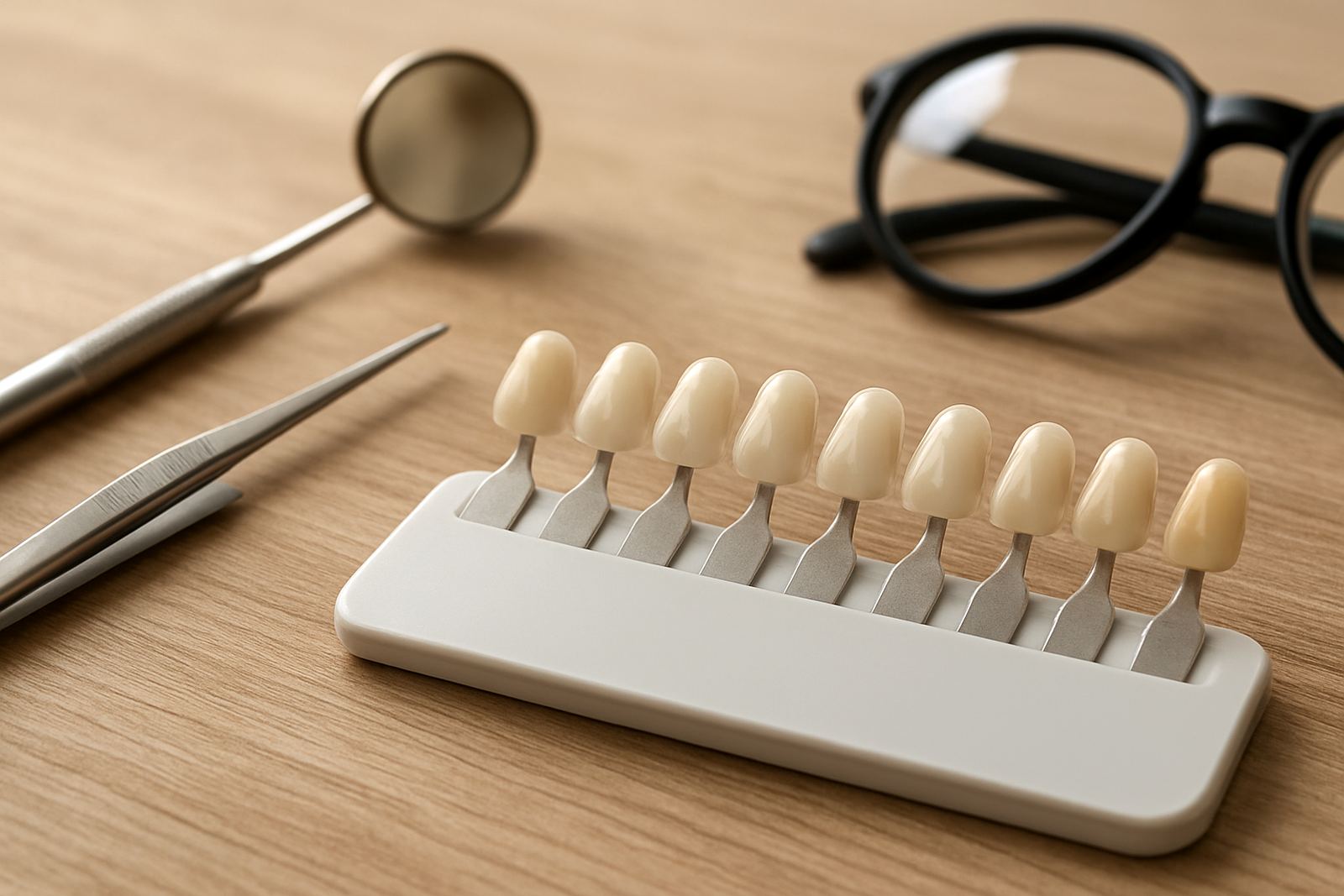
- Custom shade matching: matched to the surrounding teeth, with small adjustments for translucency
- Single-unit sizing: made to fit one tooth only, with careful contact points on both sides
The crown is shaped to suit the tooth length, bite height and gum position. In some cases a small build-up is done first if there is not enough tooth structure left for a secure fit.
Where a crown suits best
A single tooth crown suits teeth that are still saveable but have lost too much structure for a long-lasting filling. It is often recommended after a root canal, when a tooth has a large crack, or when an old restoration has broken down. Patients who grind their teeth may also need a crown with a stronger design and a check on their bite pattern.
This treatment is useful for people who want to keep their own tooth rather than move straight to an extraction and replacement. It can also help if you have a tooth that chips repeatedly at the same point, or a back tooth with deep decay near the chewing surface. In cosmetic cases, a crown may be used where a tooth is badly discoloured or misshapen and other options will not give enough coverage.
- Damaged or cracked teeth
- Teeth after root canal treatment
- Heavily filled teeth with weak walls
- Teeth with worn or uneven biting edges
- Selected cosmetic cases where full coverage is needed
How the crown is fitted in practice
The process usually starts with a New Patient Consult or a treatment review, then a detailed examination and imaging if needed. We assess the tooth, surrounding gums and the bite before preparing the tooth for the crown. If a root canal or build-up is needed first, that is planned before the final crown steps begin.
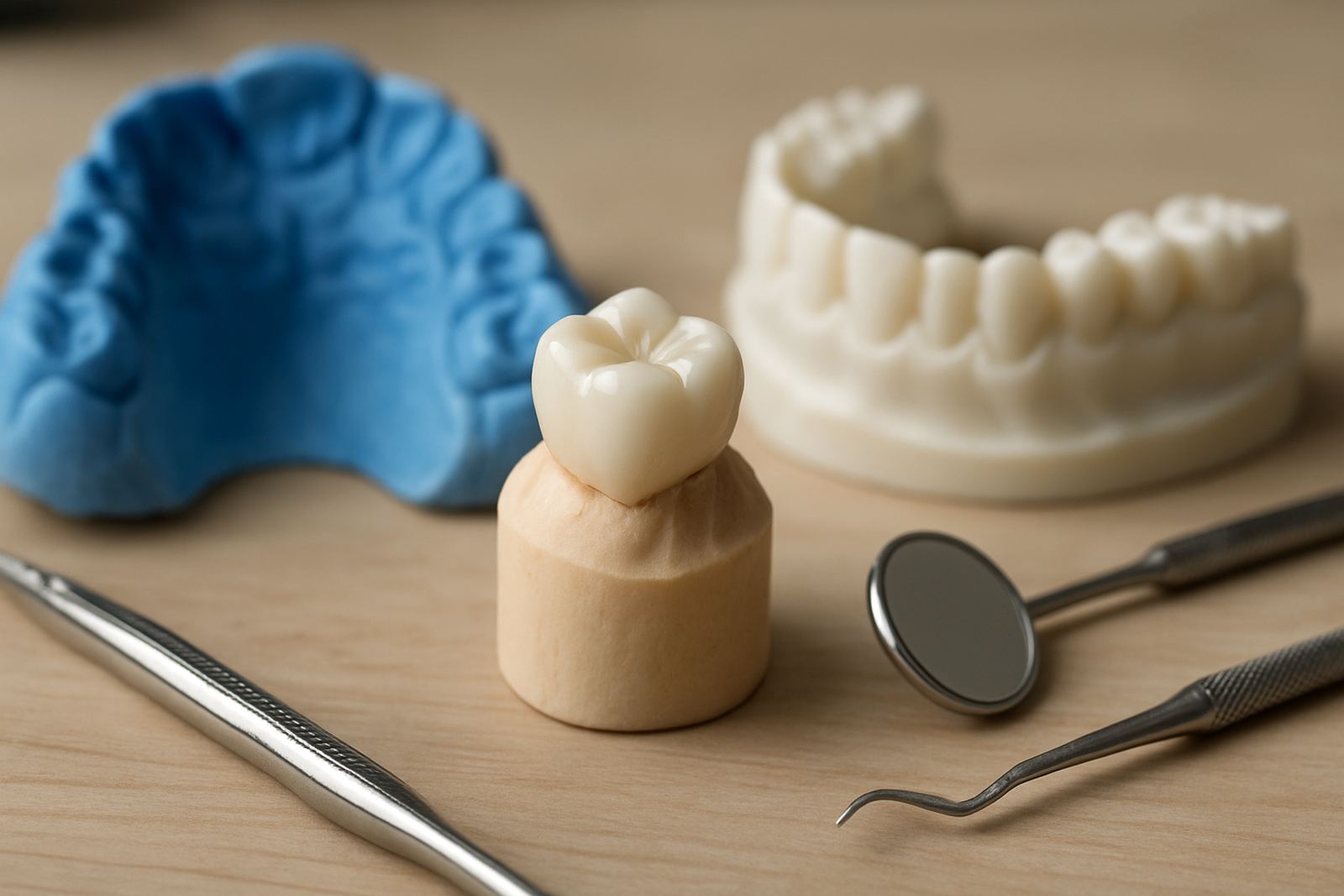
To fit the crown, the tooth is shaped so the new cover can sit securely. A scan or impression is then taken and a temporary crown may be placed while the final unit is made. Once the crown is ready, it is checked for fit, bite and contact with the neighbouring teeth before being cemented in place. No gas is needed for the crown itself, and power is only used for normal dental equipment in the surgery. If you need sedation, it is discussed beforehand and arranged where suitable.
- Tooth assessment and treatment plan
- Preparation of the tooth surface
- Digital scan or impression
- Temporary crown if required
- Final fitting, bite check and cementation
Most visits are done as outpatient care, so you can go home the same day. We also give aftercare follow-up if the bite needs a small adjustment later on.
Care, follow-up and long-term use
A crown still needs daily care even though it cannot decay in the same way as a natural tooth. The tooth underneath and the gum around it must stay clean, otherwise problems can develop at the edge where the crown meets the tooth. Good brushing, flossing and regular checks matter just as much as the crown material.
For patients in Johannesburg, dry winter air and summer humidity do not usually affect the crown itself, but grinding, acidic drinks and poor cleaning can shorten its life. If you clench at night, a protective splint may be discussed. Any new sensitivity, looseness or biting pain should be checked early instead of waiting for the crown to fail.
- Brush twice daily with a soft brush
- Clean carefully at the gumline and between teeth
- Avoid cracking hard ice or bones on the crowned tooth
- Keep follow-up appointments and bite checks
- Ask about a night guard if you grind your teeth
What to check before you order treatment
Before starting a single tooth crown, it helps to know whether the tooth still has enough structure to hold one safely. We also check whether the tooth needs a build-up, a root canal review or gum treatment first. The final result depends on the preparation, the bite and how closely the shade is matched to the other teeth.
When you contact Techno-Dent Clinic, have a clear idea of where the tooth is, what has happened to it, and whether you are having pain, chewing trouble or sensitivity. Patients from Fourways, Rosebank and nearby areas often ask about payment guidance as well, so it is useful to ask early if you want a staged treatment plan. If the tooth is already loose or badly broken, quick action can make the difference between saving it and needing a larger treatment later.
- Which tooth needs the crown
- Whether the tooth has had root canal treatment
- How much healthy tooth structure remains
- Whether you grind your teeth at night
- Any special shade or cosmetic concern
- Whether follow-up care will be needed after fitting
Key facts
| Treatment type | Custom-made single tooth crown |
|---|---|
| Main use | Protecting and rebuilding one damaged tooth |
| Common materials | Tooth-coloured ceramic, layered ceramic, metal-free options |
| Fit method | Prepared tooth, scan or impression, temporary crown, final cementation |
| Power / gas needs | No gas required; standard dental equipment only |
| Typical follow-up | Bite check, shade review and routine hygiene visits |