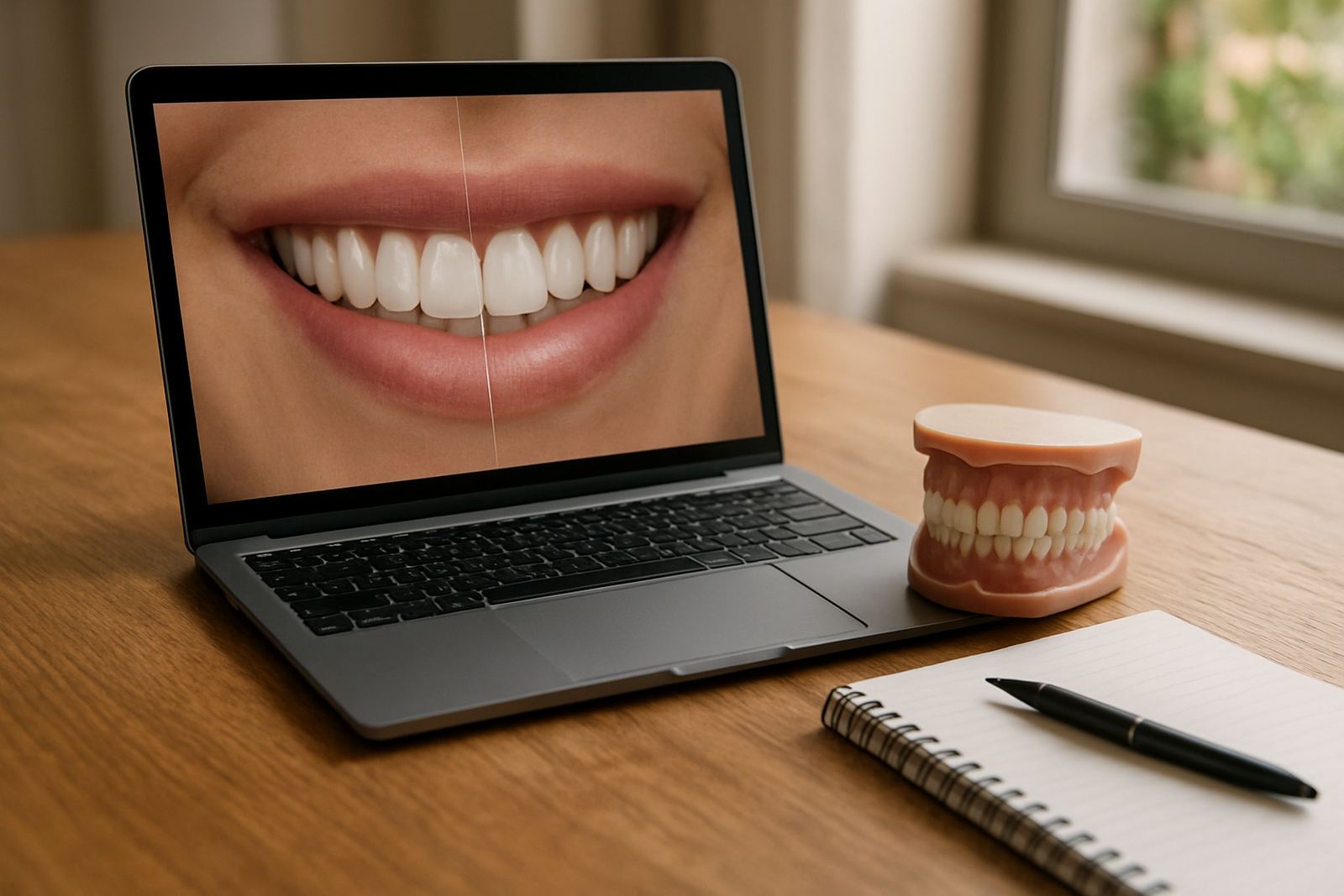
Smile Design Starts With More Than Just White Teeth
Many patients think smile design means making teeth look whiter or straighter. In practice it is much more than that. A proper smile design looks at your teeth, gums, lip line, bite and even the way you speak and smile in normal conversation. The aim is not to copy someone else’s smile, but to plan one that fits you.
For patients in Sandton, Bryanston, Rivonia and the surrounding areas, this matters because a quick fix can look good for a few months and then create trouble later. A chipped edge, uneven bite or gum line that is not balanced can affect comfort, chewing and long term maintenance. Smile design helps the dentist see the bigger picture before any work starts.
How Digital Smile Design Works in Practice
Digital smile design uses photographs, scans and clinical measurements to plan treatment more accurately. Instead of guessing how teeth might look after treatment, the team can study the current state of the mouth and then test different options on screen. This is useful for cosmetic dentistry, implants and orthodontic planning because each treatment changes the smile in a different way.
At Techno-Dent Clinic, Dr Sibusiso Mthembu and the team use this planning step to guide decisions before treatment begins. Dr Ayesha Khan may review the cosmetic side, Dr Pieter van der Merwe may look at implant spacing and support, while Dr Nandi Dlamini may assess alignment and bite movement. That kind of planning keeps everyone working from the same picture.
- Photographs and digital records help show the starting point.
- Scans and measurements make planning more precise than guesswork.
- The patient can understand the proposed change before treatment starts.
- Different treatment options can be compared side by side.
Why Planning Matters Before Cosmetic Work
Cosmetic dentistry is not only about appearance. If the front teeth are lengthened too much, the bite may feel awkward. If spacing is closed without checking how the back teeth meet, there may be pressure or wear later. Smile design helps reduce these risks by making the plan first and the treatment second.
This is especially important for patients who have more than one issue at the same time. A person may need whitening, gum contouring and orthodontic movement, or perhaps an implant and later cosmetic shaping. Without a clear plan, these steps can be done in the wrong order. Digital smile design helps the dentist decide what should happen first, what can wait, and what outcome is realistic.
For example, a Rosebank patient who wants a fuller smile may actually need minor alignment before veneers are considered. Another patient from Fourways may need implant planning after a tooth has been lost, so the neighbouring teeth are not forced out of position. Planning saves time and avoids rework.
A Local Example From Sandton Patients
Take a working professional in Sandton who is unhappy with worn front teeth and a small gap that shows when they smile. They do not want a dramatic change, just a cleaner and more balanced look that still feels natural at meetings and social events. With smile design, the team can take records, map the changes and talk through options such as whitening, bonding or orthodontic alignment before any treatment starts.
That patient may also be travelling, in meetings or managing family life, so treatment needs to be planned around actual schedules. A clear smile plan helps the practice guide appointment timing, aftercare and payment guidance in a practical way. It also makes it easier to explain what can be done in stages if the full treatment cannot happen all at once.
In a city like Johannesburg, where patients often come from Morningside, Bryanston or Rivonia between work commitments, this kind of planning is not a luxury. It makes treatment easier to understand and easier to finish.
What Patients Should Ask Before Treatment Begins
If you are considering smile design, ask questions before agreeing to treatment. A good plan should be clear, realistic and based on your actual mouth, not a general promise. You should understand what is being changed, why it is being changed and how long it may take.
- What is the main goal of the treatment: function, appearance, or both?
- Will I need scans, photos or impressions before we decide?
- Are there different treatment options at different costs?
- How will the plan affect my bite and long term care?
- What happens if I need treatment in stages?
If the explanation is rushed or vague, ask again. A proper smile plan should make sense to you before any drill, aligner or implant work begins. That is especially important for patients with sensitivity, missing teeth, crowded teeth or old dental work that may need updating.
Smile Design Is About Comfort, Not Just Appearance
The best smile design should look good, feel comfortable and last well with normal use. It should support chewing, speaking and daily cleaning. That is why the process often includes preventive care, emergency dentistry if something needs to be stabilised first, and aftercare follow ups once treatment is underway.
Patients in Sandton often ask whether digital planning is only for major cosmetic cases. It is not. It can help with family dentistry, orthodontic assessments, implant planning and even straightforward cosmetic consulting. The point is to reduce uncertainty and make treatment choices easier to understand.
At Techno-Dent Clinic, the goal is practical care with personal attention. If you want to understand what smile design could do for your teeth, it helps to start with a proper consult and a clear plan. Once the plan is sound, the treatment usually becomes much easier to manage.