
Why pregnancy can make gums react differently
Hormonal changes during pregnancy can make the gums more sensitive to plaque, the sticky film that builds on teeth through the day. When that plaque sits along the gumline, the gums may swell, bleed more easily or feel tender when brushing. Some women also notice a stronger taste in the mouth or a bit of bad breath, especially if nausea has made brushing harder in the first few months.
This does not mean pregnancy is damaging your teeth, but it does mean your mouth may need a little more attention than usual. A woman who never had gum trouble before may suddenly notice bleeding after flossing, and that can be unsettling. The good news is that early care usually keeps things under control.
What pregnancy gingivitis looks like in real life
Pregnancy gingivitis is common and often shows up as red, puffy gums that bleed when you brush or floss. Some women feel a dull soreness when eating firmer foods. It can start as early as the first trimester and may get more noticeable later on, especially if morning sickness or tiredness makes routine care less consistent.
A simple example from Sandton: a patient working in Bryanston may rush out early, skip breakfast because of nausea, and then brush quickly before leaving for the office. By the end of the week her gums may be swollen and bleeding. The cause is usually a mix of hormones and plaque, not anything dramatic, but it is worth checking before it becomes a deeper gum problem.
- Bleeding when brushing or flossing
- Red or shiny gums
- Tender spots near the back teeth
- Bad breath that keeps coming back
- Small lumps of gum tissue that may appear during pregnancy
Daily habits that protect gums during pregnancy
Good home care is still the first line of defence. Brush twice a day with a soft toothbrush and fluoride toothpaste, and take your time along the gumline. If your gums are sore, use small gentle circles rather than hard scrubbing. Flossing once a day helps remove plaque between the teeth, where a brush cant reach.
If nausea is a problem, try brushing at a different time of day or use a milder tasting toothpaste. After vomiting, rinse with water first and wait a little before brushing, because acid can temporarily soften the enamel. Many women find that a quick rinse after meals helps when they are between meetings, school runs or traffic on the way through Sandton.
- Brush for two minutes, morning and night
- Use a soft brush and replace it regularly
- Clean between teeth daily
- Rinse after vomiting, then brush later
- Choose water as the main drink between meals
When a dental visit during pregnancy makes sense
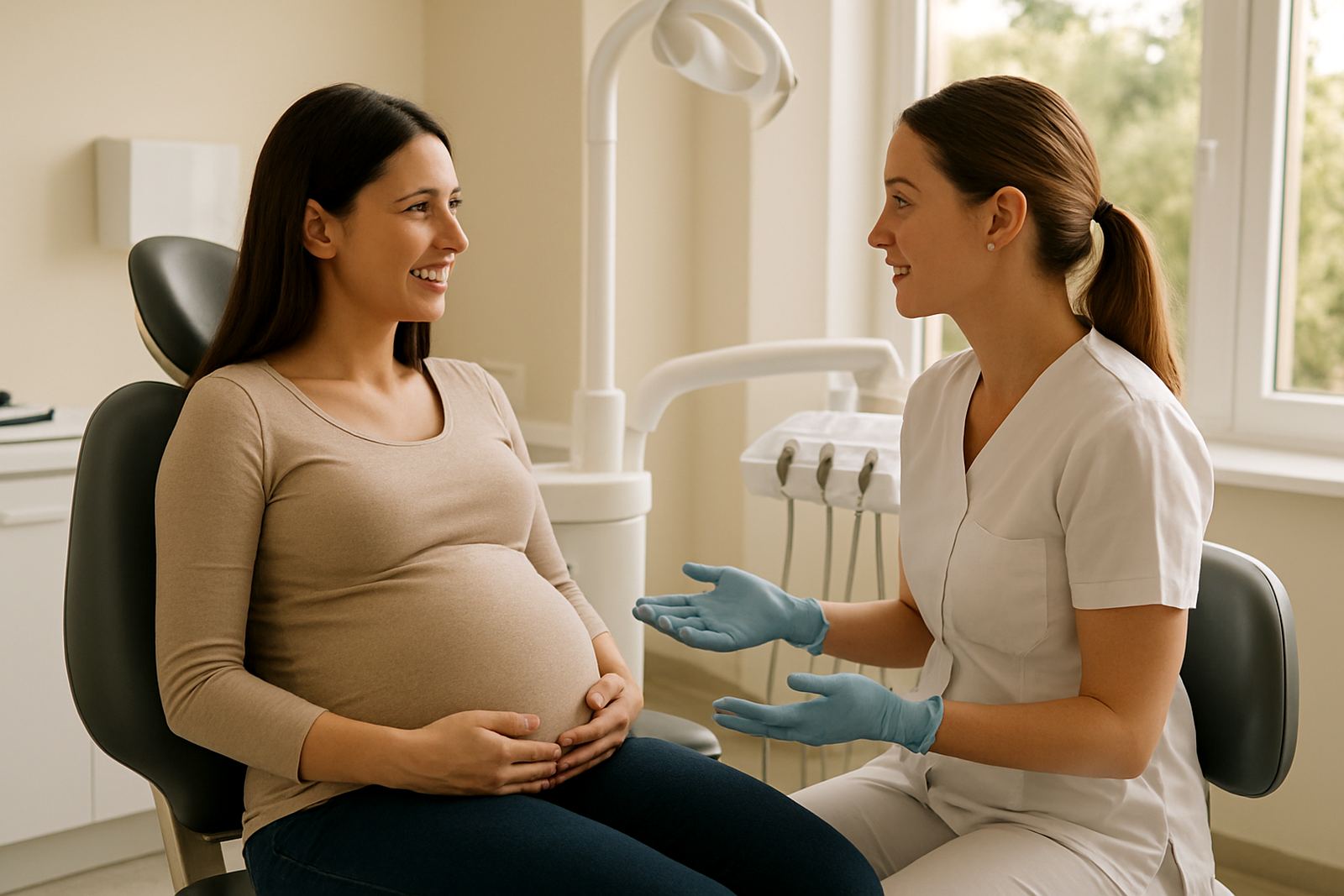
Dental care during pregnancy is usually safe and often helpful. If your gums bleed often, if you have pain, or if swelling is getting worse, do not wait until after birth. A check-up can remove plaque, spot early decay and help prevent small problems becoming bigger ones. Routine cleaning is commonly done during pregnancy, and your dentist can advise on the best timing if you are worried.
Let the practice know how far along you are, what medicines you take and whether your doctor has given any special instructions. If you live in Sandton, Bryanston, Rivonia, Morningside, Fourways or Rosebank, planning ahead can make it easier to fit a visit around work, family and transport. A short appointment now can save discomfort later.
- Persistent gum bleeding
- Toothache or sensitivity that keeps growing
- Loose feeling teeth
- Swelling that does not settle
- Broken fillings or sharp edges that cut the tongue or cheek
Food choices that support gum health when cravings hit
Pregnancy cravings are real, but frequent snacking can leave plaque-fed bacteria with more to work on. Try to keep sugary snacks to set times rather than grazing all day. Cheese, plain yoghurt, eggs, fruit and nuts can be kinder to teeth than biscuits or sweet drinks. Water is still the best drink for everyday sipping.
If you are dealing with heartburn or morning sickness, small meals may be easier than large ones, and that can also help your mouth. After eating, a rinse with water can reduce food left around the gums. One missing step here and there is normal, but try to avoid a full day of no brushing, because gum irritation can build up quite quickly.
- Choose snacks that are lower in sugar
- Drink water often, especially in dry office air or during load-shedding heat
- Limit frequent sipping of juice or fizzy drinks
- Rinse after meals if brushing is not possible
After the baby arrives, keep an eye on the gums too
Many women expect the problem to stop once the baby is born, and often it does improve, but not always overnight. If plaque and inflammation have built up during pregnancy, the gums may still need a proper clean and follow-up care after delivery. Newborn care, sleep loss and feeding schedules can make it easy to forget your own check-up, so it helps to book it early.
Good gum health matters because untreated inflammation can affect comfort and make everyday brushing unpleasant. For mothers in busy households, getting back to a stable routine is often the best step. A review after birth can also give practical advice on cleaning, sensitive areas and what to do if bleeding keeps going.