Start with the mouth as it is now
A proper smile makeover does not begin with whitening or veneers. It starts with a full clinical exam, photographs, digital scans and a discussion about what you want changed. Some patients want lighter shade, others want straighter edges, smaller gaps or replacement of missing teeth. The first job is to check what is possible without causing trouble later.
In Sandton, many patients come in after years of putting off dental work because they were busy or travelling. That is common. The practical point is to first treat any pain, decay, gum inflammation or worn fillings before cosmetic work begins. If the base is not healthy, the cosmetic result will not last.
- Check gums, bite and tooth wear before planning any visible work
- Take photos and scans for accurate records
- Discuss priorities, timing and payment guidance early
Decide which treatments come first
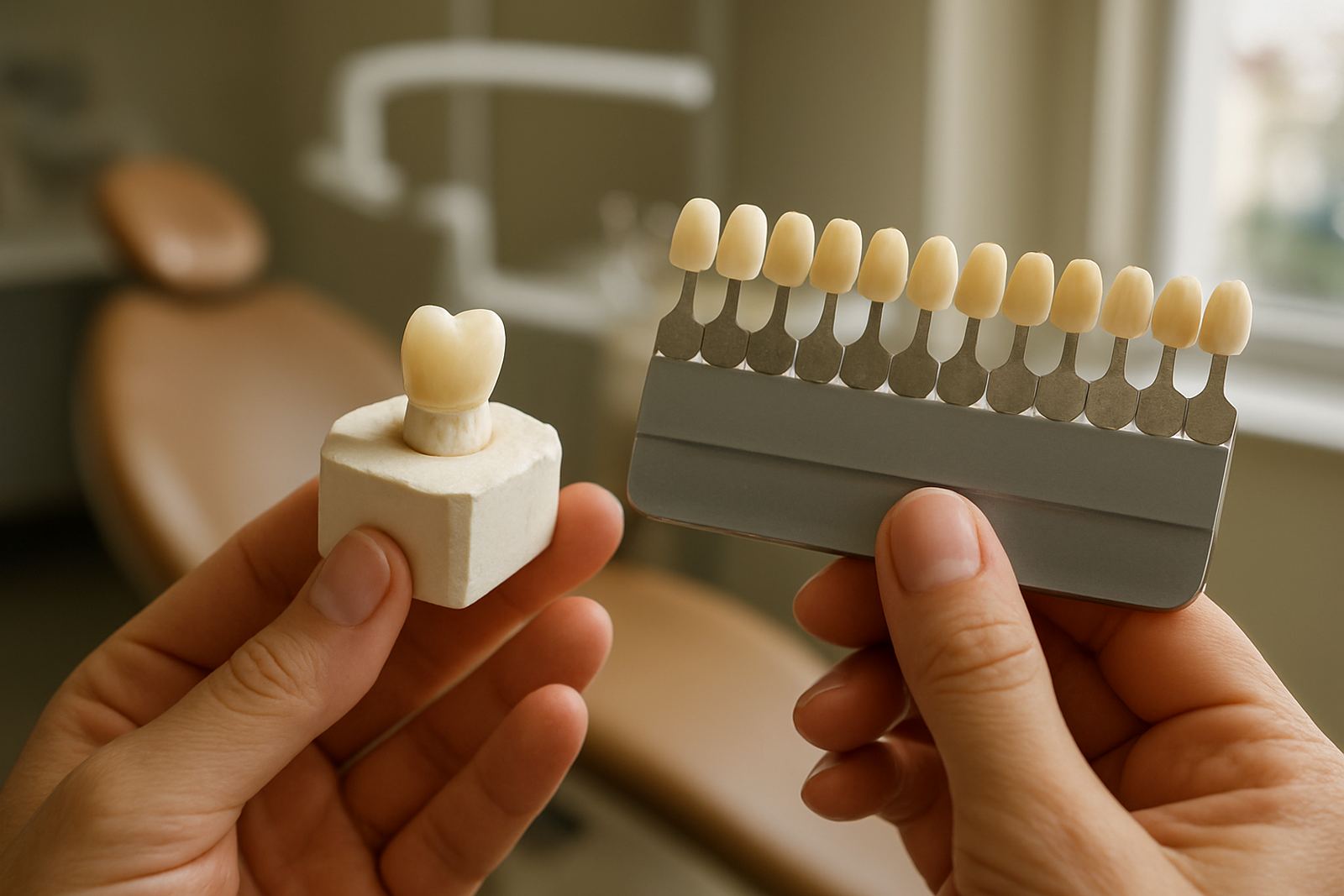
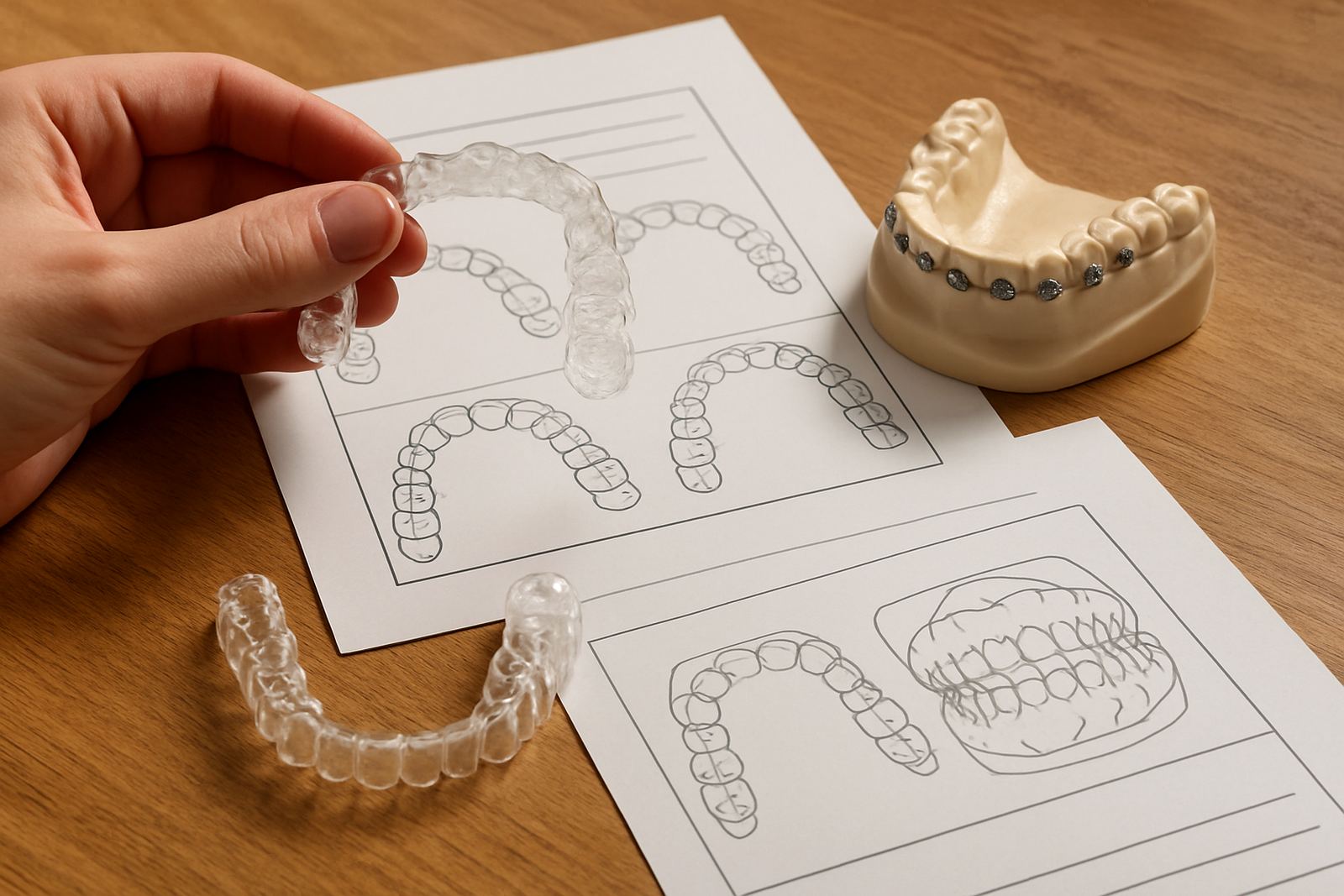
Most smile makeovers use more than one treatment, so sequencing matters. Whitening may happen before bonding or veneers so that the final shade can be matched properly. Orthodontic assessment may come before reshaping or replacement work if the teeth need to be moved first. Implant planning usually happens early because missing teeth affect the design of the whole smile.
We also look at whether a patient needs sedation options for longer appointments, especially if there is dental anxiety or several steps in one visit. A clear plan helps avoid wasted time and keeps the work predictable. In practice, that means deciding what must be done first, what can be done next and what should wait until healing is complete.
- Whitening often happens before final colour matching
- Orthodontic treatment may be needed before cosmetic reshaping
- Implant cases need early planning because healing time affects the sequence
Use digital planning to map the finish
Digital smile design is useful because it lets the team and patient look at the proposed outcome before treatment starts. That does not mean every case is exactly the same as the preview, but it helps guide the shape, length and proportion of the final teeth. It also makes it easier to explain why one tooth may need a different approach from the one next to it.
Thabo, our Digital Imaging Coordinator, uses records to help compare the current smile with the planned result. Dr Ayesha Khan and Dr Sibusiso Mthembu then use those records to decide on cosmetic details, while Dr Pieter van der Merwe checks where implant placement may need to support the final look. It is a team process, and that matters when several treatments need to fit together.
For patients from Bryanston, Rivonia or Morningside, this stage often saves time because it reduces guesswork. When the plan is clear, appointments can be grouped more sensibly around work and school runs.
Treat health issues before cosmetic work
Cosmetic dentistry should not cover up active problems. If there is gum disease, a cracked tooth, infection or heavy grinding, those issues must be managed first. This is especially important for patients who have had old fillings fail or who wake with jaw tension. A smile makeover should improve function too, not only appearance.
Preventive care, family dentistry and aftercare follow-ups are part of the sequence. If the gums are inflamed, the colour and shape of final restorations can change once the tissues settle. If there is wear from clenching, a night guard or other protection may be needed so the new work does not chip too soon.
- Stabilise gums before final shade work or impressions
- Replace failing fillings or fractured teeth early
- Plan protection for patients who grind their teeth at night
Fit the cosmetic steps into daily life
Not every patient can do everything in one week. A good plan takes into account work travel, children, sport, load-shedding related scheduling and how long healing will take. Some procedures need short visits. Others need longer appointments and a bit of recovery time. If a patient has to look presentable for meetings in Sandton Central, we plan accordingly.
Emergency dentistry may also change the order. For example, a broken front tooth may need immediate repair before the rest of the makeover is planned. For patients from Fourways or Rosebank, that can mean doing the urgent work first, then returning for assessments and final cosmetic stages once the mouth is settled.
Payment guidance is part of the practical side too. A staged treatment plan often makes it easier to manage costs while still keeping the sequence correct.
Finish with checking, care and follow-up
The last stage is not simply handing over the mirror and saying goodbye. Final checks matter. We look at bite, speech, comfort, shading and how the teeth meet when chewing. If something feels uneven, it is better to adjust it early. Small changes make a big difference once a patient starts using the smile every day.
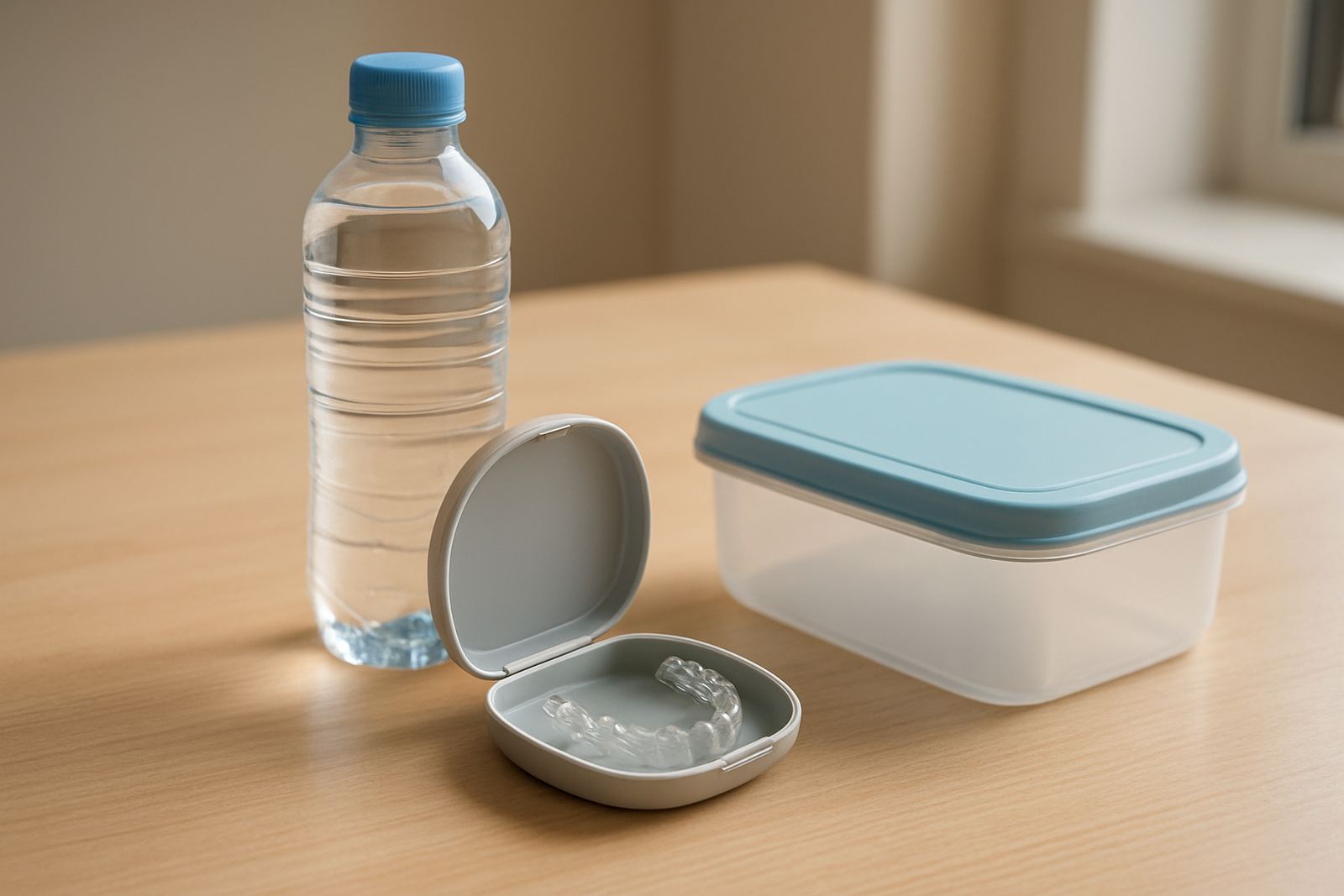
Aftercare follow-ups are important because new work settles over time. Patients are given clear instructions on cleaning, what to expect in the first few days and when to return for review. In a warm environment like Johannesburg, good home care and sensible check-ups help protect the investment. If a patient drinks a lot of tea or coffee, or has a busy travel schedule, we give straightforward advice that fits real life.
For people in Sandton Clinic and nearby areas, the aim is the same: a smile that looks natural, feels comfortable and holds up in ordinary use. A well-sequenced makeover is less about doing everything at once and more about doing each step in the right order.