

A simple rule: the right interval depends on your risk
There is no single answer that suits every patient. If your gums are healthy, you brush well, floss or clean between teeth, and you do not have a history of rapid decay, a 6 to 12 month check-up may be enough. If you have gum disease, recurring cavities, braces, implants, dry mouth or pain that keeps coming back, you may need visits every 3 to 4 months.
We look at your current mouth health, not just your age. A 28 year old with active decay may need more frequent care than a 58 year old with steady, low risk teeth. That is why personalised advice matters, because one size does not fit all. It also helps to time visits before school holidays or year end travel, so you do not miss a booked review.
- Low risk: every 6 to 12 months
- Moderate risk: every 4 to 6 months
- Higher risk: every 3 to 4 months
Signs you should not wait for your next routine visit
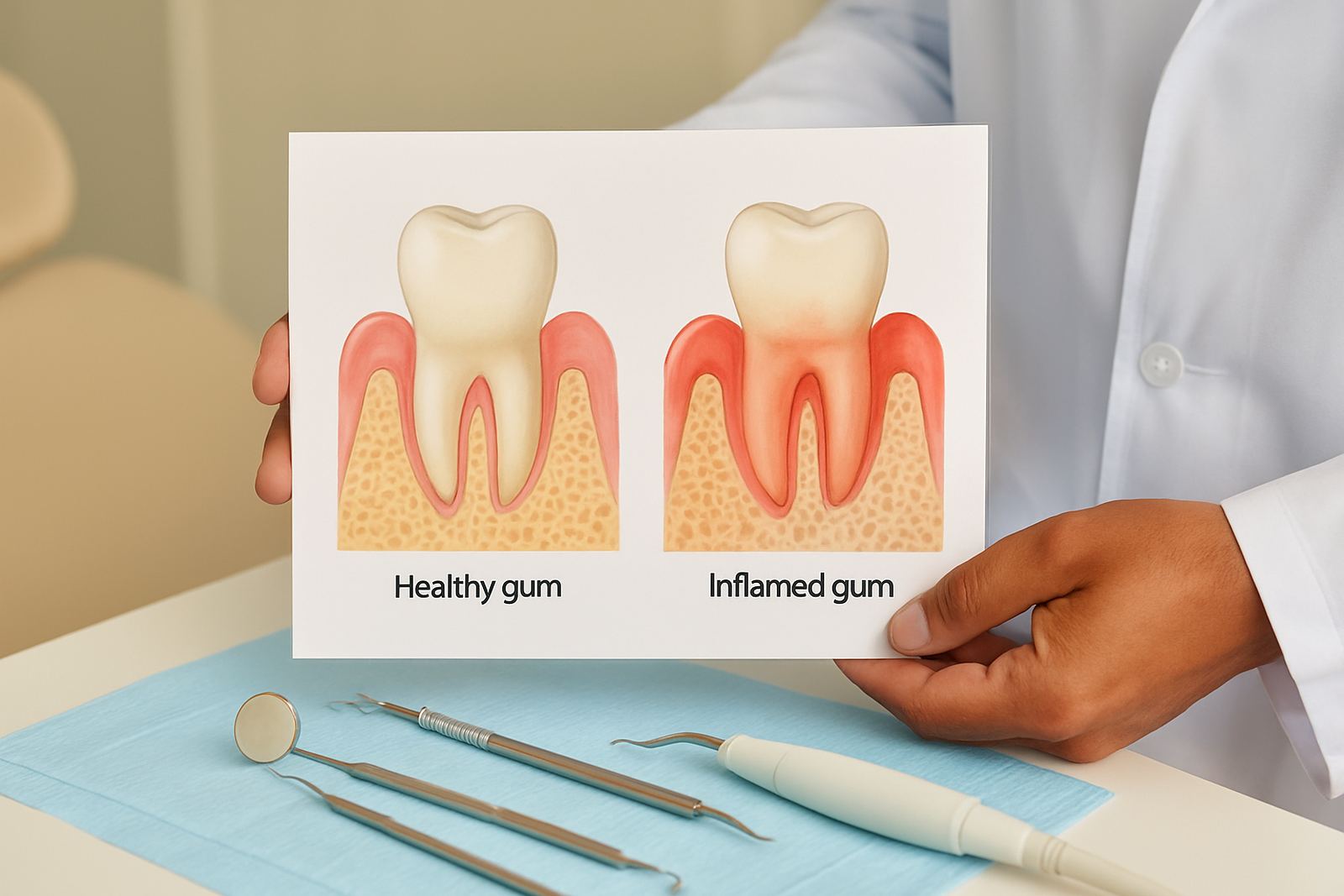
Some symptoms mean you should book sooner rather than later. Bleeding gums, bad breath that keeps returning, loose teeth, sensitivity to cold or sweet food, and jaw pain are all reasons to be checked. A small filling problem can become a bigger fracture if it is left too long, and gum inflammation can quietly damage support around the teeth.
If you live or work in Sandton, Bryanston, Rivonia, Morningside, Fourways or Rosebank, try not to push it out because the schedule is full. A brief exam now can save you time, discomfort and higher fees later. We also see patients who wait until a school holiday or pay day, then the tooth is already swollen and treatment options are fewer.
- Bleeding when brushing or flossing
- Toothache, pressure or throbbing
- Loose crowns, fillings or braces parts
- Broken teeth or swelling of the gums
Children, teens and young adults need different timing
For children, check-ups are usually more frequent while teeth are coming through and habits are being built. Young children may need a review every 6 months, sometimes sooner if there is a high sugar intake or early decay. Teens with braces or aligners often need follow-up more often because cleaning is harder around orthodontic appliances and food traps.
Parents should think about check-ups as part of the school routine, like sport physicals or term dates. A child who has had a filling, a tooth removed, or recurring pain should not wait a full year. Early checks also help us spot crowding, bite problems and enamel wear before they become more involved and costly.
- First dental visit: when the first teeth appear or by age 1
- Children with cavities: often every 3 to 6 months
- Teens in braces: follow the orthodontic plan closely
Adults with busy schedules still need a plan
Many adults skip check-ups because work gets in the way, especially in Sandton where meetings, traffic and travel can crowd a calendar fast. A practical plan is to book the next visit before you leave the surgery, then put it in your phone. If you are prone to grinding, staining from tea or coffee, or plaque build-up, keeping to a regular interval is worth it.
In our experience, adults who come in on time usually need smaller treatments. That can mean a clean instead of a deep clean, a polish instead of a repair, or a simple filling instead of root treatment. It is easier on your mouth and on your budget, which is why check-ups are worth protecting even when the month is busy.
- Office workers: schedule around meetings and month-end pressure
- Smokers and heavy coffee drinkers: ask about more regular cleaning
- Night grinders: review wear and protection options
Medical conditions and lifestyle can change the timetable
Some health conditions increase the risk of gum disease, infection or delayed healing. Diabetes, dry mouth, immune suppression, pregnancy and certain medicines can all affect how often you should be seen. If you have implants, a history of periodontal treatment or frequent mouth ulcers, your follow-up plan may need to be tighter too.
Hot weather, mouth breathing and coastal humidity do not decide your check-up date on their own, but your daily habits do matter. If you snack often, sip sweet drinks, or struggle with brushing after load-shedding and late nights, plaque has more time to settle. In those cases, shorter gaps between visits can help us catch trouble early before pain sets in.
- Diabetes or gum disease: closer monitoring is often needed
- Pregnancy: keep up with routine care and report bleeding gums
- Implants or previous orthodontics: follow the review plan given
What happens at a proper check-up in Sandton
A good check-up is more than a quick look and a polish. We assess the teeth, gums, bite, soft tissues and any old work that may be wearing out. If needed, we discuss digital smile design, implant planning, orthodontic assessments, sedation options or aftercare follow-ups, depending on what your mouth needs at that time.
At Techno-Dent Clinic, Dr Sibusiso Mthembu and the team look at the full picture, not just the sore tooth. That includes practical payment guidance when treatment is being planned, so patients can space out care sensibly. If something urgent shows up during a routine visit, we will talk through the next step clearly and without rushing you out the door. It is the kind of review that helps patients stay ahead of problems, not chase them.
- Examination of teeth, gums and bite
- Cleaning and preventive advice where needed
- X-rays or imaging only when clinically useful
- Planning for follow-up if treatment is needed