When bad breath is more than morning breath
Most people notice a bit of morning breath or a strong smell after garlic, coffee or a long day without water. That is normal and usually passes after brushing, flossing and eating. Persistent bad breath, though, is different. It tends to return soon after cleaning, and other people may notice it before you do.
In practice, the main issue is often not the breath itself but what is sitting on the teeth, tongue, gums or between the teeth. In a busy Sandton work day, with meetings, traffic and back to back coffee, it is easy for the mouth to dry out and for bacteria to build up. If the smell keeps returning, it is worth looking at the cause instead of masking it with mints.
Oral causes that are often missed
The mouth is the most common place to start because bacteria love warm, damp areas and bits of food left behind. If plaque is allowed to build up, it can release sulphur-like smells. Gum problems can do the same, especially when there is bleeding, swelling or pockets around the teeth.
- Food trapped between teeth or around old fillings and crowns
- Gum inflammation or periodontal disease
- Decay that has gone unnoticed in a back tooth
- Coated tongue, especially near the back of the tongue
- Ill-fitting dentures, aligners or retainers that are not cleaned properly
A patient from Bryanston may think the smell is coming from breakfast, but the real cause can be a hidden cavity or gum infection. That is why a proper check matters. A quick look at the teeth and gums often finds more than the person expected.
Dry mouth, fasting and medication side effects
Saliva does a lot of work. It washes away food particles, helps control bacteria and keeps the mouth comfortable. When saliva flow is low, bad breath can become stronger and more constant. Dry mouth can happen after sleeping with your mouth open, during long hours without water, after certain medicines, or when stress is high.
Some people notice it when they are on antihistamines, blood pressure treatment, antidepressants or other regular medication. Older patients may also get a dry mouth more easily. Fasting, heavy exercise and long drives across Johannesburg in hot weather can make things worse if water intake is low.
- Drink water regularly through the day
- Limit too much coffee, alcohol and sugary drinks
- Chew sugar-free gum if suitable
- Tell your dentist about any medication you take
- Keep lips and mouth from drying out overnight
Food, smoking and everyday habits that keep the smell going
Some causes are lifestyle related and easy to underestimate. Garlic, onion, curry, strong spices and certain protein heavy meals can leave a smell that stays for hours. Smoking and vaping are also common reasons for stubborn bad breath, because they dry the mouth and change the balance of bacteria. Heavy drinking can have a similar effect.
It is also worth looking at eating patterns. Skipping meals, grazing on sugary snacks, or relying on coffee to get through the afternoon can all contribute. In offices around Sandton and Rosebank, I often see people who sip coffee all day then realise they have not had enough water, lunch or fresh air. That combination is not kind to the mouth.
Habit changes can help a lot, but if the smell is still present after a few days of better cleaning and hydration, the cause may be deeper.
When bad breath points to a health issue beyond the mouth
Not every case starts in the teeth. Sometimes persistent bad breath links to sinus problems, throat infections, tonsil stones, acid reflux, uncontrolled diabetes or other medical conditions. These causes are less common than plaque or gum disease, but they do happen. If the smell is sour, fruity or unusually strong, it should not be ignored.
Look out for these warning signs:
- Bad breath with bleeding gums or loose teeth
- Bad breath plus a sore throat, blocked nose or post nasal drip
- Bad breath with heartburn or a bitter taste
- Bad breath and frequent thirst, tiredness or weight changes
- Bad breath that remains after careful brushing, flossing and tongue cleaning
If you are in Fourways or Morningside and the smell keeps coming back, a dental check can help rule out oral causes first. If needed, you may also be referred for medical follow up. It is better to check early than keep guessing.
What to do before your appointment
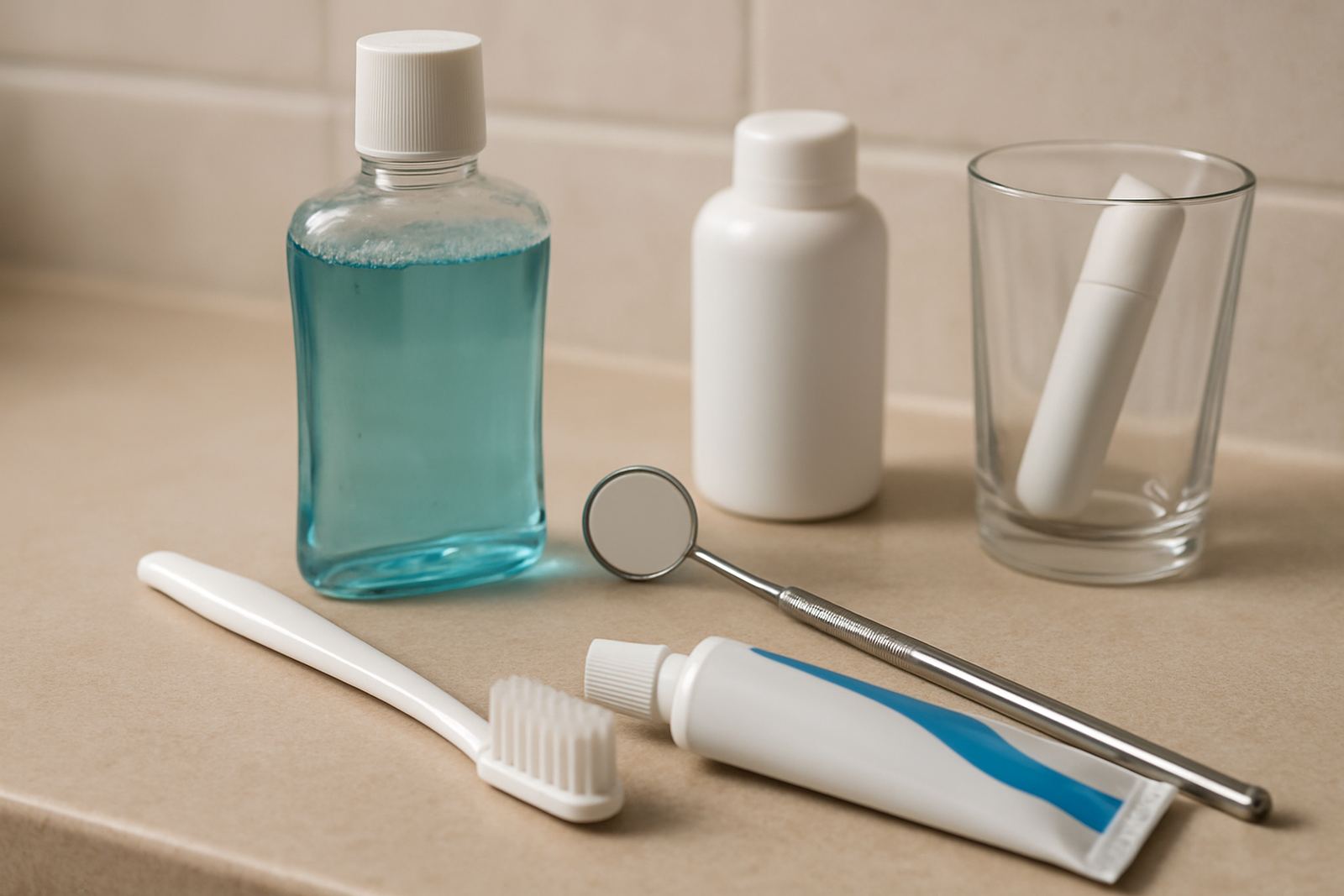
Good home care can reduce mild bad breath and also give useful clues. Brush twice a day for two minutes, clean between the teeth daily, and gently clean the tongue. Change your toothbrush regularly and rinse after meals if brushing is not possible. If you wear aligners or a removable appliance, clean it every day and keep it out of the mouth for meals where possible.
Try this simple routine for a week:
- Drink water first thing in the morning
- Brush the tongue as well as the teeth
- Floss or use interdental brushes daily
- Reduce smoking and alcohol intake
- Book a dental check if the smell does not improve
In Sandton traffic, it is easy to carry mints and call it sorted, but that only hides the problem for a short time. If there is gum disease, decay or dry mouth, the cause needs proper treatment. A dentist can check for infection, clean hard deposits and suggest the right follow up, from preventive care to further treatment if required.
For patients from Sandton, Rivonia, Bryanston, Rosebank or nearby areas, the goal is simple: find the source, treat it properly and help you feel comfortable speaking close to others again. A bit of bad breath after coffee is one thing. Breath that will not shift is worth a proper look.