
Why a crown is used in the first place
A crown is a cap that covers a tooth which has been weakened, cracked, worn down, heavily filled or treated with root canal therapy. The aim is to restore strength, protect the remaining tooth structure and bring the tooth back into proper function. In front teeth, the crown also needs to match the smile in shape and colour.
Not every tooth needs the same solution. Some patients only need a small repair, while others need a full crown because the tooth has lost too much structure to hold a normal filling. In practice, the dentist looks at bite forces, the condition of the root, gum health and how visible the tooth is when you speak or smile.
- Back teeth often need extra strength because they take most of the chewing load.
- Front teeth need careful shade matching and natural shaping.
- If there is deep decay or a cracked cusp, a crown may prevent further breakage.
- After root canal treatment, a crown can help stop the tooth from splitting later.
What the temporary crown actually does
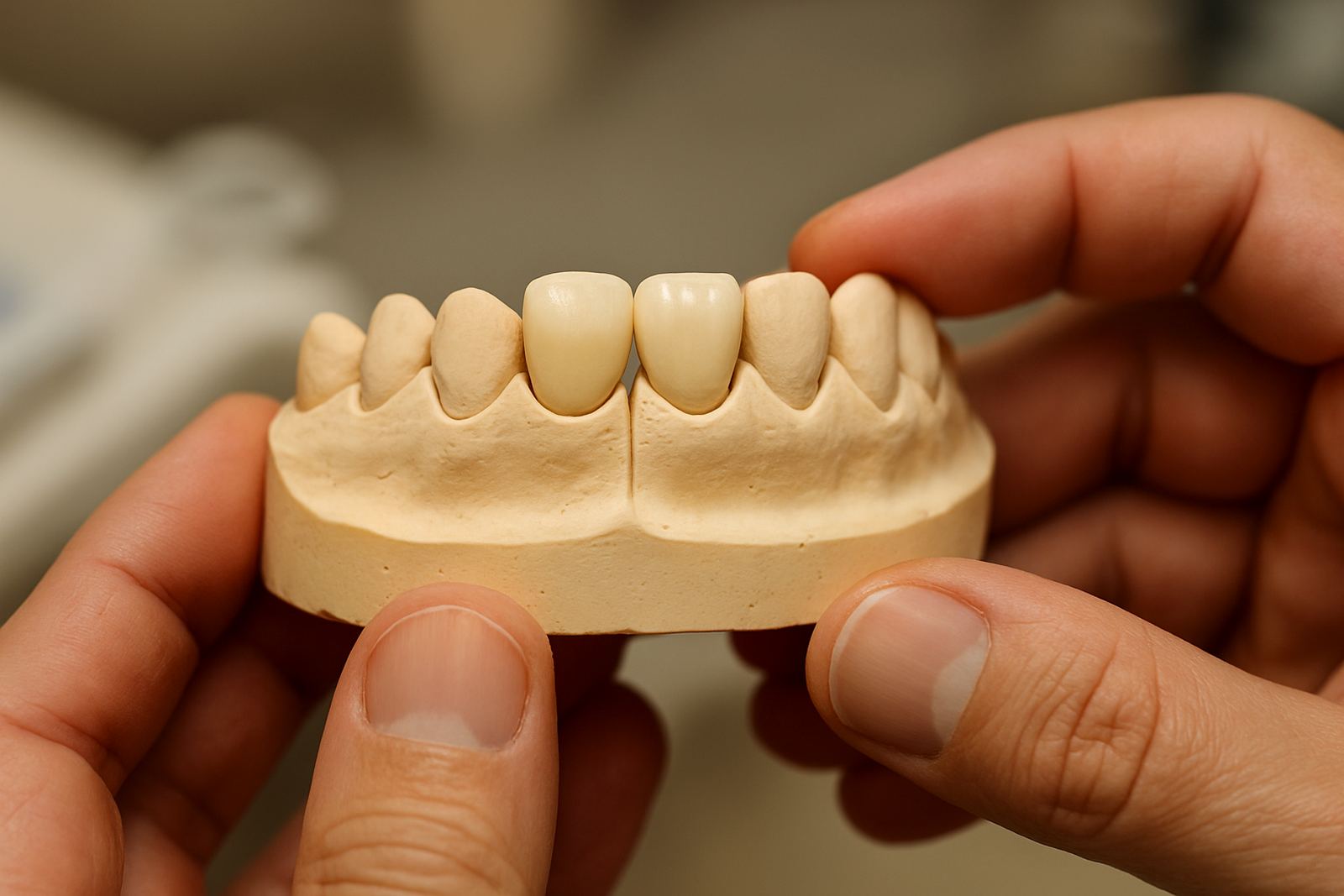
The temporary crown is there to protect the prepared tooth while the permanent crown is being made. It covers the tooth, helps reduce sensitivity to cold and hot food, and keeps your bite more comfortable between visits. It also helps the gums stay in shape so the final crown can fit better.
This stage matters more than many people think. If a temporary crown comes loose or breaks, the tooth underneath can become sensitive or exposed to food and bacteria. That is why patients are advised to avoid biting hard nuts, ice or sticky sweets on that side. A temporary crown is not built to last for years, but it does important work during the waiting period.
- Protects the prepared tooth from sensitivity and wear.
- Keeps the space and bite relationship stable.
- Helps the gum tissue heal and settle.
- Lets the dentist check how the tooth feels before the final crown is fitted.
How the permanent crown stage is planned
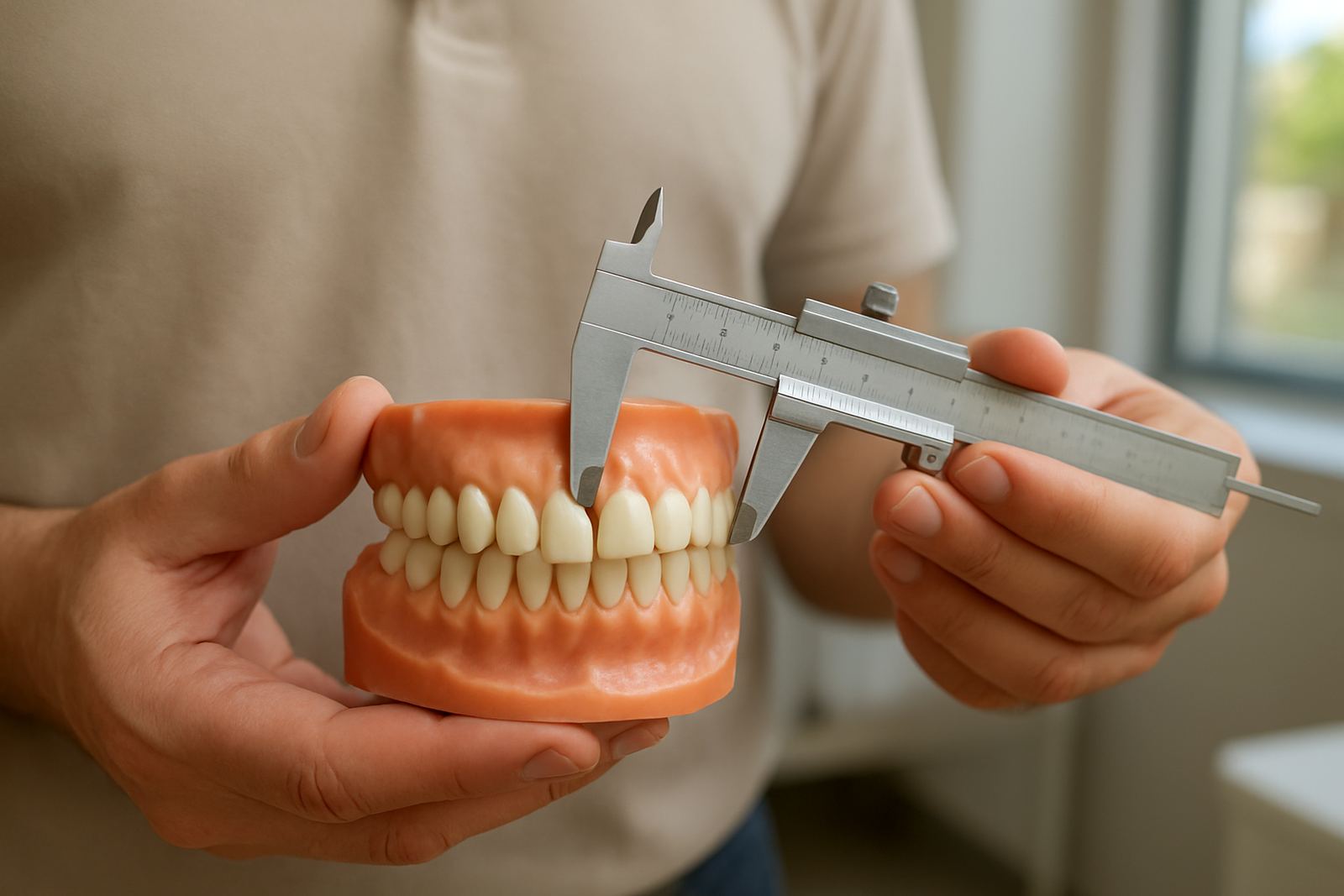
The permanent crown stage starts with careful assessment. The dentist checks the tooth, the bite and the surrounding gums, then takes records for the final shape and fit. In many cases digital imaging is used to improve accuracy, especially where the crown must sit neatly alongside neighbouring teeth.
At this point the exact material and design are chosen based on the tooth’s position and the patient’s needs. A crown for a visible front tooth may be planned differently from one for a molar at the back. The goal is not only appearance, but also a bite that feels natural when chewing and speaking.
For patients travelling from Bryanston, Rivonia, Morningside, Fourways or Rosebank, planning ahead helps reduce extra trips. If the temporary crown is stable and the gums are healthy, the final fitting is often straightforward. If the temporary crown has shifted or the tooth has become irritated, the dentist may need to adjust the timing.
When a temporary crown is the safer option
Some teeth should not receive a final crown immediately. If the tooth or gum is inflamed, if the bite still needs testing, or if the dentist is waiting to confirm the best shade and shape, a temporary crown gives space for proper decision making. This is especially useful where the crown forms part of a larger smile plan that may include cosmetic dentistry or orthodontic work.
There are also practical reasons to stage treatment. If a patient is managing a busy work schedule in Sandton, or needs treatment around school runs and traffic, the temporary phase allows the clinic to keep the tooth protected while the final crown is prepared. This reduces the risk of rushing a finish that should be precise.
- Useful when gums need time to settle after shaping.
- Helpful when bite changes need to be monitored.
- Can support treatment that is part of a bigger cosmetic plan.
- Allows the dentist to check comfort before the final crown is bonded.
What can go wrong if the stages are rushed
Rushing from preparation to final crown without proper review can cause a crown that feels high, traps food or irritates the gum edge. The patient may then chew differently, which can place stress on other teeth and even the jaw muscles. A crown should feel like part of the mouth, not something that has to be avoided.
Common issues include a temporary crown that falls off, a permanent crown with a tight contact point or a bite that has not been adjusted properly. These are usually manageable, but they are far easier to prevent than to fix. Small checks at each stage save a lot of discomfort later.
- High bite points can cause pain when biting down.
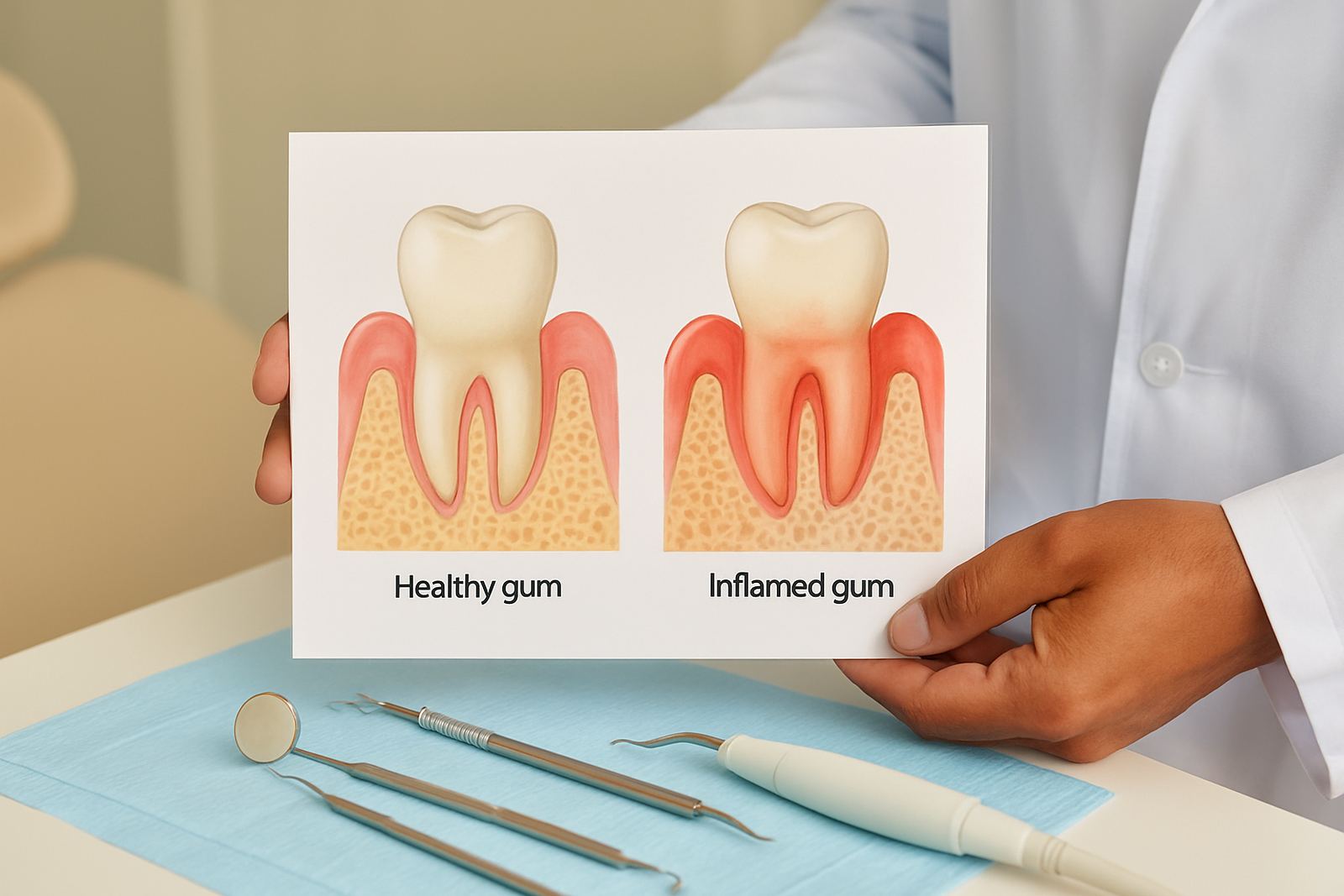
- Poor margins may trap plaque and lead to gum inflammation.
- Loose temporary crowns can expose the tooth to sensitivity.
- Underfitted crowns may collect food and make cleaning harder.
Daily care while you wait for the final crown
Good home care keeps the temporary crown stable and protects the tooth beneath it. Use a soft toothbrush, clean gently along the gum line and floss carefully without snapping the floss upward. If the temporary crown is on a back tooth, chew on the other side where possible until the final crown is fitted.
Patients in Johannesburg often deal with load-shedding, long meetings and quick meals on the move, so simple habits matter. Keep sticky snacks out of the routine, rinse after meals and contact the practice if the temporary crown feels loose. Coastal humidity is not a factor in Sandton, but dry mouth from medication, stress or mouth breathing can still make the mouth feel uncomfortable and should be mentioned at the appointment.
- Do not use the crowned tooth to open packets or bite pens.
- Avoid very hard foods until the final crown is placed.
- Call if the temporary crown cracks or comes off.
- Tell the dentist if the bite feels uneven.
A practical local view on crown treatment in Sandton
For many patients, the biggest question is not whether they need a crown, but how many visits the process will take and what each visit is for. At Techno-Dent Clinic, crown planning is handled step by step so patients know what is happening at every stage, from the first consult to the final fit and aftercare follow-up.
That approach is useful for working adults, parents and patients coming from the surrounding Sandton area because it keeps treatment organised. If the crown is being placed after emergency dentistry, a cosmetic consult, implant planning or orthodontic assessment, the stages must be coordinated carefully. A well-planned temporary crown protects the tooth while the permanent crown is made to fit the bite properly and support long term comfort.
When patients understand the difference between the temporary and permanent stages, they are usually calmer and more confident about the treatment. That confidence matters, because a crown is not just about covering a tooth. It is about restoring function in a way that lasts.