How Long Dental Bonding Usually Lasts
For many patients, bonding can last about 3 to 10 years before it needs repair or replacement. That range is broad because bonding is used in different ways, from a small front tooth chip to reshaping several teeth for smile improvement. A tiny repair near the edge of a tooth may last longer than a larger build-up that takes more force every day.
In practice, the lifespan comes down to wear, bite pressure, and daily care. Bonding is strong enough for ordinary eating and speaking, but it is not as hard as natural enamel. If you expect it to behave like a crown or veneer, you may be disappointed. If you treat it as a repair that needs sensible care, it often gives good service for years.
What Shortens Bonding Life Fastest
Some habits wear bonding down much faster than patients expect. The biggest problems are repeated pressure, staining, and using teeth as tools. Once the surface is chipped or roughened, it can collect more stain and feel uneven. That is when a small issue starts to show much sooner than it should.
Bonding is also affected by the position of the tooth. Front teeth that bite into hard food are more exposed than back teeth that carry heavier chewing forces. If you clench at night, grind during stress, or gnaw pens in traffic on Rivonia Road, the material takes a beating. We see this often in Sandton patients with busy workdays and long commutes.
- Biting ice, hard sweets, or fingernails
- Using teeth to open packets or bottle tops
- Grinding or clenching at night
- Frequent coffee, red wine, curries, and tobacco
- Skipping check-ups until a small chip becomes a bigger repair
Care Habits That Help Bonding Last Longer
Simple habits make a real difference. Brush twice a day with a soft brush and a fluoride toothpaste, then floss carefully so plaque does not build up around the edges. Try to avoid aggressive brushing, because that can wear the bond and the nearby gum area over time. If the edge feels rough, do not keep testing it with your tongue all day, as that only irritates you and may mask a problem.
Food choices matter too. Bonding can stain more easily than enamel, especially in the first days after placement and over the longer term if you drink a lot of dark beverages. You do not have to cut out everything, but rinsing with water after coffee or tea helps. A useful rule is simple: if it is hard enough to crack a nut, it is probably not the best thing to bite with bonded teeth.
- Use a night guard if you grind your teeth
- Rinse after strong tea, coffee, red wine, and dark sauces
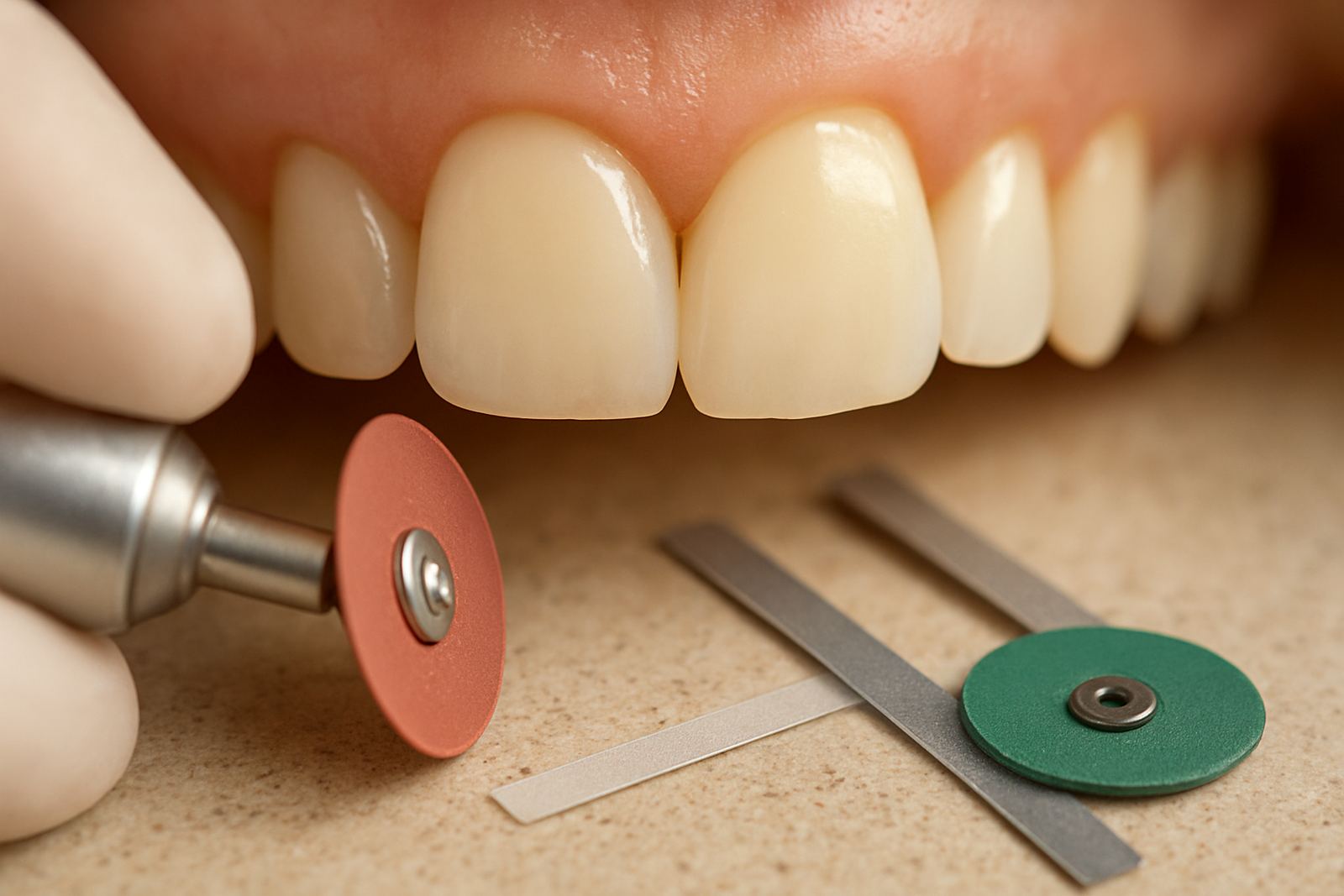
- Book a polish and check when the surface starts to dull
- Ask about bite adjustments if one tooth feels under pressure
What Bonding Looks Like Over Time
Bonding changes gradually. At first, it should feel smooth and natural. After a few years, you may notice slight dullness, a tiny chip, or a colour difference next to the natural tooth. That does not always mean the bonding has failed. Often it just needs reshaping, polishing, or a small repair.
One common example is a patient from Bryanston who had bonding on a front tooth after a sports chip. It looked good for years, then started to pick up stain at the edge because of regular black tea and occasional clenching. A quick clean, minor repair, and advice on night-time grinding helped extend the result without replacing the whole piece. That is usually better value than waiting until the bond breaks completely.
When Bonding Needs Repair Or Replacement
Not every change means an emergency, but there are signs that should not be ignored. If the edge has chipped, the tooth feels sharp, or food keeps catching in the same spot, the bonding may no longer be sealing properly. A small repair is often quick, while a worn or heavily stained area may need to be replaced.
It is also worth checking the bond if your bite has changed after orthodontic treatment, a missing tooth, or a new filling nearby. When the bite shifts, the old bonding can end up taking pressure in the wrong place. That can shorten its life quite a bit, so it is better to adjust early than to keep waiting for a break.
- Visible chip or crack
- Colour that no longer matches the tooth
- Rough edge that catches floss or food
- Recurrent sensitivity around the bonded area
- Bonding that feels high when you close your teeth
A Practical View For Sandton Patients
In a busy area like Sandton, patients often want a fix that looks good and does not need constant attention. Bonding can be a sensible option for that, especially when the problem is localised and the tooth structure is otherwise healthy. It is often part of a wider treatment plan that may include cosmetic assessment, orthodontic planning, or implant advice if another tooth is missing nearby.
At Techno-Dent Clinic in Sandton, we look at the tooth, the bite, and the patient’s daily habits before advising on bonding. The question is not only how long can it last, but how long can it last for you. With the right placement and sensible care, bonding can stay useful for a good number of years, and when it starts to wear there is usually a straightforward way to maintain it.