
When veneers make more sense than bonding
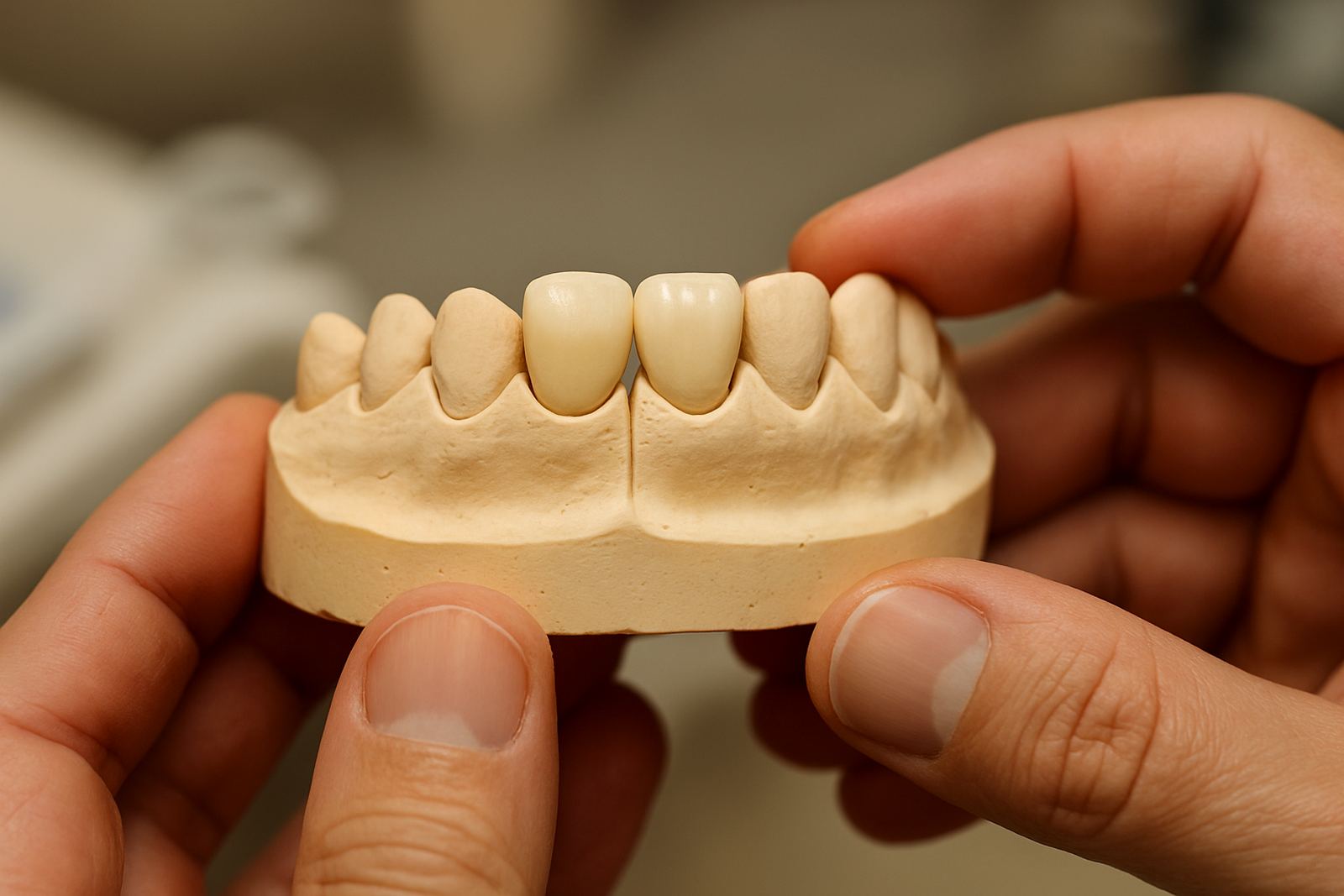
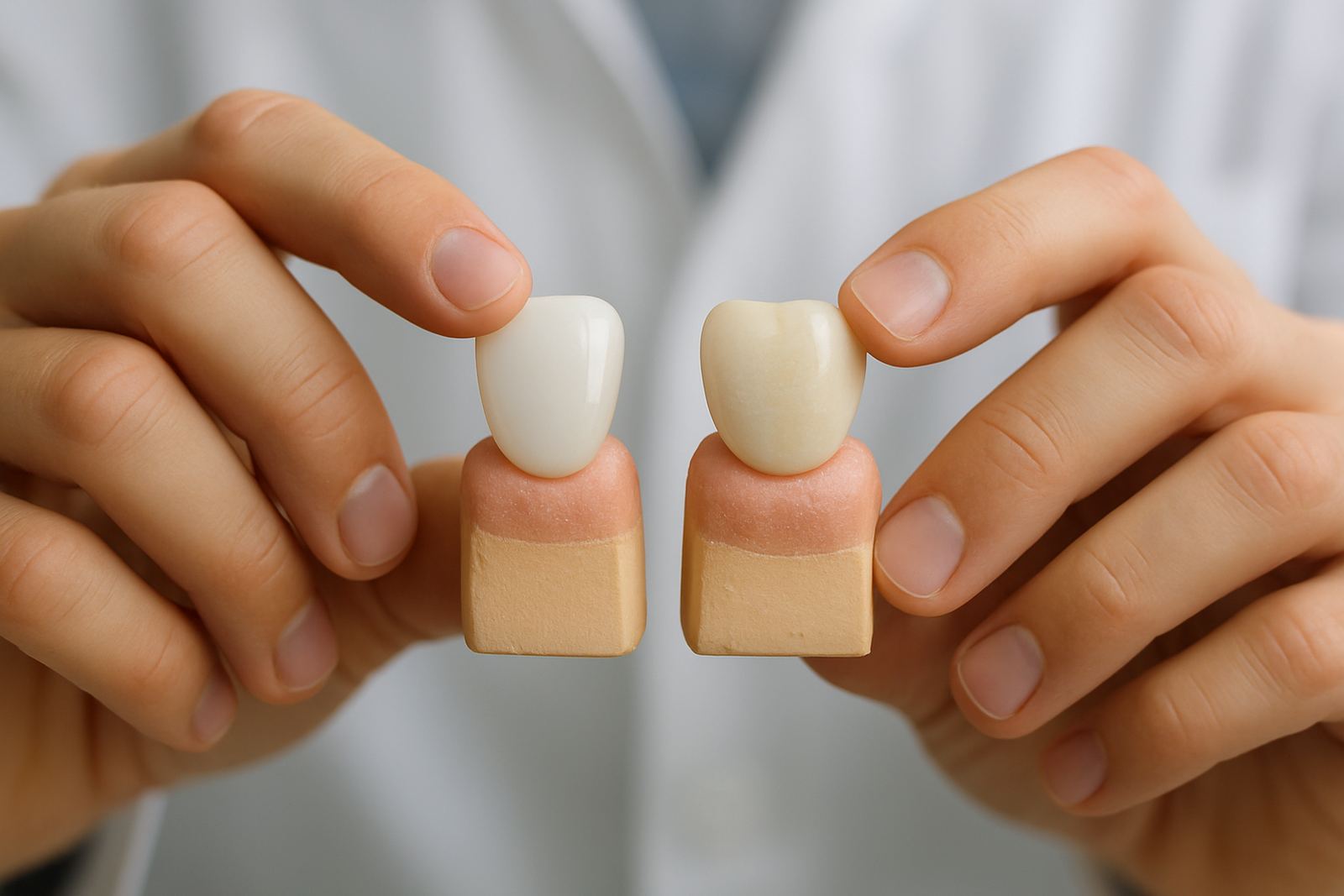
Veneers are thin shells placed on the front of teeth to change colour, shape and length. They suit people who want a more even smile with a longer lasting finish, especially when several front teeth need the same look. In a Sandton practice, that often means patients preparing for a wedding, a new role, or a fresh start after years of hiding their smile.
Bonding uses tooth coloured resin to build up chips, close small spaces and smooth edges. It is usually quicker and more conservative, which means less enamel is removed. If you only have one or two minor concerns, bonding can be a sensible first step.
- Choose veneers when you want a stronger cosmetic change across several teeth
- Choose bonding when the damage is small and you want a lower cost option
- Ask about maintenance, because both choices need good home care
What a day in the chair usually looks like
For veneers, the process normally starts with a consult, shade selection and digital planning so the final shape suits your face and bite. Some cases need a light preparation of the front surface and temporary coverings while the final pieces are made. The final fit is checked carefully so the edges sit neatly and the bite feels natural.
Bonding is often done in one visit. The tooth surface is cleaned, lightly prepared and the resin is shaped directly on the tooth before it is hardened and polished. The result can look very good straight away, but it relies more on polishing and careful technique. If your front teeth are crowded or heavily stained, bonding may not cover everything cleanly.
- Veneers often need two appointments
- Bonding can often be completed in one appointment
- Both treatments need proper bite checks to avoid chipping
Durability, repairs and everyday wear
People often ask which option lasts longer. In general, veneers hold their shape better over time, while bonding is easier to repair if a corner chips. That said, your habits matter. Nail biting, opening packets with your teeth and chewing ice can shorten the life of either treatment. If you grind at night, a night guard may be advised.
Sandton patients who travel a lot or work long hours often prefer a choice that needs fewer touch ups. Others are happy to start with bonding because it is quicker and more affordable, then review later. There is no one right answer, only the option that fits your teeth and your routine.
- Veneers usually resist staining better than bonding
- Bonding can be polished and repaired more easily
- Grinding or clenching needs to be managed whichever option you choose
Cost, value and payment planning in Johannesburg
Cost is a real factor, and it should be discussed clearly before any cosmetic work starts. Veneers normally cost more because of the planning, lab work and time involved. Bonding is usually the more affordable option, especially if you are treating just one or two front teeth. The best value is not always the cheapest treatment, but the one that gives you the right result without unnecessary work.
At a busy Sandton clinic, patients often ask for payment guidance before starting. That is sensible. You should know what is included, whether follow up visits are needed, and how repairs are handled if a chip happens later. Good advice saves money in the long run.
- Ask for a full written treatment plan
- Check whether follow up polishing is included
- Confirm how many teeth are being treated and why
A local example: one gap, two different answers
A Bryanston patient might come in with a small gap between the front teeth and one chipped incisor from a hockey injury. If the teeth are otherwise healthy and the shade is good, bonding may be enough to close the gap and rebuild the chip in one sitting. If the patient also wants a lighter shade and more even shapes across four front teeth, veneers may give a cleaner finish.
That is why cosmetic dentistry is not about one product for everyone. It is about matching the treatment to the tooth, the bite and the person. In a place like Sandton, where people want results that look natural in meetings, at events and in photos, the plan has to be practical as well as neat.
How to choose the better option for your smile
The right choice depends on the size of the problem, your budget and how much change you want. For small chips and gaps, bonding is often the first conversation. For multiple front teeth with shape, colour or wear issues, veneers are usually worth discussing. Either way, the dentist should check your gums, bite and enamel before recommending anything.
If you are unsure, start with a consultation and ask to see a visual plan. That makes it easier to compare the likely outcome before you commit. A careful exam today can prevent a repair job later, and that matters when you want the result to last.
- Small fix, lower cost: bonding
- More lasting shape and colour change: veneers
- Not sure yet: ask for a consult and side by side plan