
1. The first assessment sets the direction
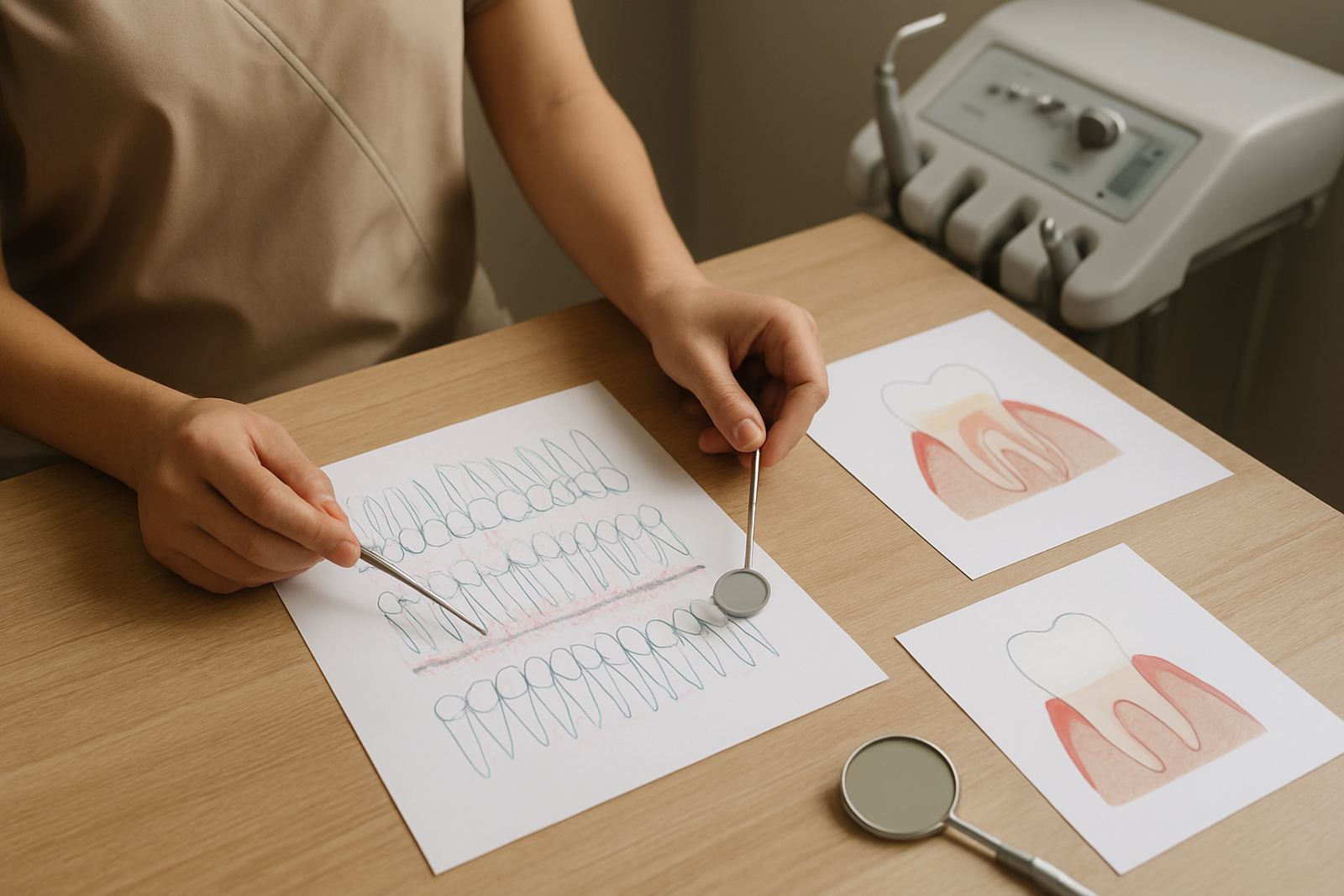
The implant process starts with a proper assessment, not with the surgery itself. Your dentist checks the teeth, gums, bite and the bone that will support the implant. This stage matters because an implant needs enough healthy bone and space so the final crown can sit correctly and function well.
At this visit, we also look at your medical history, current medication and habits such as smoking or teeth grinding. These factors can affect healing and the long term success of the implant. For patients in Sandton, Bryanston or Fourways who want a practical plan before taking time off work, this first appointment helps map out what needs to happen and in what order.
- Clinical examination of teeth, gums and bite
- Review of medical history and medication
- Discussion of your goals, timing and budget
- Planning for scans or X-rays if needed
2. Digital planning and bone checks come next
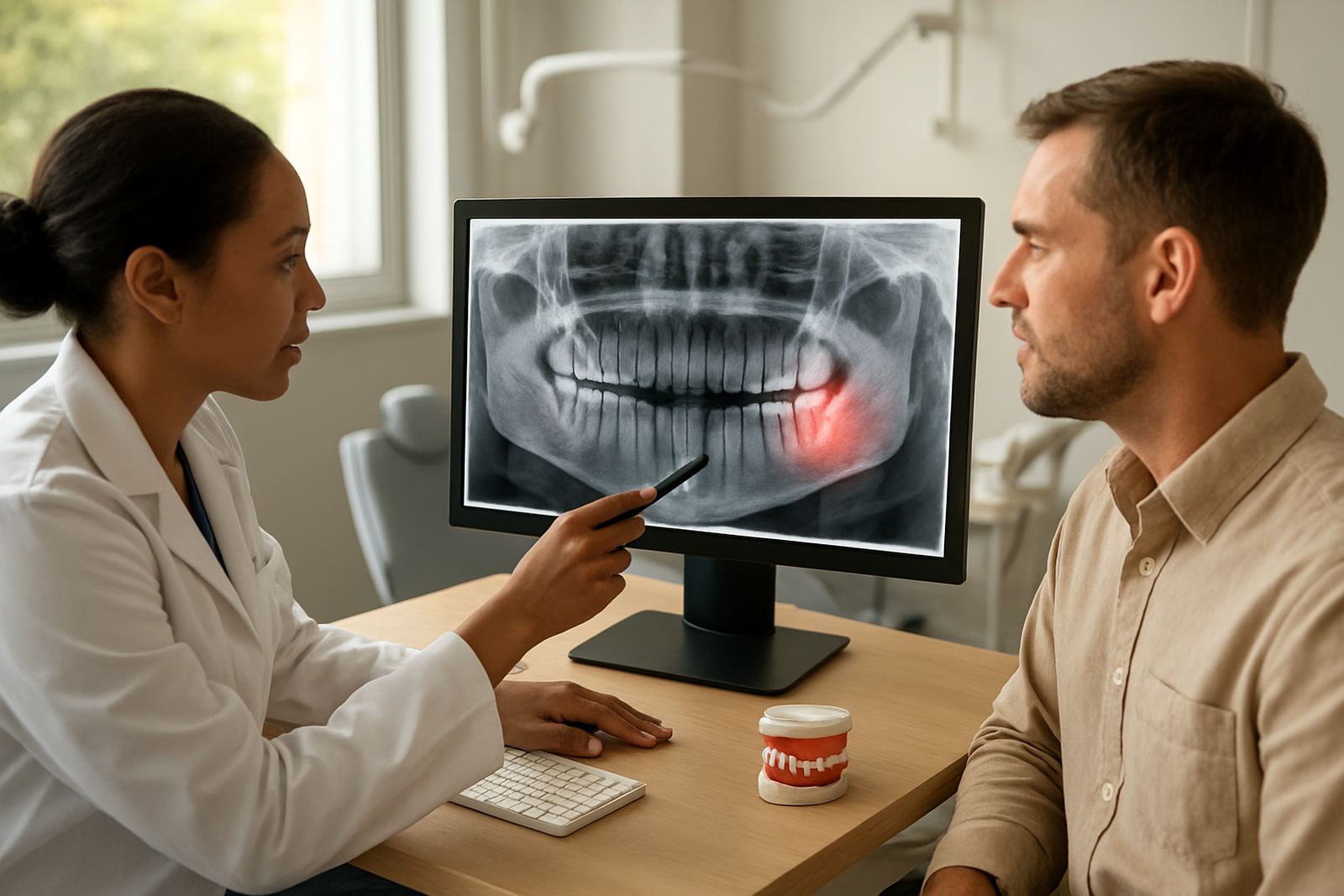
Once the mouth has been examined, the next stage is detailed planning. This often includes digital scans or X-rays to measure bone levels, check the position of nearby teeth and identify any areas that need treatment before implant placement. In some cases, a tooth must be removed first and the socket allowed to heal before the implant can be placed.
This stage is where precision really matters. The implant needs to be positioned at the right angle and depth so the crown looks natural and the bite stays comfortable. If the bone is too thin or too soft, additional treatment may be needed, such as bone grafting or a sinus lift in the upper back jaw. That adds time, but it can make the difference between an implant that lasts and one that struggles.
Patients often ask how long this takes. The answer depends on the mouth, not just the calendar. A straightforward case may move quickly, while a more complex plan may need a few months between stages. It is better to wait than to rush a case that is not ready.
- 3D style planning or detailed imaging where indicated
- Bone volume and gum health assessment
- Extraction and healing, if a damaged tooth must be removed
- Additional grafting procedures when support is limited
3. Implant placement is a small surgical stage
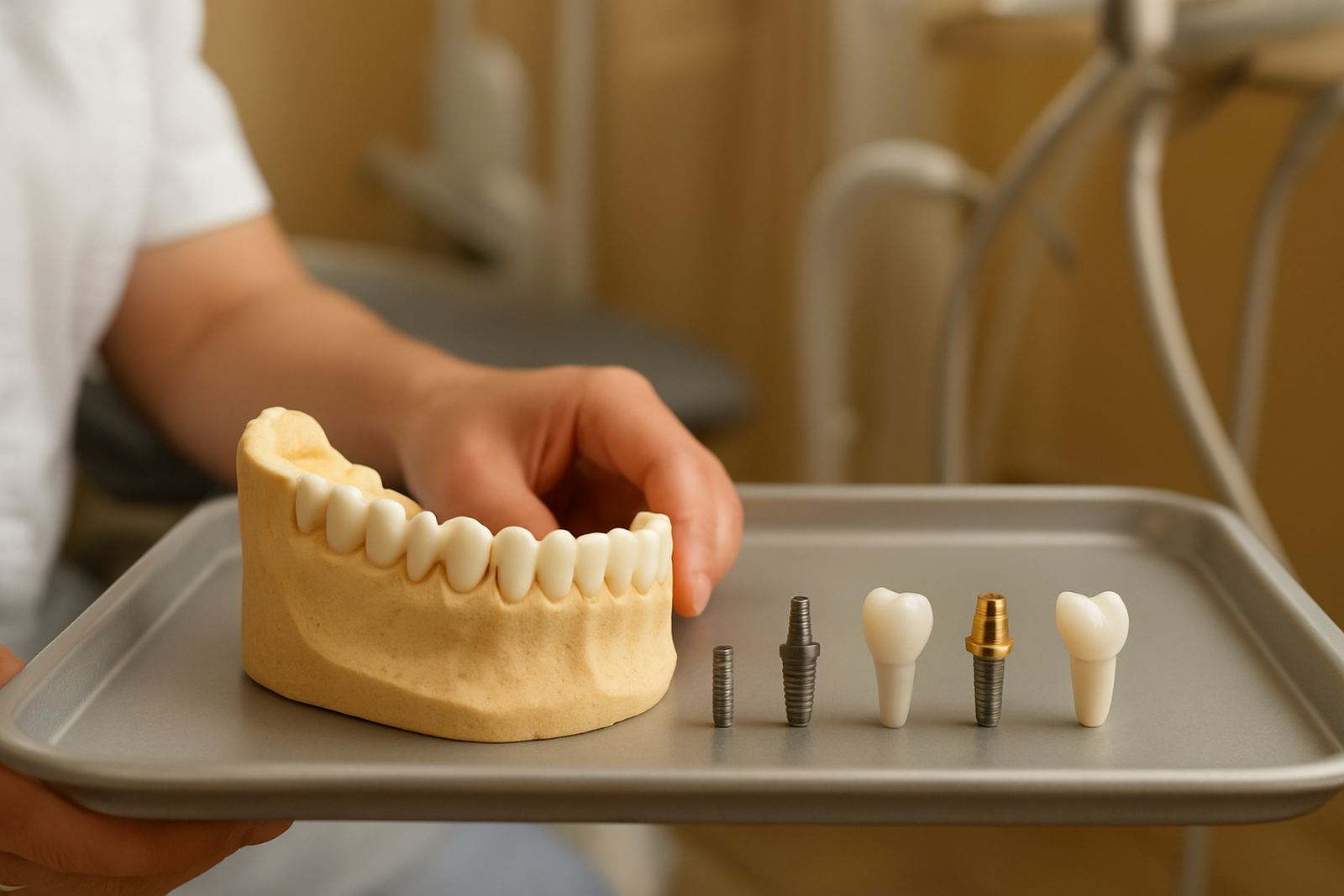
The implant itself is a small titanium post placed into the jawbone under local anaesthetic. Some patients also choose sedation options, especially if they are anxious or having several implants placed at once. The procedure is planned to keep discomfort low, and most people describe the after-effects as manageable rather than severe.
After placement, the body needs time to bond with the implant. This healing phase is called osseointegration, which simply means the bone grows around the implant and holds it firmly in place. During this time, you may be given a temporary tooth or advised to avoid pressure on the area. The aim is to protect the implant while the bone settles.
In Johannesburg, patients with busy schedules often try to squeeze treatment into a single week. That is not always sensible. Healing time is part of the treatment, and it should be respected, especially if you want the implant to last through years of chewing and daily use.
- Local anaesthetic is used for comfort
- Implant is placed into the jawbone
- Temporary restoration may be fitted in selected cases
- Healing instructions are given clearly before you go home
4. Healing and review visits protect the result
After placement, there is a healing period that can take several weeks to a few months depending on the site and the quality of the bone. Review visits allow the dentist to check the gum tissue, make sure there are no signs of infection and confirm that the area is healing well. This stage is often quiet, but it is one of the most important parts of the process.
You will usually be given aftercare instructions about food, brushing and what to avoid in the first few days. Hot food, smoking and heavy exercise may need to be limited at first. If you clench at night, a night guard may be discussed because excess pressure can disturb healing. Patients in coastal areas outside Johannesburg sometimes ask about humidity and travel, but the main rule is simple: keep the area clean and do not disturb it.
If swelling, pain or looseness appears, it must be checked promptly. Early attention can prevent a small issue from becoming a bigger one.
- Keep follow-up visits even if the mouth feels fine
- Follow cleaning instructions carefully
- Avoid chewing hard food on the healing side
- Report swelling, bad taste or movement straight away
5. Abutment fitting and crown design bring the tooth shape
Once the implant has integrated properly, the next stage is to attach the abutment. This is the connector between the implant and the final crown. After that, impressions or digital records are taken so the crown can be made to fit the bite and match the surrounding teeth.
At this point, colour, shape and gum line are checked closely. For front teeth, appearance matters as much as function. For back teeth, strength and bite balance take priority. A well made crown should feel like part of your mouth, not like an add on. Patients from Morningside or Rosebank often want a solution that looks natural in meetings, photos and everyday life, while still standing up to normal chewing.
This stage may need one or two appointments, especially if adjustments are required. Good communication helps here, because a small change in shape or shade can make a big difference to the final result.
- Abutment placed after healing is confirmed
- Records taken for crown fabrication
- Shape and colour reviewed before final fitting
- Small bite adjustments may be made for comfort
6. Final crown placement and long term care
The final crown is fitted once everything is ready and the bite has been checked. This is the point where the implant treatment becomes a working part of your mouth. The crown should be comfortable, stable and easy to clean with normal brushing and flossing tools.
Long term care is just as important as the treatment stages. Regular check-ups help monitor the gum tissue around the implant, the health of nearby teeth and the fit of the crown. Many implant problems come from poor hygiene or missed reviews rather than from the implant itself. If gum inflammation is caught early, it is usually easier to treat.
For Sandton patients, especially those managing work, school runs and traffic between Rivonia, Bryanston and Fourways, it helps to plan review visits ahead of time. A little maintenance now can save time and expense later.
- Brush twice daily and clean carefully around the implant
- Attend routine maintenance visits
- Ask about a night guard if you clench or grind
- Report any looseness, discomfort or bleeding early
At Techno-Dent Clinic, Dr Sibusiso Mthembu and the team aim to keep each stage clear and manageable, from the first consult through to aftercare follow-ups. A well planned implant case is not rushed. It is built step by step, with each stage supporting the next.
A local example helps show the timing
A patient from Sandton City who had lost a lower molar after years of bite wear may start with an assessment, then a scan, then implant placement and healing. If the bone is healthy, the full process may move more quickly. If the tooth has been missing for a long time and the bone has shrunk, extra preparation may be needed first. That patient may still have an excellent result, but the route will be slightly longer.
This is why the treatment stages should be explained properly before anything begins. The best implant plan is one that fits the mouth, the schedule and the patient’s expectations, not just the quickest option available.