
Why a denture that once fitted well can start moving
A denture fit can change even when the appliance itself has not broken. The mouth keeps changing over time, especially after tooth loss, gum shrinkage or weight changes, so the shape that felt secure last year may now feel loose. In South Africa, many patients also notice more movement after periods of dehydration, mouth breathing from sinus issues, or long days where they have not had water often enough. A dry mouth reduces suction and makes the plate less stable.
Bone resorption is one of the most common reasons for looseness. After teeth are removed, the jawbone slowly becomes smaller because it no longer has the same bite forces through the roots. The top denture then loses support at the palate, while the lower denture has even less room to sit still because the tongue and cheeks keep moving. If your denture clicks or rocks when you eat, dont ignore it. Small changes can turn into sore spots, cracked acrylic or constant irritation very quickly.
- Natural bone shrinkage after extractions
- Changes in body weight or facial shape
- Dry mouth from medicine, dehydration or mouth breathing
- Wear and tear on the denture base or teeth
- Minor warping from heat or poor storage
Signs the fit is no longer good enough
Patients often say they are “used to it” before they realise the denture is not fitting properly at all. A well fitting denture should stay steady, allow you to speak clearly and let you chew without having to hold it in place with your tongue. If you need adhesive every day just to get through lunch, that is a sign the fit needs attention rather than another quick fix from the chemist.
Look out for gum soreness, bad breath that does not clear after cleaning, food packing underneath the plate, clicking sounds when speaking and a change in the way your face looks in photos. A loose lower denture may float when you talk, while an upper one may slide when you bite into bread or meat. People in Sandton who spend the day in meetings often notice the problem first because the denture moves during conversation, not only while eating.
- Sore spots on the gums or palate
- Clicking, rocking or slipping while speaking
- Food trapping under the plate
- Need for more adhesive than before
- Difficulty chewing firmer foods like steak or apples
What can be checked before anything is replaced
Not every denture problem means a full remake. First the fit, bite and the condition of the gums must be checked properly. Sometimes the issue is that the bite has shifted, so the upper and lower teeth meet unevenly and the denture tips when you close. In other cases, there are rough edges, cracks or worn teeth that create instability even if the base still looks sound.
A careful exam can also show whether there are inflamed gums, a fungal infection, or areas where the denture is rubbing too hard. Patients with diabetes, reflux medication use, antihistamines or blood pressure tablets may have a dry mouth that makes fit worse. A simple adjustmentd may help, but only if the denture still has enough material and the underlying shape is still usable. If there has been a big change in the jaw, a reline or new denture may be the better choice.
- Bite alignment and how the teeth meet
- Pressure points on the gums and palate
- Signs of infection or inflammation
- Condition of the acrylic base and teeth
- Dry mouth or medication related issues
When a reline, repair or remake makes sense
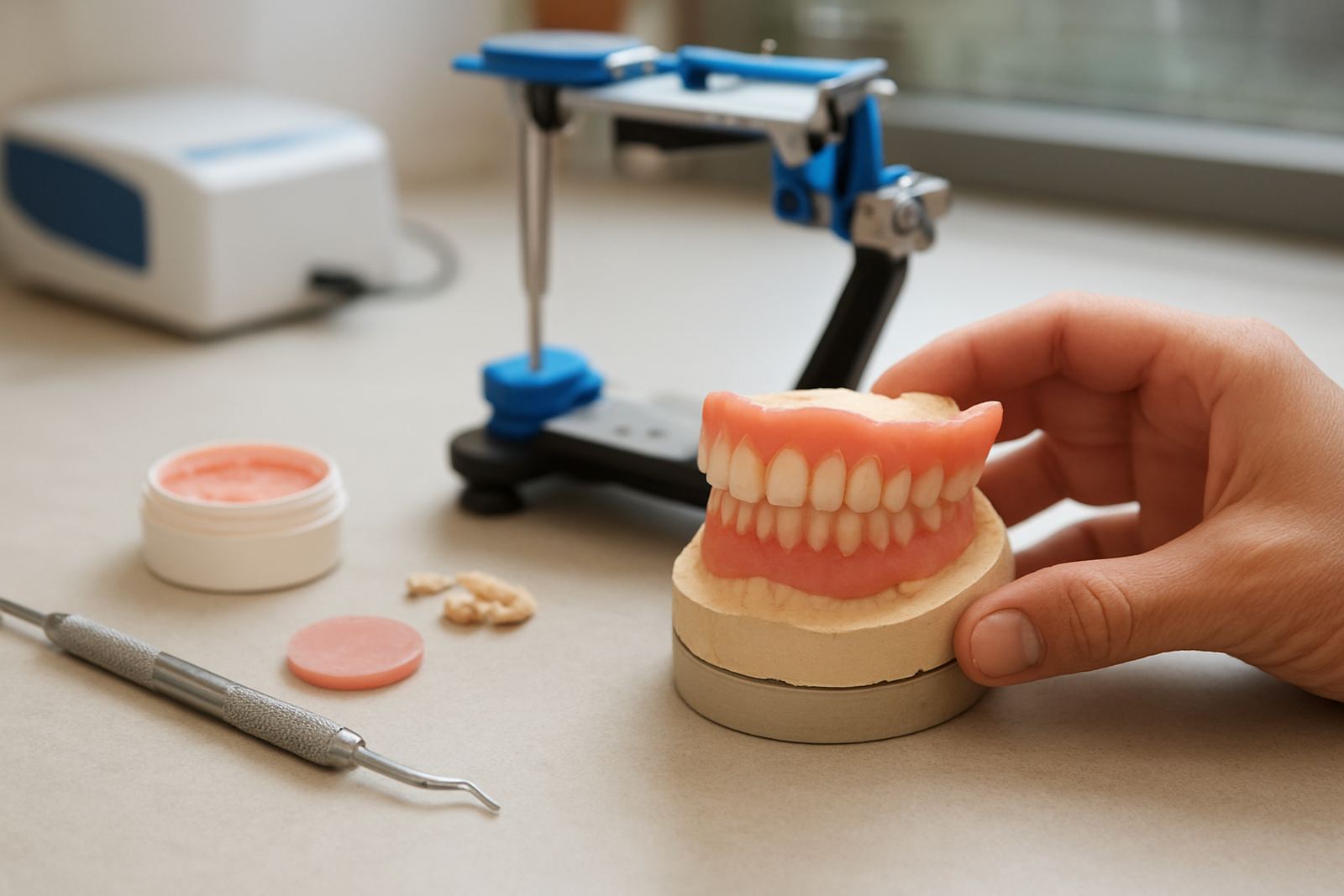
A reline adds new material to the inside of the denture so it matches the current shape of the mouth more closely. This can help if the denture is otherwise in decent condition and the teeth are still serviceable. Repairs are more suitable when there is a crack, a broken tooth or a small chip. A remake is needed when the denture is too worn, the bite is wrong, or the base has become distorted and cannot be trusted anymore.
For many patients in Bryanston, Fourways or Rivonia, the decision comes down to daily function. If the appliance is loose enough that meals are difficult or social situations have become stressful, there is no benefit in keeping a poor fit for another year. The right option depends on the mouth, the age of the denture and whether the gums and bone have changed a little or a lot. Payment guidance can also help patients plan the work in stages when needed.
- Reline: best for a denture that is sound but no longer hugs the gums
- Repair: best for cracks, breaks or a damaged tooth
- Remake: best when fit, bite or wear is too far gone
How to reduce loosening at home while you wait for care
Home care will not fix a bad fit, but it can stop matters from getting worse. Clean the denture daily with a soft brush and the correct cleanser, then rinse it well before putting it back. Do not use boiling water, as heat can distort the base. Store it in clean water overnight unless you have been given different instructions. If the gums are sore, give the mouth a short rest where possible and avoid hot, spicy or very crunchy food for a day or two.
Good hydration matters more than many people expect. In a city where load-shedding can throw routines off and people go long hours between meals, dry mouth can make an already loose denture feel much worse. If you use adhesive, apply only the amount recommended and never pack it on thick. Too much product can mask a fit problem and trap food against the tissue. If the denture is moving so much that you are tempted to bite it into place, stop and get it checked.
- Clean daily with a soft brush and proper cleanser
- Avoid hot water that may warp the base
- Keep gums hydrated and drink water regularly
- Use adhesive sparingly, not as a permanent fix
- Do not wear a painful denture through the day without review
Why a proper review matters for comfort and chewing
Loose dentures are not only about comfort. Poor fit can affect the way you chew, which can lead to avoiding healthy foods like vegetables, fruit and firmer proteins. Over time that can affect nutrition and confidence. Some patients start speaking less in public because they fear the denture may slip, which is a real quality of life issue and not something to brush off.
At Techno-Dent Clinic in Sandton, denture fit concerns are assessed with the same practical approach used for other dental planning. The goal is to find out what has changed and what will genuinely help, whether that means an adjustment, a reline, new impressions or advice on next steps. Patients from Sandton, Morningside, Rosebank and the surrounding areas often come in after months of coping on their own, when the problem could have been managed earlier. The sooner it is checked, the easier it usually is to sort out.
If your denture has started slipping, rubbing or making meals feel like hard work, book a review before the sore spots get worse. A stable fit makes everyday life easier, and that matters every time you sit down to eat or speak.