
Why ceramic crowns suit front and back teeth
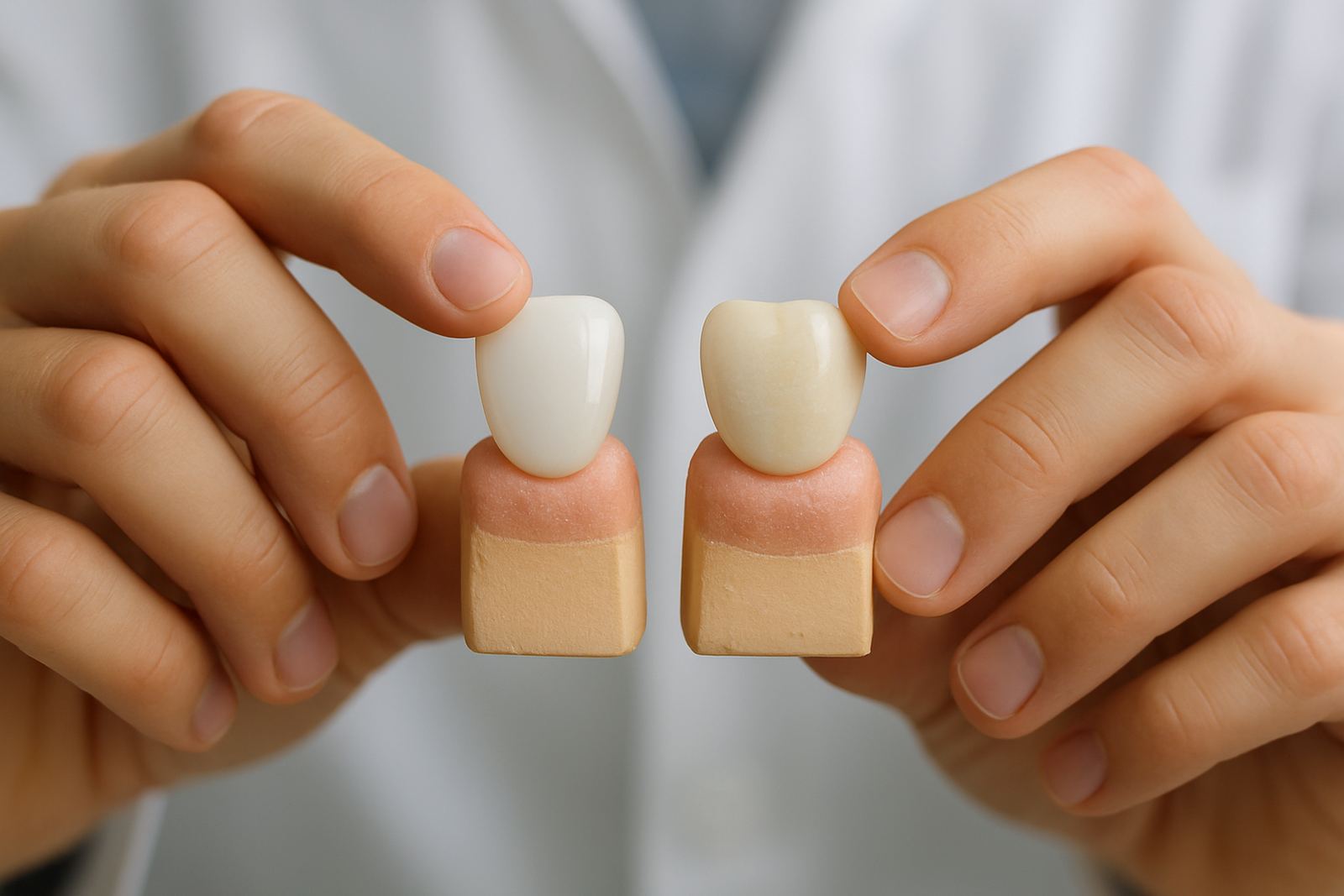
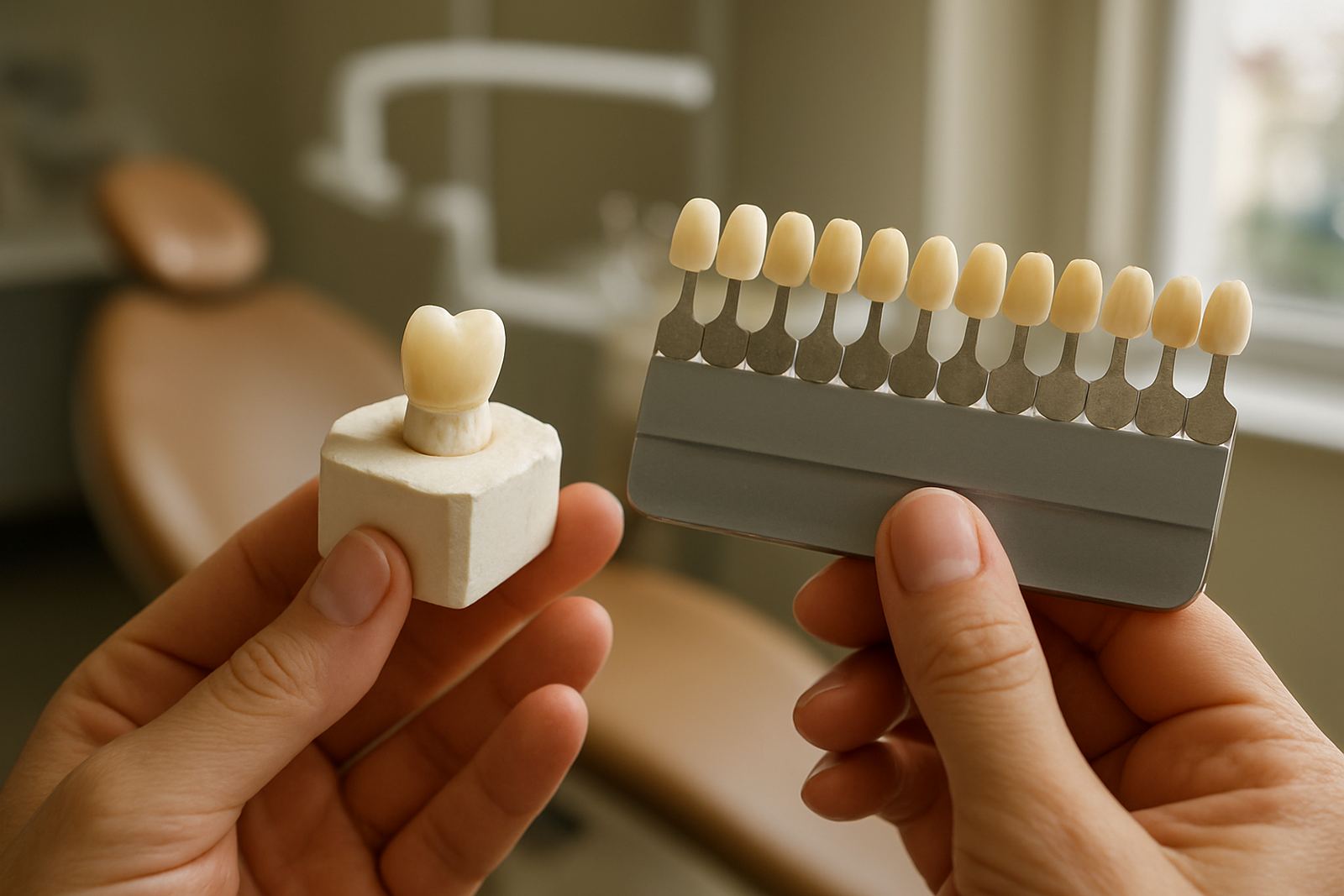
Ceramic crowns are used to cover and protect a tooth that has been damaged, weakened or heavily restored. They are especially popular in cosmetic work because the material can be matched closely to the shade and light reflectivity of your surrounding teeth. For many patients in Sandton, that matters just as much as strength, because a crown should not look out of place when you speak, laugh or take a photo.
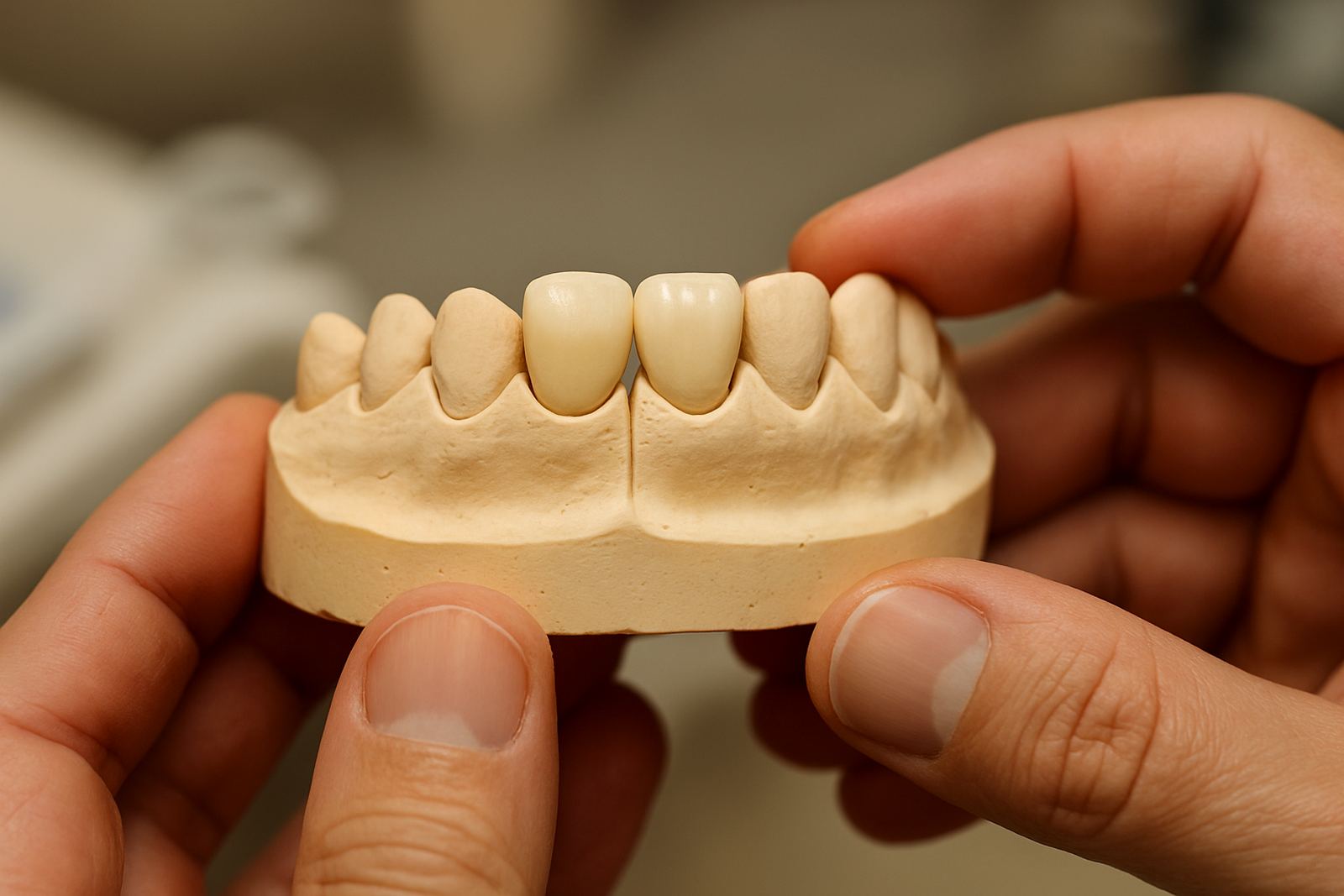
At our practice, Dr Sibusiso Mthembu and the clinical team look at bite force, tooth position and the visible area of the mouth before suggesting a crown. A back molar may need a different ceramic choice to a front incisor. The aim is not just to cover the tooth, but to keep it working properly for daily chewing and keep the appearance neat.
- Matches natural tooth colour more closely than many older crown materials
- Useful for chipped, cracked or root canal treated teeth
- Can be shaped to suit the bite and neighbouring teeth
- Often chosen where the crown will be seen when you smile
A natural look matters when shade and shape must blend
One of the biggest ceramic crown benefits is how well it blends in. Shade is not the only factor. The way light passes through the crown, the contour at the gumline and the surface finish all affect how natural it appears. This is why cosmetic planning is so important. A crown that is a few shades too bright can look obvious, while one that is too flat can look lifeless.
Dr Ayesha Khan often explains that good cosmetic dentistry should not be noticed for the wrong reasons. Patients from Morningside, Bryanston and Rosebank usually ask for a result that looks clean and fresh but still believable. That balance is possible when the crown is designed with the rest of the smile in mind, not chosen in isolation.
For people who work long hours in Sandton or see clients face to face, that subtle finish is practical too. You do not want to think about your tooth every time you talk. You want it to disappear into the smile.
Strength for everyday chewing without a heavy feel
Ceramic crowns are valued not only for looks but for their day to day function. A well made crown can handle normal biting and chewing forces when it is planned correctly and fitted to an accurate bite. That is important if the tooth has lost structure from decay, a fracture or an old filling that no longer holds properly.
In many cases, patients prefer ceramic because it feels less bulky than some older metal based options. The crown can be made thin enough to preserve tooth structure, yet still offer good support. For many people, especially those who clench at night or have worn teeth from grinding, the right design makes a real difference.
- Protects weakened teeth from further breakage
- Supports chewing on both sides of the mouth
- Can be made to fit comfortably against the opposing tooth
- Works well when paired with a bite review and aftercare follow up
If you have had a tooth rebuilt before, the final crown is often the step that makes the tooth usable again. It is not just a cover, it is part of how the tooth functions each day.
Digital planning helps get the fit and finish right
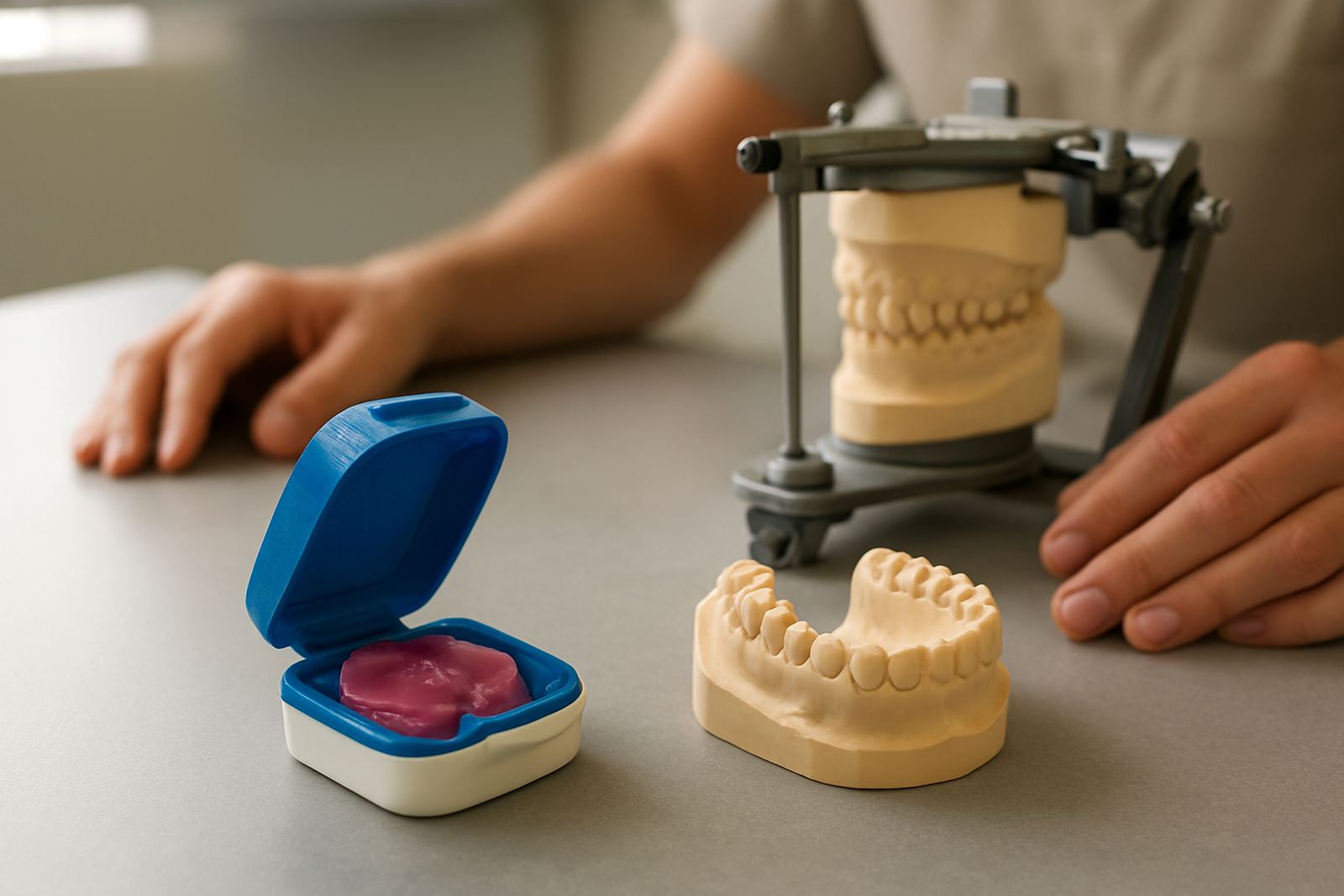
At Techno-Dent Clinic, digital smile design and imaging support the treatment plan before a crown is made. That helps us assess the tooth from more than one angle, check symmetry and plan the final shape with care. It also helps when there are several teeth involved, because one crown should not clash with the rest of the smile.
Thabo Nkosi, our Digital Imaging Coordinator, works with the clinical team so that the records are clear and useful for treatment planning. This matters when a patient wants a crown that sits well next to existing fillings, veneers or orthodontic work. Good records reduce guesswork and support a cleaner result.
For busy patients in Fourways or Rivonia, planning ahead also helps with appointment timing. You can discuss the treatment steps, recovery expectations and any payment guidance before the crown work begins. That makes the process easier to manage, especially if you are fitting care around school runs, meetings or travel.
- Assessment of tooth colour, bite and gum level
- Planning for a natural shape and contact point
- Review of sedation options for nervous patients
- Aftercare follow ups where needed
When a ceramic crown is the practical choice
Ceramic crowns are often a sensible option after large fillings have failed, after trauma, or when a root canal treated tooth needs protection. They are also used when a patient wants to improve the appearance of a tooth that is discoloured, misshapen or worn down. In these cases, the crown is doing two jobs at once: restoring function and improving appearance.
We see this often in patients from Sandton and nearby areas who have put off treatment because the tooth was not painful enough to feel urgent. Then a chip, crack or sensitivity starts making the problem harder to ignore. It is usually better to treat the tooth before it breaks further. That can save time, discomfort and extra cost later on.
Dr Pieter van der Merwe handles implant planning where a tooth cannot be saved, while ceramic crowns are used to restore teeth that still have enough structure. Dr Nandi Dlamini and the wider team also assess how the bite and alignment may affect the crown long term. The point is to choose the right treatment for the tooth, not just the quickest one.
Looking after your crown so it lasts longer
A ceramic crown still needs proper care. Brushing twice a day, flossing carefully and keeping up with regular check ups all help the crown and the tooth beneath it stay healthy. If the gumline is not kept clean, decay can form at the edge of the crown even when the crown itself is in good shape.
Patients should also mention if they grind their teeth, bite pens or chew ice. Those habits place extra pressure on any restored tooth. In some cases, a night guard may be recommended, especially if there is a history of wear or jaw soreness. That small step can protect the crown and the rest of the mouth.
- Use a soft to medium toothbrush and fluoride toothpaste
- Clean around the crown edge each day
- Avoid using teeth to open packets or bottles
- Book a review if the crown feels high, loose or sensitive
For Sandton patients, especially those balancing work and family commitments, sensible maintenance is what keeps the investment worthwhile. A good crown should feel like part of the tooth, not something you must think about all the time.
What to expect at Techno-Dent Clinic
From your first new patient consult, we look at the condition of the tooth, your bite and the appearance you want to achieve. If ceramic crowns are suitable, we talk through the preparation, the shade choice and the expected timeline. We also cover emergency dentistry if the tooth is cracked or painful, since some crowns are planned after urgent treatment.
Lerato Moloi and the practice team help patients with bookings, payment guidance and follow up arrangements. That is useful when you need care between appointments, or when you are coordinating treatment with family dentistry or preventive care visits.
The most important thing is getting a result that works in real life. Ceramic crowns can offer strength, a natural shade and a clean finish, but only when they are planned properly and fitted with care. For many patients in Johannesburg, that is exactly what makes them worth choosing.