
Bleeding Gums Are Not Normal, Even If It Only Happens Sometimes
The first sign many people notice is blood on the toothbrush or in the sink after flossing. Healthy gums should not bleed from daily cleaning, and if they do, that is a sign of inflammation.
In Sandton and surrounding areas, many patients put it down to brushing too hard or using a new toothbrush. That can happen, but repeated bleeding is more often linked to gum irritation caused by plaque building up along the gumline.
- Blood after brushing or flossing
- Pink saliva after chewing harder foods
- Gums that look brighter red than usual
If bleeding happens most days for more than a week, book a professional assessment rather than waiting for it to settle on its own.
Swollen, Puffy Gums Can Mean Infection Is Setting In
When gums are inflamed, they can look puffy, feel sore, and seem to sit higher or lower around the teeth. Some people also notice that the gums feel warm or tender when eating.
This is often more obvious around the back teeth, where cleaning can be harder. On busy school and work mornings, it is easy to miss the early changes, but swelling is a warning that the body is reacting to bacteria around the teeth.
- Puffy gum margins that look rounded
- Tenderness when chewing
- Gums that feel tight or itchy
- Small gaps that seem to appear between teeth and gum
Swelling should not be ignored, especially if it comes with bleeding or bad breath.
Bad Breath That Keeps Coming Back Often Starts Below the Gumline
Everyone gets bad breath from time to time, especially after coffee, onions or a long day without water. But if the smell returns quickly after brushing, flossing and rinsing, gum disease may be part of the cause.
Bacteria trapped under the gums release odours that ordinary mouthwash cannot fix for long. That is why persistent bad breath needs more than a mint or quick rinse.
Look out for these patterns:
- Breath that is worse in the morning and stays strong through the day
- A sour or metallic taste in the mouth
- Bad breath that others notice before you do
In a place like Sandton where meetings and client-facing work are common, this can be distressing. The good news is that a proper gum check can usually identify the source.
Teeth That Feel Longer Or Looser Need Attention Fast
As gum disease progresses, the gums can start to pull away from the teeth. This creates small spaces where food and bacteria collect, and over time the supporting bone can be affected.
You may notice that teeth look slightly longer than before, or that one tooth feels wobbly when you bite into something firm. That is not a normal part of ageing. It needs dental attention as soon as possible.
- Spaces opening up between teeth
- Teeth that shift position
- One or more teeth feeling loose
- Food packing between the same teeth repeatedly
If chewing starts to feel uneven, do not wait for pain. Gum disease can move forward quietly before a tooth becomes sore.
When Sensitivity And Gum Recession Go Together
Sensitivity to cold water, hot drinks or sweet foods can happen when the gum tissue recedes and the tooth root becomes exposed. Some patients think it is just enamel wear, but gum recession is often part of the picture.
If your gums have started to look lower on the tooth, or one side of the mouth feels more sensitive than the other, it is worth having a dentist assess both the gum health and the bite.
Common signs include:
- Sharp twinges with cold drinks
- Sensitivity when brushing near the gumline
- Visible root surfaces
- Notches near the base of the tooth
Early treatment can help slow further recession and protect the teeth that are already exposed.
A Local Example: The Signs A Busy Bryanston Professional Missed
A patient from Bryanston came in after noticing blood when flossing and a bit of morning breath that did not improve with mouthwash. She had no real pain, so she kept putting it off between work and school runs. By the time she booked in, two back teeth were sensitive and the gums around them were inflamed.
That is a common pattern. Gum disease does not always shout, it often starts with small daily clues. Once the cause was treated and home care was adjusted, the bleeding reduced and the gums settled down over the following weeks.
- Small warning signs can build slowly
- No pain does not always mean no problem
- Earlier treatment is usually simpler and more comfortable
Whether you are in Sandton, Rivonia, Morningside, Fourways or Rosebank, the same rule applies: if your gums keep showing warning signs, have them checked.
What A Gum Check Can Include, And When To Book One
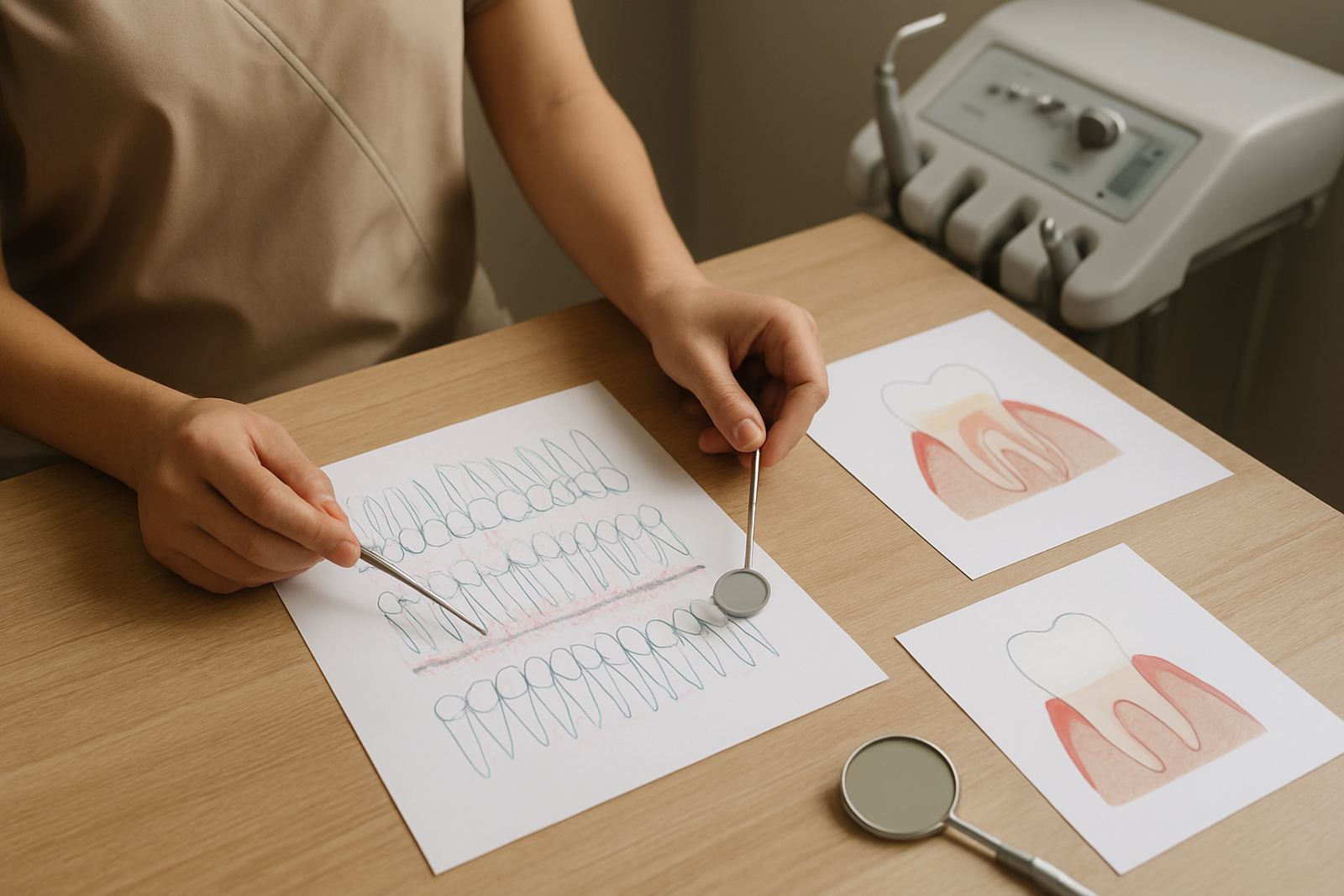
A gum assessment is straightforward. The dentist checks for bleeding, pocketing around the teeth, plaque levels, recession and any signs of bone loss. X-rays may be taken if needed to see what is happening below the gumline.
At Techno-Dent Clinic, gum concerns can be reviewed alongside new patient consults, preventive care, emergency dentistry, implant planning and orthodontic assessments. If treatment is needed, the plan is explained clearly, including aftercare and payment guidance.
Book a check if you notice:
- Bleeding gums for more than a few days
- Swelling or tenderness that keeps returning
- Persistent bad breath
- Loose teeth or gum recession
- Food trapping between the same teeth
Gum disease is much easier to manage when it is caught early. If something feels off, send a note through our contact form and arrange a visit before the problem gets worse.